
The Hero’s Journey: Narrative Structures that Transform Your Adventure Stories
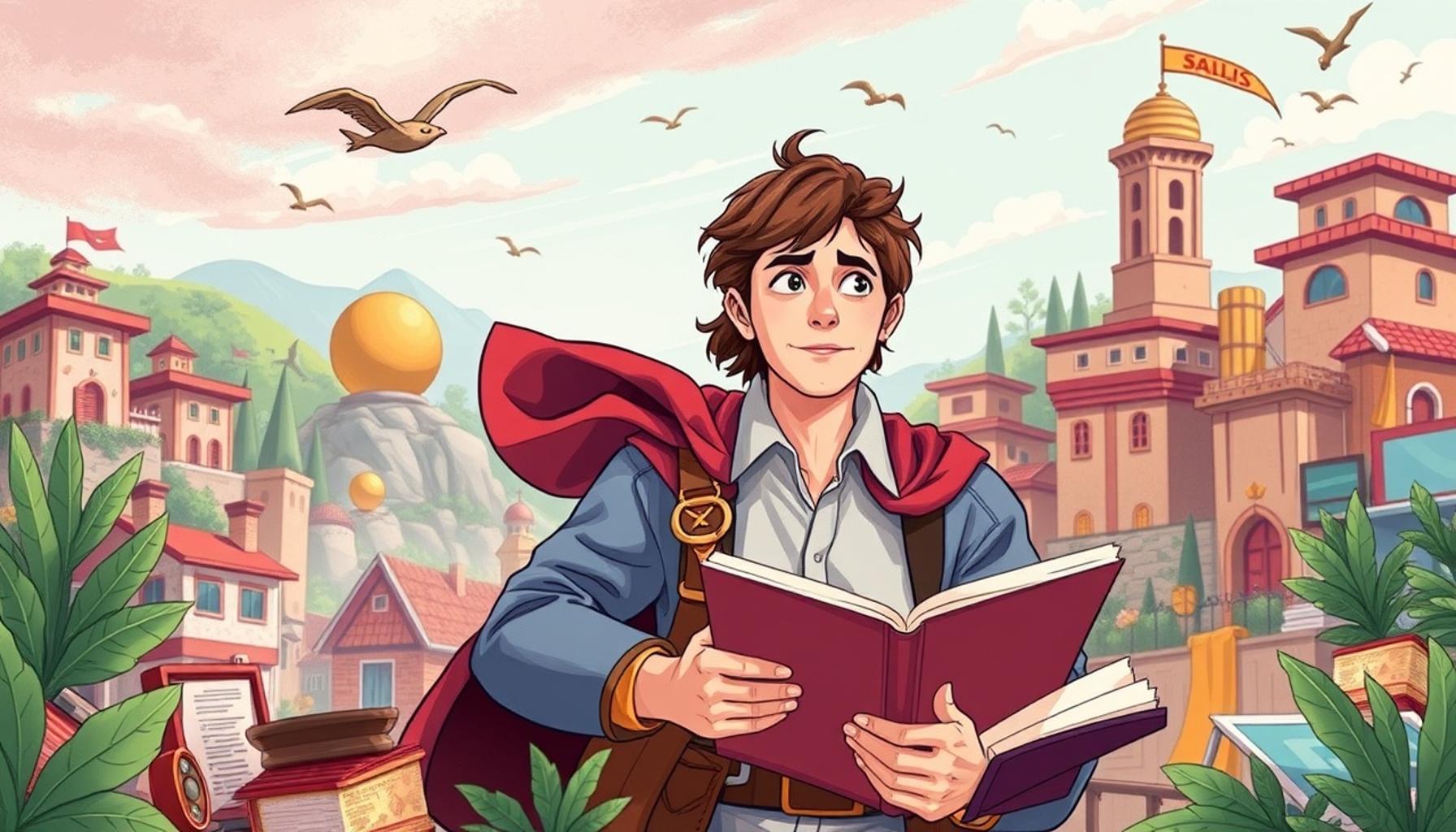
Exploring the Hero’s Journey
Every great adventure story features a journey that captivates readers, intertwining familiar elements with originality. Unlocking the magic behind these stories lies in the Hero’s Journey, a narrative structure that has stood the test of time since its inception in ancient mythology and its evolution in modern storytelling. This timeless framework not only allows for engaging narratives but also facilitates deep emotional connections with audiences, making it a staple for writers around the world.
Key Stages of the Hero’s Journey
The Hero’s Journey consists of several crucial stages that guide the protagonist’s transformation. Each stage holds significant importance in shaping the overall narrative.
- The Call to Adventure: The protagonist is invited to embark on a quest, often triggered by an unexpected event or a compelling challenge. This call disrupts the hero’s ordinary world, urging them to consider the possibility of change. For instance, in J.R.R. Tolkien’s «The Lord of the Rings,» Frodo Baggins receives the ring, which symbolizes both a burden and an invitation to a larger world beyond the Shire.
- The Mentor: A wise figure, often serving as a guiding voice, provides the hero with essential knowledge, tools, or encouragement. This character is vital for the hero’s transformation, as they often represent wisdom and experience. In «Star Wars,» Obi-Wan Kenobi plays this critical role, initiating Luke Skywalker into the mysteries of the Force, thus helping him to prepare for the challenges ahead.
- The Ordeal: Here, the hero confronts a significant challenge or crisis that tests their resolve. This pivotal moment leads to self-discovery and often determines the trajectory of the story. For instance, in «Harry Potter and the Philosopher’s Stone,» Harry faces Quirrell and Voldemort, marking a turning point in his understanding of bravery and sacrifice.
- The Return: The hero comes back transformed from their journey, typically sharing newfound wisdom or insights with their community. This return signifies not only personal growth but also the potential for collective change. In «The Lion King,» Simba returns to Pride Rock to reclaim his rightful place as king, thereby restoring balance to the kingdom.
The Transformative Power of Storytelling
Understanding these stages can elevate your writing, helping to forge connections with the audience. Iconic examples from literature and film illustrate this transformative power, revealing how deeply resonant narratives can emerge from simple frameworks. The Hero’s Journey is more than just a blueprint; it is a pathway that allows both characters and readers to confront their fears, embrace their potential, and ultimately, witness transformation.
As we delve deeper into each stage of the Hero’s Journey, you will discover how applying this narrative structure can enhance not only your storytelling abilities but also provide readers with unforgettable adventures that echo through time. Dive into the transformative nature of storytelling and embark on a journey of your own, one that reflects the indelible human experience. Such literary exploration promises to not only entertain but also inspire personal growth and reflection.

Unlocking the Secrets of Narrative Structure
As writers, understanding the Hero’s Journey is not just about following a template; it’s about unlocking the core of human experience that resonates through time and culture. This timeless narrative structure, proposed by mythologist Joseph Campbell in his seminal work «The Hero with a Thousand Faces,» reveals patterns that recur across tales, making them universally appealing. By recognizing the shared stages of the Hero’s Journey, you can craft stories that not only entertain but also connect with readers on a deep emotional level.
At its core, the Hero’s Journey captures the essence of transformation, serving as a mirror reflecting both the struggles and triumphs faced by individuals throughout history. It speaks to our innate desire for growth, adventure, and self-discovery. By dissecting the various stages, writers can understand how to effectively develop their characters and plotlines to craft compelling narratives.
Stages of the Hero’s Journey Explained
The Hero’s Journey encapsulates a series of stages that, when used effectively, create a cohesive and gripping story arc. Here’s a closer look at these stages:
- The Ordinary World: Before the adventure begins, this setting provides the hero’s familiar life, highlighting the contrast to the journey ahead. For example, in «The Hobbit,» Bilbo Baggins starts in his comfortable home in the Shire, emphasizing his mundane existence before the call to adventure disrupts it.
- Crossing the Threshold: This pivotal moment marks the hero’s commitment to the journey. It signifies the point of no return, where uncertainty looms, and the hero must confront unknown challenges. In «The Lion King,» Simba leaves Pride Rock, stepping into a world filled with danger and adventure.
- Tests, Allies, and Enemies: As the hero embarks on their journey, they encounter challenges that test their abilities while also meeting potential allies and adversaries. This stage not only propels the narrative forward but also deepens character development. Katniss Everdeen in «The Hunger Games» faces numerous tests while forming alliances and recognizing adversaries in the arena.
- The Reward: After facing trials, the hero often receives a reward—this could be a physical object, knowledge, or insight. This reward serves as both a personal victory and a catalyst for further growth. In «Harry Potter and the Sorcerer’s Stone,» Harry’s validation of his identity and the friendships he forms become pivotal to his journey.
By utilizing these stages of the Hero’s Journey, writers gain a powerful tool for structuring their adventure stories. Not only do these elements drive the narrative, but they also engage the audience, enabling them to relate to the characters in a meaningful way. As readers witness the hero’s transformation and triumphs, they find parallels in their own lives, making the story even more impactful.
As we explore further into the intricacies of the Hero’s Journey, writers can learn to incorporate these elements organically, ensuring that their adventure tales resonate with timeless themes and relatable experiences that stay with readers long after the final page. This powerful narrative structure is a key to creating stories that transform both the characters within them and the audiences who engage with them.
The Hero’s Journey: Narrative Structures that Transform Your Adventure Stories
The exploration of the Hero’s Journey is essential for any writer serious about crafting compelling adventure stories. This narrative framework, distinguished by its archetypal stages, has the potential to elevate a simple tale into a transformative journey for both the protagonist and the audience. By understanding and implementing its key elements, storytellers can create narratives that resonate deeply and are universally applicable. With roots in ancient mythology and contemporary literature, the Hero’s Journey provides a timeless roadmap for character development.
Central to this narrative structure are the stages of the journey which include the ordinary world, the call to adventure, and the crossing of the threshold. Each stage is designed to engage the audience and create a connection with the protagonist’s challenges and growth. Characters often find themselves in moments of crisis, where they must confront their fears and embrace their destinies. As they face obstacles, they gain allies, learn valuable lessons, and uncover hidden strengths.
| Category | Details |
|---|---|
| Character Development | The Hero’s Journey fosters profound character growth through transformative experiences. |
| Engagement | By using this narrative structure, writers can captivate audiences, creating a deep emotional connection. |
Furthermore, the Hero’s Journey underscores the importance of a mentor figure, who often aids the hero in overcoming challenges. This relationship not only adds depth to the story but also illustrates the value of knowledge and guidance in personal transformation. The mentor’s wisdom can be pivotal in helping the hero recognize their true potential, reinforcing the narrative’s central themes.
As we dive deeper into this narrative approach, it becomes evident that the Hero’s Journey is not merely a formula but a powerful tool for storytelling that can inspire writers to craft rich, engaging tales. By tapping into these archetypal storytelling elements, authors can guide readers through unforgettable adventures that resonate on multiple levels, ensuring their stories leave a lasting impact.
The Hero’s Journey: A Framework for Rich Storytelling
While understanding the specific stages of The Hero’s Journey is foundational, it’s equally important for writers to grasp the broader themes and concepts that elevate their narratives beyond mere templates. Within these stages lie the possibilities for deep symbolism and character arcs that reflect varied dimensions of human experience. Utilizing this narrative structure effectively will not only enrich your story but also allow readers to identify more acutely with your characters’ internal and external conflicts.
The Role of Mentorship
A powerful element within the Hero’s Journey is the role of the mentor. This figure is crucial in guiding the hero, providing wisdom, and often equipping them for the challenges ahead. Mentorship serves as a critical turning point in many classic tales. For instance, consider Gandalf in J.R.R. Tolkien’s «The Lord of the Rings.» His guidance helps Frodo to embrace his destiny. By incorporating a mentor character, writers can explore themes of growth and the importance of relationships, thus offering readers insight into the complexities of collaboration and support during challenging times.
The Dark Night of the Soul
Another significant aspect of the Hero’s Journey is the «Dark Night of the Soul,» a bleak moment where heroes often face despair, questioning their purpose and resolve. This stage is fraught with tension and deep emotion. For example, in «Moana,» the protagonist finds herself at a low point, doubting her ability to restore the heart of Te Fiti and fulfill her destiny. showcasing this struggle allows characters to become more relatable and human, adding depth to their journeys. Writers can explore this emotional depth to engage readers further, allowing them to connect with the internal battles characters face.
Transformation and Redemption
The transformation of the hero is not merely about overcoming adversities; it’s about evolving as an individual, achieving personal growth, and sometimes, even redemption. This transformation can manifest in various forms: the hero may realize their strengths, confront their shortcomings, or even redefine their identity. In «The Wizard of Oz,» Dorothy’s journey teaches her the value of her home and the power of self-acceptance, culminating in her famous declaration, «There’s no place like home.» By emphasizing the hero’s transformation, writers can provide readers with a meaningful resolution that resonates long after the story ends.
Using Real-World Inspirations
Lastly, writers can draw upon real-world inspirations to craft narratives that feel authentic and relatable. The essence of the Hero’s Journey can be woven into contemporary settings or issues that reflect today’s societal challenges. For example, novels like «The Hate U Give» by Angie Thomas highlight the heroing journey of a young girl navigating her identity amidst personal and societal turmoil. By rooting characters in real struggles, writers elevate their stories, making them not just adventures but profound reflections of societal experiences.
By embracing these layers within the framework of The Hero’s Journey, writers can craft multifaceted adventure tales that resonate on both personal and universal levels. The interplay of mentorship, emotional struggles, transformative arcs, and real-world references not only crafts compelling stories but also paves the way for rich discussions around the common ties that bind us all. This narrative structure is not merely a tool for storytelling but a poignant exploration of the human condition. Writers who harness these elements effectively will find their stories not only capture the imagination but also touch the hearts of their readers.
Conclusion: The Enduring Power of the Hero’s Journey
In the landscape of storytelling, The Hero’s Journey remains a timeless framework that empowers writers to weave narratives rich in depth and meaning. By embracing the nuances within this structure—such as mentorship, existential crises, transformative growth, and real-world inspirations—writers can cultivate an engaging adventure that resonates profoundly with readers. Each stage of this journey not only serves as a blueprint for character development and plot progression but also invites exploration of universal truths that transcend time and culture.
As we reflect on the myriad ways to implement this narrative structure, it becomes evident that the heart of storytelling lies not in rigid templates but in the unique journeys of characters who reflect our own struggles, dreams, and triumphs. When writers successfully intertwine personal transformation with relatable societal themes, they craft more than just stories; they create a shared experience that speaks to the human condition. The rich interplay of emotions, challenges, and relationships in these narratives invites readers to engage deeply—leaving them inspired and thoughtful long after the last page is turned.
Ultimately, the journey of the hero is a reflection of our own adventures in life. By harnessing the potential of The Hero’s Journey, writers not only entertain but also inspire growth and introspection among their audience, fostering connections that linger through the ages. Thus, it is incumbent upon storytellers today to embrace this framework, allowing their narratives to evolve, empower, and transform the literary landscape for generations to come.