
The Power of Narrative: How to Use Perspective to Enhance Immersion in Your Adventures

The Power of Narrative in Adventure
Narrative is more than just storytelling; it is a powerful tool that shapes how we experience adventures. Whether through books, films, or games, the perspective from which a story is told can greatly enhance our sense of immersion and connection to the plot. Understanding this dynamic can transform a simple account into a compelling experience that captivates its audience.
One key aspect of narrative perspective is the distinction between first-person and third-person viewpoints. The first-person perspective, where the narrator recounts events from their own point of view using «I» or «we,» often allows for a deeper emotional engagement. Readers can experience the protagonist’s thoughts and feelings directly, creating a sense of intimacy. A classic example can be found in works like «The Catcher in the Rye,» where Holden Caulfield’s personal narrative draws readers into his troubled psyche.
Conversely, the third-person perspective provides a broader view and can delve into multiple characters’ thoughts and feelings. This perspective can create emotional resonance across a wider range of experiences and viewpoints. For example, in J.R.R. Tolkien’s «The Lord of the Rings,» the omniscient narrator shifts between Frodo, Sam, and other characters, offering a rich tapestry of narrative threads that enhance the overall epic adventure.
Another intriguing element is the use of unreliable narrators, which can complicate stories and create tension and intrigue. An unreliable narrator is a character whose credibility is compromised, leading audiences to question their version of events. A prime example is found in Gillian Flynn’s «Gone Girl,» where the dual perspectives of Nick and Amy lead to twists and narratives that keep readers guessing and involved.
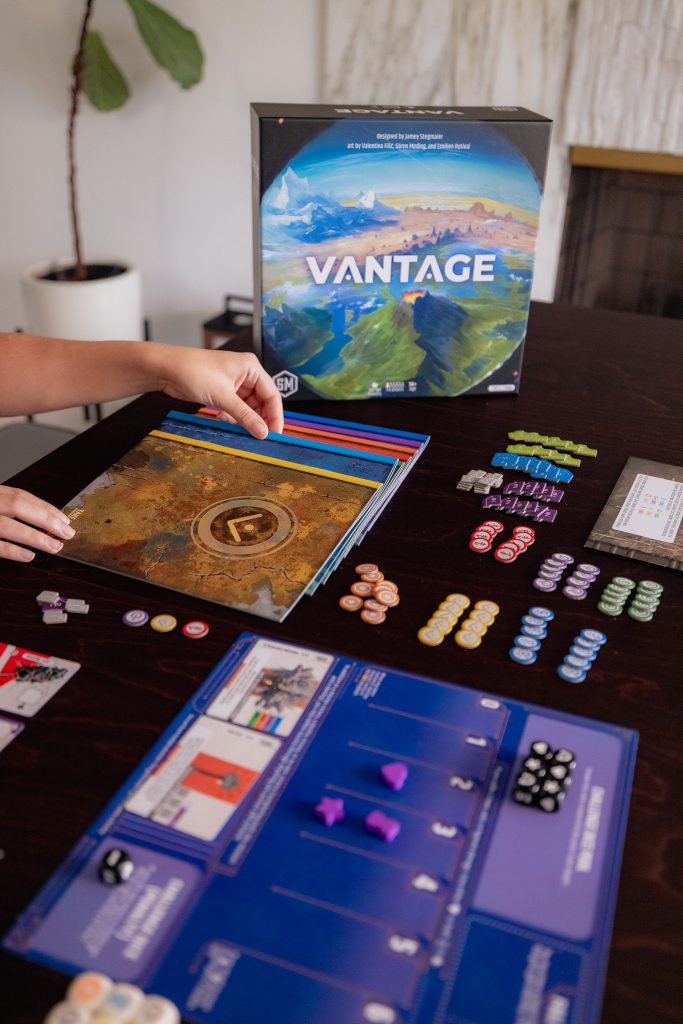
The technique of employing multiple viewpoints allows for a multifaceted exploration of events from varying perspectives. This can highlight different emotional and thematic elements of the same event. In films like «Rashomon,» different characters present their interpretations of the same incident, showcasing how memory and perception shape our understanding of truth and reality.
Additionally, the setting plays a crucial role in how narratives unfold. Vivid descriptors and detailed environments can transport readers, making them feel like active participants rather than mere observers. Consider how novels like «Into the Wild» by Jon Krakauer utilize rich environmental descriptions of the Alaskan wilderness to evoke the isolation and challenge faced by the protagonist, Chris McCandless. Such immersive settings not only enhance the adventure but also resonate emotionally with the audience.
Ultimately, harnessing the power of narrative allows creators and adventurers alike to elevate their experiences. From experimenting with various perspectives to creating rich, immersive environments, one can discover new depths and layers within their adventures. Embracing these techniques can lead you to develop more compelling narratives that resonate deeply with audiences, encouraging them to engage fully with the journey you present. As you embark on your own narrative journeys, consider how these elements can enrich your storytelling and foster a lasting connection with your audience.
Understanding Narrative Perspective
To explore the power of narrative, it is essential to understand the impact of narrative perspective on how stories are experienced. The choice between first-person and third-person perspectives not only influences emotional engagement but also the extent to which readers connect with the protagonist’s journey. Each viewpoint serves a unique purpose, shaping the storytelling experience differently.
First-Person Perspective: The Eyes of the Protagonist
The first-person perspective immerses readers into the protagonist’s internal world, allowing them to experience events through the eyes of that character. This approach often fosters a strong connection as readers navigate the protagonist’s emotions and thoughts in real-time. Examples abound in literature and media, where first-person narratives create an intimate bond between the character and the audience.
- Personal Connection: In novels like «The Fault in Our Stars» by John Green, the interplay of thoughts and feelings presented by Hazel Grace Lancaster allows readers to intimately understand her struggles with illness and love.
- Conflicted Emotions: Darren Shan’s «Cirque du Freak» takes readers on a personal journey filled with dilemmas, inviting them into the complexities of loyalty and morality.
This emotional closeness can amplify the overall impact of the narrative, making it profoundly relatable and engaging for the audience.
Third-Person Perspective: A Broader Canvas
In contrast, the third-person perspective opens a wider lens on the narrative, allowing for more complex storytelling. This viewpoint can shift between characters, providing insights into different thoughts, emotions, and motivations. Such versatility can yield powerful storytelling opportunities, enhancing the emotional depth of the adventure.
- Comprehensive World-Building: A quintessential example is George R.R. Martin’s «A Game of Thrones,» where the multi-faceted perspectives enrich the narrative tapestry, resulting in a more immersive exploration of the fantasy realm.
- Dramatic Irony: In «Pride and Prejudice» by Jane Austen, the third-person limited perspective allows readers to observe Elizabeth Bennet’s misunderstandings, generating suspense and dramatic irony that keeps them engaged.
This broader view offers a multi-dimensional understanding of events, as a cohesive story is woven from various perspectives, resonating with a broader audience.
The Unreliable Narrator: Adding Intrigue
Incorporating an unreliable narrator can further deepen the narrative complexity and intrigue. These narrators offer flawed perspectives that compel readers to question the truth. This device can be particularly potent in mystery genres, adding layers of suspense and unexpected twists.
- Questioning Reality: In «The Girl on the Train» by Paula Hawkins, the fragmented perspectives of the protagonist deepen the story’s tension, leaving readers guessing about the unfolding mystery.
- Perception vs. Truth: In «Fight Club» by Chuck Palahniuk, the unreliable narration challenges perceptions of identity and consumerism, making the audience re-evaluate their understanding of the protagonist’s journey.
Such techniques not only manipulate reader emotions but also encourage active participation in deciphering the true narrative, adding another layer of engagement to the adventure.
By carefully selecting the right narrative perspective, creators can fundamentally shape how adventures are perceived. These decisions can enhance emotional engagement, create tension, and ultimately lead audiences to a more immersive storytelling experience. Exploring these perspectives and employing them thoughtfully can unlock new dimensions within your storytelling repertoire.
| Perspective Type | Effect on Immersion |
|---|---|
| First-Person Perspective | Empowers readers to experience events through a character’s eyes, enhancing emotional connection and intensity. |
| Third-Person Omniscient | Allows insights into multiple characters’ thoughts, creating a broader understanding of the conflict and themes at play. |
| Second-Person Perspective | Involves the reader directly as «you,» providing a unique and immersive experience that feels personal and interactive. |
In exploring the nuances of narrative perspective, writers can significantly shape the reader’s experience. The choice between first-person and third-person narration plays a crucial role in how immersion is achieved. The closeness of a first-person voice can pull readers into the story, allowing them to feel the protagonist’s fears and hopes directly. Conversely, third-person omniscient perspectives offer a richer tapestry of events, enabling the reader to grasp the complexity of interconnected narratives.Furthermore, employing a second-person perspective can break the fourth wall and actively engage readers, making them feel integral to the unfolding drama. It’s an unusual approach but can double as a transformative storytelling device, forcing audiences to rethink their role in the narrative landscape. By understanding how these different lenses can affect reader immersion, writers can craft narratives that not only captivate but also resonate deeply. This multifaceted approach can lead to more profound emotional responses and a lasting impact, encouraging readers to delve further into the crafted worlds of adventure.As you continue your journey through narrative design, consider experimenting with various perspectives to uncover new layers of story that enhance not only engagement but also the overall reading experience.
Crafting Emotional Arcs Through Perspective
As we delve deeper into the power of narrative, it becomes clear that the emotional arc of a story is intricately tied to narrative perspective. Adopting the right viewpoint allows storytellers not only to develop characters but also to create a vivid emotional experience that resonates strongly with the audience. Whether through intense personal struggles or sweeping adventures, the emotional journey depicted can engage readers like never before.
Character-Driven Stories: The Heartbeat of Perspective
Character-driven narratives leverage perspective to paint a rich emotional landscape. By highlighting the internal conflicts and motivations of characters, writers can draw readers into their struggles, victories, and transformations. This connection creates a compelling backdrop for the adventure itself.
- Transformation Through Trials: In «Eat, Pray, Love» by Elizabeth Gilbert, the first-person perspective takes readers on a transformative journey of self-discovery. As Gilbert navigates her emotional struggles and spiritual quests, readers feel intimately connected to her revelations.
- Resilience and Growth: Shantaram by Gregory David Roberts explores resilience through the eyes of an escaped convict who discovers love and loss in India. The combination of first-person perspective and the compelling narrative of survival offers readers an avenue to experience resilience vicariously.
These narratives reveal the profound impact of perspective on character development, allowing readers to witness the subtleties of growth embedded within the story.
Multiple Perspectives: The Dance of Dynamics
Conversely, utilizing multiple characters’ perspectives can illuminate complex themes and relationships, offering a multi-faceted experience. When various voices and viewpoints are interwoven, readers can savor the nuances in dynamics that shape the story’s progression.
- Entangled Relationships: A prime example is in «The Time Traveler’s Wife» by Audrey Niffenegger, where the alternating perspectives between Henry and Clare showcase the intricate dance of love crossed with time travel. This approach enriches the thematic essence and elevates the emotional stakes.
- The Spectrum of Experiences: In «The Help» by Kathryn Stockett, different voices—Black maids and their white employers—create a vivid portrayal of racial tensions in the South. The shifting perspectives forefront the contrasts in experiences, leading to a more profound comprehension of social dynamics.
The strategic exploration of varied perspectives fosters a robust canvas, revealing truths that resonate on different levels, thus enhancing the reader’s immersion into the story’s world.
Perspective as a Tool for Thematic Exploration
Perspective can also serve as a vital tool for exploring themes that resonate with readers on a personal level. Writers can selectively skew focus towards significant issues or ideals, encouraging the audience to engage with complex existential questions or moral dilemmas.
- Existential Questions: «The Bell Jar» by Sylvia Plath uses first-person narration to delve into the protagonist’s mental struggles, resonating deeply with anyone facing the pressures of societal expectations and identity.
- Moral Ambiguity: In «Gone Girl» by Gillian Flynn, alternating perspectives highlight themes of deception and trust in relationships. This not only creates suspense but also leads readers to examine their own perceptions of honesty in love and marriage.
By employing perspective smartly, writers can craft narratives that resonate with audiences, prompting them to reflect on overarching themes and eliciting emotional reactions that reinforce their connection to the story.
Through understanding these intricate ways perspective can shape narratives, writers are empowered to create more immersive and compelling adventures, enhancing the overall storytelling experience. By exploring emotional arcs, character dynamics, and thematic depth, narrative perspective emerges as a powerful catalyst that can significantly elevate the impact of storytelling.
Conclusion: Embracing the Power of Narrative Perspective
In the realm of storytelling, understanding the power of narrative through varied perspectives transforms mere tales into immersive adventures. As we have explored, the strategic choice of viewpoint—whether it be character-driven, multiple, or thematic—opens doors to richer emotional experiences for the audience. The nuances in perspective allow writers to deepen character journeys, magnify relational dynamics, and illuminate complex themes that resonate profoundly with readers.
Through emotion-driven arcs, readers embark on journeys that evoke empathy, offering insights into struggles and triumphs that mirror their own lives. Works like «Eat, Pray, Love» or «Gone Girl» showcase how shifting perspectives can unveil layers of meaning, prompting introspection and dialogue amongst audiences. As we engage with characters on a personal level, we become part of their world, further enhancing our connection to the story.
The multifaceted approach of incorporating different perspectives not only enriches the narrative but also challenges readers to consider diverse viewpoints, thereby broadening their understanding of the world. This evolution of narrative perspective is more crucial than ever in our interconnected society, where varied experiences and voices contribute to a more robust tapestry of storytelling.
In conclusion, the mastery of narrative perspective is an essential tool for writers seeking to create profound and lasting connections with their audience. By embracing this understanding, storytellers can not only captivate their readers but also inspire them to reflect, question, and immerse themselves fully in the narrative adventure laid before them. As you craft your own stories, remember that the perspective you choose is not just a lens; it is the heartbeat of your narrative journey.