
The Cultural Significance of Traditional Music: Preserving Heritage through Creative Expression
The Role of Traditional Music in Cultural Heritage
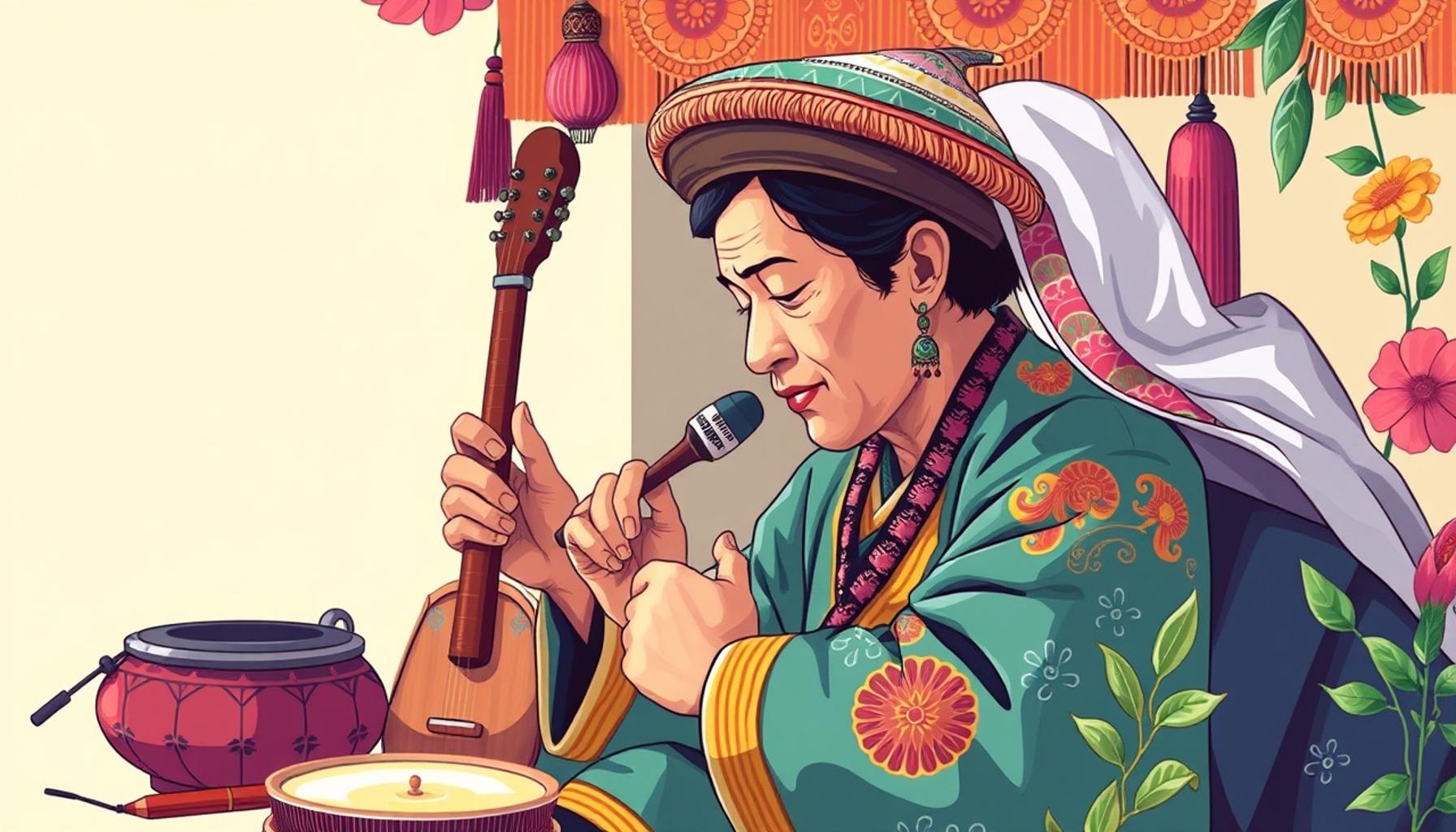
Traditional music plays a crucial role in reflecting the unique identities of communities worldwide. For many, it serves as a living archive, preserving stories, values, and emotions that transcend generations. From folk songs to indigenous compositions, the sounds echo tales of ancestry and tradition. Across various cultures, music acts as a powerful tool that intertwines with daily life, celebrations, and rituals, encapsulating the essence of different societies.
The following aspects highlight the significance of traditional music:
- Connection to History: Traditional music often includes historical narratives, providing insights into a culture’s past. For instance, the Appalachian folk songs tell stories of early settlers and their struggles, while Native American music reflects the rich traditions of indigenous peoples, including themes of nature, spirituality, and community.
- Cultural Identity: It fosters a sense of belonging and pride among community members. For example, the vibrant sounds of mariachi in Mexican culture and blues in African American communities create a musical bond that reinforces shared experiences and collective memory.
- Creative Expression: Artists use traditional forms to innovate, blending old themes with modern influences. Many contemporary musicians, like Béla Fleck, explore traditional bluegrass while incorporating elements of jazz and classical music, demonstrating that tradition is not static but a dynamic expression of culture.
In the United States, traditional genres such as bluegrass, jazz, and Native American music enrich the nation’s cultural tapestry. These genres not only entertain but also educate listeners about the diverse heritages that exist within the country. For example, jazz, with its roots in African American culture, not only reflects the historical struggle for civil rights but also showcases improvisation and creativity, making it a profound form of artistic expression.
However, as globalization threatens local traditions, the preservation of traditional music becomes more vital than ever. The disappearance of unique musical forms could lead to a loss of cultural identity. Organizations and festivals dedicated to celebrating and preserving traditional music, like the Smithsonian Folklife Festival, play a critical role in this process, bringing together artists and audiences to engage with their cultural legacies.
As we delve deeper into this topic, we explore the various ways traditional music acts as a cornerstone of cultural preservation. By examining the connections between music and history, identity, and creative expression, we uncover the captivating dynamics of heritage expressed through the universal language of sound. This exploration reveals not only what makes these musical traditions unique but also how they continue to evolve, reminding us that our cultural heritage is both a connection to the past and a vibrant part of our present.
Traditional Music as a Keeper of History
When we listen to traditional music, we engage with a rich tapestry of history embedded in each note and lyric. Traditional music serves as a time capsule, allowing communities to recount their journeys, struggles, and triumphs through the ages. This is particularly evident in the musical traditions of the United States, where forms such as bluegrass, jazz, and folk hold profound historical significance. These genres often narrate the experiences of marginalized groups, reflecting the complex sociopolitical landscape of their times.
For instance, songs originating from the African American experience, like those found in spirituals and the blues, provide powerful testimonies of resilience and hope amidst adversity. The lyrics often tell personal stories that resonate with collective memory, effectively connecting generations and preserving a narrative that might otherwise fade into obscurity.
Impact on Community and Identity
The cultural significance of traditional music extends beyond mere historical documentation; it strengthens community bonds and cultivates a sense of identity among its members. In many societies, traditional music accompanies significant occasions such as weddings, festivals, or rites of passage, acting as a social lubricant that brings individuals together. For instance, the lively sounds of a Cajun zydeco celebration in Louisiana not only entertain but also fortify local identity through shared cultural practices.
This interplay between music and community is crucial. Traditional music fosters a sense of belonging, particularly for younger generations who may feel disconnected from their heritage. By engaging with traditional music, individuals learn about their roots, gaining insights into their ancestors’ values and traditions. This passing down of knowledge helps to maintain cultural continuity, ensuring that the essence of the community does not diminish over time.
The Evolution of Traditional Music
As we consider the preservation of traditional music, it is important to acknowledge how these forms are not static; they evolve and adapt to contemporary contexts. Today’s artists often blend traditional elements with modern influences, creating innovative sounds that resonate with broader audiences while still honoring their cultural legacies. For example, the band The Avett Brothers incorporates elements of traditional folk with mainstream rock, engaging new listeners while upholding the country’s musical heritage. This dynamic fusion demonstrates that traditional music can remain relevant and vibrant, illustrating the ongoing dialogue between past and present.
Preserving traditional music does not mean safeguarding it in its original form; instead, it encourages the reinterpretation of cultural legacies, ensuring that they adapt while maintaining their core significance. Through festivals, workshops, and collaborations, communities can foster this creative expression, allowing traditional music to thrive in contemporary society and inspiring new generations to connect with their heritage in fresh and exciting ways.
| Advantage | Description |
|---|---|
| Cultural Identity | Traditional music serves as a powerful medium for expressing and preserving cultural identity, fostering a sense of belonging among community members. |
| Educational Value | Participating in traditional music activities can enhance cross-generational knowledge transfer, providing younger generations with insights into their history and heritage. |
The intricate relationship between traditional music and cultural identity cannot be overstated. As communities face the challenges of globalization, traditional music stands as a bastion of unique cultural expressions that characterize diverse groups worldwide. It acts as a stronghold for beliefs, values, stories, and historical contexts, often encapsulated in melodies that resonate through generations. Furthermore, traditional music provides significant educational value, as it offers immersive learning experiences. Engaging with local tunes and rhythms instills appreciation and understanding among young individuals, bridging the gap between old and new. Mastering traditional instruments, participating in local dance forms, or learning lyrical heritage not only enriches personal knowledge but also fortifies the community’s shared cultural narratives. Exploring these themes encourages deeper inquiries into the ways traditional music continues to shape identities and community solidarity, inviting further exploration into the connections that bind cultural heritage with creative expressions.
The Role of Traditional Music in Artistic Expression
Traditional music serves not just as a medium for preserving heritage, but as a vital platform for artistic expression. By providing a canvas for storytelling, traditional music allows artists to convey emotions, experiences, and ideas that resonate deeply with their audience. This emotive power often stems from the cultural contexts in which these musical forms are rooted. For example, Native American powwow music employs a variety of instruments, rhythms, and vocal styles that not only entertain but also honor the traditions and stories of tribal ancestors.
The integration of traditional music into contemporary art forms also fosters a creative dialogue that honors the past while exploring modern themes. In cities like New Orleans, the vibrant blend of jazz with traditional African rhythms reflects both a celebration of cultural heritage and an evolution of its expression. Renowned artist Trombone Shorty creatively merges jazz, funk, and hip-hop, demonstrating how traditional forms can inspire new genres and artistic movements.
Educational Impact and Cultural Transmission
Another essential aspect of traditional music’s cultural significance lies in its role in education and cultural transmission. Many communities are embracing the teaching of traditional music to younger generations, not only to foster skill development but also to instill a sense of pride in their cultural identity. Programs such as the Smithsonian Folkways Recordings provide resources for schools and organizations to promote traditional music education across the United States, allowing children to learn about their heritage through hands-on experiences.
Moreover, initiatives like the National Endowment for the Arts’ «American Folk Festivals» aim to provide platforms for traditional musicians, ensuring that their art continues to inspire new viewers and listeners. These festivals create opportunities for cultural exchange, allowing participants from diverse backgrounds to share stories and songs, fostering a deeper understanding of one another’s heritage.
Preserving Traditional Music in the Digital Age
In an increasingly digital world, traditional music is not only surviving but thriving, thanks to modern technology. Social media platforms, streaming services, and online tutorials have made traditional music more accessible than ever before. Musicians can reach global audiences, share their work, and engage with fans like never before. For instance, artists from various backgrounds now use platforms like YouTube and TikTok to showcase their skills, often blending traditional melodies with contemporary influences.
These digital avenues offer a unique opportunity to archive and preserve traditional music while simultaneously prompting discussions about cultural representation and authenticity. As new artists reinterpret traditional sounds, they can draw on the vast resources of history documented online, allowing for deeper exploration of their cultural roots while creating innovative work that speaks to modern audiences.
However, the digital landscape is a double-edged sword. The accessibility of traditional music raises questions about ownership, appropriation, and authenticity. Communities must navigate these complexities carefully, ensuring they maintain control over the narratives that define their cultural expressions while engaging with a wider world. This balancing act is critical for the ongoing vitality of traditional music in the United States, guaranteeing that it remains a vital component of cultural legacy and identity.
Conclusion
In reflecting on the cultural significance of traditional music, it becomes evident that this artistic form serves as a vital thread in the fabric of our heritage. It is not merely a collection of sounds but a profound expression of identity, history, and creativity that transcends generations. Traditional music embodies the stories, struggles, and celebrations of distinct cultures, making it an essential medium for preserving and transmitting cultural values.
As we have explored, traditional music provides a powerful platform for artists to share their emotional landscapes and connect with audiences on a deeper level. Initiatives aimed at fostering traditional music education ensure that younger generations gain a sense of pride in their cultural roots, creating a cycle of appreciation that keeps these traditions alive. Furthermore, the integration of technology in the digital age enhances the accessibility of traditional music, prompting innovative interpretations that resonate with contemporary audiences while maintaining authenticity.
It is crucial, however, for communities to navigate the complexities of cultural representation and ownership in this digital landscape. By doing so, they can protect the rich tapestry of their musical heritage while engaging with a global audience. In conclusion, supporting and celebrating traditional music is imperative to ensure that it continues to function as a bridge between the past and the future, enriching the cultural narrative of the United States and beyond. By embracing our heritage through creative expression, we contribute to a diverse cultural landscape that honors the voices of those who came before us, paving the way for future generations to find their own musical paths.