The Therapeutic Benefits of Learning a Musical Instrument as a Creative Hobby
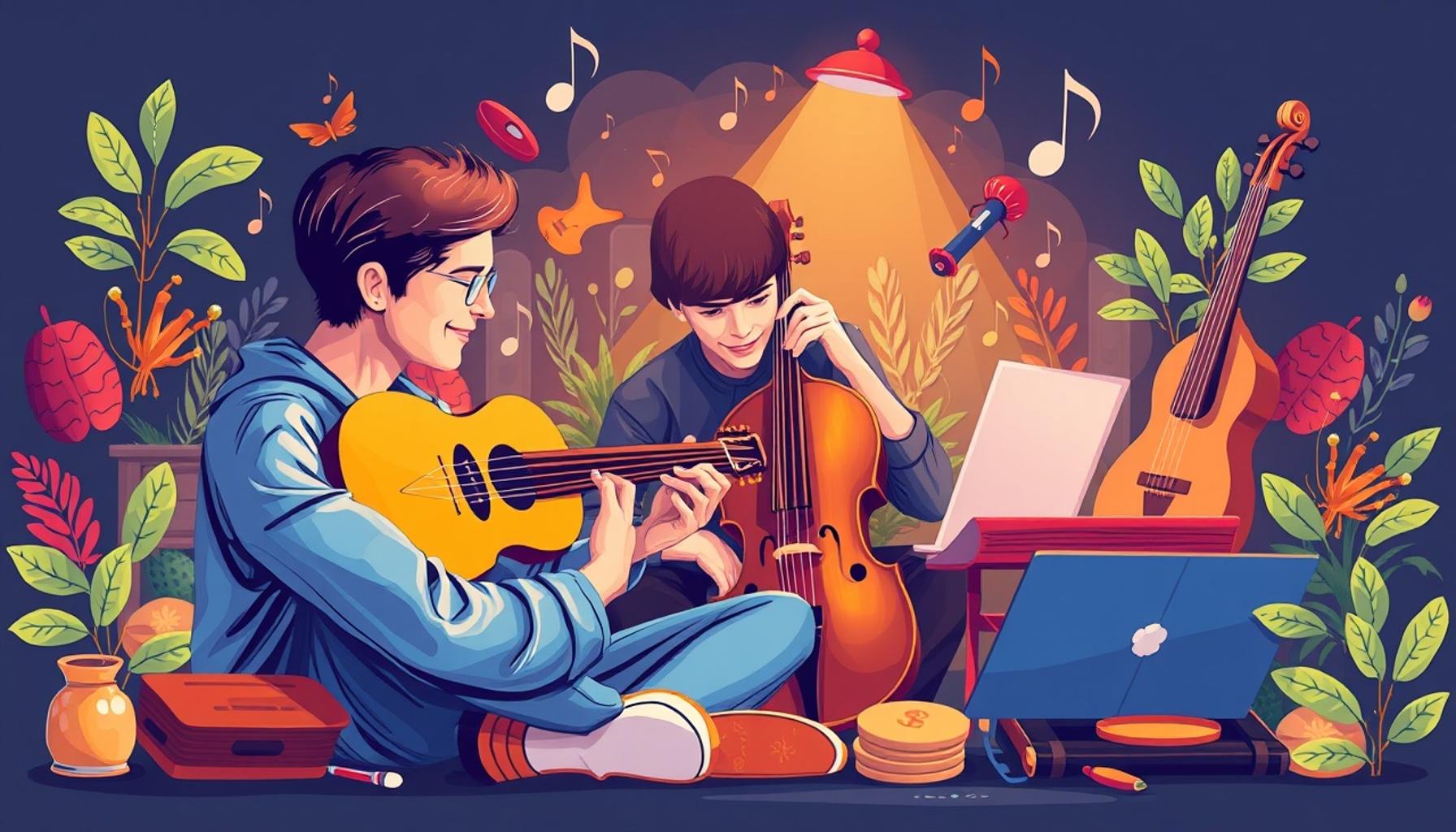
Your Personal Journey with Music
Engaging with music transcends mere pleasure; it intricately weaves itself into the fabric of our mental and emotional well-being. For individuals exploring the world of music, learning to play an instrument presents a unique form of therapy that benefits both mind and body. This creative pursuit not only yields profound personal satisfaction but also promotes holistic wellness. Let’s delve into the remarkable benefits that arise from this enriching hobby.
- Stress Relief: Playing an instrument is akin to a therapeutic release, acting as a powerful antidote to stress. Research indicates that musical activities can significantly lower cortisol levels, the hormone associated with stress. For example, strumming a guitar or playing a soothing melody on a piano can help individuals unwind after a long day, providing a safe harbor from the pressures of everyday life.
- Enhanced Cognition: Engaging with music richly stimulates cognitive functions. Studies have shown that learning music improves both memory and focus by fostering neuroplasticity—the brain’s ability to reorganize itself. Those who practice regularly may find that their problem-solving skills and critical thinking abilities are enhanced, benefiting not only their musical endeavors but also various aspects of academic and professional life.
- Emotional Expression: Music serves as a powerful medium for emotional expression. For many, playing an instrument becomes a vital outlet to convey feelings that may otherwise be difficult to articulate. Whether it’s channeling joy or processing grief, instruments allow individuals to express a full spectrum of emotions, aiding in emotional regulation and overall mental health.
- Social Connections: The communal aspect of music cannot be overstated. Engaging in group lessons, joining bands, or participating in local music events fosters friendships and builds a sense of belonging. Studies suggest that individuals involved in musical groups often experience decreased feelings of isolation, enhancing their social networks and providing valuable emotional support.
For many, the journey of mastering an instrument unlocks new experiences and opportunities for personal growth. Whether you’re strumming a guitar, playing the flute, or tickling the ivories on a piano, the therapeutic effects of music can lead to improved mental health and strengthened emotional resilience. Indeed, discovering how music interacts with our emotional landscape is an enthralling journey that is worthy of exploration.
As the rhythm flows through your hands, it can turn stress into creative expression and solitude into a shared experience. The art of music-making fosters not only individual healing but also cultivates a deeper appreciation for human connection, paving the way for a more enriching life.
The Healing Power of Music
Learning to play a musical instrument serves as a powerful mechanism for emotional and psychological well-being. As individuals navigate the complexities of life, the act of creating music can evoke a profound sense of peace and fulfillment. The therapeutic benefits of music are backed by extensive research, highlighting how this creative pursuit can positively influence mental health.
Stress Relief is one of the most widely acknowledged advantages of engaging with a musical instrument. When individuals immerse themselves in music, they often experience a temporary escape from daily stressors. A study conducted by the University of Oxford found that participants who played an instrument reported feeling significantly less stressed and more at ease than those who did not engage in musical activities. Whether it’s the rhythmic strumming of a guitar or the gentle melodies produced by a violin, these acts of creation work to lower cortisol levels, effectively diminishing the body’s stress response.
Another notable benefit is the enhancement of cognitive abilities. Studies have indicated that learning an instrument can fortify brain function, leading to improved memory and concentration. Neuroscientists suggest that the process of reading music, coordinating movements, and analyzing sounds effectively engages multiple areas of the brain. This multi-faceted engagement helps promote neuroplasticity, enabling the brain to adapt and grow. Practicing an instrument regularly, particularly during childhood, has links to better academic performance, particularly in subjects like mathematics and language arts.
Learning an instrument is also an extraordinary avenue for emotional expression. For many, it offers a channel through which to communicate feelings that may be overwhelming or difficult to articulate. A simple chord progression on the piano can encapsulate turmoil, while a lively guitar riff might express joy. This form of expression can aid in processing emotions, promoting emotional regulation. Therapists often incorporate music into their practices, recognizing its potential to heal emotional wounds and facilitate conversations that might otherwise remain unspoken.
- Improved Focus: Regular practice requires intense concentration, which translates into improved focus in daily life.
- Boosted Self-Confidence: As proficiency grows, so does self-assurance, fostering a sense of accomplishment and pride.
- Sense of Achievement: Mastering a piece of music provides a gratifying sense of achievement, reinforcing dedication and discipline.
Moreover, the social connections forged through music cannot be underestimated. Joining a band or participating in group lessons opens doors to friendships and a sense of community. Embracing music as a collaborative activity can lead to shared experiences that further augment wellness, effectively reducing feelings of loneliness and isolation. Engaging with others in a musical setting nurtures not only the individual but the community, creating bonds that enrich lives.
Embracing the journey of learning an instrument is not just about creating harmony; it is about discovering paths toward better mental health and emotional intelligence. Through musical engagement, individuals can unlock windows of self-discovery and rejuvenate their zest for life, presenting a truly transformative experience that extends far beyond notes and rhythms.
The Therapeutic Benefits of Learning a Musical Instrument as a Creative Hobby
As we delve deeper into the subject of musical instruments and their therapeutic impacts, it’s essential to emphasize how these activities foster emotional well-being. Engaging in music not only provides a creative outlet but also enhances cognitive functions. Research indicates that learning an instrument can improve memory, problem-solving skills, and mathematical skills. This cognitive engagement aids in developing a strong sense of discipline and perseverance among learners.
The Role of Music in Stress Relief
Playing a musical instrument can serve as a powerful stress reliever. When individuals immerse themselves in melody, they often experience a reduction in anxiety levels. Music has a unique ability to soothe the mind, bringing relaxation and a sense of calmness. The focused attention required while playing helps divert thoughts from daily stressors, thereby cultivating a meditative state. Furthermore, studies have shown that learning to play music can lower cortisol levels, contributing to overall mental health.
Building a Community Through Music
Additionally, learning a musical instrument can foster social connections. Joining a band, taking group classes, or participating in community music events not only enhances musical skills but also encourages interaction with others who share similar interests. This sense of community can further strengthen mental resilience and provide emotional support. Sharing music with friends, family, or fellow musicians creates bonds that can last a lifetime.
| Benefit Category | Description |
|---|---|
| Emotional Well-being | Helps in reducing anxiety and promoting relaxation through music. |
| Cognitive Benefits | Improves memory, problem solving, and discipline while learning an instrument. |
| Social Interaction | Creates community connections and promotes teamwork through music-related activities. |
| Creative Expression | Provides a platform for self-expression and exploring new ideas through creativity. |
Beyond the immediate advantages, the journey of learning a musical instrument can contribute significantly to lifelong skill development, enhancing both personal and professional growth. The intertwining of creativity, emotional stability, and cognitive improvement fosters a richer, more fulfilling life experience. As we continue to investigate the multifaceted nature of music and its benefits, the potential for growth and healing through this art form becomes ever more profound.
Social and Neurological Benefits of Musical Engagement
In addition to the mental and emotional benefits of learning a musical instrument, there are significant social benefits that contribute to overall well-being. Engaging in musical activities often fosters collaboration and teamwork. This is particularly evident in settings such as school bands, orchestras, or even casual jam sessions in living rooms across America. Through these shared experiences, individuals develop a sense of camaraderie and belonging. The process of making music together enhances interpersonal skills, such as communication and empathy, which can translate into improved relationships outside of music. A survey conducted by the American Music Therapy Association revealed that 70% of participants felt more socially connected after engaging with music in group settings.
Moreover, learning music can also promote cognitive development well into adulthood. Research indicates that musicians show heightened abilities in verbal memory, spatial awareness, and literacy skills compared to non-musicians. A fascinating study from the University of Zurich highlighted that adults who played an instrument encountered significant improvements in working memory and executive functioning—abilities crucial for problem-solving and decision-making. For adults navigating complex careers or life decisions, these cognitive enhancements can offer practical advantages that extend beyond personal satisfaction in learning music.
Furthermore, regular musical practice has substantial implications for mental aging. Engaging with musical instruments may help stave off cognitive decline as individuals age. Research conducted by the University of California, Los Angeles, showed that older adults who played instruments exhibited better cognitive control and improved reaction times compared to their peers who did not play music. This suggests that musical engagement could act as a protective factor against age-related cognitive deterioration. The act of learning new music, in particular, requires a degree of mental flexibility that keeps the brain active and engaged, fostering lifelong learning and adaptation.
Fine motor skills stand as another captivating aspect of learning a musical instrument. The intricate movements required for playing can significantly enhance dexterity and coordination. Children who learn instruments like the cello or piano often develop better hand-eye coordination and fine motor skills, which can benefit their academic pursuits as well. A study published in the journal “Psychology of Music” demonstrated that children who participated in musical training showed improved motor skills compared to their peers. These enhancements in coordination can have lasting effects, aiding skills as varied as handwriting and even typing as the individual matures into adulthood.
Lastly, the healing properties of music extend into the realm of clinical therapy. Music therapy is increasingly recognized in various healthcare settings, aiding those with mental illness, neurodegenerative disorders, and trauma. Trained music therapists employ instruments and music-making as tools for healing, providing patients with an outlet for expressing emotions and reducing anxiety. Veterans working through PTSD, for example, have found solace in music, using it as a medium to articulate their experiences and emotions in safe, therapeutic environments.
Clearly, learning a musical instrument is not just an artistic endeavor; it is a multifaceted pursuit that enriches life experiences on numerous levels. Through the creation of music, individuals explore social connections, enhance cognitive functions, and unlock new paths toward emotional recovery and personal growth.
Conclusion: Embracing the Healing Power of Music
In summary, the therapeutic benefits of learning a musical instrument as a creative hobby extend far beyond mere entertainment. This enriching pursuit provides a unique blend of emotional healing, social connectivity, and cognitive enhancement, all of which contribute to a fulfilled and balanced life. As explored, engaging with music fosters a sense of belonging and improves interpersonal relationships while simultaneously enhancing essential cognitive skills vital for navigating the complexities of modern life.
The captivating realm of music not only cultivates fine motor skills and creative expression but also serves as a powerful tool in clinical settings, offering significant relief for individuals facing a myriad of psychological and emotional challenges. From veterans dealing with PTSD to the elderly combating cognitive decline, the effects of musical engagement can be profound, making it an invaluable component of holistic wellness.
As we continue to uncover the extensive benefits that music brings to our lives, it becomes increasingly evident that pursuing a musical instrument can be a transformative experience. Whether you are picking up a guitar for the first time or reigniting your passion for the piano, embracing music as a creative hobby can promote lifelong learning and resilience. Thus, it is never too late to embark on this journey; millions have already unlocked the extraordinary potential of music in their lives, and so can you.
Consider taking the next step—explore local classes, seek out community groups, or even start online tutorials. The gift of music awaits those willing to embrace its many therapeutic benefits.