
Ethnic Craftsmanship: Exploring Cultures Through Creative Projects
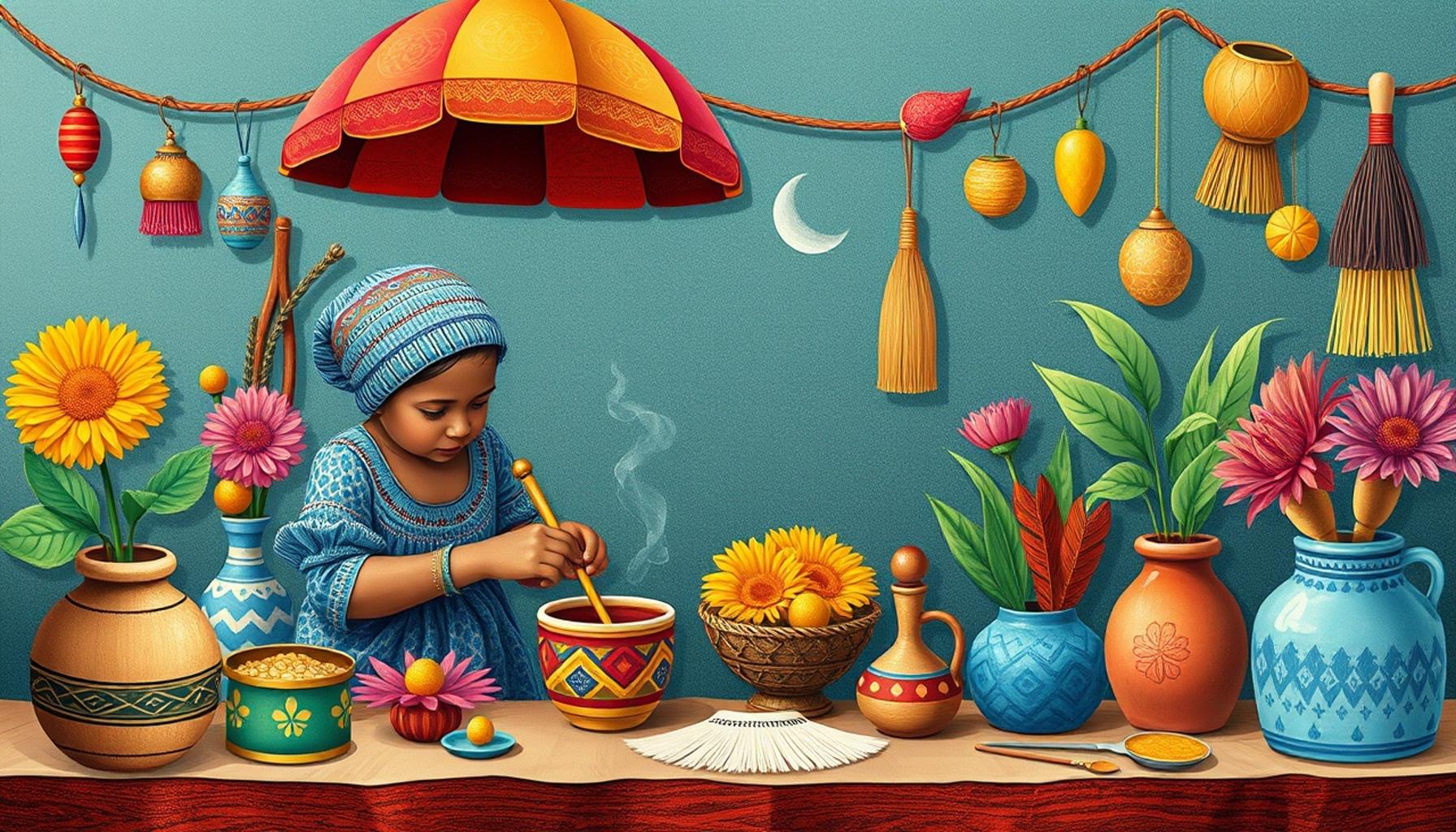
The Significance of Ethnic Craftsmanship in a Global Context
Across borders and oceans, ethnic craftsmanship serves as a vibrant tapestry illustrating the rich heritage of diverse cultures. Through intricate designs and unique techniques, artisans express their identity, traditions, and history, providing a window into their world. Each handcrafted item encapsulates stories, reflecting the ideals, struggles, and nuances of the community behind it.
Engaging with these creative projects allows enthusiasts to:
- Understand cultural significance and symbolism, such as the intricate patterns of African kente cloth that signify social status and historical narratives.
- Appreciate traditional methods passed down through generations, like the Japanese art of indigo dyeing, which utilizes age-old techniques to create stunning textile patterns.
- Support artisans from underrepresented communities, for instance, purchasing handmade items from Indigenous peoples of the Americas can provide them with a sustainable income and a platform to showcase their culture.
From the delicate beadwork of Native American tribes to the vibrant textiles of Central and South America, every crafted piece tells a unique story. For example, the Navajo weavings not only showcase extraordinary skill but also serve to preserve cultural narratives and festivals, indicating an artisan’s connection to the land and heritage. Moreover, the method of creating these artworks often highlights the community’s resilience and resourcefulness as they adapt to contemporary challenges while keeping traditions alive.
By integrating these artistic practices into your own projects, you can:
- Explore global traditions from your home, such as trying your hand at macramé, a technique with roots in Middle Eastern craftsmanship that has found a modern audience.
- Inspire creativity in your community by organizing workshops that focus on ethnic crafts, encouraging participants to learn about and work on traditional techniques.
- Foster connections through shared experiences, as collaborative projects that involve ethnic crafts can strengthen relationships and promote mutual understanding among diverse groups.
This exploration of ethnic craftsmanship encourages a deeper appreciation for cultures around the world. Crafting pieces inspired by various traditions ignites a sense of respect and curiosity about different lifestyles and histories. Moreover, through our creative endeavors, we can bridge cultural gaps, celebrate diversity, and embrace the rich narratives waiting to be told through the hands of talented artisans. By investing in these crafts, we not only uplift individual artisans but also contribute to the preservation of invaluable cultural heritage, ensuring that these stories continue to resonate for generations to come.
Rediscovering Traditional Techniques: A Journey Through Creative Projects
As we delve into the world of ethnic craftsmanship, we uncover various traditional techniques that have withstood the test of time, each intertwined with the culture and stories of its people. These crafts, steeped in history and symbolism, not only serve as artistic expressions but also play a crucial role in cultural preservation. Engaging with these practices through creative projects can transform our understanding of the world and connect us to distant cultures.
One prominent example of this is the art of pottery, which remains a significant facet of Indigenous culture in North America. The Pueblo peoples, for instance, are known for their finely detailed pottery, characterized by intricate painted designs that often depict their surroundings, traditions, and spiritual beliefs. This artistry communicates not just the beauty of the objects but also the community’s deep connections to their environment and ancestral heritage. When you embark on a pottery project inspired by these traditional methods, you not only develop your skills but immerse yourself in the rich narratives behind each piece.
Moreover, the techniques of weaving and textile production present compelling opportunities for creativity and exploration. For instance, the intricate methods of Guatemalan backstrap weaving incorporate vibrant colors and patterns that hold deep meanings. Each design may symbolize different aspects of life, from agricultural cycles to personal milestones. By attempting your own backstrap weaving project, you can gain insight into the cultural significance of these patterns while honoring the legacy of artisans from these communities. This hands-on experience not only educates you about the craft but also fosters a deep-seated respect for the artisans dedicated to keeping these traditions alive.
Ethnic craftsmanship often reflects the values and beliefs of a culture, and engaging with these practices can inspire both individuals and groups alike. Here are a few ways to explore and appreciate ethnic crafts through creative projects:
- Participate in local workshops that focus on specific ethnic crafts, such as African beadwork or East Asian paper cutting. These hands-on experiences can provide valuable insights into the techniques and cultural contexts.
- Create a themed craft night where friends can gather to explore different ethnic crafts together, sharing knowledge and learning about the stories behind each art form. Such events can encourage dialogue and cultural exchange.
- Incorporate elements of ethnic crafts into your personal projects, such as using African patterns in your home decor or creating handmade gifts inspired by Mexican folk art. This not only enriches your work but also promotes awareness and appreciation of diverse cultures.
As you engage with these ethnic craft techniques, consider them not merely as art forms but as living expressions of culture. Each creation is a poignant reminder of the rich histories, challenges, and triumphs that shape the communities who produce them. By investing both time and creativity into these projects, we help to elevate the voices of artisans worldwide, ensuring that their stories continue to resonate in our increasingly interconnected society.
| Category | Description |
|---|---|
| Cultural Heritage | Ethnic craftsmanship preserves traditional techniques and stories, providing insights into cultural identity. |
| Creative Expression | Engaging in these projects fosters creativity and encourages individuals to explore their artistic talents. |
Exploring ethnic craftsmanship through creative projects is an enlightening journey that not only enriches our understanding of various cultures but also promotes community engagement and appreciation of diversity. Each craft tells a story, whether it’s through intricate textile designs, pottery, or woodwork. The process of creating allows individuals to connect on a deeper level with these traditions, making them more than just art forms; they become vessels of heritage.Moreover, these projects create an avenue for learning and dialogue. Participants can discover the history and significance behind each technique, offering a more profound respect for the artisans and their cultural narratives. As people engage with tools and materials, they often find themselves reflecting on their own identities and cultures, thus intertwining their stories with those of others.
The Role of Cultural Exchange in Craftsmanship
Ethnic craftsmanship holds a unique power in that it transcends geographical barriers and fosters cultural exchange. As artisans from various backgrounds share their techniques and stories, a rich tapestry of collaboration emerges. This blending of ideas invites not only the appreciation of diversity but also encourages the creation of innovative projects that may not have been possible within the confines of a single tradition.
For instance, the fusion of African textile patterns with contemporary design has opened doors to new styles in fashion and home décor. Designers like Kimada K. O. Mpondo and Rihanna’s Fenty brand have embraced these vibrant prints, showcasing the beauty of ethnic craftsmanship in modern contexts. By incorporating such elements into their work, they not only bring visibility to these traditions but also create a dialogue that emphasizes the interconnectedness of global culture. As individuals engage in projects that merge different cultural crafts, they help cultivate a greater understanding of the historical journeys that have brought these elements together.
Furthermore, technology plays an increasingly vital role in the evolution of ethnic craftsmanship. Digital platforms enable artisans to connect with global audiences, showcasing their work and preserving their cultural heritage. For example, social media outlets like Instagram have allowed craftspeople from remote villages to establish an online presence, attracting interest and support from art enthusiasts, collectors, and fellow artisans alike. This newfound visibility can be particularly transformative for communities in developing countries, where the craftsman can not only market their creations but also share insights into their practices through online tutorials and workshops.
To fully immerse oneself in the practice of ethnic craftsmanship, consider exploring the world of cultural festivals and art fairs. Events such as the Smithsonian Folklife Festival in Washington, D.C., celebrate the vibrancy and diversity of cultural expressions, highlighting artisans from around the globe. Attending such festivals not only provides inspiration for local projects but also instills a deeper understanding of the context behind various crafts. By supporting artisans at these events, you participate directly in the preservation of cultural practices, ensuring their survival for future generations.
Educational institutions also play a key role in promoting ethnic craftsmanship. Universities and art schools across the United States are increasingly incorporating socially engaged art programs focused on cultural sustainability. Such programs often invite artists from diverse backgrounds to give workshops, discuss their craft, and share their perspectives. As students and community members participate in these activities, they gain practical experience while fostering relationships that encourage ongoing exploration of ethnic craftsmanship.
Whether through workshops, events, or collaborations that blend various cultural influences, the journey into ethnic craftsmanship is rich and diverse. The creative projects inspired by these traditions serve not only to beautify our surroundings but also to celebrate the stories of the artisans whose talents have shaped our global landscape. By embracing the essence of cultural exchange embedded within ethnic craftsmanship, we can begin to build a more inclusive and understanding world—one creative project at a time.
Conclusion: The Future of Ethnic Craftsmanship
As we delve into the vibrant world of ethnic craftsmanship, it becomes clear that these artistic practices extend far beyond mere aesthetics; they serve as vital conduits for understanding diverse cultures and histories. Through creative projects that blend traditional techniques with contemporary innovation, we embark on journeys that foster appreciation, understanding, and mutual respect among global communities. The stories embedded within each craft are testament to the resilience and ingenuity of artisans who navigate the complexities of cultural heritage.
The role of cultural exchange in enriching ethnic craftsmanship cannot be overstated. It inspires local creators to explore new dimensions of expression while paying homage to their roots. This engagement is crucial in today’s interconnected world, where the appreciation of cultural diversity can help counteract the forces of homogenization. Moreover, as technology reshapes the landscape of artisanal work, it provides unprecedented opportunities for artists to showcase their crafts and connect with audiences worldwide, thus ensuring that cherished traditions remain alive and relevant.
In conclusion, whether you are an artist, enthusiast, or simply a curious observer, embracing the power of ethnic craftsmanship is an invitation to elevate your awareness and ignite your creativity. By participating in workshops, attending festivals, or simply exploring different ethnic crafts, you contribute to the rich dialogue that shapes our collective understanding of cultural heritage. Let us celebrate the beauty and significance of ethnic craftsmanship—not just as a series of unique projects but as essential threads in the fabric of our shared human experience.