The Role of Crafts in Stress Reduction: Creating Moments of Relaxation
The Importance of Crafting for Stress Relief
In a world filled with deadlines, responsibilities, and an ever-growing to-do list, the need for stress relief has never been more pronounced. Many individuals experience the negative impacts of chronic stress, which can affect both mental and physical health. Engaging in hands-on activities, specifically through crafts, has emerged as a powerful antidote for stress relief.
Mindfulness is a key benefit of crafting. When individuals immerse themselves in creative projects, they often find a flow state where their thoughts revolve solely around the task at hand. This singular focus helps divert attention away from daily worries, allowing artisans to immerse themselves in the rhythm of their actions—whether it’s knitting a scarf, painting a canvas, or assembling a handmade scrapbook. For example, a recent study published in the Journal of Health Psychology showed that participants who engaged in craft activities reported significantly lower levels of anxiety compared to those who did not partake in such activities, showcasing the therapeutic benefits of creative expression.
Moreover, the sensory engagement that crafting provides cannot be overlooked. The act of manipulating materials—touching, folding, and creating—stimulates the brain’s sensory pathways. This tactile experience can be incredibly soothing. Imagine the calming sensation of molding clay or the satisfying crunch of paper as you cut shapes for a collage. Different crafts engage different senses, which can lead to a heightened state of relaxation. Continued practice in crafting can also train the brain to associate specific materials and tools with a state of calm, further enhancing relaxation over time.
Creativity plays an essential role in stress relief as well. Crafting offers a medium for self-expression, allowing individuals to convey emotions and experiences that may be difficult to verbalize. Completing a project often brings a sense of accomplishment, which can significantly boost self-esteem. For instance, programs such as “Craft for a Cause” not only help individuals channel their creativity but also connect them with a greater purpose by creating items for charities, such as comfort blankets for children in need. This dual benefit of personal satisfaction and community engagement fosters a sense of belonging and promotes an overall positive mental state.
The positive impact of crafting on mental health is supported by ample research. Studies have shown that regular engagement in creative activities can decrease cortisol levels, which is a hormone closely linked to stress. Additionally, increased participation in crafts has been shown to enhance mood and overall life satisfaction. Social crafting activities, such as knitting circles or community art classes, can further amplify these benefits by providing a sense of connection and camaraderie among participants, reinforcing the notion that individuals are not alone in their struggles.
Integrating crafting into your daily routine can transform how you cope with stress and unwind. With a wealth of resources available—from online tutorials to local workshops—there has never been a better time to explore various crafts. Whether you choose to knit, paint, scrapbook, or engage in woodworking, the journey into the world of crafting offers not just creative output but also serves as a sanctuary for mental wellness amidst life’s chaos. By fostering your creative side, you are investing in your mental health and discovering a profound method for relaxation.
Crafting as a Pathway to Mindfulness
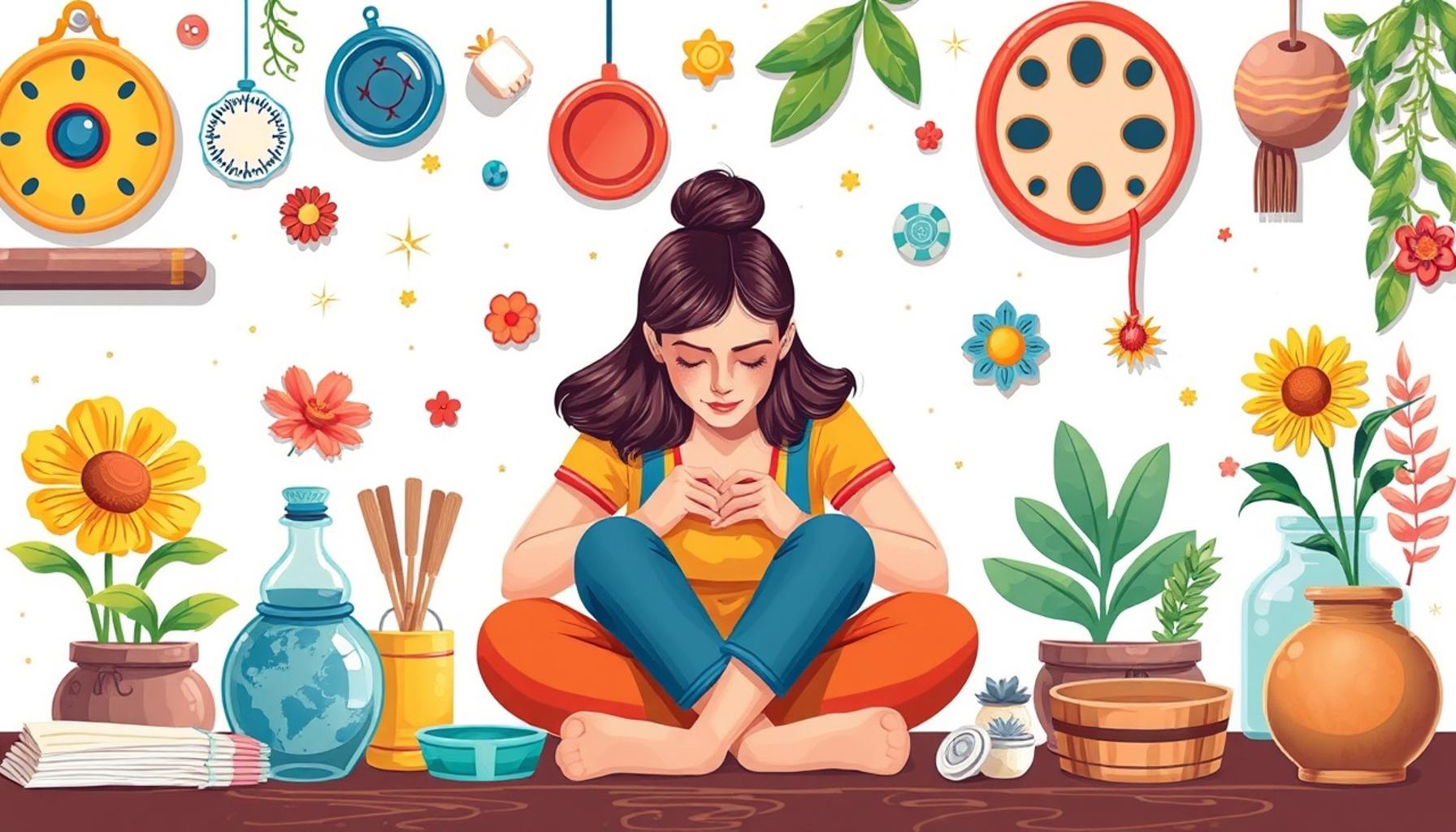
Crafting offers a unique opportunity to embrace mindfulness, a practice that encourages individuals to focus on the present moment. As many craft makers can attest, isolating oneself with materials and tools can create a meditative atmosphere that allows distractions to fade away. The repetitive motions involved in common crafts—from the rhythmic knitting of yarn to the precise strokes of a paintbrush—invite a state of serenity. This mindfulness aspect has been backed by studies that indicate creative activities can produce a level of calm comparable to traditional mindfulness practices such as yoga or meditation.
When we engage in crafting, we activate our senses, creating a multisensory experience that enhances relaxation. The sensory engagement encompasses not just the sight of colors and textures but also the sounds associated with different materials. For instance, the vibrant colors of paint shimmering in light can delight the eyes, while the delightful rustle of fabric as it folds can soothe the ears. Engaging with varied media can lead to a therapeutic experience that nourishes the mind while simultaneously providing a joyful outlet for creativity.
The Benefits of Crafting for Stress Relief
Many people may wonder how exactly crafting aids in reducing stress, and the answer lies in several interconnected benefits:
- Reduces Anxiety: Engaging in hands-on crafts can divert focus from anxiety-inducing thoughts, leading to substantial relief.
- Enhances Mood: The sense of accomplishment felt after completing a craft project boosts endorphins, contributing to a more positive outlook.
- Promotes Social Connection: Participating in group crafting activities fosters community, enabling individuals to share experiences and support one another.
- Provides a Space for Expression: Crafting allows individuals to express emotions that may be difficult to articulate, facilitating emotional release and internal processing.
This multidimensional approach to stress relief through crafting is not only rewarding on an individual level but also contributes to a collective sense of community and emotional connection. Programs centered around crafting, such as local art fairs or community workshops, not only engage participants in therapeutic activities but also strengthen community bonds. Many participants leave these gatherings feeling uplifted and connected, reinforcing the evidence that crafting transcends mere hobby status to become a vital tool for mental well-being.
In today’s fast-paced society, where stress is often an unwelcome companion, the arts and crafts offer a transformative way to reclaim peace of mind. As studies consistently reveal the importance of engaging in creative endeavors, the value of incorporating crafting into one’s routine for stress management becomes increasingly apparent. Whether through establishing personal craft time or joining a local crafting group, the opportunities to explore this enriching avenue for relaxation are boundless.
| Category | Description |
|---|---|
| Mindfulness Practices | Crafting encourages mindfulness by keeping individuals focused on the present moment. |
| Physical Benefits | Engaging in crafts promotes fine motor skills and enhances physical well-being, alleviating tension. |
| Creative Outlet | Crafting serves as a fulfilling creative outlet that reduces anxiety and boosts self-esteem. |
| Social Connection | Participating in group crafting activities fosters social connections, which are vital for emotional health. |
Crafting is not merely a hobby; it is a profound way to create moments of relaxation. As individuals immerse themselves in various crafts, they often find their worries fade away. This engagement can release dopamine, a neurotransmitter that contributes to feelings of happiness. Additionally, studies indicate that the act of creating, whether it’s knitting a scarf or assembling a model, has the ability to lower levels of cortisol, the hormone primarily responsible for stress.Among the various types of crafts, each presents unique benefits that cater to different preferences. For instance, those who enjoy painting might find the activity not only soothing but also a means to express emotions that are difficult to articulate in words. Similarly, activities like pottery or woodworking require focus and presence, which can be therapeutic for individuals feeling overwhelmed.By embracing these creative pursuits, individuals can cultivate a sanctuary of calm amidst the chaos of daily life, transforming stress into moments of relaxation and joy. Whether working solo or collaborating with others, the significant impact crafting can have on mental well-being is undeniable.
The Therapeutic Impact of Crafting on Mental Well-Being
The therapeutic impact of crafting extends beyond simple enjoyment; it reaches deep into emotional and psychological wellness. One fascinating aspect is how crafting can be a form of cognitive distraction. According to psychological research, engaging in artistic activities allows the mind to focus on tangible tasks, effectively redirecting attention away from stressful thoughts and daily pressures. When individuals immerse themselves in the creation of something physical, whether it’s handmade jewelry or pottery, the act serves as a cognitive break that calms the mind and reduces the ability to ruminate on stressors.
Moreover, engaging in crafting also provides a significant sense of control, which is particularly valuable in stressful situations. When people feel overwhelmed by external circumstances, crafting offers a rare chance to create something entirely on their terms. This autonomy allows individuals to express their individuality and assert themselves in a world that may feel chaotic. Many craft enthusiasts report that the ability to decide on colors, patterns, and materials in their projects contributes greatly to their sense of empowerment and emotional resilience.
The Science Behind Crafting and Stress Reduction
Numerous scientific studies have illuminated the connection between creativity and stress relief. One notable study from the American Journal of Public Health found that participants who engaged in artistic hobbies experienced a marked decrease in levels of the stress hormone cortisol. Crafting activities, whether alone or with others, have also been shown to improve overall mood and provide a soothing effect similar to that of relaxation techniques such as deep breathing or meditation.
In addition to these cognitive benefits, crafting environments can also enhance mental well-being. Those who participate in workshops, community classes, or online meet-ups often experience the enriching aspect of social interaction during their crafting sessions. The shared experience of creating something together not only fosters friendships but also creates a supportive atmosphere where participants can discuss their challenges and triumphs. The social bonds formed in these settings can lead to a greater sense of belonging and emotional support, reinforcing the healing properties of crafting.
Unique crafting initiatives are popping up across the United States, promoting the concept of art therapy intertwined with crafting. Community centers and mental health organizations are increasingly offering workshops designed to channel creativity into therapeutic avenues. One such initiative is the ‘Craft for Care’ program, where veterans and active military members engage in crafting to process their experiences and build community. Programs like these highlight the potential of creative pursuits to serve as powerful tools in combatting mental health challenges.
As the understanding of the benefits of crafting continues to grow, more people are encouraged to explore their creative sides through various forms of artistic expression. Furthermore, the integration of crafting into wellness programs and therapeutic settings marks a promising direction in mental health treatment, suggesting that anyone can find peace and relaxation through engaging in hands-on, creative projects. This rich field invites individuals to not only explore their artistic abilities but also to discover profound, rewarding ways to unwind and reconnect with themselves amidst the stressors of modern life.
Conclusion
In an increasingly fast-paced world, the practice of crafting emerges as a fundamental tool for stress reduction and emotional well-being. From providing cognitive distraction that shifts focus away from overwhelming thoughts to fostering a sense of control and empowerment, engaging in creative activities presents countless benefits that can profoundly enrich our lives. The therapeutic value of arts and crafts is supported by a growing body of scientific research, which highlights reduced cortisol levels and improved mood associated with artistic expression.
Moreover, the incorporation of community-based crafting initiatives and art therapy programs not only enhances individual health but also builds social ties that can offer much-needed support in our interconnected yet often isolating society. By participating in such environments, individuals can cultivate a sense of belonging, further amplifying the overall impact of crafting on mental health.
As crafting continues to gain recognition as a vital avenue for stress management, it invites us all to explore our creative potential. Whether it is through knitting, painting, or woodworking, the act of making something with our own hands allows for moments of relaxation and personal expression that are crucial in today’s stressful landscape. Thus, embracing the world of crafts not only helps to alleviate stress but also paves the way for a more fulfilling and balanced life. For those seeking peace amidst chaos, exploring crafting could be the transformative journey they need.