Exploring the Psychology of Music: How Creative Hobbies Influence Mental Well-being

The Profound Link Between Music and Mental Health
Music is far more than just a collection of sounds; it serves as a powerful medium that resonates deeply with our emotions and mental health. A growing body of psychological research highlights that engaging with music, either through listening, performing, or even composing, can lead to significant improvements in our emotional and psychological well-being.
To understand this profound connection, consider several key dimensions:
- Emotional Expression: Music acts as a powerful outlet for expressing complex feelings that may be challenging to articulate verbally. For many, listening to a specific genre can evoke a wide array of emotions, from joy to sadness. For instance, a person grieving the loss of a loved one might find solace in melancholic ballads, while an individual celebrating a milestone may turn to upbeat pop songs. Music articulates emotional experiences and helps individuals process and release their feelings.
- Cognitive Benefits: Engaging with music has been shown to stimulate cognitive function significantly. Studies reveal that musicians often exhibit enhanced memory and concentration capabilities compared to non-musicians. The act of reading music, for example, requires complex cognitive processing that involves understanding patterns, memory recall, and even motor skills. Research from institutions like Northwestern University indicates that children who study music experience better academic performance in subjects such as math and language arts.
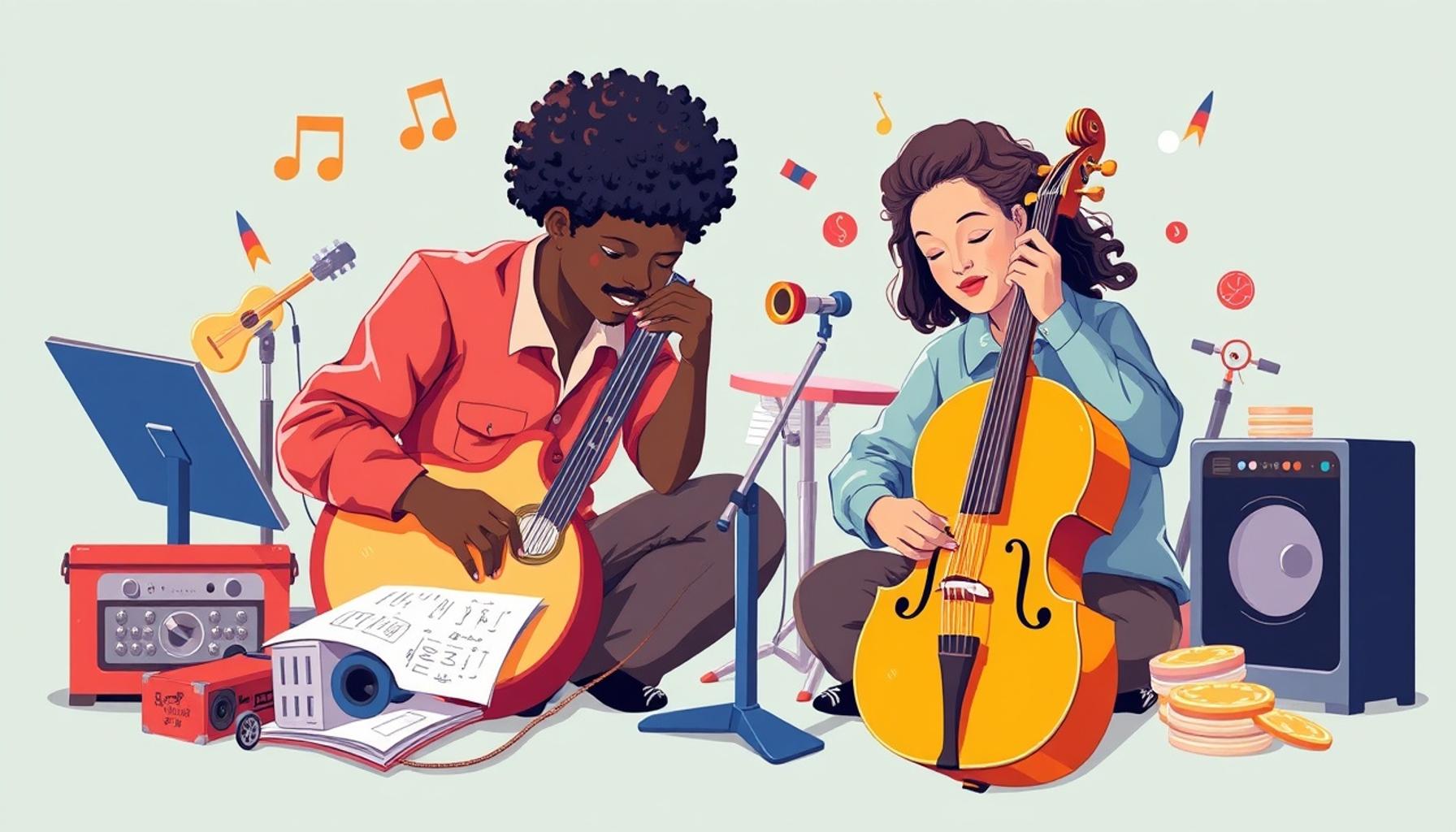
- Community Engagement: Participating in group musical activities, such as playing in a band or joining a choir, fosters immense social connections. These communal experiences create a sense of belonging and help combat feelings of loneliness and isolation. Many adults find that joining a local choir not only enhances their singing skills but also builds meaningful relationships and friendships. In the United States, community music programs are increasingly recognized for their role in enhancing mental health and social cohesion.
Understanding these aspects reveals how creative hobbies, and particularly music, can positively influence mental well-being. Numerous studies support the notion that individuals who actively participate in such musical pursuits report experiencing lower levels of anxiety and depression. For example, a study from the University of Utah found that engaging with music therapy significantly reduced symptoms of anxiety in patients undergoing treatment.
Moreover, the benefits of music extend beyond personal growth; they can elevate overall life satisfaction. Taking the time to engage with music—whether through listening, performing, or creating—can lead to a more fulfilling and enriched life. As we explore the intricate relationship between music and psychology, it becomes evident that these simple, enjoyable activities hold the potential to greatly improve our mental health. Such insights encourage us to recognize the value of music not just as entertainment, but as a vital part of our emotional and psychological toolkit.
Unraveling the Therapeutic Benefits of Music
As we delve deeper into the psychological aspects of music, it becomes clear that the therapeutic benefits of engaging with this art form are vast and multifaceted. Evidence points to the fact that music can serve not just as a source of enjoyment, but also as a crucial element for mental health and well-being. Exploring how music impacts our psyche can illuminate pathways toward enhanced emotional resilience and cognitive function.
Stress Reduction: One of the most remarkable effects of music is its ability to alleviate stress. Scientific studies have shown that listening to calming music can significantly lower levels of the stress hormone cortisol in the body. For instance, a study conducted by the Journal of Music Therapy revealed that participants who listened to soothing classical compositions experienced a substantial decrease in anxiety and heart rate. Engaging with music provides a refuge from daily stressors, allowing individuals to unwind and feel a sense of peace. This simple act of listening can create a meditative environment, vital for maintaining mental health in today’s fast-paced world.
- Enhanced Self-Esteem: Taking up music-related hobbies, such as learning an instrument or singing in a choir, can bolster self-esteem. The sense of accomplishment that comes from mastering a challenging piece of music or performing in front of an audience can boost one’s confidence and self-worth.
- Mindfulness and Focus: Music encourages mindfulness, drawing attention away from intrusive thoughts and promoting focus on the present moment. Engaging with rhythm and melody can help individuals practice being fully present.
- Emotional Resilience: Regularly interacting with music allows individuals to navigate emotional challenges more effectively. By connecting with the emotions portrayed in music, people often learn to confront and process their own feelings in a healthier manner.
Moreover, the significant connection between music and pain management emphasizes its therapeutic prowess. The American Music Therapy Association has documented numerous instances where music therapy has been effectively employed to help individuals cope with chronic pain. Listening to music can distract from physical discomfort, triggering the body’s natural pain-relief responses. In rehabilitative settings, music therapy has been integrated into treatment plans to accelerate emotional healing and provide patients with creative outlets.
As we continue our exploration of music and its psychological impact, it becomes increasingly evident that integrating music into our daily routines can yield significant psychological benefits. The knowledge that music helps to reduce stress, bolster self-esteem, and enhance emotional resilience provides compelling reasons to embrace creative hobbies. In the context of mental health, we can consider music not merely as entertainment, but rather as a vital support system in our journey toward well-being.
Exploring the Connection between Music and Mental Health
Music, a universal language, has long been known for its profound effect on human emotions, serving as a source of inspiration and healing. Numerous studies delve into the psychology of music, revealing critical connections between creative hobbies and improved mental well-being. Engaging in musical activities—whether playing an instrument, composing, or simply listening—can significantly enhance cognitive functions and emotional resilience.
The Therapeutic Benefits of Music
Research highlights the therapeutic potential of music, suggesting that it aids in reducing symptoms of mental health issues such as depression and anxiety. When individuals immerse themselves in musical pursuits, they often experience decreased stress levels and increased feelings of happiness. Moreover, music can act as a creative outlet, offering people the chance to express emotions that may be difficult to articulate through words. This emotional expression is crucial for resolving inner conflicts and promoting overall psychological health.
Social Connections through Musical Engagement
Another fascinating aspect of music’s influence on mental well-being is its ability to foster social connections. Participating in group music-making activities, such as joining a choir or a band, encourages camaraderie and teamwork. These interactions can lead to strengthened social bonds and provide a sense of belonging, which is vital for sustaining mental health. The shared experience of making music can lead to enriching relationships and foster a supportive community that contributes positively to one’s emotional state.
In summary, engaging in creative hobbies like music not only cultivates individual satisfaction but also extends wider benefits to mental health. By exploring these therapeutic avenues further, individuals can harness the power of music to enhance their overall well-being.
| Category | Benefits |
|---|---|
| Improved Emotional Expression | Music provides a safe space for individuals to channel and express their emotions. |
| Strengthened Social Bonds | Engaging in music-related activities fosters a sense of community and belonging. |
The Power of Music in Building Communities
Beyond individual benefits, music also plays a pivotal role in fostering social connections and building communities, which significantly contribute to mental well-being. The act of making music with others—whether in ensembles, bands, or choirs—creates a unique synergy that enhances collective emotional experiences. Engaging in group music-making can help individuals develop crucial social skills, alleviate feelings of loneliness, and cultivate a sense of belonging.
Social Bonding: Participating in musical activities brings people together, creating strong social bonds. A study published in the Psychology of Music journal found that participants involved in group music-making reported increased feelings of social support and connection. Shared musical experiences, such as attending concerts or participating in drumming circles, can indeed lay the groundwork for friendships and lasting relationships. In communities where music is celebrated, the collective joy can help mitigate feelings of isolation, thus promoting overall mental health.
- Community Engagement: Music outreach programs often encourage participation from diverse groups, thus fostering inclusivity. Activities like community choirs or neighborhood jam sessions not only celebrate cultural diversity but also allow individuals to express their unique identities through music.
- Intergenerational Connections: Music serves as a bridge across generations. Programs that integrate seniors and youth through music can facilitate understanding and respect between age groups. Shared music-making experiences can foster mentoring relationships that support emotional and cognitive development.
- Support Systems: Music communities often serve as informal support systems, where members share personal challenges and triumphs. This sense of mutual understanding can offer comfort and promote healing, reinforcing the notion that individuals are not alone in their struggles.
Integrating music into therapeutic practices specifically geared toward vulnerable populations has proven beneficial also. Programs aimed at at-risk youth or individuals recovering from trauma have utilized music as a way to express feelings, build resilience, and ultimately promote mental health. Music therapy appointments often involve songwriting, improvisation, or collaborative music-making, which provides a safe space for emotional exploration.
The impact of music on mental well-being is not limited to personal or communal experiences; it can also extend to workplaces. An increasing number of organizations in the United States are adopting music therapy in corporate wellness programs, capitalizing on its ability to reduce stress and improve workplace morale. Employers have recognized that integrating music into the work environment promotes creativity and group cohesion, resulting in a more engaged workforce. This trend highlights the growing acknowledgment of music as a valuable tool for enhancing psychological well-being in various settings.
Overall, the exploration of music reveals its profound potential to enhance both individual and communal mental well-being. With evidence supporting its ability to forge connections, reduce isolation, and promote emotional healing, the value of music in our lives cannot be overstated. As society continues to embrace music as a form of creative expression, we may unlock even more ways in which it can serve as a powerful ally in our journey toward holistic well-being.
Conclusion
In summary, the intersection of music and mental well-being offers a compelling narrative that underscores the transformative power of creative hobbies. The psychological benefits of music, ranging from enhancing individual emotional states to fostering community connections, are well-documented and provide a solid foundation for further exploration. As we have seen, music is not merely an art form, but a vital component of holistic health that promotes social bonding, emotional resilience, and inclusive environments.
Moreover, the role of music in therapeutic settings highlights its substantial impact on vulnerable populations, enabling individuals to articulate complex emotions and navigate personal challenges through creative expression. With organizations increasingly recognizing the potential of music therapy in corporate wellness initiatives, this trend showcases the integration of music into daily life as a strategic approach to enhancing mental health.
As society continues to evolve, fostering environments that celebrate musical creativity in various forms—be it through community programs, educational institutions, or workplace initiatives—may unlock new pathways for collective and personal mental well-being. Future research can delve deeper into the neuroscientific underpinnings of music’s impact on mental health, further expanding our understanding of how creative pursuits can serve as vital tools for promoting psychological resilience.
Ultimately, the exploration of music and its intricate relationship with mental well-being invites us to reconsider our engagement with this powerful medium. By prioritizing music as a central element of our lives, we can cultivate a richer emotional landscape that not only enhances our well-being but also builds stronger, more connected communities.