Incorporating Technology in Musical Pursuits: From Digital Instruments to Music Production Software
The Role of Technology in Shaping Modern Music
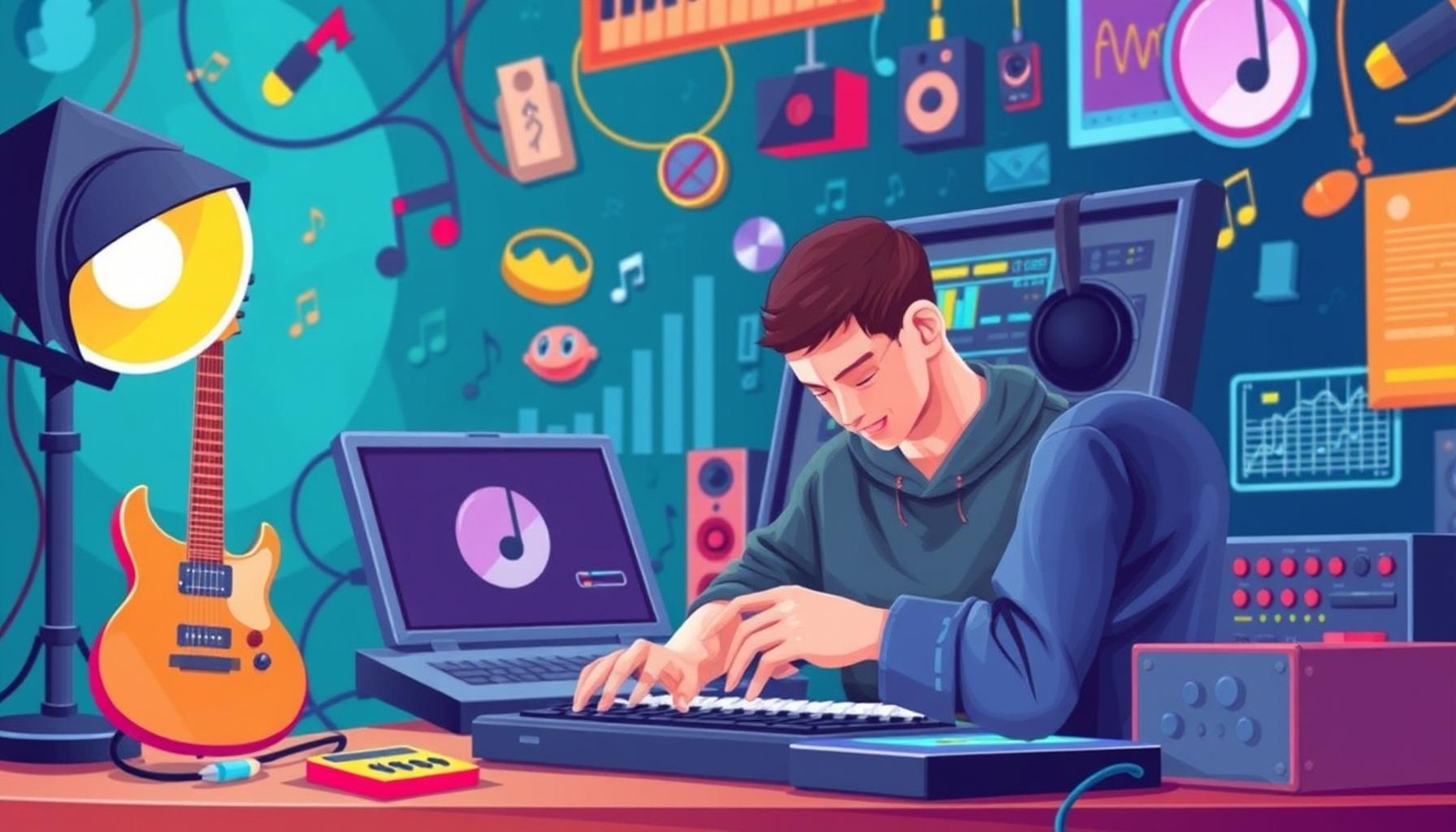
In today’s world, technology is revolutionizing the way we approach music. From digital instruments to cutting-edge music production software, innovations are pushing the boundaries of creativity for musicians everywhere. This shift not only enhances the craft but also makes it more accessible to aspiring artists.
Consider the following advancements:
- Digital Instruments: Electric violins, synthesizers, and MIDI controllers are becoming staples for modern musicians. Electric violins, for instance, allow players to manipulate sound in unprecedented ways, blending traditional classic sounds with modern effects that can morph into electronic leads and ambient textures. Similarly, MIDI controllers enable musicians to produce a wide range of sounds and instruments through a single device, allowing for creative experimentation that would be impossible with traditional instruments alone.
- Music Production Software: Programs like Ableton Live, FL Studio, and Logic Pro offer extensive tools for composition and mixing. These platforms give artists the ability to record, edit, and produce high-quality music from the comfort of their home studio. For instance, music creators can access vast libraries of samples, virtual instruments, and effects, allowing them to experiment with audio layers and produce tracks that rival those created in high-end studios.
- Online Collaboration: Platforms like Soundtrap and BandLab enable musicians to work together from remote locations. This is particularly valuable in the wake of the COVID-19 pandemic, which emphasized the need for virtual collaboration. Musicians can now easily share their work, receive feedback, and co-create tracks, bridging geographical boundaries and fostering a global creative community.
These technological tools are more than just gadgets; they are gateways to new possibilities. Artists can now explore genres and styles that were once difficult to access. For example, the blending of hip-hop with classical music elements has sparked a new genre where orchestras perform alongside rappers, creating innovative and dynamic sounds that resonate across diverse audiences. Pioneering musicians are integrating traditional techniques with electronic capabilities, resulting in a rich tapestry of sound that reflects the diversity of contemporary culture.
As we delve deeper into this transformation, we will uncover how technology is not just augmenting musical practices but reshaping the entire landscape. With the power to revolutionize how music is created, produced, and shared, artists now have more tools than ever to express their individuality and connect with audiences worldwide.
Join us on this journey to explore how embracing technology can unleash your full musical potential. Whether you’re an aspiring artist looking to experiment with new forms of expression or a seasoned musician seeking to broaden your horizons, the digital age offers countless opportunities to evolve and innovate in your musical journey.
Redefining Creativity with Digital Instruments
The evolution of musical technology has profoundly influenced how musicians produce and perform music. Digital instruments are at the forefront of this transformation, enabling innovations that blend artistry with cutting-edge technology. As artists increasingly embrace these tools, the world of music becomes richer and more diverse.
One of the most revolutionary instruments in recent years is the electronic drum kit. Unlike traditional acoustic sets, these kits allow musicians to create an array of sounds and effects without the need for physical space or extensive setup. Artists can customize their beats, experiment with various genres, and layer audio without the constraints of a conventional drum kit. For instance, drummers can replicate the sound of a grand orchestral piece or integrate electronic bass lines seamlessly, showcasing their versatility in live performances.
Moreover, the introduction of MIDI (Musical Instrument Digital Interface) controllers has opened up new avenues for musicians, making it easier than ever to compose and manipulate sound. These devices facilitate complex arrangements by allowing users to harness multiple sounds and effects simultaneously. With MIDI controllers, a keyboardist can transform their play into a full symphony, combining strings, brass, and percussion with unmatched precision. This capability not only expands the artist’s sound palette but also encourages collaborative compositions across genres.
Here are some notable advancements in digital instruments that are reshaping the music landscape:
- Synthesizers: Modern synthesizers, such as the Moog One or the Korg Prologue, provide unparalleled control over sound design, enabling musicians to create unique tones that define new genres and styles.
- Software Instruments: Virtual instruments, like Native Instruments’ Kontakt or Spectrasonics’ Omnisphere, offer realistic sounds of traditional instruments alongside innovative sonic possibilities, empowering musicians to produce full arrangements with digital tools alone.
- Mobile Music Apps: Applications like GarageBand and FL Studio Mobile allow musicians to compose on-the-go, making it easy to capture inspiration anytime, anywhere. These apps bring professional-grade production to a smartphone, democratizing access to music creation.
The accessibility of these digital instruments allows musicians from various backgrounds and skill levels to express their creativity. As more artists tap into this technology, we witness an explosion of genres, from lo-fi hip hop to experimental electronica. The blending of traditional and contemporary sounds is paving the way for music that speaks to a wider audience, reflecting the diverse experiences of its creators.
This shift in musical production is not merely about convenience; it’s a cultural revolution where technology acts as a bridge between classic techniques and modern innovation. As we navigate this changing landscape, it’s clear that the road ahead is brimming with opportunity for those willing to embrace the fusion of traditional and modern musical practices.
| Advantages of Digital Instruments | Impact on Music Production |
|---|---|
| Enhanced Creativity | Streamlined Workflow through advanced software tools. |
| Accessibility for aspiring musicians | Collaboration Opportunities with remote artists using cloud platforms. |
Incorporating technology within musical pursuits fundamentally reshapes how artists create and share their work. The introduction of digital instruments amplifies creativity, allowing musicians to experiment with unique soundscapes not possible with conventional tools. The versatility of digital synthesizers and software instruments encourages innovation, catering to diverse musical genres and preferences.Moreover, the impact on music production systems cannot be overstated. The integration of music production software facilitates a streamlined workflow, allowing artists to record, edit, and mix more efficiently. This optimization transforms the creative process into an expansive playground where ideas can blossom with greater ease.Another crucial aspect is the increased accessibility for aspiring musicians who may not have had the means to access traditional instruments. Additionally, the rise of collaboration opportunities through cloud-based platforms enables artists from various backgrounds to collaborate seamlessly across geographies, fostering a growing global music community. As such, technology not only enhances musical expression but also democratizes music creation, encouraging a richer and more diverse musical landscape.
The Rise of Music Production Software
As musicians adopt digital instruments, music production software plays an equally vital role in shaping how music is created and distributed. These software applications provide a comprehensive platform for musicians to compose, record, edit, and mix their tracks from the comfort of their own studios, or even at home. The advent of Digital Audio Workstations (DAWs) has revolutionized the landscape of music production, enabling artists to transform their creative ideas into polished, professional-grade tracks.
Some of the most popular DAWs, including Ableton Live, Logic Pro, and Pro Tools, offer an extensive array of features tailored to musicians’ needs. For example, Ableton Live is particularly favored by electronic music producers for its unique session view, which allows for intuitive improvisation and experimentation. Artists can easily loop sections, blend samples, and trigger audio clips in real-time, making live performances as dynamic as studio recordings.
Moreover, packages like Logic Pro provide a vast library of samples and plugins that artists can use to elevate their productions. These tools not only enhance sound quality but also facilitate the incorporation of intricate arrangements and soundscapes. In fact, many contemporary hits are produced using a combination of these plugins, allowing for sounds that were once only possible in high-end studios.
The democratization of music production software has also changed the landscape of the music industry in the United States. With options available at varying price points, aspiring musicians can create professional recordings with minimal investment. For instance, free platforms like GarageBand provide budding artists with a user-friendly interface and essential features to get started. This accessibility leads to a surge in creativity, allowing voices that may have previously gone unheard to emerge and flourish.
Moreover, cloud-based collaboration tools such as Splice and Soundtrap allow musicians to work together regardless of geography. Musicians can share projects, samples, and ideas in real-time, fostering a creative partnership that transcends borders. This innovation has been particularly relevant during recent years, where remote collaboration became essential for many artists navigating the challenges posed by the pandemic.
The combination of powerful music production software and accessible digital instruments creates an ecosystem where innovation thrives. Genres continue to evolve as musicians push the boundaries of traditional sounds, incorporating everything from hip-hop beats to classical symphonies within a single track. This genre fluidity has led to the emergence of fusion genres, reigniting interest in diverse musical heritages and paving the way for fresh interpretations of classic forms.
Furthermore, technological advancements in artificial intelligence are beginning to shape the future of music production. AI-driven tools can analyze trends, generate new melodies, and even assist in mixing and mastering tracks, significantly enhancing productivity. As these advances become more widespread, it offers musicians a chance not only to create but also to learn from unique datasets that can identify which elements resonate with audiences.
Ultimately, the integration of music production software with digital instruments enables musicians to tailor their creative processes and access resources that were once limited to established studios. This transformation empowers users from diverse backgrounds, making the art of music production more inclusive and varied than ever before.
Conclusion
The synergy between digital instruments and music production software has undeniably transformed the musical landscape, making it more accessible and innovative. Musicians now have the unparalleled ability to create, collaborate, and distribute their work without the traditional barriers imposed by geographic and financial constraints. The rise of Digital Audio Workstations (DAWs) such as Ableton Live and Logic Pro have democratized music production, enabling talents from all walks of life to flourish and share their unique voices.
As the industry continues to evolve, the integration of artificial intelligence and cloud-based collaboration tools pushes the boundaries of creativity even further. Artists are now equipped with advanced technologies that allow them to explore new genres, experiment with sound, and create genre-blending masterpieces that inspire fresh perspectives on music. Platforms like GarageBand and Splice not only provide essential resources but cultivate a sense of community among creators, bridging distances and fostering diversity.
Looking ahead, the influence of technology in musical pursuits will only grow stronger. As aspiring musicians harness these tools, they will continue to challenge conventions, innovate within their art, and contribute to a vibrant musical tapestry that reflects the rich culture of the United States and beyond. For those curious about exploring this dynamic realm, diving into the world of digital instruments and music production software promises not just a journey of creativity, but also an opportunity to shape the future of music itself.