The Interaction Between Art and Technology: New Frontiers in Artistic Expression in Creative Hobbies
The Fusion of Art and Technology
The intersection of art and technology has ushered in a revolution, offering diverse opportunities for aspiring artists and seasoned creators alike. In this digital age, the traditional boundaries of art are continuously being pushed, paving the way for innovative hobbyists who are redefining the very essence of creative expression.
One prominent area experiencing this transformation is digital art. With sophisticated software like Adobe Photoshop and Procreate, artists can create breathtaking images that were once thought to be confined to brush and canvas. This not only allows for the exploration of new styles, such as vector art and digital painting, but also opens doors to unique collaborations where different art forms merge. An example can be seen in the work of artists like Beeple, who gained international acclaim for his digital creations and even sold a non-fungible token (NFT) for an astonishing $69 million. This shift highlights how digital platforms can radically alter the economic landscape for artists.
Meanwhile, 3D printing adds a fascinating layer to artistic fabrication. This technology empowers creators to transform their digital designs into physical items, whether it’s a complex sculpture or customized jewelry. Take, for instance, the trend of artists and designers creating prototypes or limited-run art pieces that can be easily modified in design software before being printed. This accessibility has made it possible for more individuals to engage in craftsmanship, leading to a dedicated Maker community that emphasizes both innovation and personal expression.
Additionally, augmented reality (AR) is captivating artists and viewers by merging digital elements with the real world. Through mobile apps, artists can enhance their physical artworks with animations or interactive experiences. Think of exhibitions where viewers use their smartphones to unlock unique narratives connected to a painting, transforming a passive experience into an engaging exploration. This unique blend of reality and virtual interaction expands the way art can evoke emotions and reactions.
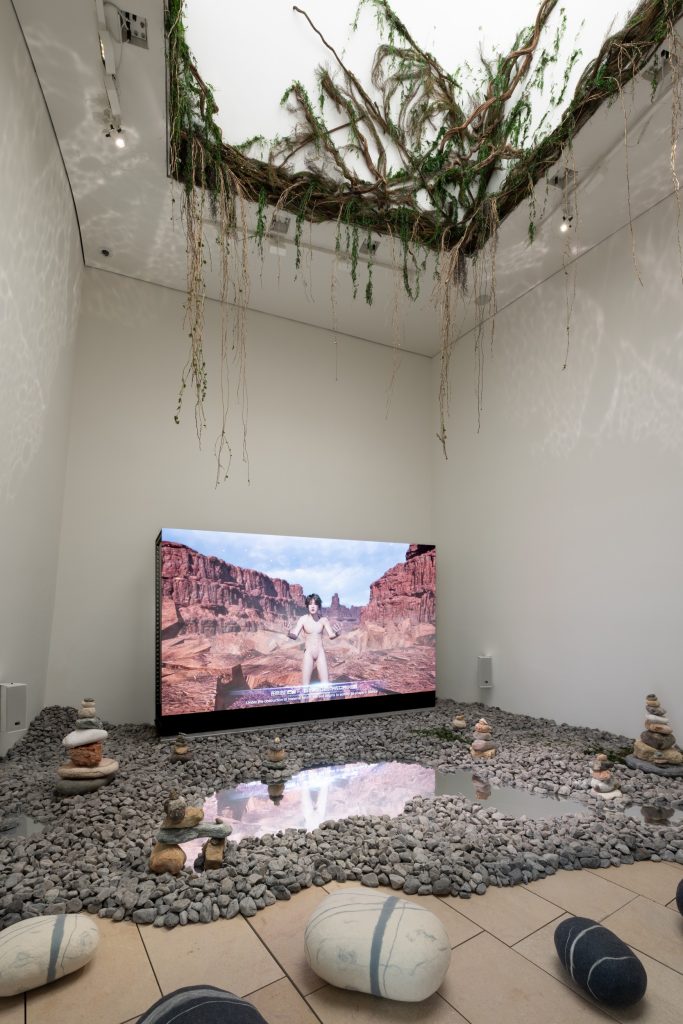
The role of social media cannot be understated in this evolving creative landscape. Platforms like Instagram, TikTok, and Pinterest allow artists to display their work to global audiences, fostering instant feedback and creating vibrant communities around shared interests. Artists who once relied on gallery exhibitions to showcase their work are now finding success through online engagement, with some even launching their careers via viral posts. This newfound accessibility democratizes art appreciation and allows for diverse voices to emerge.
As we embrace these technological advancements, the perception of art continues to evolve. The boundaries between artist and audience blur, and with them comes a collective invitation to explore the intersection of creativity and technology. As we look to the future, it’s clear that the tools we use not only enhance our ability to create but also redefine what art means in contemporary society. With each innovation, a new chapter unfolds in the remarkable landscape of creative hobbies.
Exploring New Mediums and Techniques
As the dialogue between art and technology evolves, artists are leveraging cutting-edge mediums and techniques that allow for unprecedented innovation and self-expression. This evolution is not merely a trend; it signifies a transformational period in which creative hobbies are infused with technological advances, enriching the artistic experience.
One significant medium that has emerged from this intersection is virtual reality (VR). Artists utilizing VR can transport viewers into immersive environments that depict their imaginative worlds. Virtuoso creators are developing entire exhibitions that exist solely in a digital universe, allowing the audience to interact with art pieces in ways that were previously unimaginable. For example, platforms like Oculus and Vive are being used to create experiences that challenge perceptions of space and engagement with art.
Furthermore, the advent of AI-generated art is reshaping creativity. Algorithms that analyze vast datasets of existing artwork are capable of generating unique compositions, often challenging the very notion of authorship. Applications like DeepArt and Runway ML are becoming popular tools for artists wanting to experiment with machine learning and explore the fusion of human creativity and artificial intelligence. This raises intriguing questions about the role of the artist—can a machine truly be creative, or does it merely replicate human expression?
Additionally, accessible digital tools are leveling the playing field for hobbyists and professionals alike. Concepts once confined to art schools are now available at the fingertips of anyone with a computer or tablet. Resources like Canva, Sketchbook, and even online tutorials on platforms such as YouTube enable aspiring artists to learn new skills rapidly and apply them effectively. This self-directed approach not only fosters talent but cultivates communities that share tips and ideas, thereby encouraging collaboration and growth.
- Digital art software: Programs like Clip Studio Paint or Corel Painter offer features that mimic traditional painting.
- Social media platforms: Utilizing Instagram and TikTok to showcase artwork has become a crucial marketing tool for emerging artists.
- Online courses: Platforms such as Skillshare and MasterClass provide structured learning experiences for those wishing to develop their artistic skills.
As we observe this synergy, it becomes evident that certain traditional art forms are also benefiting from technology. Photography, for instance, has seen a significant evolution with the onset of digital cameras and smartphone photography, making the craft more accessible. The ability to edit images with software such as Lightroom and Photoshop allows photographers to express their artistic visions with precision and creativity. In turn, this democratization contributes to a richer artistic community.
Ultimately, as technology continues to advance, the potential for exploration and innovation in the art world grows exponentially. The fusion of art and technology serves not only to enhance creativity but also to foster a strong sense of community among artists. Emerging trends are a testament to the boundless nature of human imagination and its powerful ability to adapt to and incorporate new tools. The conversation is far from over, and with each leap forward, the landscape of creative hobbies expands, inviting all to participate in this exciting journey.
| Category | Overview |
|---|---|
| Interactive Art Installations | Transforming spaces by incorporating technology to engage viewers, allowing them to become part of the artistic expression. |
| Digital Media | Creates boundless avenues for artists to explore, utilizing software and virtual reality to push the limits of creativity. |
| Augmented Reality (AR) | Enhances traditional forms of art, allowing the viewer to experience layers of narratives through their digital devices. |
| 3D Printing | Revolutionizes creations by enabling artists to materialize their digital designs into tangible art pieces, blending virtual and physical realms. |
The synergy of art and technology presents new frontiers for creative hobbies, encouraging individuals to explore and express themselves in unprecedented ways. By harnessing technological advancements, artists can engage audiences more deeply through immersive experiences, inviting them to not only observe but also participate in the art itself. This shifting paradigm amplifies the dialogue between the audience and creator, fundamentally altering the experience of artistic work.Moreover, learning to integrate technology into creative pursuits fosters innovative thinking and opens up unique opportunities for collaboration. As the realm of artistic expression expands through these technological lenses, hobbyists and professionals alike are encouraged to delve deeper into techniques that seamlessly blend the analog and digital worlds. This dynamic interplay not only enhances personal creativity but also enriches cultural dialogues within communities, illustrating the profound impact of the intersection of art and technology on society.
Collaborative Platforms and Interactive Art
In an age defined by connectivity, the interaction between art and technology is not only grounded in individual expression but also in collaborative endeavors. Innovative online platforms have emerged that allow artists from different backgrounds to collaborate in real-time, leading to new forms of artistic expression. Websites like Artbreeder leverage the power of artificial intelligence to enable users to create and share artworks collaboratively. By blending different images and styles, artists can generate entirely new pieces, showcasing the beautiful unpredictability of technology-fueled creativity.
Moreover, social media has transformed how art is created and consumed. Platforms like Instagram and TikTok allow artists to showcase their work instantly to global audiences, creating virtual galleries that transcend geographical boundaries. This digital age of art has not only democratized visibility but also allowed real-time feedback from viewers. Artists can gauge reactions to their latest pieces and adapt their techniques or concepts to align with audience preferences. Such interactivity between the creator and the viewer enriches the overall artistic experience.
Augmented Reality: Blurring the Lines Between the Real and the Virtual
Augmented reality (AR) is another frontier where technology meets art, offering unique opportunities for immersive experiences. Through popular AR apps like Snapchat and Instagram Filters, artists can overlay digital art onto the physical world. This seamless integration encourages a playful dialogue, prompting viewers to engage with the art in multifaceted ways. Museums and galleries are experimenting with AR to enhance exhibitions, allowing visitors to see additional layers of information or content through their smartphones. For instance, the Van Gogh Museum in Amsterdam showcases the painter’s works while offering augmented experiences that expand upon his technique and themes, deepening visitors’ understanding.
3D Printing and Sculptural Innovations
The realm of sculpture and physical artwork has also been significantly impacted by advancements in 3D printing technology. Artists like Joshua Harker have embraced this medium to push the boundaries of traditional sculpture. With the ability to create intricate designs that were once labor-intensive and time-consuming, 3D printing allows for rapid prototyping and experimentation. As a result, artists can explore new aesthetics and materials and challenge preconceived notions about physical art forms.
In addition, the growth of interactive installations in contemporary art exhibits combines various technological elements to create experiences that demand audience interaction. Artists are increasingly integrating sensors, motors, and responsive technologies to craft installations that physically react to audience behavior, creating a dynamic interplay that evolves with each visitor’s engagement. This fusion of programming and artistic vision presents vast potential for engaging diverse audiences and re-envisioning what it means to create and experience art.
The Future of Creative Hobbies
As we venture further into the digital age, the exciting renewal of traditional craft practices through technology is noteworthy. Online marketplaces, such as Etsy, empower artisans to share handmade goods globally, while digital tools facilitate the crafting process itself. These platforms bring artists and hobbyists together, paving the way for vibrant communities centered around a shared passion for creation.
Ultimately, the intersection of art and technology continues to inspire and cultivate creativity in unique ways. As new tools harness the capabilities of emerging tech, the artistic landscape will undoubtedly flourish, encouraging exploration, collaboration, and inclusivity. With each innovative step, the boundaries of creative hobbies are broadened, inviting enthusiasts from all walks of life to partake in this ongoing evolution.
Conclusion: Embracing the Future of Artistic Expression
The interaction between art and technology is undeniably reshaping the landscape of creative hobbies and artistic expression. With the advent of innovative tools and platforms, artists and hobbyists alike are exploring uncharted territories that transcend traditional mediums. As we witness the rise of collaborative online spaces, the transformative power of augmented reality, and the limitless possibilities presented by 3D printing, the fabric of art is being woven into the digital age in extraordinary ways.
This journey into the fusion of art and technology is not just about new techniques or formats; it is also about inclusivity and community building. The democratization of art through social media and online marketplaces enables creators from diverse backgrounds to share their work with a global audience. This interconnectedness fosters dialogues and exchanges that enrich the artistic experience, reminding us that creativity knows no boundaries.
Looking ahead, we can anticipate an even greater integration of technology in arts, as emerging innovations like virtual reality and AI continue to evolve. Such advancements will push artists to explore deeper layers of storytelling, interactivity, and emotional engagement in their works. As both seasoned artists and budding creators embrace these tools, the possibilities for artistic expression will expand, inviting endless exploration and experimentation.
In conclusion, the convergence of art and technology is not only a trend but a profound evolution that invites everyone to participate in the creative process. As we step into this exciting frontier, we are reminded to be both curious and courageous in our creative journeys, always seeking to discover what lies beyond the horizon of our imagination.