The Intersection of Music and Visual Art: Exploring New Forms of Creative Expression
The Evolving Landscape of Artistic Expression
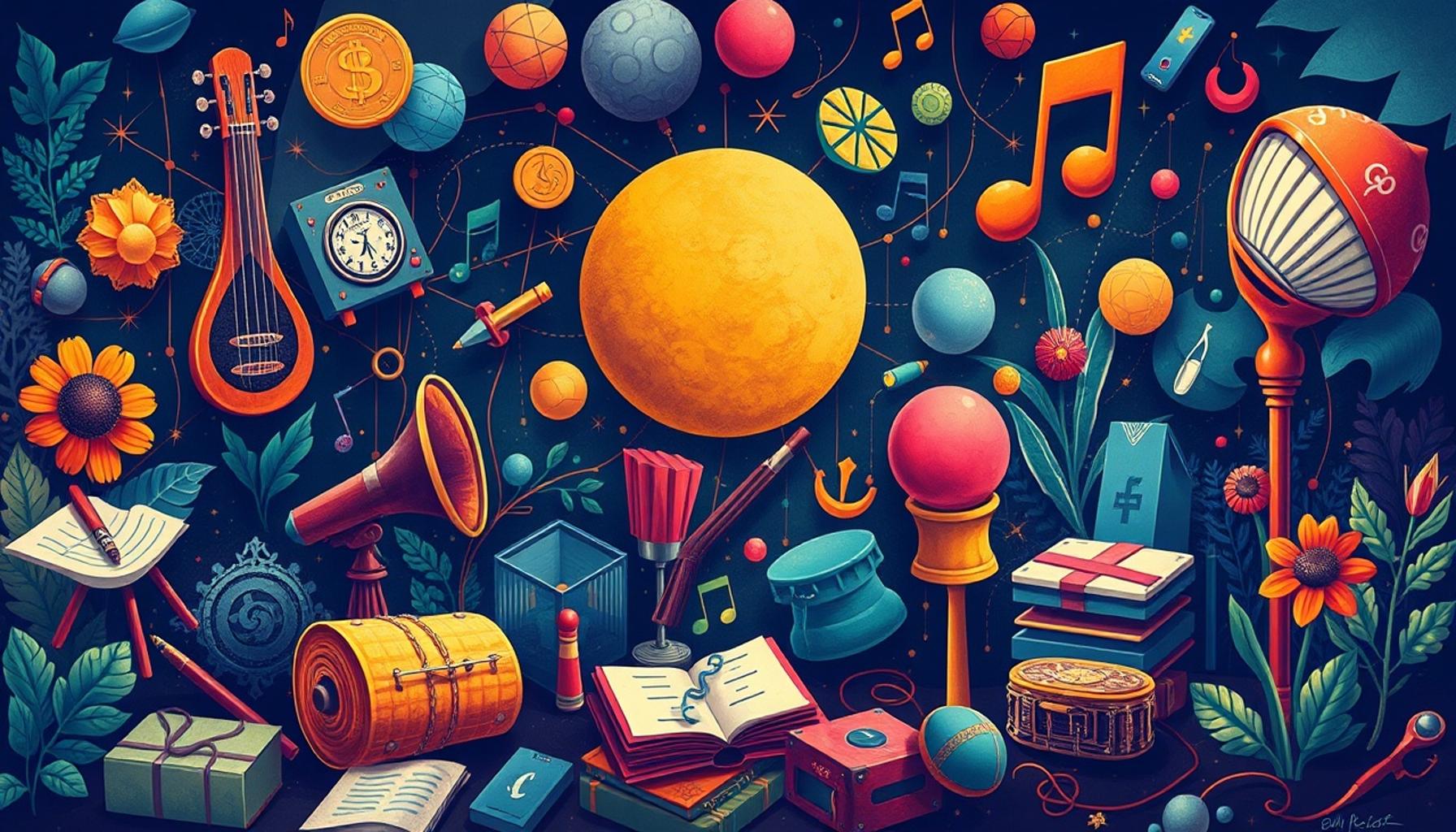
At the heart of human experience lies the profound connection between sound and sight. For centuries, creative minds have explored this intersection of music and visual art, resulting in groundbreaking forms of artistic expression. As technology evolves, new possibilities emerge, inviting artists to redefine boundaries.
To truly grasp the impact of these artistic avenues, let us consider some significant influences shaping contemporary art and music:
- Multimedia Installations: Artists are increasingly crafting immersive environments that blend visual stimuli with live musical performances. These installations, which often extend beyond the conventional walls of a gallery, engage the audience’s senses in a holistic experience. For instance, the renowned artist Yayoi Kusama has incorporated music within her immersive “Infinity Rooms,” creating a sensory overload that leaves spectators both mesmerized and reflective.
- Music Videos: The fusion of storytelling and visual artistry in this medium continues to push creative limits. Directors like Hiro Murai, known for his work on Childish Gambino’s “This Is America,” have elevated music videos to a form of art in itself. Their ability to convey complex narratives and evoke emotional responses through a combination of sound and image showcases the powerful synergy between the two disciplines.
- Generative Art: The rise of technology has opened doors for musicians to collaborate with programmers and visual artists. By utilizing algorithms, musicians create unique visual experiences that respond dynamically to their sound in real-time. A prime example is the project “Audiovisuals” by artists such as Ryoichi Kurokawa, who employs sound waves to craft stunning visual landscapes that shift and evolve with the music.
The exploration of this dynamic relationship has not only enriched individual artistic outcomes but has also nurtured innovative collaborations between visual artists and musicians. Events like the Coachella Valley Music and Arts Festival epitomize this trend, as they showcase not only exciting musical performances but also visually stunning art installations. These installations range from interactive sculptures to digital projections, all designed to enhance the overall sensory experience of attendees. This synergy captivates viewers and challenges traditional notions of art, illustrating that boundaries between disciplines are becoming increasingly blurred.
As we continue to examine how the intersection of music and visual art is shaping contemporary creativity, it is essential to consider the various platforms available for artistic expression. From social media channels such as Instagram and TikTok to immersive digital experiences in virtual reality, artists are experimenting with ways to engage their audiences in exciting new formats.
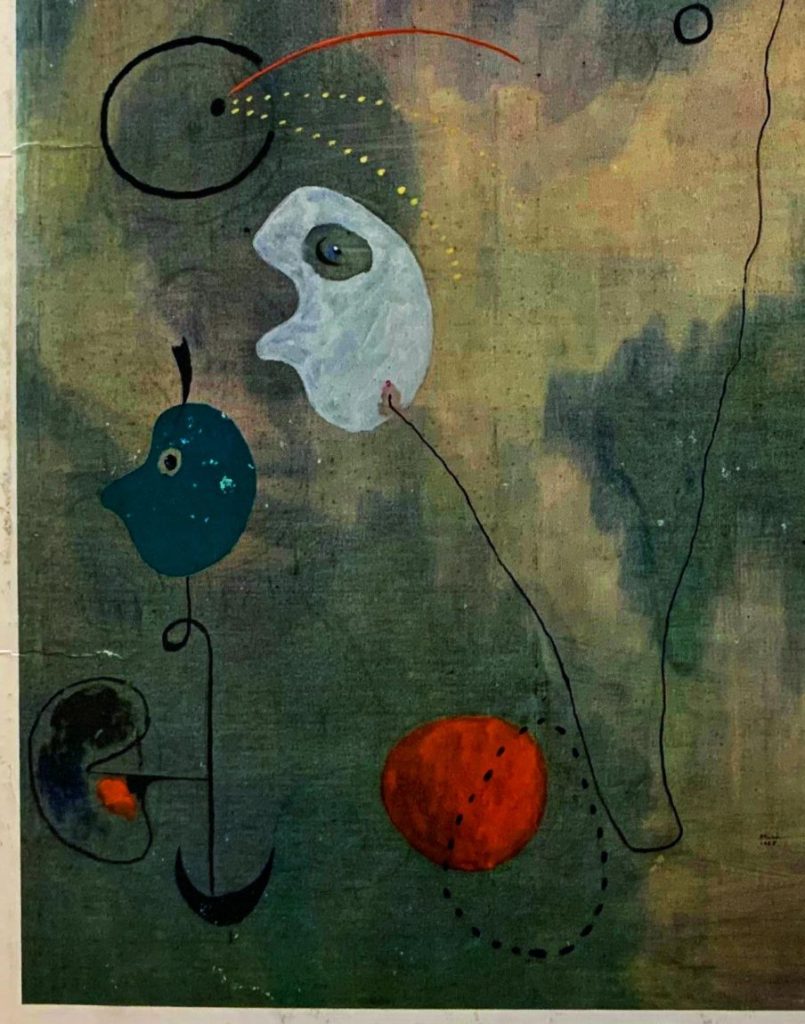
Prepare to be inspired by the ways artists unite these mediums, enriching our cultural landscape and prompting deeper questions about the nature of creativity itself. As we move forward, this evolving dialogue between sound and sight is likely to reveal even more extraordinary and innovative forms of artistic expression, urging us to explore the world around us with freshly opened eyes and ears.
New Avenues of Artistic Collaboration
The intersection of music and visual art is thriving on collaboration and innovation. Artists from both spheres are increasingly recognizing the potential of merging their crafts to create unique experiences that captivate audiences and challenge conventional formats. Today, this fusion is not merely a cohabitation of aesthetics; it represents a deliberate exploration of how these two forms of expression can enhance one another and provoke deeper emotional responses.
Several developments are at the forefront of this artistic movement, driving artists to explore novel ways to present their work. Here are some notable elements reshaping the landscape of creative expression:
- Live Visual Performances: Events like concerts and festivals are evolving beyond traditional stages, incorporating live visual performances that synchronize with musical acts. Performance artists, such as VJing collectives, manipulate images and videos in real-time to amplify the auditory experience. This live interaction fosters a sense of immediacy and engagement, often keeping audiences on the edge of their seats.
- Art and Sound Installations: Artists are now utilizing both mediums to create installations where sound interacts fluidly with visual components. Projects like Olafur Eliasson’s “Your sound is in your eyes” employ spatial audio systems to influence how viewers perceive visual sequences, reinforcing the notion that perception is a multi-sensory experience.
- Augmented Reality (AR) and Virtual Reality (VR): The rise of AR and VR presents exciting opportunities for merging art and music. Artists like Marshmello have collaborated with visual artists to create immersive virtual concerts that blend soundscapes with stunning interactive environments. Audiences can experience musical performances as a visceral exploration of 3D landscapes, breaking the barriers of conventional spaces.
This collaborative spirit goes beyond the confines of galleries and concert halls. Many artists are leveraging social media platforms to share their explorations, engage with audiences, and receive immediate feedback. Short-form content on platforms like TikTok and Instagram enables musicians and visual artists to reach wider demographics, allowing for a broader dialogue around artistic expression. Through collaborations that blend these two worlds, creators are redefining their interactions with audiences and fostering a community of cross-disciplinary innovation.
In examining the transformative power at this intersection of music and visual art, it becomes evident that the possibilities are limitless. Each artist brings a unique perspective and cultural background to their work, providing fertile ground for new artistic interpretations. As the lines between these forms continue to blur, we find ourselves at a pivotal moment in artistic evolution, driven by the desire to create and connect in unprecedented ways.
| Category | Description |
|---|---|
| Cross-Disciplinary Collaborations | Artists from different fields produce innovative works that redefine creative boundaries. |
| Enhanced Audience Experience | The fusion of music and visual art captivates diverse audiences, providing immersive artistic experiences. |
The intersection of music and visual art is leading us into an era of unprecedented creative expression, where boundaries blur, and collaboration becomes key. With cross-disciplinary collaborations, artists from various backgrounds are coming together to create works that challenge traditional forms. This fusion not only generates unique pieces but also inspires a new language of artistic expression, one that resonates across different mediums and connects with a broader audience.Moreover, this combination contributes to an enhanced audience experience. Viewers are no longer passive recipients of art; they engage with art that integrates sound and visuals, creating a multi-sensory experience that deepens their emotional connection. The rich tapestry of sights and sounds invites audiences to explore themes of identity, culture, and innovation, encouraging them to reflect on the essence of artistic integrity. This dynamic exchange opens avenues for further inquiry and innovation, pushing the boundaries of what we perceive as art. Both artists and audiences are thus equipped to explore a myriad of new possibilities in creative expression.
Expanding Horizons: Technology’s Role in Artistic Synergy
As innovation drives this cultural fusion, technology plays a pivotal role in propelling artists into uncharted territory. The integration of digital tools empowers creators to explore and manipulate sound and visuals in ways that were virtually unimaginable a few decades ago. This evolving landscape of digital artistry embraces fields ranging from audio engineering to graphic design, allowing artists to transcend the limitations of traditional forms.
One significant phenomenon that highlights technology’s impact is the rise of Generative Art. Utilizing algorithms and code, artists create dynamic visual landscapes that respond to music in real-time. Generative artists like Casey Reas and Joshua Davis have pushed the boundaries of collaboration, producing works that visually interpret soundwaves, rhythm, and melodies. This intersection of programming and creative expression invites viewers to experience art that evolves with each musical note, transforming static displays into living, breathing entities.
Another technological advancement reshaping artistic collaboration is the use of machine learning. With algorithms that can analyze vast amounts of data, artists are experimenting with how AI can contribute to musical compositions and visual artwork. For example, in 2022, artist Refik Anadol leveraged AI to create immersive installations that utilize sound data from classic films. This innovative approach not only challenges the relationship between music and visuals but also questions the authorship of art in an era when machines can generate cultural products.
The influence of social media on this artistic convergence cannot be overstated. Platforms like YouTube have fostered a thriving community of creators who share content that seamlessly blends music with visual art. Viral videos often showcase animated soundscapes that engage viewers in a multisensory experience. The recent rise of audiobooks accompanied by illustrated narratives is another testament to how visual artists collaborate with musicians, expanding the reach of their work to a broader audience.
Moreover, the concept of soundscapes, the auditory version of landscapes, has emerged as a critical element in the intersection of music and visual art. Artists such as Bill Fontana have crafted live sound installations that transform natural environments into a cohesive blend of auditory and visual exploration. These projects engage audiences in a direct interaction with their surroundings, encouraging them to explore the idea of ‘place’ through sound and sight.
In educational settings, institutions such as the California Institute of the Arts (CalArts) are championing interdisciplinary programs that encourage students to merge these two art forms. By offering coursework that integrates music composition with visual storytelling, emerging artists are equipped with the tools and theoretical frameworks necessary to push boundaries in their creative practices. The collaborative efforts fostered in these environments reflect a growing acknowledgment of the importance of cross-disciplinary skills.
As artists delve into these innovative approaches, the future promises even more intriguing collaborations at the intersection of music and visual art. The creative potential unleashed by technology inspires a new generation of artists to expand their visions and redefine the experiences they provide to audiences. By continually exploring and embracing this dynamic interplay, we are witnessing a renaissance of artistic expression that captivates and engages us profoundly.
Charting a Vibrant Future: The Ongoing Evolution of Creative Expression
As we have explored throughout this discussion, the intersection of music and visual art offers a fascinating lens through which to understand contemporary creative practices. The advances in technology, particularly through the incorporation of digital tools, algorithms, and AI, have transformed how artists connect sound and sight, leading to new forms of expression that were once relegated to the realm of imagination. This cultural fusion not only enriches artistic experiences but also democratizes access to creativity, allowing creators from various backgrounds to participate in this vibrant dialogue.
The meteoric rise of social media platforms has further empowered artists, enabling them to share their work with global audiences and fostering collaborative communities. The melding of artistic disciplines invites us to question traditional notions of authorship and creation, while the development of immersive soundscapes challenges how we interact with our environment and perceive art.
Looking ahead, educational institutions are recognizing the need for interdisciplinary approaches, equipping future artists with the skills to navigate and merge these diverse fields. As new generations continue to experiment at the convergence of music and visual art, we are bound to witness a flourishing of creative expression that captures the complexities of our contemporary world.
In essence, the exploration of this intersection paves the way for innovative storytelling, emotional engagement, and profound connections between creators and audiences. As we embrace the ongoing evolution of artistic collaboration, it becomes clear that the fusion of music and visual art will continue to captivate us, inviting us to explore the depth of human experience through a multi-sensory lens.