The Role of Music in Building Community and Social Connections through Creative Pursuits
Understanding the Power of Music in Community Building
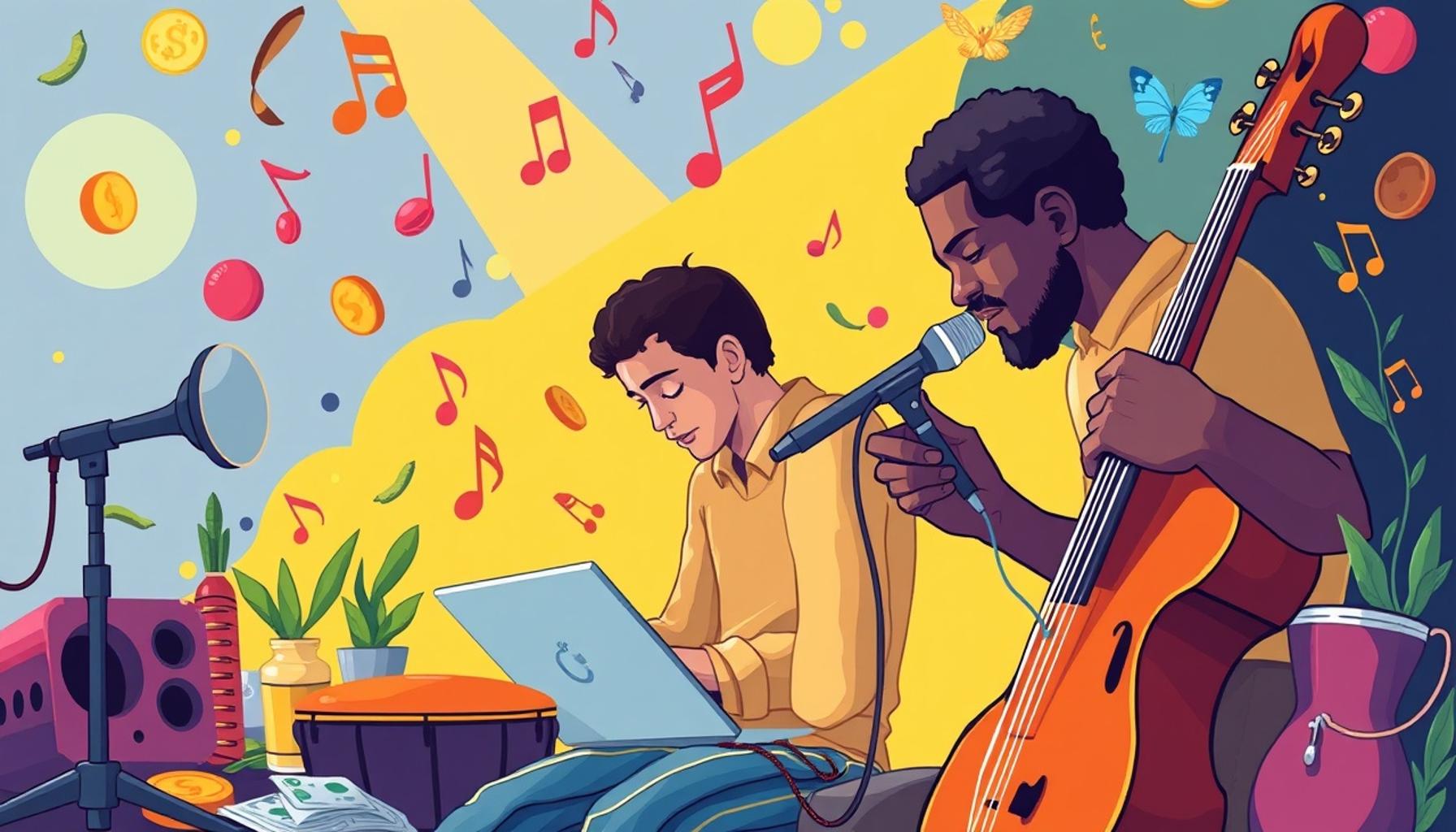
Music has long been a fundamental aspect of human culture, serving as a catalyst for connection and community. Its ability to transcend barriers creates spaces where diverse individuals can come together in meaningful ways. Throughout history and across cultures, music has acted as a universal language, allowing people to communicate emotions and stories that words alone may fail to express.
Consider the various ways music fosters a community spirit:
- Live performances: Concerts, festivals, and open mic nights provide opportunities for people to gather and share experiences. For example, events like the Coachella Valley Music and Arts Festival not only attract music lovers from around the world but also create an immersive environment where attendees can forge new friendships and connect over shared musical interests. Local community events, such as summer concert series in parks, allow neighbors to come together, demonstrating the unifying power of live music.
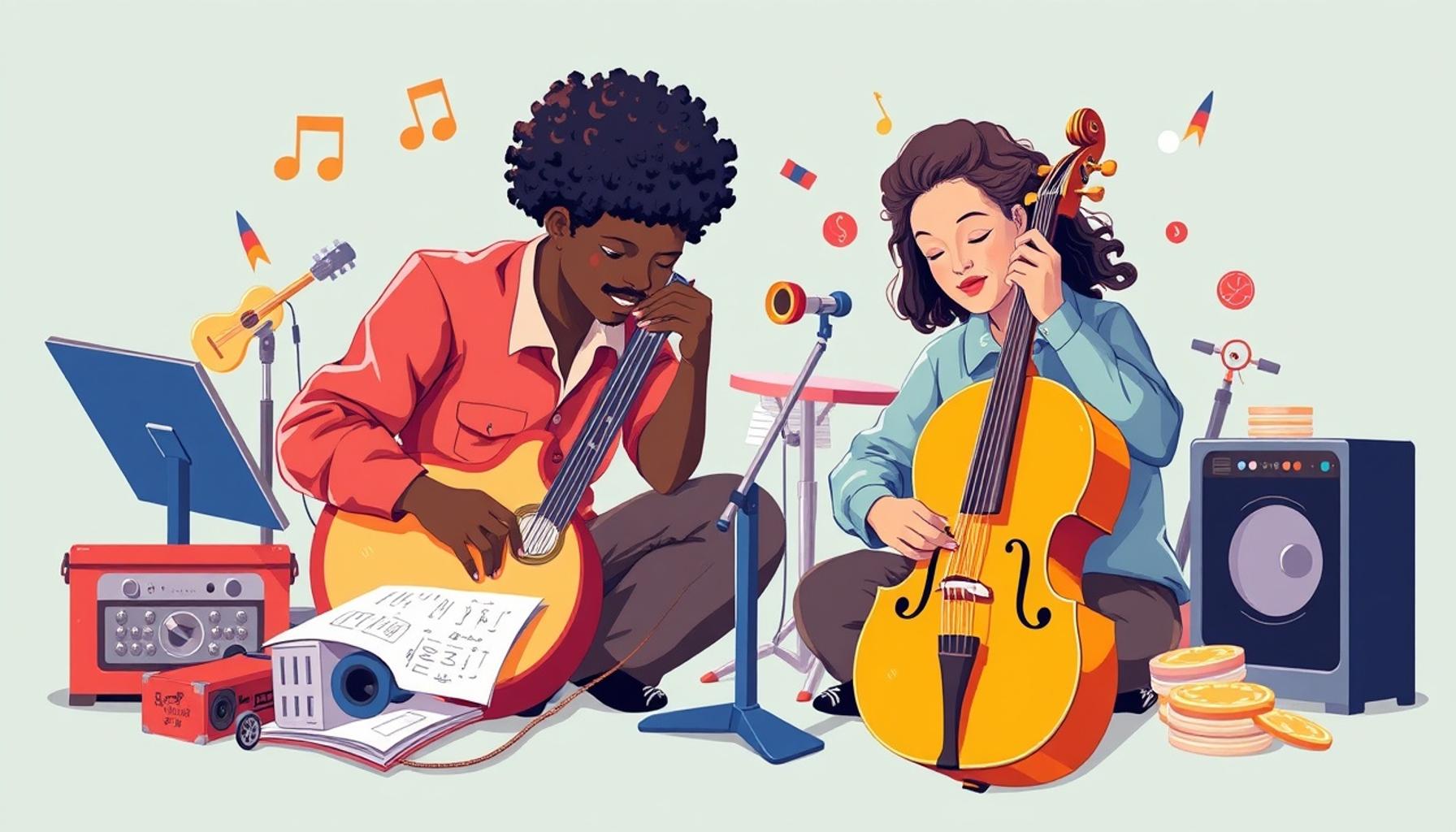
- Group activities: Choirs, bands, and music classes encourage collaboration and teamwork, forging friendships. Joining a local band or a community choir like the Young People’s Chorus of New York City enables individuals to engage with one another, often leading to long-lasting relationships. The act of creating music together fosters trust and camaraderie, helping participants to feel like part of something larger than themselves.
- Cultural celebrations: Events such as parades and holiday festivities often include music that highlights shared traditions. For instance, the annual Mardi Gras celebration in New Orleans showcases jazz and brass band music that is central to the city’s identity. These musical expressions not only celebrate cultural heritage but also invite people from all walks of life to take part, reinforcing community bonds and shared experiences.
The role of music extends beyond mere entertainment; it is a tool for social connection. Research has shown that engaging in music-related activities can lead to reduced feelings of isolation and increased happiness. Activities like drumming circles or community singing have been found to decrease stress and anxiety, making the case for music as a therapeutic and bonding experience.
Additionally, music provides individuals an avenue for expression, allowing them to articulate emotions and experiences. This can lead to a deep sense of belonging and understanding within a community. For example, music therapy sessions have helped marginalized groups find their voice and share their stories, leading to collective healing and empowerment.
As more communities embrace the transformative power of music, it’s worth exploring its effects on social dynamics and personal growth. Whether it’s through shared performances or collaborative creative pursuits, the journey of discovery invites a deeper discussion about the ties that bind us.
In conclusion, as studies continue to uncover the powerful influence of music on mental well-being and community bonding, it becomes clear that music is not just background noise in our lives; it is the heartbeat of our communities, urging us to come together, share, and grow. In the increasingly digital world, the return to communal music experiences may become vital in fostering connections that redefine what it means to be part of a community.
Creating Connections through Music Activities
At the heart of community building, music serves not only as a form of entertainment but as a profound means of fostering connections among individuals. Participating in music-related activities can be a gateway to enriching social interactions and reinforcing friendships, leading to a stronger sense of belonging. Engaging with music has the remarkable ability to break down social barriers, enabling people to forge bonds through shared experiences and collaborative endeavors.
One of the most effective ways music builds community is through interactive music programs. These programs often focus on encouraging participation and creativity, offering outlets for individuals to engage without needing formal training. Examples of such programs abound in cities across the United States, including:
- Community music workshops: Many local organizations host workshops that welcome participants of all skill levels to explore different genres or instruments. These workshops foster an environment of inclusion, allowing diverse individuals to come together with a common goal of exploring their musical talents while building relationships.
- Music therapy groups: Increasingly recognized for their mental health benefits, music therapy sessions in community centers or clinics provide a supportive space for expression and connection among participants. When individuals share their experiences through music, they often discover common ground, alleviating feelings of loneliness or isolation.
- Collaborative art projects: Initiatives such as community murals or street performances often incorporate musical components that draw residents together. By contributing to a creative pursuit, community members not only express themselves artistically but also engage in dialogue around the finished product, creating a shared sense of pride and ownership.
The impact of music on social connections is also evident in the rise of music festivals, which serve as a melting pot of culture and identity. Events like Lollapalooza in Chicago or the Newport Folk Festival in Rhode Island act as platforms where people gather, often forming new friendships through their shared love of music. These festivals not only feature performances by well-known artists but also provide a space for grassroots musicians to perform, bridging the gap between different social groups and backgrounds.
Furthermore, the power of social media has greatly enhanced the role of music in community building. Platforms such as Instagram, TikTok, and Spotify have created virtual spaces where musicians and listeners interact, share their creations, and support one another. Virtual jam sessions or challenges encourage a sense of community among participants who may never have the opportunity to connect in person. This online environment expands the reach and impact of music beyond geographic boundaries, proving that the spirit of collaboration can thrive even in a digital world.
As the landscape of community engagement continues to evolve, the essence of music remains a timeless connector. By drawing individuals into collaborative and creative environments, music cultivates the relationships that form the backbone of strong, cohesive communities. This exploration of music’s role highlights its ability to nurture both personal connections and broader social dynamics, reinforcing the idea that through these creative pursuits, we can build resilience, empathy, and understanding.
The Impact of Music on Social Bonds
Music has an extraordinary ability to bring people together, creating a shared space where emotions and experiences intertwine. Through collective activities such as singing, dancing, or even participating in community concerts, individuals forge meaningful social connections that transcend barriers, including culture, age, and background. The communal experience of creating or enjoying music fosters a sense of belonging and unity. Numerous studies indicate that music participation can lead to increased emotional well-being, promoting social cohesion within diverse populations.
Creative Pursuits as a Catalyst for Community Engagement
Engaging in artistic endeavors such as music composition, drum circles, or group performances provides an impactful platform for collaboration. These creative pursuits encourage individuals to express their unique identities while contributing to the group dynamic. As participants share their personal stories through music, they cultivate deeper understanding and empathy for one another, breaking down social isolation. Programs that integrate music education often report fostering a sense of purpose and commitment among community members, leading to enhanced relationships and ongoing engagement.
Case Studies in Music and Community Building
Across the globe, numerous initiatives highlight the powerful role of music in community development. For instance, community choirs enable individuals from varied backgrounds to unite in song, demonstrating how shared musical experiences can dissolve prejudices and nurture social bonds. Similarly, neighborhood music festivals serve as focal points for local interaction, allowing residents to connect over shared cultural expressions. Such events show that music can be a vehicle for promoting understanding, encouraging dialogue, and ultimately cultivating a stronger, more connected community.
| Category | Description |
|---|---|
| Social Interaction | Music brings people together through shared experiences, fostering friendship and community. |
| Emotional Expression | Engaging with music allows individuals to express their feelings and connect with others on an emotional level. |
The incorporation of music into community framework not only enhances social ties but also enriches cultural heritage. By embracing various musical traditions, communities become stronger, more resilient, and notably, more inclusive.
The Transformative Power of Collaborative Music Making
Another significant facet of music’s role in community building is the concept of collaborative music making. When individuals come together to create, perform, or even learn music as a group, a unique synergy emerges that strengthens interpersonal relationships. Whether through choirs, bands, or informal jam sessions, collaborative music projects not only enhance individual skills but also cultivate a sense of unity and shared purpose.
Community choirs have gained popularity across the United States, drawing together people from various walks of life, often without any prior singing experience. Programs like the Sweet Adelines or local gospel choirs often encourage participation driven by a love for music rather than professional aspirations. These initiatives highlight the joy of singing together, where each member contributes to a collective experience. The result is often a transformative journey, wherein participants build lasting friendships, share personal stories, and develop mutual support networks that extend beyond musical practices.
Similarly, local bands and orchestras serve as vital platforms for forging connections among musicians and audiences alike. Through rehearsals and performances, both seasoned artists and novices engage in a shared journey of artistry and expression. Not only do these groups often bring delight to the community through concerts, but they also create spaces for collaboration that can lead to new friendships and professional opportunities. For example, the “Bushwick Open Studios” in New York City showcases emerging musicians alongside established acts, allowing for rich interactions and inspire creative dialogues among diverse talents.
Moreover, schools and educational institutions can play a crucial role in enhancing social bonds through music education. Programs that integrate music curricula in public schools, such as band or orchestra classes, encourage teamwork and cooperation among students. When young musicians work to produce harmonious melodies, they cultivate not just artistic skills but also valuable soft skills like patience, communication, and empathy. Research indicates that students who participate in music programs have enhanced social skills and are more likely to engage positively with their peers.
The role of music in creating community is further emphasized through its intersection with cultural events and festivals. Events such as local fairs or state fairs often feature musical performances that draw diverse audiences, reinforcing cultural identities and stimulating social interactions. Festivals like South by Southwest (SXSW) in Austin, Texas, not only celebrate the music industry but also foster connections among artists, fans, and businesses, creating a vibrant ecosystem that thrives on collaboration. These experiences often lead to lasting relationships that extend beyond the confines of the festival, as individuals network and collaborate in various creative projects.
Lastly, the inclusivity of music extends into music education initiatives geared toward underprivileged communities. Programs that offer free or subsidized music lessons for children and adolescents contribute to social equity by providing access to creative pursuits that could otherwise be beyond their reach. Initiatives like El Sistema in Los Angeles focus on fostering both musical talent and community strength, emphasizing teamwork and social responsibility, illustrating how music can be a powerful tool for personal and social development.
The multifaceted nature of music as a catalyst for connection underscores its pivotal role in bridging generational, cultural, and social divides. By engaging in collaborative music endeavors, community members enrich their lives and cultivate a sense of shared identity that promotes unity and understanding.
Conclusion: Harmonizing Connections through Music
In conclusion, the role of music in building community and fostering social connections is both profound and multifaceted. As demonstrated through collaborative music making, individuals come together in shared creative pursuits that transcend personal boundaries, allowing diverse voices and experiences to harmonize. The popularity of community choirs, local bands, and cultural festivals underscores the magnetic appeal of musical collaboration, drawing people closer and nurturing lasting relationships that enrich their lives.
Furthermore, the integration of music education in schools emphasizes the developmental benefits of teamwork, patience, and empathy among young musicians. Such programs are essential in shaping socially aware individuals who engage positively with their peers and communities. Moreover, initiatives aimed at underprivileged youth promote inclusivity and social equity, highlighting music’s ability to serve as a powerful vehicle for personal and community growth.
As we navigate an ever-evolving social landscape, embracing music as a vital component of our communal experience can unlock new avenues for connection and understanding. Whether through the shared joy of singing, participatory festivals, or educational programs, the potential for music to bridge generational, cultural, and social divides is immense.
Thus, it is essential for individuals and communities to recognize and harness the transformative power of music, ensuring that this unifying force remains a vibrant thread in the fabric of our society. Exploring local music events, joining a choir, or simply engaging in musical activities can foster relationships that make our communities richer, more resilient, and deeply connected.