Writing Adventure in Different Genres: How to Adapt Your Prose for Fantasy, Science Fiction, and Mystery
Embarking on a Genre Writing Journey
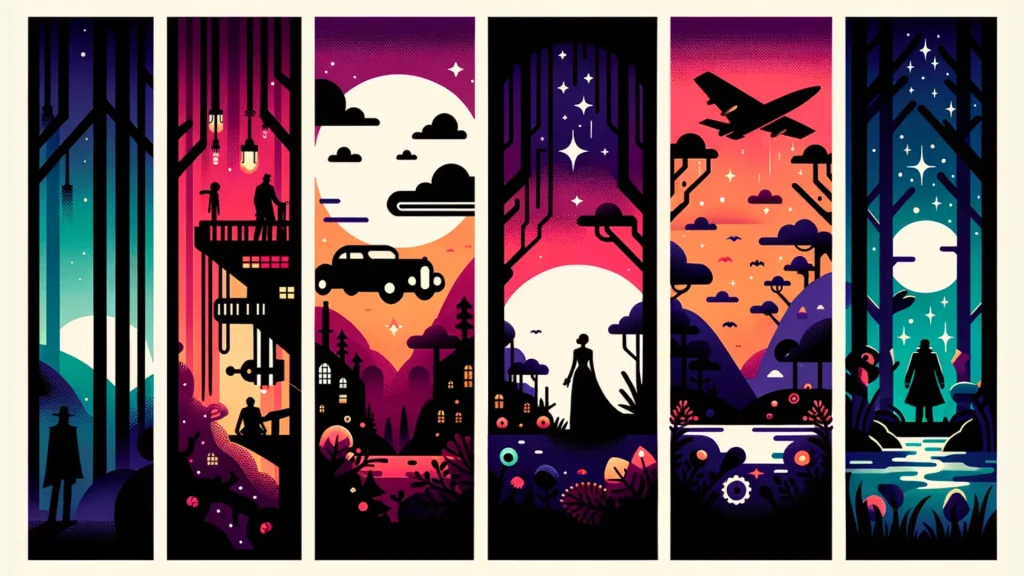
Writing can be a wondrous journey, especially when exploring different genres. Each genre offers its own unique landscape and rules, requiring writers to adapt their prose and storytelling techniques. As we navigate through these varied terrains, writers can unlock new creative avenues, allowing them to stretch beyond their comfort zones.
- Fantasy: This genre is a realm of imagination where magical systems, mythical creatures, and epic quests come to life. Works like J.R.R. Tolkien’s “The Lord of the Rings” or J.K. Rowling’s “Harry Potter” illustrate how complex worlds can captivate readers. Fantasy writers must create intricate settings, rich lore, and compelling characters who often embark on transformative journeys. For instance, character development in fantasy often hinges on their ability to confront—and overcome—formidable adversaries, be they dragons, dark wizards, or personal demons.
- Science Fiction: With a focus on futuristic technology, space exploration, and alternate realities, science fiction invites readers to consider the implications of technological advancements. Classics like Isaac Asimov’s “Foundation” series and more contemporary works such as Andy Weir’s “The Martian” often delve into complex themes of ethics, identity, and the human condition. Writers in this genre face the challenge of constructing believable scientific premises, while also imagining what the future could hold, thus engaging readers in profound discussions about the nature of existence and potential life beyond Earth.
- Mystery: The allure of mysteries lies in their suspense, intricate puzzles, and the thrill of unraveling the unknown. Agatha Christie’s timeless novels, featuring master sleuth Hercule Poirot or Miss Marple, exemplify how a well-crafted plot can keep readers on the edge of their seats. Mystery writers must skillfully weave clues and red herrings throughout their narratives, leading readers to question everything they think they know. It’s not merely about solving crimes, but also about exploring deeper themes of trust, betrayal, and sometimes, the darkness within human nature.
To effectively engage readers, understanding the nuances of these genres is essential. Adaptation involves:
- Shaping characters to fit genre tropes and expectations, such as the reluctant hero in fantasy or the brilliant detective in mystery.
- Utilizing specific language and tone that resonate with genre audiences, which might range from a whimsical style in fantasy to a stark, clinical narrative in science fiction.
- Building unique worlds or settings that captivate and intrigue, allowing readers to escape into vastly different realities few can imagine.
By diving into different genres, writers can expand their creativity and discover fresh perspectives. The adventure lies in mastering these elements while developing a distinctive voice that can traverse genre boundaries.
In the following sections, we will delve deeper into each genre, providing insights and practical tips for honing your craft. Prepare to embark on an exciting exploration of writing techniques that will enhance your storytelling capabilities across the board, ensuring you captivate readers regardless of the genre you choose to explore.
Navigating the Fantasy Realm
Fantasy is the genre most associated with imagination and creativity. Writers venturing into this exciting domain must master the art of world-building, establishing vast landscapes where the extraordinary reigns supreme. Crafting a compelling fantasy narrative involves more than simply creating spells and mythical beasts; it requires a deep understanding of plot mechanisms and character arcs that resonate with readers. Elements such as magic systems must not only be imaginative but also internally consistent. A well-developed magical system can enhance the narrative, providing characters with obstacles, growth opportunities, and moral dilemmas.
To create a believable fantasy world, consider the following essential aspects:
- World-Building: Design a detailed history, geography, and culture for your setting. Think about the social structures, languages, and traditions of the people who inhabit your world. Readers should feel as though they can step into this new reality.
- Character Development: Fantasy often features archetypal characters—a humble hero, a wise mentor, or a malevolent overlord. However, to engage today’s audience, these characters should also possess depth. Exploring their motivations, inner conflicts, and growth throughout the story fosters reader empathy.
- Thematic Depth: Beyond entertaining escapades, fantasy should delve into themes that resonate with the human experience, such as sacrifice, friendship, or the battle between good and evil. This connection enriches the narrative, inviting readers to reflect on their own realities while becoming immersed in a fantastical tale.
Exploring the Futuristic Landscape of Science Fiction
Science Fiction presents a thrilling opportunity for writers to ponder what may lie ahead in human evolution, technology, and the cosmos. This genre distinguishes itself through the interplay of reality and speculation, challenging authors to explore complex scientific concepts while grounding their narratives in human emotions and relationships. Recognizing the significance of sound scientific principles can elevate a narrative from a mere story to a thought-provoking journey where readers contemplate the implications of advancements in technology and ethics.
Consider these critical elements when crafting a science fiction narrative:
- Scientific Accuracy: Even speculative works should be rooted in scientific possibility. Familiarizing yourself with current scientific knowledge, and consulting experts when necessary, can lend a degree of authenticity and credibility to your story.
- Character Motivation: Characters in science fiction must grapple with the extraordinary circumstances in which they find themselves. Their desires, fears, and ethical dilemmas should stand at the forefront of the narrative, prompting readers to connect with their struggles amidst cardboard robots or sprawling galactic empires.
- Exploring Societal Issues: Science fiction often serves as an allegory for real-world issues, making it a platform for discussing complex societal topics. From climate change to artificial intelligence ethics, using your narrative to explore challenging themes can inspire readers to engage with these issues critically.
As you dive into fantasy and science fiction, remember that mastering each genre provides an invaluable toolkit. One that allows you to engage—not just with your imagination but with the very essence of storytelling itself. In the next sections, we will illuminate the twists and turns involved in writing gripping mysteries, ensuring you are well-equipped to thrill your readers no matter the genre.
Developing Unique Voices Across Genres
One of the essential facets of writing in different genres is understanding and establishing unique character voices that resonate with the respective genre’s audience. In fantasy, authors often draw upon archaic speech patterns, immersive descriptions, and epic quests. Characters in this genre might express themselves with a heightened sense of drama and imagination, enabling readers to feel fully absorbed in a magical world.
Conversely, science fiction typically leans towards a more concise, technical voice, often incorporating jargon or advanced concepts to enhance believability. Writers should focus on clarity and logic in dialogue to reflect futuristic settings or technological advancements. This genre often involves protagonists grappling with moral dilemmas posed by advanced technologies or alien cultures, thereby prompting a distinct voice that navigates profound existential questions.
When it comes to mystery, the tone shifts yet again. Here, the voice may require a sense of urgency and tension, utilizing short, punchy sentences to propel the narrative forward. Characters often exhibit a sharp, observant nature, highlighting their deductions through dialogue that keeps readers guessing. Incorporating red herrings and subtle foreshadowing will enrich the reader’s experience while solidifying the particular voice associated with mystery storytelling.
Building Compelling Worlds
Regardless of genre, world-building emerges as a crucial element. In fantasy, authors create intricate worlds filled with unique cultures, history, and systems of magic, all contributing to the storyline’s richness. Writers should emphasize vivid imagery and tactile sensations to make these worlds feel alive.
For science fiction, the world often revolves around futuristic societies grappling with the implications of their technological progress. This requires a delicate balance between imaginative elements and plausible scientific principles. The author’s ability to weave real scientific concepts into storytelling can significantly enhance the legitimacy of the narrative.
In the realm of mystery, the setting plays a pivotal role in setting the mood and contextualizing the plot. Whether it’s a quaint small town or a sprawling metropolis, the backdrop should reflect the story’s suspenseful nature. Writers must utilize the setting to manipulate atmosphere and create tension, keeping readers eager to uncover the mystery.
| Genre | Advantages |
|---|---|
| Fantasy | Creates immersive worlds with rich lore and compelling characters. |
| Science Fiction | Encourages exploration of innovative ideas and moral dilemmas. |
| Mystery | Engages readers with suspenseful plot twists and character-driven narratives. |
The craft of writing across various genres not only challenges authors but also enhances their versatility, ensuring they can effectively communicate the immersive worlds they envision to their audience. Embracing the unique characteristics of each genre will help authors captivate readers, drawing them into unforgettable narratives filled with adventure and intrigue.
Unearthing the Layers of Mystery
Writing in the Mystery genre invites authors to engage in a delicate dance of suspense, where every detail matters and nothing is as it seems. Crafting a compelling mystery is akin to assembling a complex puzzle; writers must artfully weave clues, red herrings, and intricate plots that keep readers on the edge of their seats. The challenge lies not only in revealing the truth but doing so in a way that feels satisfying and surprising, ultimately rewarding the reader for their attentiveness.
To effectively navigate the waters of mystery writing, consider the following crucial components:
- Creating Intriguing Characters: Central to any mystery is the detective—whether amateur or professional—who must be relatable yet flawed, intelligent, and often driven by personal motivations. Consider the archetype of the hard-boiled detective; they are gritty, cynical, and face personal demons while seeking justice. Alternatively, a quirky amateur sleuth can offer a refreshing perspective, inviting readers to root for an underdog caught in a web of intrigue.
- Constructing a Pervasive Atmosphere: Mood plays a critical role in mysteries. Writers should immerse readers in a vivid setting that enhances tension. Whether it’s a fog-laden Victorian London or a sunny small town hiding dark secrets, the environment should act almost as a character itself, influencing the story’s outcome. Darkness, isolation, or even critical weather patterns can elevate feelings of suspense.
- Mastering the Art of Pacing: In mysteries, pacing is akin to a heartbeat—its fluctuations can maintain tension or foster relief. Carefully timed reveals, cliffhangers, and plot twists are essential for keeping readers invested. Effective pacing allows authors to manipulate reader expectations, slowly unveiling the truth while building to a thrilling climax.
Writers in this genre can also benefit from familiarizing themselves with classic mystery novels to understand key themes and narrative structures. For instance, Agatha Christie’s acclaimed works often highlight unreliable narrators, encouraging readers to question the characters’ motives and truthfulness. Emulating this technique can create layers of complexity and a sense of engagement that compels readers to think critically about the clues presented.
Moreover, introducing an element of surprise is paramount. A well-placed twist not only disrupts the reader’s predictions but also opens up new dimensions within the narrative. The allure of mystery lies in the unexpected, challenging both the writer and reader to remain observant and skeptical.
As writers venture forth in their quest to explore fantasy, science fiction, and mystery, they wield the intrinsic power of storytelling to bridge imagination, intellect, and emotion. Each genre presents unique challenges, yet the rewards are boundless for those who dare to master them. By adhering to the critical elements outlined, authors can adapt their prose skillfully across these varied landscapes, captivating readers and inviting them on unforgettable journeys.
Embracing the Journey Across Genres
In conclusion, the art of writing across diverse genres, such as fantasy, science fiction, and mystery, equips authors with a profound ability to not only express their creativity but also engage a wide array of readers. Each genre comes cloaked in distinct expectations and conventions, yet they all share a common thread—the universal drive to tell compelling stories that connect with the human experience.
As we have seen, fantasy writing invites a boundless imagination that transports readers to extraordinary realms, often guided by epic quests and relatable protagonists. Science fiction challenges writers to explore the edges of reality and humanity, utilizing technological advancements to provoke thought and inspire change. Meanwhile, crafting a mystery requires a meticulous balance of suspense, with characters and settings playing crucial roles in weaving a taut narrative that keeps readers guessing until the very last page.
Moreover, adaptability becomes an invaluable skill for writers traversing these landscapes. By understanding the fundamental elements—whether it’s world-building, scientific plausibility, or clue placement—authors can craft prose that enriches their narrative, all while captivating their audience. As aspiring writers hone their craft, the journey through these genres can simultaneously strengthen their storytelling prowess and broaden their creative horizons.
Ultimately, the adventure of writing is not just about mastering the techniques of different genres; it’s about embracing the possibilities they offer. The stories waiting to be told can inspire, entertain, and challenge readers worldwide. So, take a leap, explore the intricate tapestry of genre writing, and unlock the potential that lies within your words.