The Importance of Personal Narrative in Artistic Creation: How Life Stories Influence Creative Hobbies
The Impact of Personal Narratives on Artistic Expression
Personal narratives serve as powerful catalysts for artistic expression. When artists draw from their own life experiences, they inevitably shape their creations with layers of depth and authenticity. These narratives can manifest in various forms, offering unique perspectives and insights that resonate with audiences across diverse backgrounds.
Forms of Artistic Expression
In the realm of Visual Arts, mediums such as paintings, sculptures, and photography not only depict aesthetic beauty but also reflect the emotional journeys of the artists behind them. For example, the evocative works of Vincent van Gogh, particularly his painting «Starry Night,» communicate feelings of turmoil and longing, drawn from his own struggles with mental health. Similarly, contemporary photographers like Dawoud Bey capture the essence of urban life and identity, providing a visual narrative that resonates deeply with viewers.
In Literature, stories and poems often stem not only from imagined worlds but also from personal trials or triumphs. Writers like Maya Angelou and her autobiographical series, beginning with «I Know Why the Caged Bird Sings,» reveal the profound impact of race, identity, and resilience through personal storytelling. This narrative technique not only conveys rich themes but invites readers to reflect on their own experiences.
In the Performing Arts, theater and dance frequently convey individual stories through movement and dialogue. Take the groundbreaking Broadway musical «Hamilton,» which draws from the life of Alexander Hamilton, yet intertwines modern storytelling techniques and diverse casting to relate shared human experiences. This ability to translate personal histories into performance creates a powerful connection with the audience.
Enhancing the Artistic Process
Every creative endeavor is infused with unique insights derived from personal experiences. The influence of life stories can enhance the artistic process in several compelling ways:
- Fostering Authenticity: Artists who share their personal journeys resonate more with audiences. This authenticity invites viewers to engage on a deeper emotional level, leading to a more meaningful connection with the work.
- Encouraging Empathy: Through shared experiences expressed in art, viewers can connect with the emotions behind the work. This fosters a sense of empathy, allowing audiences to confront their own feelings and perspectives.
- Inspiring Others: Life stories can motivate others to explore their own creativity. When artists bravely share their narratives, they encourage others to do the same, creating a ripple effect that enhances overall cultural expression.
In a world where creativity thrives on originality, tapping into what makes us unique is crucial. This exploration of personal narratives not only enriches artistic hobbies and practices but also encourages a deeper understanding of the self and community. By investigating and celebrating our life stories, artists can unlock new dimensions in their work, ultimately leading to a broader impact on society. In this way, personal narratives are not just the foundation of artistic expression; they are a living, evolving force that shapes the cultural landscape.
Connecting Life Experiences to Artistic Hobbies
Artistic creation is often perceived as a solitary undertaking, yet it thrives on the richness of human experience. Personal narratives become an integral part of this interplay, influencing not just the themes and content of artistic work but also the very processes through which creativity is manifested. This dynamic relationship shows how vital individual storytelling is in fostering a profound connection between the artist and their craft.
The Interplay of Personal Experience and Creative Expression
Consider the world of music. Musicians frequently draw inspiration from their life experiences, weaving them into their lyrics and melodies. The iconic singer-songwriter Bob Dylan, for instance, has crafted songs that reflect his own experiences, providing insights into societal issues and personal struggles. His track «Blowin’ in the Wind» captures the essence of human rights activism in the 1960s, prompting listeners to reflect on their societal contexts and moral dilemmas.
Similarly, in crafting and handmade arts, personal narratives often inform the choice of materials and techniques. Artisans like potter David MacKenzie build their pieces around personal stories and cultural heritage, embedding a sense of identity into every creation. This practice not only highlights individual artistry but also connects wider communities by celebrating shared histories and traditions.
Artistic Practices that Benefit from Personal Narratives
The interplay between personal narrative and artistic expression can enhance creative hobbies in several impactful ways:
- Building Community: Artists who share their narratives can foster community among those who might have shared similar experiences. This collective engagement often translates into collaborative projects, workshops, or communal exhibits that elevate the importance of storytelling in art.
- Encouraging Exploration: When artists showcase their life stories, they invite audiences to explore and question their own narratives. This encourages self-reflection and exploration among hobbyists, inspiring them to dive deeper into their own artistic journeys.
- Facilitating Healing: Personal narratives often encompass themes of struggle and healing. Engaging in artistic hobbies provides a therapeutic outlet, allowing both the artist and their audience to process difficult emotions and experiences through the lens of creativity.
As the artistic landscape continues to evolve, the relevance of personal narratives remains steadfast. The act of articulating one’s life story through creative hobbies not only creates art but also illuminates the intricate tapestry of human experiences. Artists who weave their personal histories into their crafts not only solidify their voices but also resonate with audiences in ways that transcends mere entertainment, nurturing a sense of connection and understanding in today’s complex world.
The Importance of Personal Narrative in Artistic Creation: How Life Stories Influence Creative Hobbies
Artistic creation often has a deeply personal element—an individual’s life experiences shape their creative expression. The narratives that we each carry become a rich substrate from which we cultivate our artistic endeavors. This section will delve into specific ways in which personal stories can fuel creativity and enhance individual hobbies.
Connecting with Emotions through Personal Narratives
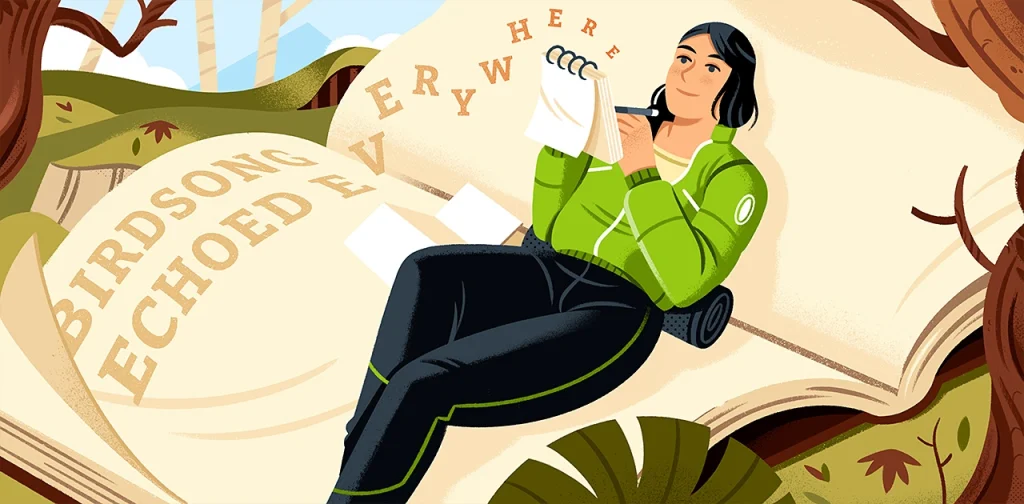
Personal narratives serve as a conduit for emotional expression. Artists frequently translate their life experiences into their work, engaging with feelings such as joy, sorrow, and nostalgia. For instance, a painter may depict childhood memories, using colors and brushstrokes to convey the emotions tied to those experiences. By steeping their art in personal reflection, creators invite viewers to connect with their work on a deeper level, tapping into shared human experiences.
Historical Context and Cultural Significance
Personal narratives also provide context and significance that resonate culturally. An artist who draws on their heritage might infuse their work with traditional techniques or storytelling methods unique to their community. This not only preserves these rich traditions but also encourages a dialogue about cultural identity. An example can be seen in the works of many contemporary artists who explore themes of displacement and identity, making their personal journeys synonymous with broader global narratives that resonate with audiences.
Innovation Through Personal Experience
Many innovative ideas stem from an artist’s personal interpretations of life experiences. Whether it’s a writer’s exploration of trauma or a musician’s composition inspired by pivotal moments, these stories can push creative boundaries. Artists who integrate their life stories often find new methods or styles, leading to the evolution of artistic practices that can influence entire genres or movements. The interplay between personal narrative and technology has also provided unique platforms for artists to share their journeys, thus re-defining the boundaries of artistic expression.
| Category | Key Features |
|---|---|
| Connection with Emotions | Art becomes a vessel for emotional expression, fostering connections based on shared feelings. |
| Cultural Narratives | Fuses personal experiences with cultural history, prompting discussions around identity and heritage. |
| Innovation | Encourages unique artistic progression by redefining techniques and styles through individual stories. |
The myriad ways in which personal narratives influence artistic creation are profound. These stories not only enrich the fabric of creative hobbies but also connect artists to their audiences in meaningful and impactful ways, inviting us all to explore the art of storytelling in our own lives.
The Transformative Power of Personal Narratives in Art
The importance of personal narrative in artistic creation extends beyond mere inspiration; it acts as a transformative power that can redefine the relationship between the artist and their audience. By sharing their stories, artists invite others to engage in an emotional dialogue, bridging gaps between diverse backgrounds and experiences. This facet of personal storytelling elevates art to a higher purpose—one that goes beyond aesthetics to encompass meaning and depth.
Case Studies of Impactful Artistic Narratives
Take, for instance, the visual art scene where artists like Frida Kahlo have made an indelible mark. Kahlo’s self-portraits are deeply rooted in her personal struggles with identity, gender, and health. Each painting reflects a chapter of her life, providing viewers with a visceral understanding of her pain and resilience. By illuminating her own narrative through art, she has made profound statements about the universal themes of personal trauma and healing, resonating with countless individuals who might find themselves navigating similar challenges. Kahlo’s legacy serves as a compelling reminder of how life stories can transform personal agony into a collective artistic dialogue.
Moreover, in the realm of literature, memoir writing has burgeoned into a popular genre that exemplifies similar principles. Authors like Maya Angelou and her work, “I Know Why the Caged Bird Sings,” encapsulate the essence of personal storytelling. Her narrative recounts experiences of loss, racism, and eventual empowerment, allowing readers not only to empathize with her plight but also to reflect on broader societal issues. The accessibility and relatability of such narratives encourage aspiring writers to explore their own life stories, igniting new discussions on culture, identity, and social justice.
Personal Experience as a Catalyst for Innovation
Beyond emotional engagement, personal narratives also serve as a catalyst for innovation within artistic practices. When artists draw from their experiences, they often challenge conventional forms and push the boundaries of traditional mediums. This can lead to the birth of new styles and techniques, as individuals amalgamate personal anecdotes with their artistic visions.
- Redefining Genres: By integrating various art forms, personal narratives allow artists to redefine existing genres. For example, contemporary dancers often incorporate elements of storytelling to convey emotions that transcend words, making the abstract more tangible.
- Innovative Uses of Technology: In the digital age, artists harness new technologies to tell their stories. Digital storytelling through platforms like Instagram or interactive websites enables creators to connect with audiences in real time, turning their life experiences into immersive narratives that encourage viewer participation and interaction.
- Cross-Disciplinary Collaborations: Artists from diverse fields collaborate to bring personal narratives to life through innovative projects. For instance, visual arts and theater combined can result in performances that encapsulate personal histories while employing striking visuals, expanding the dialogue on themes like identity and community.
The diversity and richness of personal narratives reflect the humanity at the core of artistic creation. As individuals continue to become increasingly aware of the power of their stories, the impact on creative hobbies will likely expand further. By promoting the sharing of lived experiences, art evolves into a medium of communication that has the potential to unite varied perspectives into a shared tapestry of understanding and empathy.
Conclusion: Weaving Stories into Art
As we delve into the profound impact of personal narratives on artistic creation, it becomes clear that life stories are not merely backdrops for creativity; they are the driving forces that shape art’s very essence. From visual arts to literature, artists harness their experiences to construct works that transcend the individual, engaging audiences in a universal dialogue about humanity, resilience, and transformation. The compelling examples of artists like Frida Kahlo and writers such as Maya Angelou illustrate how intricate personal histories can foster empathy and connection among diverse communities, uniting people through shared themes of struggle and triumph.
Furthermore, personal narratives serve as a catalyst for artistic innovation, challenging creators to push boundaries and redefine genres. In an age where technology is rapidly evolving, the method by which these stories are shared—whether through digital platforms or interdisciplinary collaborations—continues to enrich the artistic landscape. This integration of life experiences not only breathes new life into creative hobbies but also empowers individuals to explore and articulate their identities.
Ultimately, the exploration of one’s own story is an invitation for others to embark on a similar journey of self-discovery and expression. As the significance of personal narrative in artistic creation continues to unfold, it encourages us all to embrace our unique voices and contribute to a richer, more interconnected tapestry of human experience in art. Therefore, let us recognize and celebrate the myriad ways our life stories can inspire creativity, foster community, and leave an indelible impact on the world of art.