Explore Crochet Art Beginner Techniques Project Ideas
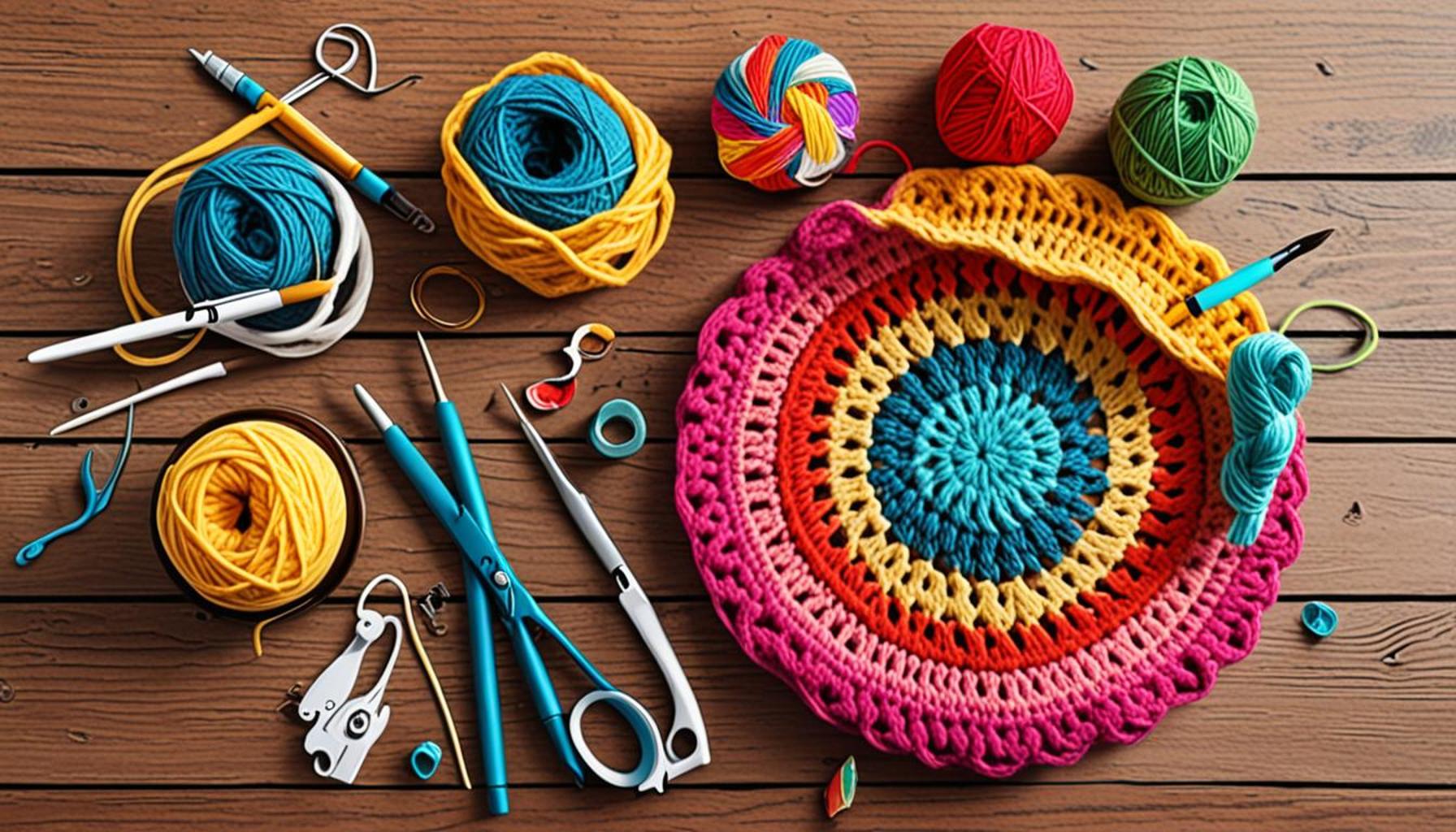
Unveiling the Creative World of Crochet
As a delightful blend of artistry and craft, crochet has captivated enthusiasts across the globe. This creative hobby not only allows for individual expression but also fosters a sense of accomplishment with each completed project. Whether you’re looking to make handmade gifts or simply wish to relax with yarn and hook, crochet offers a rewarding way to channel your creativity.
For beginners, the journey into crochet can seem daunting, but it is remarkably accessible. With just a few basic techniques, anyone can transform simple materials into beautiful creations. With this in mind, we will explore:
- Essential crochet techniques
- Inspiring project ideas
- Resources for beginners
Prepare to dive into the vibrant world of crochet as we present the Top 5 techniques and projects tailored for newcomers. Each entry will not only equip you with skills but also spark your imagination, encouraging you to embrace this fulfilling craft.
Top 5: Exploring the Art of Crochet – Techniques and Projects for Beginners
Crochet is not just a simple pastime; it’s a creative journey that allows you to transform threads into beautiful handmade items. If you are a beginner looking to dive into the colorful world of crochet, this article presents the top five aspects of the craft that will help you kickstart your journey. From essential techniques to exciting projects, let’s explore the ins and outs of crochet that every beginner should know!
5. Understanding the Basics of Crochet Hooks and Yarns
The first step to becoming proficient in crochet is understanding the tools of the trade. This includes crochet hooks and yarns. Crochet hooks come in various sizes and materials, including aluminum, steel, wood, and plastic. Aluminum hooks are popular among beginners due to their light weight and smooth finish, enhancing ease of use. Wooden hooks offer a gentle grip and natural feel, while plastic hooks are colorful and flexible. Each hook corresponds to different yarn thicknesses, so picking the right combination is crucial for your project’s success.
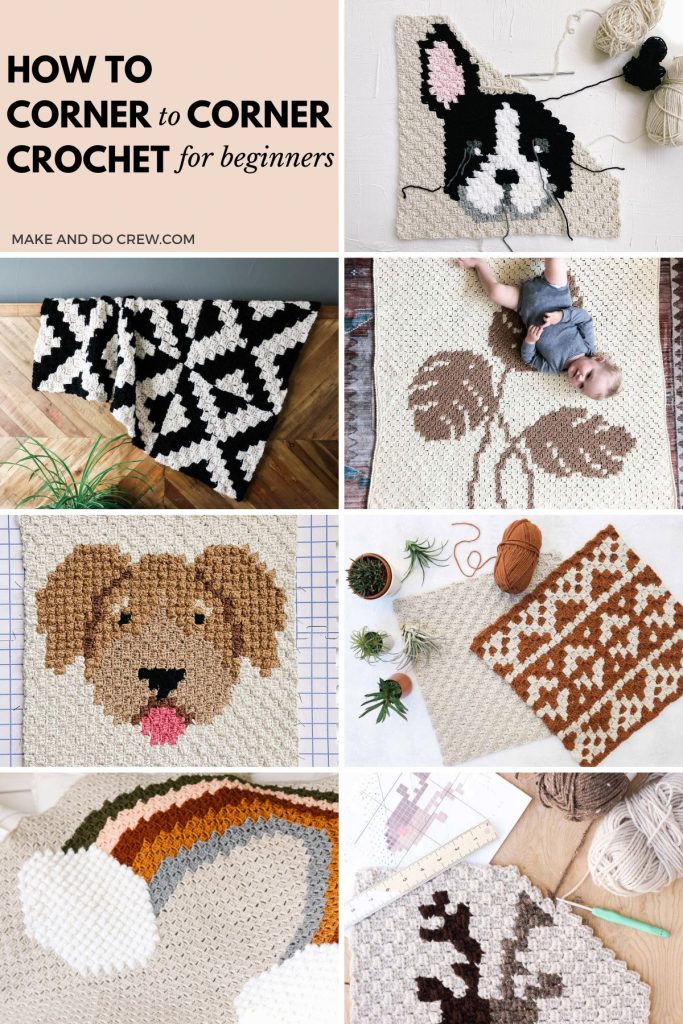
Beginners are often advised to start with a medium-sized hook, such as a 5mm (H) or 6mm (J), as these sizes work best with worsted-weight yarn. Yarn is equally important in your crochet journey. The weight of the yarn, often categorized into lace, fingering, sport, worsted, and bulky, influences both your crochet experience and the final project. Beginners should start with worsted weight yarn because it’s denser and easier to handle. Additionally, you should familiarize yourself with yarn labels that provide essential information about the material, recommended hook size, and care instructions.
Different fibers like cotton, wool, and acrylic also affect the outcome of your projects. Acrylic yarn is favored for its affordability and ease of care, while cotton is perfect for dishcloths due to its absorbency. Wool, with its warmth, is ideal for winter accessories, but require special care during washing.
4. Mastering Basic Stitches
Now that you’re equipped with the right tools, it’s time to dive into the heart of crochet: the stitches. Mastering basic stitches will provide you with a solid foundation for further skills. Here are some essential stitches every beginner should learn:
- Chain Stitch (ch): The foundation of almost all crochet patterns. Learning this stitch is akin to learning the alphabet of crochet. It forms the base row that other stitches are built upon.
- Slip Stitch (sl st): Useful for joining rounds or moving across stitches. It creates a seamless connection that is almost invisible and is handy in projects like circles or garments.
- Single Crochet (sc): A simple stitch, perfect for creating dense fabrics. It’s often used in projects like amigurumi, which are crocheted stuffed toys.
- Double Crochet (dc): Adds height to your work, creating more open designs. It’s particularly popular in making shawls and blankets due to its airy feel.
By practicing these stitches, you will gain the confidence to follow more complex patterns. Consider setting aside time each day to practice until these stitches become second nature. There are numerous resources available online, from video tutorials to step-by-step guides, that can aid your learning process.
3. Exploring Patterns for Beginners
Once you’ve mastered the basic stitches, it’s time to put them into practice. Enter the world of crochet patterns. The vast array of available patterns can be overwhelming, so starting with simple designs is a good idea. Look for patterns that specify “beginner-friendly” or “easy” to ensure that they match your skill level. Online platforms like Ravelry or Etsy offer a plethora of patterns, oftentimes incorporating visual aids and community feedback.
Popular beginner projects include:
- Scarves: A classic project that allows you to practice various stitches. They require minimal shaping and provide ample opportunity to understand tension and stitch variations.
- Granny Squares: Great for understanding color changes and joining techniques. These can be transformed into blankets or coasters and are perfect for using up leftover yarn.
- Dishcloths: Quick to make and practical! These small projects let you experiment with different yarns and stitch patterns, learning about how yarn behaves under different conditions.
- Headbands: A fun accessory that teaches shaping. They can introduce you to techniques like increasing and decreasing, which are essential for more advanced projects.
Pursuing these projects will not only enhance your skills but also provide a sense of accomplishment, motivating you to tackle more complex designs. Interpreting patterns facilitates learning crochet terminology and symbol usage, bridging the gap to advanced techniques.
2. Joining the Crochet Community
One of the most rewarding aspects of crocheting is the sense of community it fosters. By joining local crochet groups or online communities, you can connect with fellow enthusiasts, share experiences, and seek advice. Social media platforms like Instagram and Facebook offer numerous crochet groups where you can exchange tips, participate in challenges, and showcase your work.
Additionally, consider participating in public crochet events like “yarn bombing” or local crochet meet-ups. These gatherings not only enhance your skills but also allow you to make lasting friendships with fellow crafters, enriching your crochet journey. Crochet-alongs (CALs) are excellent opportunities to learn collaboratively, as participants engage in creating a project simultaneously, sharing insights and encouragement.
Engage with creators on platforms like YouTube, where many talented crocheters provide tutorials tailored for both beginners and seasoned crafters. This instant access to a wealth of knowledge is invaluable as you encounter challenges in your projects.
1. Creating Your Own Designs
As you gain confidence and skill in crochet, the ultimate goal for many is to create original designs. This aspect of crochet fosters immense creativity and personal expression. Start by modifying existing patterns to add a unique twist. For instance, you can change colors, combine stitches, or adjust sizes. This initial step helps you understand the intricacies of crochet construction.
Once you feel ready, venture into crafting entirely original projects. Sketch your ideas and develop them into cohesive patterns. This is a brilliant way to leave an artistic signature in each of your creations. Documenting your design process can also provide valuable insight and serve as a track for future references. Utilize graph paper or design software to visualize your patterns, ensuring their practicality before commencing with yarn.
Take inspiration from your surroundings, historical crochet styles, or even fashion trends. This exploration not only broadens your creative boundaries but also ensures a dynamic and lifelong engagement with crochet.
Your journey into crochet is a canvas waiting for your personal touch. From selecting the perfect yarn to designing unique pieces, every step is filled with opportunities for discovery and self-expression. Dive in, explore, and create memories with each loop and stitch, continuing the rich tradition of crafting beauty from a simple spool of yarn.
| Category | Details |
|---|---|
| Fundamentals of Crocheting | Understanding basic stitches like chain, slip stitch, and double crochet enables beginners to develop their skills quickly. |
| Pattern Reading | Being able to decode crochet patterns enhances creativity and allows for exploration of complex designs, making projects more fulfilling. |
| Variety of Projects | Beginner-friendly projects range from simple scarves to intricate home decor items, offering an engaging way to practice techniques. |
| Community and Support | Engagement in crochet groups, both online and offline, fosters connections and provides valuable tips and encouragement for newcomers. |
Exploring the art of crochet is not just about the end product — it’s a journey through creativity and skill development. As novices dive deeper into the world of crochet, mastering the fundamentals becomes vital. It is essential to grasp basic stitches, which serve as the foundation for more advanced techniques. This knowledge not only cultivates dexterity but also enhances a crafter’s ability to tackle diverse projects.In addition, decoding patterns can significantly elevate a beginner’s crochet experience. It opens up avenues to express creativity while following written instructions for unique designs. Each success in interpreting a pattern boosts confidence and inspires a desire to explore more complex works.The variety of crochet projects available is another enticing aspect of this craft. From cozy scarves to elaborate wall hangings, the spectrum of achievable items keeps the craft fresh and exciting. Such flexibility in projects allows beginners to develop their style, experiment with colors and textures, and gain mastery over time.Moreover, the supportive crochet community is an invaluable asset for beginners. Through social media platforms, local classes, and craft fairs, newcomers can access a wealth of shared knowledge and motivation. Joining this vibrant community can lead to lifelong friendships as well as lifelong learning in the intricate world of crochet.
Frequently Asked Questions: Exploring the Art of Crochet
What are the essential tools I need to start crocheting?
To embark on your crocheting journey, you’ll need a few key tools. The most important is a crochet hook, which comes in various sizes suitable for different types of yarn. Additionally, you’ll need yarn, preferably a medium-weight yarn for beginners, a pair of scissors for cutting, and a tapestry needle for finishing your projects. Having a simple measuring tape can also be helpful for ensuring accuracy. Starting with these essentials will set the foundation for your crochet endeavors.
How can I choose the right yarn for my projects?
Choosing the right yarn is crucial for any crochet project. Pay attention to the yarn weight and type. Beginners might want to start with medium worsted weight yarn due to its versatility and ease of handling. It’s also beneficial to select a yarn color that is light or bright, making it easier to see your stitches. Opting for natural fibers, like cotton or wool, can also enhance the texture and finish of your work.
What are some beginner-friendly crochet patterns I can try?
There are plenty of simple crochet patterns perfect for those just starting. Beginners often enjoy creating simple scarves, dishcloths, or potholders, as these projects are straightforward and provide quick gratification. Granny squares also make for a great starting point, and they can be joined together to create larger items like blankets. Patterns specifically marked as “beginner” will guide you more easily through the process.
How can I improve my crochet technique?
Improvement in crocheting comes with practice and patience. As a beginner, you should focus on mastering basic stitches, such as the chain stitch, single crochet, and double crochet. Watching online tutorials and joining crochet communities can also be incredibly beneficial. Don’t shy away from asking questions or seeking advice from more experienced crocheters. Moreover, gradually tackling more complex projects will develop your skills and boost your confidence.
What are common mistakes to avoid for beginners in crochet?
Many beginners make some common mistakes when starting out in crochet. One frequent issue is tension inconsistency, which can be improved by maintaining a relaxed grip on your hook and yarn. Another is miscounting stitches, which can lead to unexpected changes in your project’s shape. Paying careful attention during each row, and routinely counting your stitches, will help minimize errors. Lastly, using the wrong hook size for your yarn can cause discomfort and affect the look of your finished piece, so be sure to match your tools according to project instructions.
Conclusion: Discovering the Art of Crochet
The journey into the world of crochet for beginners is an invitation to engage with a creative hobby that balances artistry and technique. Throughout the article, we have unravelled the fundamental techniques and highlighted projects that serve as a springboard for any fledgling crocheter.
Key Takeaways
- Understanding the Basics: Grasping the essentials, like choosing the right yarn and mastering basic stitches, is crucial for laying a solid foundation.
- Mastering Techniques: Emphasizing methodical practice of basic stitches such as chain, single, and double crochet ensures the development of versatile skills that will underpin future projects.
- Embarking on Projects: Simple projects, including scarves and dishcloths, provide opportunities to apply learned techniques while simultaneously igniting a sense of achievement and motivation.
- Engaging with a Community: Accessing resources within crochet communities offers support, inspiration, and camaraderie, bonding enthusiasts across various skill levels.
- Exploring Creativity: Once comfort with basic techniques is achieved, crocheters can begin experimenting, exploring creativity that enriches and customizes each piece.
Crochet signifies more than just a hobby; it is a gateway to a community of creators and an opportunity for self-expression through handcrafted pieces. Whether seeking a meditative activity or desiring to create custom works, crochet provides a plethora of techniques and projects tailored to meet beginner needs. Its continued relevance and adaptability in the realm of creative hobbies emphasize its enduring appeal. Crochet invites you not just to learn, but to imagine and create, extending the boundaries of possibility with every new stitch. As you continue your journey, remember to balance patience with perseverance, and the intricate art of crochet will unravel its wonders at your fingertips.