Exploring Cultural Diversity in Performing Arts Embracing Inclusion on Stage
Introduction
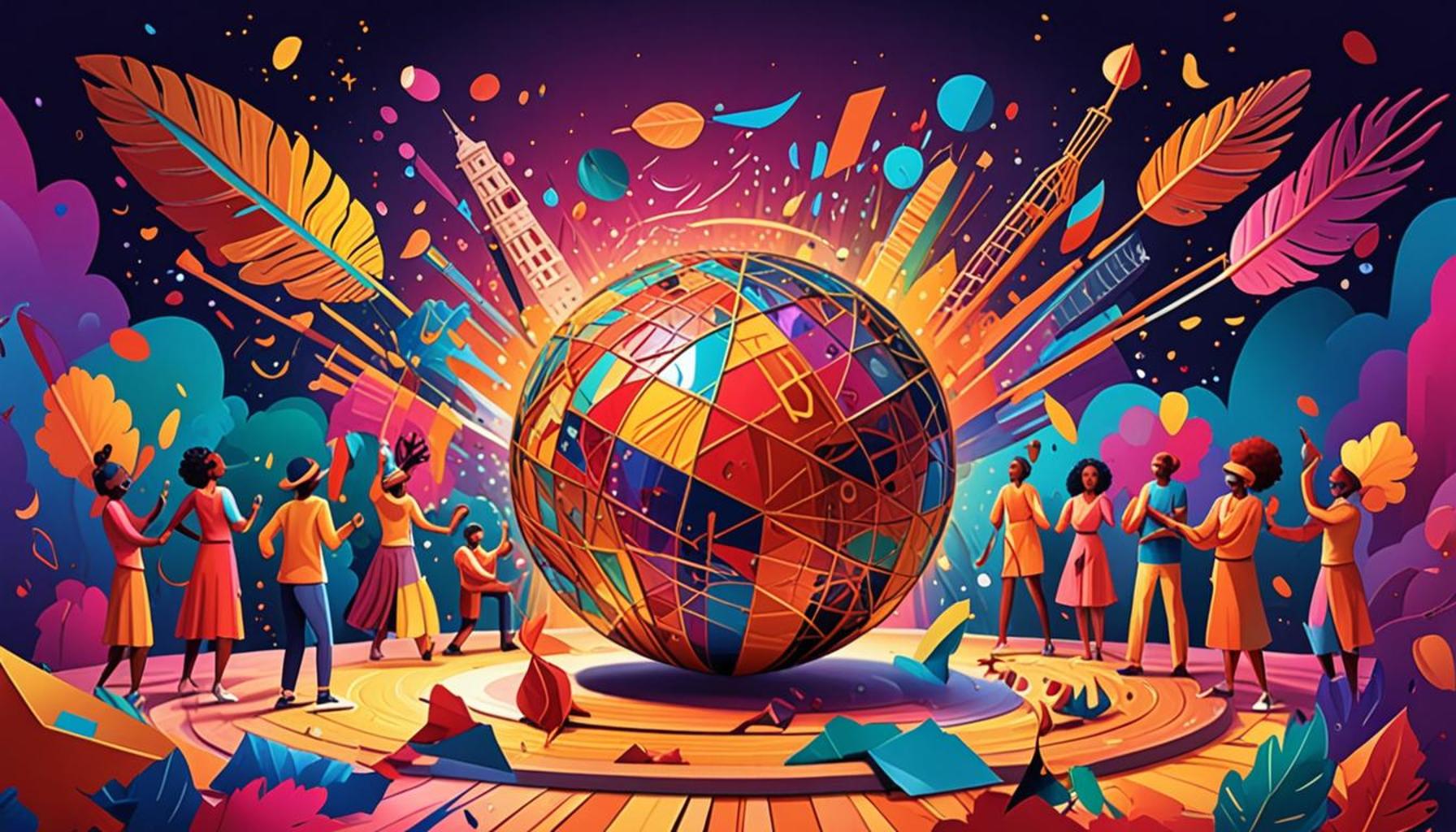
In today’s globalized world, the performing arts have become a powerful medium for cultural exchange and expression. The stage serves as a vibrant platform where diverse voices can intersect, enriching narratives and challenging societal norms. Recognizing the significance of inclusion in the arts, artists and organizations are increasingly embracing various cultural backgrounds to create a more representative performing landscape.
As audiences become more aware of cultural diversity, it is crucial to explore its impact on creative hobbies within the performing arts. The incorporation of different traditions, languages, and perspectives not only fosters a sense of belonging but also enhances the overall artistic experience. This article will delve into the importance of inclusion on stage, culminating in a curated list of the Top 5 innovative works that exemplify this diversity.
- Broadening Perspectives: Highlighting varied cultural narratives.
- Enhancing Creativity: Infusing new ideas and inspirations from different traditions.
- Empowering Communities: Providing a voice to underrepresented groups.
- Building Connections: Fostering understanding and empathy among audiences.
- Promoting Representation: Reflecting the true tapestry of society in performing arts.
Top 5: Exploring Cultural Diversity in Performing Arts: The Importance of Inclusion on Stage
The performing arts are an influential mirror of society, dynamically threading together the multiplicity of culture, identity, and human experience. As the world becomes increasingly interconnected, there has been a compelling shift towards inclusivity in this field, encouraging the representation of diverse voices and stories in theatre, dance, and music. This article delves into the five key areas that highlight why cultural diversity and inclusion are vital in the performing arts.
5. Diverse Storytelling Enhances Creativity
Cultural diversity transforms storytelling into a vibrant tapestry, bringing forth unique narratives that connect with a wider audience. Diverse perspectives can significantly deepen the impact of the arts by introducing fresh ideas that challenge conventional plots and themes. Consider these aspects:
- Cross-cultural collaborations create synergistic opportunities for innovative performances that blend varying traditional narratives into unprecedented artistic expressions. For example, Lin-Manuel Miranda’s “Hamilton” seamlessly integrates the foundational history of America with hip-hop, resonating with diverse audiences worldwide.
- Multilingual performances break the language barrier, offering audiences a more nuanced understanding of the storyline and allowing them to appreciate the artistic expressions in their native languages. Productions like “The Lion King” have successfully employed multilingual casts to cater to global audiences with profound impact.
- Incorporating folk traditions from diverse cultures can rejuvenate modern storytelling with timeless wisdom and unique cultural flavors. For instance, the Indian epics in dance forms like Bharatanatyam introduce audiences to stories steeped in rich ancient tradition, providing a refreshing lens through which to view human experience.
Ultimately, by embracing diverse storytelling, the performing arts continue to evolve, providing audiences with consistently engaging and thought-provoking content.
4. Representation Matters
The issue of representation in performing arts transcends the mere physical presence of diverse people on stage. It acknowledges, validates, and celebrates different cultures and identities, reinforcing the idea that all stories deserve to be told. Insights into its importance include:
- The empowerment of minority communities, who see themselves reflected in mainstream media, encourages participation and stimulates pride within these groups.
- Inspiring young artists from various backgrounds nurtures the next generation of creative talents who bring their lived experiences to the stage, enriching artistic dialogue and diversity.
- Creating an inclusive environment where myriad voices are heard challenges stereotypes and aids in dismantling systemic biases within the industry.
This inclusion not only broadens audiences’ understanding but reflects a more accurate and fair depiction of society. The widespread acclaim of productions like “Pose,” which represents the stories of LGBTQ+ people of color, exemplifies the transformative power of representation.
3. Bridging Cultural Gaps
Cultural diversity in the performing arts acts as a conduit for bridging gaps between different societal demographics. Through expressive mediums like music, dance, and theatre, these arts promote cross-cultural comprehension and foster communal harmony. Some effective methods include:
- Festival collaborations illuminate the beauty of cultural pluralism. Events like the World Music Festival in Chicago celebrate global sounds, uniting diverse traditions under one banner.
- Workshops offer a hands-on approach for artists from various backgrounds to exchange skills and traditions, encouraging intercultural learning and understanding.
- Socially engaged performances initiate vital conversations about cultural disparities, encouraging dialogues that can dismantle prejudice and promote empathy.
These efforts not only enhance cultural awareness among audiences but also cultivate mutual respect and unity, ultimately contributing to a more harmonious society.
2. Economic and Social Impact
The promotion of cultural diversity on stage extends beyond the enrichment of artistic expression, presenting substantial economic benefits. Integrating diverse narratives can attract a larger, more varied audience, boosting local economies and providing various opportunities:
- Increased attendance at performances tailored to diverse demographics enhances ticket sales and invigorates the community’s cultural scene.
- Support for local artists thrives through these initiatives, uplifting communities economically by creating jobs and promoting regional talent.
- Culturally rich festivals and events can play a significant role in attracting tourism, further adding to the financial vitality of the area.
Socially, these endeavors elevate marginalized communities, offering platforms for expression and growth. Programs like “Urban Stages Outreach” exemplify how the arts can nurture social change, provoke thought, and encourage education, thereby helping individuals grow personally and professionally.
1. Cultural Exchange Cultivates Human Connection
Arguably, the most significant benefit of cultural diversity in the performing arts is its ability to foster profound human connections. Art transcends physical and ideological boundaries and facilitates shared experiences among diverse populations. Factors contributing to this dynamic include:
- Collaboration between artists from varied backgrounds crafts powerful relationships that deepen the understanding of diverse cultural narratives.
- Shared spaces within theatre or concert venues become melting pots of cultural appreciation where audiences are exposed to, and can celebrate, different traditions and practices.
- Encouraging dialogue about cultural identities, through performances and interactive discussions, enhances mutual respect and broadens perspectives.
By creating a shared cultural space, performing arts encourage society to embrace diversity, leading to a more interconnected and inclusive world. Celebrating cultural diversity in the performing arts is essential not only for the evolution of the art form but also for enhancing the fabric of society. By fostering inclusion, the arts continue to act as a powerful vehicle for positive social change and collective human growth.
Continuing our exploration of cultural diversity in the performing arts, it is critical to recognize how integrating varied cultural expressions enriches not only the arts community but society at large. The incorporation of performers from different backgrounds—whether through dance, theatre, or music—offers audiences a rare glimpse into the myriad of cultures that shape our world. This connectivity can dismantle preconceived notions and foster greater understanding among diverse populations.Moreover, the impact of cultural diversity on the performing arts extends beyond mere representation. It actively shapes the narratives conveyed on stage. By embracing unique cultural perspectives, artists are able to tell stories that resonate on multiple levels. Such narratives can draw from folklore, traditional practices, or even contemporary issues faced by particular communities, enhancing the relevance of performance art in a global context.The significance of inclusion does not only pertain to the performers but also extends to the creative teams behind the scenes. The involvement of individuals from different cultural backgrounds within directing, playwriting, and technical teams fosters a collaborative environment rich in ideas and solutions. This diversity of thought can lead to innovative productions that challenge the status quo and push the boundaries of artistic expression.As we delve deeper, it’s essential to highlight the role of educational initiatives in promoting inclusivity in the performing arts. Programs that focus on cultural exchange not only cultivate talent acutely aware of the arts’ socio-cultural implications but also encourage audience engagement. By introducing students and young artists to a variety of cultural forms, these programs cultivate critical thinking and empathy, essential tools for the next generation of performers.In this rapidly changing world, the arts must not remain static. Artists and theaters willing to embrace a rich tapestry of voices are more likely to remain relevant and impactful. The quest for a more inclusive stage is not only about representation; it’s about creating a cultural landscape where every voice is valued and heard. Thus, the importance of inclusion in the arts cannot be overstated—it is the key to unlocking a more vibrant and dynamic future for the performing arts.
Frequently Asked Questions about Cultural Diversity in Performing Arts
Why is cultural diversity important in performing arts?
Cultural diversity in performing arts is crucial as it provides a broader spectrum of stories, perspectives, and traditions, enhancing the richness of the art form. By incorporating various cultures, audiences gain exposure to different worldviews, fostering empathy and understanding. This diversity also ensures that art reflects the reality of a multicultural society, where multiple voices and experiences coexist and challenge traditional narratives.
How can inclusion be effectively promoted on stage?
Promoting inclusion on stage requires intentional efforts in casting, storytelling, and production processes. It means providing opportunities for artists from underrepresented groups to tell their own stories, thereby challenging stereotypes and homogenized representations. Organizations can also implement inclusive policies and training programs to ensure equity. Importantly, collaboration with cultural consultants can add authenticity and depth to performances, ensuring that diverse backgrounds are genuinely represented rather than superficially.
What impact does cultural diversity have on audiences and the arts community?
Cultural diversity can have a powerful impact on audiences by broadening their horizons and encouraging them to engage with new cultural norms and values. For the arts community, it fosters a more dynamic and innovative environment where different techniques and styles intermingle, leading to a more vibrant and evolving art scene. The integration of diverse elements can result in performances that are richer and more compelling, appealing to a broader audience base and increasing attendance and participation in the arts.
Are there any challenges associated with increasing diversity in the arts?
While promoting diversity is essential, it comes with challenges such as overcoming biases and dismantling existing structures that have traditionally favored certain groups. There can also be resistance from within the community, as change often prompts fear or misunderstanding. Additionally, the risk of cultural appropriation or tokenism is present if diversity efforts are not handled with sensitivity and respect. It is vital for those involved to approach cultural diversity with a genuine commitment to understanding and accurately representing the cultures being portrayed.
Conclusion: Embracing Cultural Diversity on Stage
The exploration of cultural diversity within the performing arts is a profound journey that holds the potential to transform creative hobbies and professional practices alike. Throughout this article, we have delved into the various ways cultural inclusion enriches the arts, fostering a wide array of perspectives and stories that resonate with diverse audiences. By shining a light on the powerful role of diversity, we have emphasized its impact on both those who perform and those who spectate.
The highlights of the article have shown that incorporating a range of cultural expressions on stage not only enhances creativity but also challenges societal norms, offering fresh narratives that push the boundaries of traditional storytelling. The integration of diverse actors, playwrights, and directors brings to life authentic tales that reflect the nuances of different cultures. Furthermore, this inclusivity serves as a crucial educational tool, allowing audiences to engage with stories outside their own experiences.
However, achieving true inclusion requires concerted effort and intentionality in representation. It’s crucial for industry leaders to prioritize platforms that amplify marginalized voices. The encouragement of cross-cultural collaborations leads to productions that are inherently richer and more compelling.
Ultimately, exploring cultural diversity in the performing arts plays a pivotal role in fostering empathy, understanding, and unity. As artists and audiences continue to embrace these varied narratives, they contribute to breaking down barriers and building a more cohesive world. The transformative power of diversity ensures that the stage remains a dynamic reflection of the world we inhabit, offering endless possibilities for creative exploration and expression.
The journey toward inclusive stages is ongoing, and it challenges us to continue learning, adapting, and appreciating the unique beauty that each culture brings to the tableau of performing arts. Embracing this diversity not only enriches our creative pursuits but also inspires us to discover new horizons beyond the stage.