
How Theater Dance Improve Mental Health Transform Lives
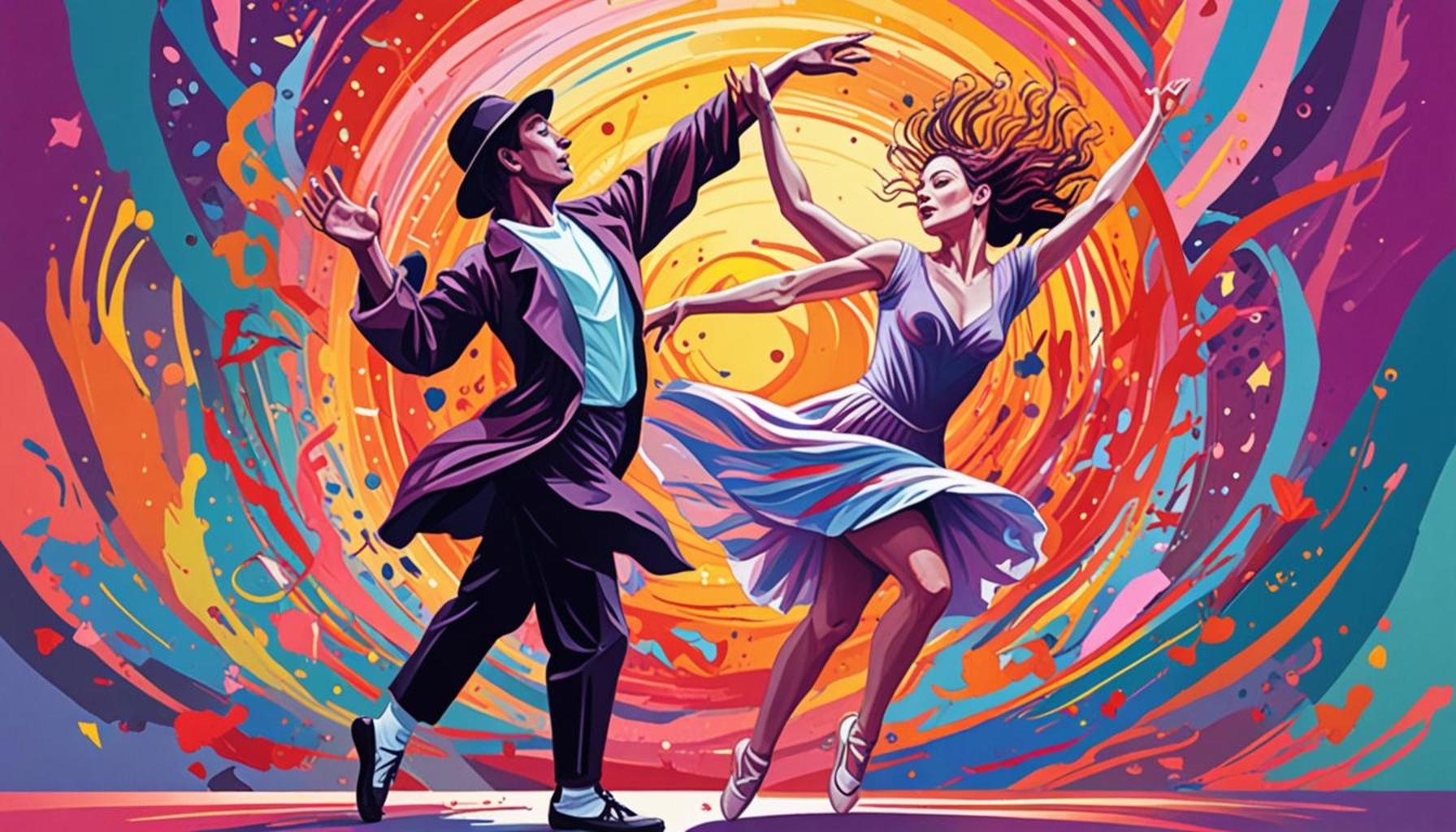
Exploring the Transformative Power of Performance Arts
Creative hobbies like theater and dance extend far beyond mere entertainment; they can serve as powerful tools for enhancing mental health. Research increasingly highlights how engaging in performing arts can lead to significant emotional and psychological benefits. The impacts are profound, often bringing about personal transformation and healing.
The therapeutic effects of these art forms are numerous, including:
- Stress Reduction: Engaging in artistic endeavors helps alleviate anxiety and promote relaxation.
- Boosted Self-Esteem: Performing on stage allows individuals to express themselves, fostering confidence.
- Improved Social Connections: Collaborative practices build community and friendships, combating feelings of isolation.
- Enhanced Emotional Regulation: Dance and theater allow for expression and release of complex emotions.
- Increased Mindfulness: Participants often achieve a state of flow, enhancing their awareness of the present moment.
This article will delve into the Top 5 ways that theater and dance contribute to mental wellness, showcasing how these forms of creative expression can transform lives. Prepare to uncover insights that may inspire you to explore these fulfilling activities.
Top 5: The Influence of Performing Arts on Mental Health: How Theater and Dance Can Transform Lives
The role of performing arts transcends simple entertainment, acting as a profound catalyst for personal and psychological change. Both theater and dance possess an inherently transformative power, with the potential to significantly influence mental health. In this article, we explore the top five ways that performing arts can impact our mental state, progressing from the fifth most influential aspect to the first. Each section uncovers the depth and variety of benefits that theater and dance offer, illustrating how creativity can serve as a powerful ally in improving mental health.
5. Increased Self-Esteem and Confidence
One of the most tangible impacts of participating in theater and dance is the boost in self-esteem and confidence. These art forms encourage individuals to express themselves freely, often resulting in a newfound sense of empowerment. By stepping onto the stage or embracing the fluidity of dance, participants confront common fears and anxieties, such as stage fright or social apprehension.
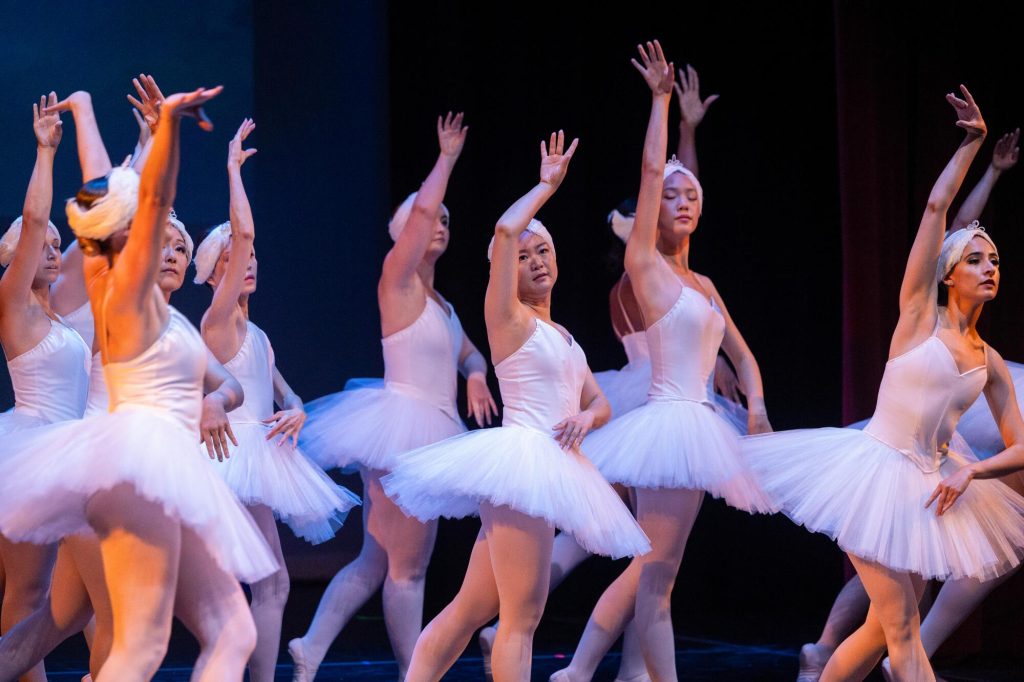
Facing these challenges head-on can significantly enhance a person’s self-worth. For many, the realization that they possess the ability to perform in public, command attention, and evoke emotions in others, serves as a firm reminder of their inherent value. Research supports that involvement in these activities can lead to substantial increases in self-esteem, which translates to improved social interactions and personal relationships.
- The freedom of self-expression
- Confrontation and overcoming of fears
- Physical performance enhancing bodily awareness
Consider an individual who joins an amateur theater group. Initially shy and reserved, they gradually gain confidence as they take on various roles, each requiring a differing range of emotional expression. Over time, this individual may not only notice improvements on stage but also in their everyday interactions, as their new-found confidence impacts their social life and professional endeavors positively.
4. Building Community and Social Connections
The performing arts cultivate a strong sense of community and reinforce social connections among participants. Whether involved in theater troupes or dance companies, participants often form enduring bonds. The camaraderie and collaborative efforts required to prepare for performances foster a deep sense of belonging.
Involvement in these communal activities helps combat the isolation and loneliness that are often associated with mental health issues. The collaborative nature of performing arts relies heavily on teamwork and communication, fostering environments where individuals feel valued and connected. The shared experiences of rehearsals, performances, and problem-solving bring participants together, often resulting in lifelong friendships.
For instance, in a dance company, members work towards a common goal of delivering a seamless performance. They rely on each other for cues, support, and motivation. These relationships not only enhance the artistic output but also contribute to a strong supportive network that can be crucial during challenging times.
3. Emotional Expression and Processing
Theater and dance offer powerful channels for emotional expression and processing. Through character portrayal and choreographic storytelling, participating individuals can explore and articulate complex emotions within the safety of a creative setting. This immersive experience often leads to catharsis and emotional release.
Such artistic endeavors enable individuals to express subconscious thoughts and feelings, facilitating a deeper understanding of their emotional landscape. This form of exploration can serve therapeutic purposes, especially for those facing anxiety, depression, or unresolved trauma. As participants lose themselves in their roles or routines, they often find clarity and perspective on personal issues.
Consider a theater workshop focused on improvisational exercises. Participants, through improvisation, often unlock emotions they struggle to verbalize. The non-judgmental space encourages self-exploration and acceptance, proving highly beneficial for mental well-being.
2. Physical Fitness and Stress Relief
Engaging in dance or drama is not solely a mental exercise—it also profoundly affects physical fitness and stress relief. The physical demands of rehearsals and performances ensure participants maintain a level of physical activity beneficial for overall health.
Dance, in particular, encourages rhythmic movement and coordination, which have long been associated with enhanced mental health outcomes. As bodies move in tune with music, mental pressures are eased, allowing significant stress relief. This physical activity naturally leads to the release of endorphins, biochemicals that boost mood and alleviate discomfort.
Imagine a weekly dance class that serves as a respite from daily stressors. As members engage in structured movement, their worries tend to dissolve, leaving them refreshed and more focused post-class. The benefits extend beyond the duration of each session, promoting long-term well-being and mental clarity.
1. Therapeutic Benefits and Personal Transformation
At the apex of benefits, we uncover the therapeutic nature of performing arts, an arena where drama and dance interventions are leveraged to address mental health issues. Both art forms support structured exploration of personal and communal narratives.
Drama therapy encourages participants to enact personal stories, tailoring sessions to facilitate mental and emotional exploration. This active engagement empowers individuals to analyze and reconstruct their experiences, often leading to profound insights and personal transformation. Likewise, dance therapy allows individuals, particularly those with a history of trauma, to reconnect with their bodies, articulating emotions through movement rather than words.
An individual participating in a therapeutic drama session may uncover deep-seated fears manifesting in other aspects of their life. By reinterpreting these experiences through theater, they find new approaches to coping and resolution, bolstering resilience and self-awareness.
Ultimately, the performing arts’ influence on mental health is compelling and far-reaching. Whether through community engagement, self-expression, or structured therapeutic interventions, theater and dance provide invaluable tools for healing and growth. As individuals and communities embrace these creative pursuits, the potential for transformation through art becomes an inspiring reality.
| Category | Description |
|---|---|
| Therapeutic Benefits | Engaging with theater and dance can significantly enhance one’s emotional well-being by providing an outlet for expressing complex feelings. Activities in performing arts often lead to improvements in self-awareness and promote coping strategies that are beneficial for mental health. |
| Community Connection | Both theater and dance foster a sense of belonging and community. Participating in group performances can help individuals forge meaningful relationships, thus alleviating feelings of isolation, which is particularly potent for those struggling with mental health issues. |
| Creative Expression | The arts serve as a powerful medium for creative expression, allowing individuals to communicate emotions and narratives that might be difficult to express verbally. This can lead to a deeper understanding of oneself and promote healing from past traumas. |
| Skill Development | Participating in theater and dance not only enhances performance capabilities but also builds essential life skills such as discipline, teamwork, and confidence. These skills can transfer into everyday life, empowering individuals beyond the stage. |
The impact of performing arts is far-reaching and multi-dimensional, significantly contributing to improved mental health outcomes. The therapeutic benefits are profound; studies indicate that individuals who engage in artistic endeavors experience reduced symptoms of anxiety and depression. By tapping into their emotions through creativity, participants often report feeling liberated and understood. Community connection is another crucial element that performing arts foster. The shared experience of creating and performing together can lead to lifelong friendships and support networks critical for mental health recovery.Moreover, the notion of creative expression within the performing arts allows individuals to articulate their inner worlds, giving voice to complex emotions. This is particularly impactful for those who may have encountered trauma or who feel marginalized. The act of transforming these experiences into art can be a therapeutic process, promoting resilience and facilitating healing.Lastly, skill development through theater and dance not only provides artistic training but also prepares individuals for various life challenges. The discipline learned through rehearsals and performances can enhance one’s ability to face obstacles, while teamwork cultivates social skills that are fundamental for personal and professional relationships. Hence, the influence of performing arts is pivotal in creating a holistic framework for mental well-being.
Frequently Asked Questions: The Influence of Performing Arts on Mental Health
How can theater contribute to improving mental health?
Theater can contribute significantly to mental health by providing a safe space for expression and creativity. Engaging in theatrical activities encourages participants to explore different emotions and perspectives, which can lead to a better understanding of oneself and others. Studies have shown that involvement in theater can reduce symptoms of anxiety and depression by enhancing self-esteem and promoting a sense of belonging within a community.
What role does dance play in mental well-being?
Dance, as a physical activity that combines movement and rhythm, can have profound effects on mental well-being. It not only improves physical fitness but also boosts mood through the release of endorphins. Dance therapy is used as a tool to treat several mental health conditions, including PTSD and ADHD, by fostering emotional release and providing a medium for communication and healing. Additionally, dance fosters social interaction and can be a means to relieve stress.
Are there any specific age groups that benefit more from performing arts in mental health treatment?
While performing arts benefit all age groups, certain demographics, such as adolescents and the elderly, may see unique advantages. For young people, theater and dance can enhance social skills and resilience during critical developmental stages. In older adults, these activities can promote cognitive function and combat loneliness, offering a constructive way to stay socially and mentally active. However, the universal appeal and therapeutic value make performing arts beneficial across the lifespan.
Can participating in performing arts lead to a long-term impact on mental health?
Yes, consistent engagement in performing arts can lead to long-term positive impacts on mental health. The disciplines of theater and dance cultivate resilience, enhance emotional regulation, and improve the ability to cope with stress. Moreover, participation can foster lifelong skills such as empathy, communication, and self-discipline. Over time, these activities can help build a supportive network and create a strong sense of community connection, contributing to enduring mental well-being.
Conclusion: Unleashing the Power of Performing Arts
The exploration of the performing arts, particularly theatre and dance, reveals a compelling intersection with mental health, showcasing their transformative potential. These creative outlets provide more than just aesthetic pleasure; they offer profound psychological benefits, underscoring the importance of arts in nurturing emotional well-being.
Theatre, with its emphasis on storytelling and empathy, allows individuals to explore different facets of human experience, promoting an understanding of diverse perspectives. Engaging in theatrical expression can enhance emotional intelligence and foster a sense of community and connectedness, which are crucial for mental health.
Dance, on the other hand, merges the physical and the mental, contributing to stress reduction through movement and rhythm. Its ability to enhance self-expression and confidence while improving physical fitness highlights its dual benefits, making it a holistic approach to health improvement.
Beyond personal growth, the arts provide a platform for social interaction and shared experience, reducing feelings of isolation. By fostering community and encouraging collaboration, they create supportive environments where individuals can thrive. Such environments are vital, especially in today’s fast-paced society, where mental health issues are increasingly prevalent.
To harness these benefits, it’s essential to advocate for greater inclusion of performing arts in both educational curriculums and therapeutic practices. By integrating arts into everyday life, we can equip more people with the means to enhance their mental health.
In conclusion, the performing arts stand as a testament to the power of creativity in transforming lives. As this article reveals, embracing these forms of art can offer a myriad of benefits, proving essential not only for personal well-being but also for fostering a healthier society overall. The connection between the arts and mental health is profound, inviting further exploration and investment in these timeless traditions.