
Woodcraft Revival Essential Skills Creative Ideas Unveiled

Introduction
The renewed interest in craftsmanship has sparked a fascinating wave of creativity across various artistic mediums, and woodcraft is at the forefront of this movement. As more people seek meaningful hobbies that blend tradition with modern flair, the art of woodworking offers endless possibilities for personal expression and innovation. Understanding the essential skills is just the first step; discovering the creative ideas that accompany them can elevate any project.
Whether you’re a seasoned artisan or a curious beginner, exploring woodcraft not only enhances manual dexterity but also fosters a profound connection with nature and sustainability. In today’s fast-paced digital world, there is something refreshing about shaping raw materials with one’s own hands. This article will unravel the artistic potential found within wood and provide a ranking of the Top 5 essential skills every woodcraft enthusiast should master along with inspiring ideas to ignite your creativity.
Top 5: The Renaissance of Woodcraft – Essential Skills and Creative Ideas
In recent years, there has been a notable resurgence in the craft of woodworking. This renaissance is more than a revival of traditional techniques; it is a dynamic field blending time-honored skills with cutting-edge innovations, appealing to both hobbyists and seasoned professionals. Woodworking emulates a satisfying blend of intellectual engagement and tactile pleasure, making it both personally rewarding and professionally fulfilling. Let’s explore the top five essential skills and creative ideas reshaping the woodcraft landscape during this exciting period.
5. Understanding Wood Types
A cornerstone of successful woodworking is a deep understanding of the diverse nature of wood. Wood is far from a homogeneous material; its characteristics vary significantly among different species, and each type serves unique purposes in crafting. Familiarity with wood types greatly influences the quality and aesthetic of your projects, allowing a woodworker to choose the right wood for the right job.
Essential Wood Types to Explore:
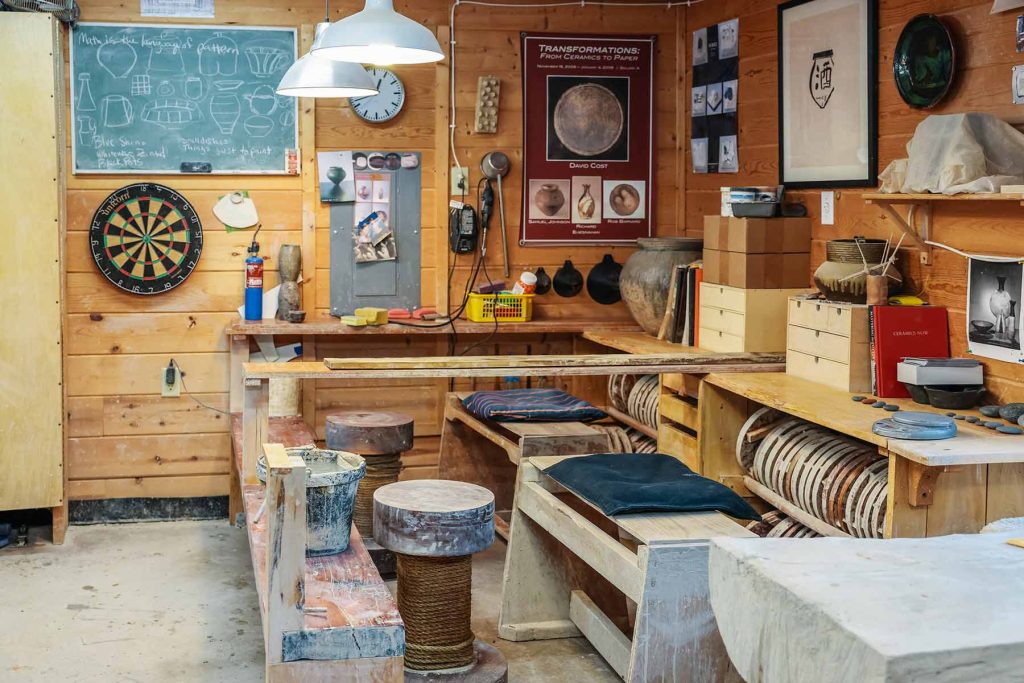
- Oak: Revered for its robustness, oak’s endurance and resilience make it a favorite for furniture and cabinetry. Its exquisite grain also offers a sophisticated appearance that stands the test of time.
- Maple: Maple’s fine grain and light color are complemented by its hardness, making it ideal for intricate kitchen accessories and flooring where a clean, bright appearance is desired.
- Pine: As a softer wood, pine is easier to work with, especially for beginners. Its rustic appeal and affordable price point make it popular for crafts and simple furniture, inviting creativity without undue stress on pocket or skill.
- Mahogany: Known for its luxurious appearance and straight, fine grain, mahogany is a prized choice for high-end furniture and musical instruments. Its ability to polish to an elegant sheen makes it the material of choice for those with discerning tastes.
Immersing yourself in the subtle nuances between these wood types allows you to tailor your projects effectively. Handling and experimenting with different woods enables you to understand their unique finishes and durability.
4. Mastering Hand Tools
While the introduction of power tools has undeniably revolutionized woodworking, the deep-rooted tradition of using hand tools remains vital. Mastering hand tools infuses a sense of craftsmanship and precision that power tools often lack, providing a direct connection to the wood and the craft.
Key Hand Tools to Master:
- Chisels: These come in various shapes and sizes and are essential for detailed carving and joinery. Mastery of chisels lends to the creation of intricate details and exact fitting joints.
- Hand Saws: With diverse types like crosscut and rip saws, hand saws afford controlled cutting, shaping, and customization unmatched by machines.
- Planes: Critical for smoothing surfaces and pinpointing thickness, planes provide an unparalleled finish that machine-planed wood simply cannot match.
- Files and Rasps: These tools refine details and smooth edges to achieve precise finishes. Whether refining a carved piece or correcting a surface, these tools are indispensable for fine detail work.
Achieving competence with hand tools not only enriches the quality of your work but also enhances your woodworking experience, offering a tranquil alternative to the noise and speed of today’s machine-driven world.
3. Innovative Design Techniques
This renaissance isn’t solely about restoring past techniques but revolutionizing them with modern twists. The infusion of new design strategies is transforming woodworking projects, making them not only practical but also pieces of vivid artistic expression.
Popular Design Trends:
- Geometric Patterns: Playing with shapes leads to creations that are captivating and visually impactful, turning simple designs into engaging focal points in a room.
- Mixed Materials: Combining wood with materials like metals or resins introduces an innovative edge, yielding unique textures and aesthetics that appeal to a contemporary audience.
- Minimalism: This design philosophy prioritizes functionality and simplicity. By emphasizing clean lines and spaciousness, minimalistic designs generate a modern, uncluttered atmosphere.
Adopting these innovative techniques can elevate woodworking into an art form, pushing the boundaries of creativity and opening new avenues for personal expression and commercial success.
2. Sustainability Practices
The growing awareness of environmental conservation has propelled sustainability into the forefront of woodcraft. Adopting eco-friendly practices is vital to ensuring that the craft remains sustainable and respectful of the resources it utilizes.
Ways to Embrace Sustainability:
- Utilize Reclaimed Wood: By breathing new life into wood salvaged from older structures or furniture, you not only pay homage to history but also reduce the demand for new materials.
- Support Local Suppliers: Opting for locally sourced materials minimizes transportation emissions and supports local economies, aligning well with eco-friendly principles.
- Minimize Waste: Careful planning and design can minimize waste by using offcuts creatively and ensuring that projects are as material-efficient as possible.
Incorporating sustainability into woodcraft is more than a trend; it’s a responsible approach that aligns with global ecological efforts, cultivating a nuanced balance between creation and conservation.
1. Community Engagement and Workshops
Key to the woodcraft renaissance is a robust sense of community. The expansion of workshops and collaborative spaces fosters an environment where learning and sharing thrive, making woodcraft a community-affiliated endeavor.
Benefits of Community Involvement:
- Skill Sharing: Engaging with skilled artisans in workshops or online communities provides valuable learning opportunities, whether to refine existing techniques or explore new methods.
- Networking Opportunities: Connecting with others in the field can lead to collaborations, partnerships, and exposure to new markets and trends.
- Source of Inspiration: Being part of a community provides continuous inspiration and the encouragement needed to innovate and improve.
In a world accustomed to mass production, the personal connections and shared knowledge found in woodcraft communities make the experience deeply enriching and transformative.
This renaissance in woodcraft is not just about the return of traditional practices but about reinventing and reinvigorating them to thrive in the modern world. By understanding essential wood types, mastering hand tools, exploring innovative designs, adopting sustainable practices, and engaging with the community, enthusiasts and professionals alike contribute to a vibrant future for this enduring craft.
In the rich tapestry of woodworking and craftsmanship, the theme “O Renascimento do Artesanato em Madeira: Habilidades Essenciais e Ideias Criativas” sheds light on the revival of traditional woodworking skills and the innovative ideas that stem from them. As we dive deeper into this topic, it becomes evident that there are numerous advantages to embracing this artisanal revival, which can significantly enhance not just individual skills but also foster community engagement and cultural appreciation.
| Category | Description |
|---|---|
| Cultural Heritage | By engaging in traditional woodworking, artisans preserve local craftsmanship, ensuring that unique skills and stories are passed down through generations, thus maintaining a strong link to cultural identity. |
| Sustainable Practices | The use of local materials and sustainable harvesting methods promotes environmental responsibility. Artisans can create high-quality wood products using less waste, which is essential in today’s eco-conscious market. |
| Creativity and Customization | Woodworking encourages creativity; craftsmen can experiment with designs and personalize their projects, resulting in unique pieces that cater specifically to clients’ desires and preferences. |
| Community Bonding | Workshops and artisan fairs not only showcase skills but also bring communities together, fostering collaboration, learning opportunities, and social engagement among local residents and visitors alike. |
Each of these categories showcases a different aspect of the renaissance of woodworking craftsmanship, revealing the broader implications of this revival beyond mere product creation. For instance, in the realm of cultural heritage, the resurgence of traditional skills allows artisans to tell their stories through their creations, deeply connecting with cultural narratives and regional histories. Moreover, the shift towards sustainable practices in woodworking is becoming increasingly pivotal in the context of climate change, wherein consumers are favoring artisanal products that are not only beautifully crafted but also environmentally friendly. This focus not only attracts a discerning clientele but also sets a benchmark for ethical production standards in the crafting industry.In essence, the trend towards creativity and customization within woodworking is altering consumer expectations, where potential buyers are seeking personalized products that reflect their unique styles and preferences. This presents an exciting challenge for craftsmen to innovate and push the boundaries of traditional methods.Additionally, the notion of community bonding through shared craftsmanship experiences fosters a sense of belonging and pride among artisans and consumers alike. As people gather at workshops or fairs, they share knowledge, experiences, and, ultimately, an appreciation for the beauty of handcrafted wooden items, reinforcing community ties.This exploration reflects the profound implications of the resurgence of woodworking craftsmanship, highlighting its potential not just to enrich individual artisans but to catalyze broader cultural and environmental movements. The revival of these essential skills and creative ideas demonstrates that craftsmanship remains a vital aspect of human expression and communal life.
Frequently Asked Questions about the Renaissance of Woodcraft
What is causing the resurgence of interest in woodcraft?
The renaissance of woodcraft can be attributed to a growing desire for authentic, handcrafted items in a world increasingly dominated by mass production. Many people are turning back to traditional skills to create unique, sustainable products. Woodcraft not only offers a creative outlet but also provides the satisfaction of making something tangible and lasting. Environmental awareness and an appreciation for sustainable materials are also fueling this resurgence.
What are some essential skills to learn for beginners in woodcraft?
For those new to woodcraft, mastering basic skills such as measuring, cutting, and joining wood is crucial. Understanding various wood types and their properties can enhance the quality of the projects you undertake. Techniques such as carving, sanding, and finishing are fundamental. However, patience and creativity are equally important, as they allow crafters to refine their skills and explore new designs.
How can one find inspiration for creative woodcraft projects?
Inspiration for creative woodcraft can come from a variety of sources. Nature, with its multitude of shapes and patterns, is a frequent muse for woodcrafters. Historical styles and traditional designs also offer a wealth of ideas. Modern woodworkers are innovating by combining wood with other materials like metal and resin, resulting in contemporary, hybrid designs. Online communities and social media platforms provide a platform for sharing and discovering new and intriguing project ideas.
What are some sustainable practices in woodcraft?
Sustainability in woodcraft involves using wood from responsibly managed forests and ensuring minimal waste throughout the crafting process. Crafters are increasingly turning to reclaimed wood, breathing new life into aged materials destined for disposal. Additionally, choosing eco-friendly finishes and adhesives further reduces the environmental footprint of woodcraft projects. Engaging with local woodworking communities can offer insights into sustainable techniques and practices.
Conclusion
The resurgence of woodcraft presents a unique blend of tradition and innovation, captivating both artisans and enthusiasts alike. This revival is driven by an increasing appreciation for the artisanal craft, which fosters sustainability and personal expression in a world dominated by mass production.
Key Takeaways
- Essential Skills: Mastery in woodworking involves a set of crucial skills, such as precision cutting, carving, and joining, which not only uphold traditional methods but also encourage the development of new techniques.
- Creative Ideas: As artisans bring fresh ideas into their creations, woodcraft becomes a dynamic field where experimentation with forms and functions adds a contemporary touch to a timeless practice.
- Importance of Community: The resurgence has sparked communities that support and inspire hobbyists and professionals, facilitating the exchange of knowledge and the nurturing of a shared passion for craftsmanship.
- Sustainability: In an era of environmental consciousness, woodcraft aligns with sustainable practices, utilizing natural materials and fostering a return to more eco-friendly production methods.
- Personal Fulfillment: As a creative hobby, woodworking offers personal satisfaction, providing an outlet for self-expression and the creation of tangible, lasting works.
In summation, the renaissance of woodcraft is not merely a nod to history but a vibrant and growing field of creative hobbies that promises a fulfilling journey for anyone willing to get their hands dusty. This revival signals a broader cultural shift towards valuing artisanship, creativity, and sustainability. As interest continues to grow, woodcraft will likely remain a cornerstone of creative expression, inspiring new generations to explore the possibilities of this age-old art form.