Exploring Different Artistic Mediums: Finding Your Unique Creative Voice
Unlocking Your Creative Potential
Art is a vast landscape filled with countless paths leading to self-expression and discovery. Exploring different artistic mediums allows you to uncover your unique creative voice in exciting and unexpected ways. The beauty of art lies not only in its final manifestations but also in the process of creation, which can profoundly impact how we perceive our surroundings and express our innermost thoughts.
Whether you are a seasoned artist or a curious beginner, understanding various forms of art can greatly enhance your creative journey. Each medium has its own distinct characteristics and offers unique opportunities for expression. Below, we delve deeper into some popular artistic mediums and explore how they can stimulate your creativity:
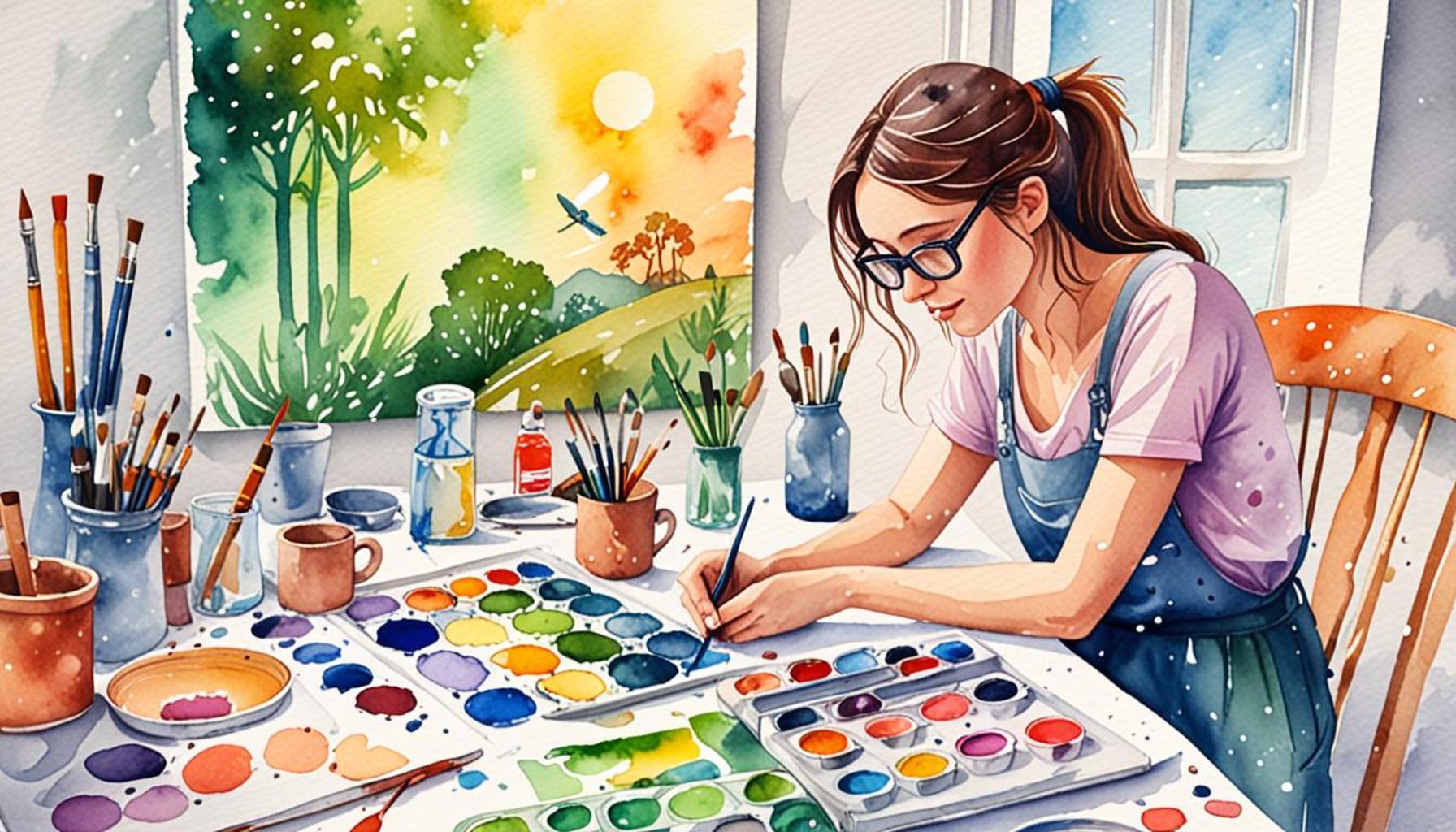
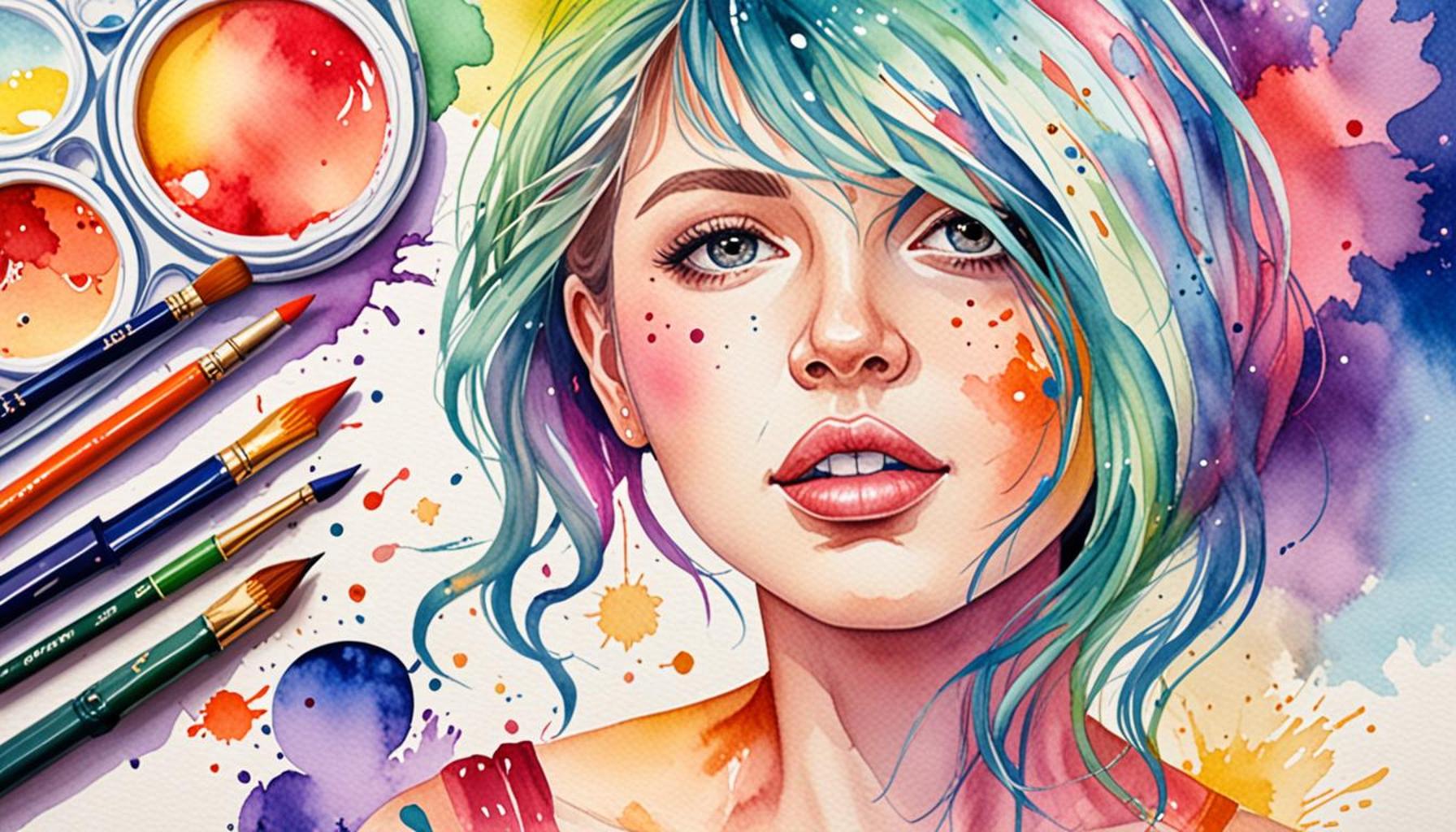
- Painting: This medium is incredibly diverse, encompassing styles ranging from abstract to realism. Watercolors can evoke softness and fluidity, ideal for landscapes or delicate portraits, while acrylics offer vibrant colors and versatility, allowing for both subtle and bold expressions. Artists like Claude Monet have utilized watercolors to capture fleeting light, whereas contemporary artists may explore mixed media to merge various styles and techniques.
- Drawing: Drawing forms the foundation of many artistic practices and is often where creative exploration begins. Tools such as charcoal can create dramatic contrasts and textures, while colored pencils allow for detailed, nuanced works. The great artist Vincent van Gogh famously used expressive lines and emotive strokes to imbue his drawings with intense feeling and energy, demonstrating how this seemingly simple medium can encapsulate profound narratives.
- Photography: This medium captures not only images but also emotions and stories. With the advent of digital technology, photographers can manipulate images to create stunning visual narratives. Consider the impact of street photography, which can chronicle everyday life and cultures, or portrait photography, which captures the essence of individuals. The works of photographers like Ansel Adams and Dorothea Lange have shaped our understanding of social issues and the natural world through their lenses.
- Sculpture: The tactile nature of sculpture allows for a three-dimensional exploration of ideas and forms. Whether working with clay, metal, or found objects, sculptors can create pieces that invite viewers to engage physically and mentally. The kinetic sculptures of Alexander Calder or the intricate installations of Louise Bourgeois challenge our perceptions and interact with their environments, proving that art can also inhabit space.”
- Digital Art: Embracing technology, digital art opens new avenues for creativity. Artists can utilize software like Adobe Photoshop or Procreate to create intricate designs and animations that push the boundaries of traditional art forms. Platforms such as Instagram and Behance allow artists to showcase their work globally, making art more accessible and dynamic than ever before. Digital art also invites collaboration and experimentation through interactive media and virtual reality installations.
As you delve into these mediums, consider the characteristics that resonate with you personally. Factors such as texture, color schemes, and subject matter play crucial roles in crafting your distinct style. Each experience in creation enriches your perspective, enhancing your ability to communicate through art.
In this exploration, we will guide you to identify which artistic forms truly speak to you. Engaging in different artistic practices encourages self-reflection and personal growth, offering insights that enrich not only your artistry but also your understanding of the world around you. Discovering your unique creative voice is a personal journey, one that promises to be as rewarding as the art itself.
DIVE DEEPER: Click here to learn more
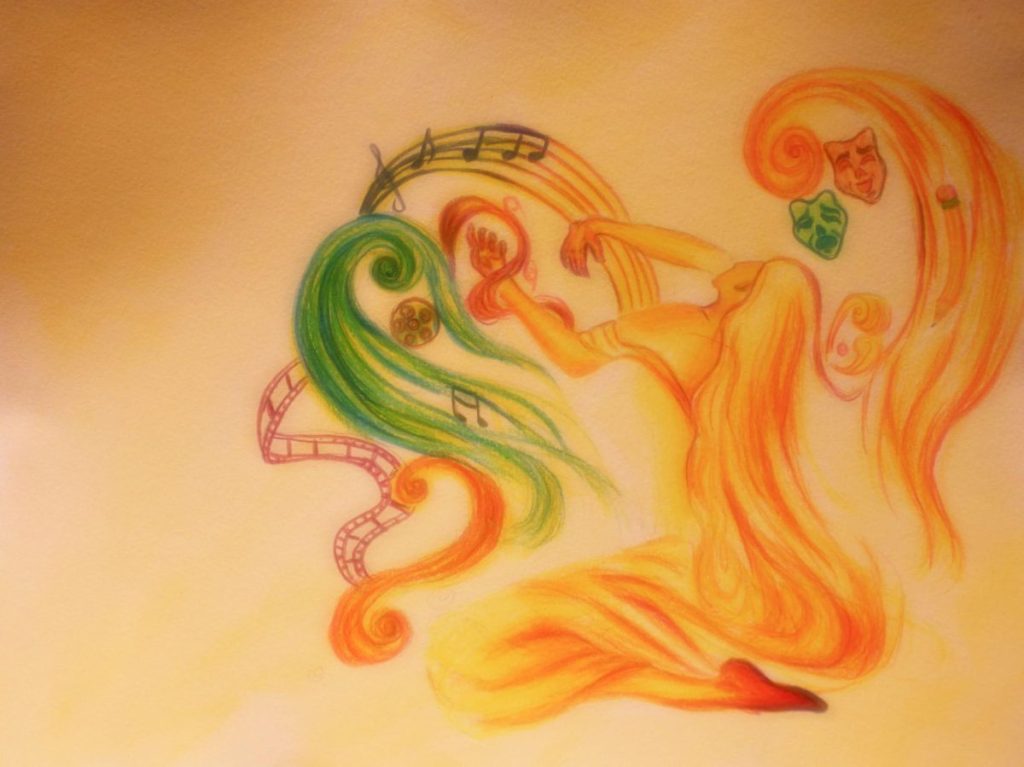
Embracing the Diversity of Art
Art is not merely a collection of finished pieces; it is a journey of exploration and self-discovery. Each artistic medium offers unique avenues for expression, appealing to various emotions and themes. As you embark on your creative journey, considering the strengths and characteristics of different forms can lead you to a deeper understanding of your preferences and fundamentals. Let’s take a closer look at how to navigate this artistic landscape and uncover your unique creative voice.
The Power of Experimentation
One of the most liberating aspects of art is the freedom to experiment. Engaging with different mediums allows you to break free from conventional boundaries and ignite your imagination. For example, a painter may gravitate toward oil paints for their rich texture while finding joy in the quick drying nature of acrylics. This experimentation leads to uncharted territories and unexpected combinations, fostering creativity in ways that strict adherence to one medium cannot.
While exploring mediums, consider the following elements that can guide your artistic experiments:
- Medium Characteristics: Each material offers distinct qualities. For example, oil paints allow for a rich depth of color and smooth blending, while watercolors create dreamy, translucent effects that are ideal for ethereal landscapes.
- Emotional Resonance: Reflect on how different mediums make you feel. Some artists find solace in drawing because of its direct and accessible nature, while others may feel empowered by the boldness of sculpture, manipulating materials to create tangible forms.
- Technique Exploration: Investigating various techniques can enhance your skill set. Techniques like dry brushing in painting or chiaroscuro in drawing can bring new life to your creative repertoire.
The Influence of Cultural Context
Your creative voice is not only influenced by the materials you choose but also by the cultural context surrounding those materials. In the United States, the rich tapestry of artistic movements, from the vibrant colors of the Harlem Renaissance to the minimalist aesthetics of the modern art movement, offers a wealth of inspiration. Engaging with local art communities and their histories can provide a profound backdrop to your creations.
For instance, many contemporary American artists are blending traditional practices with modern techniques, creating pieces that challenge societal norms and express contemporary issues. By diving into these cultural roots and trends, you can find inspiration that resonates with your identity and experiences, enriching your creative voice.
As you delve into different artistic mediums, remember that this journey is about exploration rather than perfection. Embrace the process of discovery; each brush stroke, sketch, and photograph taken contributes to your growth as an artist. Finding your unique creative voice takes time, and engaging with a variety of mediums can illuminate new pathways for expression that you may never have considered before.
| Category | Description |
|---|---|
| Mixed Media | A powerful method to express creativity by combining different artistic tools and techniques. |
| Enhanced Expression | Allows artists to convey complex emotions by utilizing various materials, expanding their artistic horizon. |
| Digital Art | Integration of technology in art, reshaping traditional methods and providing limitless possibilities. |
| Endless Creativity | Offers diverse avenues for innovation, encouraging artists to mix styles and develop a unique voice. |
As artists journey through the exploration of different artistic mediums, they uncover the vast landscape of creative possibilities. Engaging in mixed media approaches can profoundly enhance the artist’s ability to express nuanced feelings and ideas. This method encourages the integration of various elements—paints, papers, textiles, or found objects—creating a dynamic conversation on the canvas, thereby inviting viewers into a deeper narrative.In parallel, digital art breaks traditional barriers, enabling unprecedented creativity through tools like graphic tablets or software applications. Artists can manipulate images, create patterns or illustrations, and experiment with color blending, all leading to a revolutionary form of art that discusses modern themes and challenges conventional aesthetics. Such platforms not only congregate a community of creators but can also reach wider audiences, allowing for meaningful conversations and increasing visibility.Both mixed media and digital arts serve as conduits for individual self-expression and unique artistic voices. The fusion of various styles often leads to a new genre of art, pushing artists towards continual discovery of their creative potential. Whether seeking tranquility in paint or the excitement of digital exploration, the pursuit of diverse mediums ultimately sharpens one’s artistic identity, making the journey not just a path of self-discovery but also an innovative evolution in artistic expression.
DISCOVER MORE: Click here for creative insights
Connecting with Your Artistic Intuition
As you delve deeper into various artistic mediums, cultivating a connection with your intuition becomes paramount. This internal compass can guide your decisions about what materials to choose and how to express your ideas effectively. Tuning into your emotional responses when working with different mediums can help you uncover a more authentic creative voice. Understanding the psychological aspects of creating art can also provide insight into how and why certain mediums resonate with you.
Understanding Your Artistic Flow
Your artistic flow refers to the state of heightened immersion and creativity where you feel fully engaged with your work. Different mediums can evoke distinct flows; for instance, some artists find that ceramics offer a tactile connection that leads to deep focus, while others may find that digital art allows for rapid experimentation and iteration. Pinpointing which mediums resonate most with your flow can lead to a more satisfying artistic experience.
Consider journaling or keeping a creative scrapbook to document your experiences with different mediums. Regularly reflecting on what methods tapped into your intuitive creativity will provide valuable self-awareness. Ask yourself questions such as:
- What mediums do I gravitate toward during moments of inspiration?
- Which techniques make me lose track of time while creating?
- How do the colors, textures, and forms impact my emotions during the creative process?
The Journey of Personal Narrative
Art is often a reflection of the artist’s personal narrative. As you explore different mediums, consider how each form can tell your story in new ways. For example, a photographer might capture their unique perspective of urban life through a series of candid images, utilizing the immediacy of photography to evoke raw emotions. In contrast, a mixed media artist could layer materials and techniques to symbolize the complexities of their experiences.
As you experiment with storytelling through art, consider drawing inspiration from renowned American artists who have successfully woven their narratives into their work. Take the late artist Jean-Michel Basquiat, whose vibrant, graffiti-style paintings reflected his experiences as a Black man in America, or Frida Kahlo, the Mexican artist known for her deeply personal works exploring identity, pain, and resilience. Their ability to use their respective mediums to narrate personal histories showcases how diverse forms of art can amplify your voice.
Combining Mediums for Enhanced Expression
Another exciting aspect of the artistic journey is the potential to blend different mediums into cohesive works. This hybrid approach can yield novel results that bring new depth and richness to your creations. Artists like Robert Rauschenberg exemplified this technique with his famous “Combines,” where painting and sculpture coalesce, challenging traditional classifications of art.
Exploring the fusion of mediums opens the door to innovation. For instance, merging painting with digital art can allow for unique storytelling that combines traditional craftsmanship and technological advancement. Adopting a multi-disciplinary approach can help you discover unexpected influences and styles, ultimately leading you toward your distinct artistic identity.
Finding your voice is a unique odyssey; indulging in different mediums is an integral part of this voyage. By embracing creativity, personal stories, and the intentional blend of techniques, you can pave the way to discovering a voice that is distinctly your own.
DISCOVER MORE: Click here to learn about the benefits of artistic pursuits
Embracing Your Creative Journey
In a world rich with artistic possibilities, exploring different artistic mediums can be a transformative experience that leads to the discovery of your unique creative voice. As we’ve discussed, each medium, from traditional painting to innovative digital art, offers distinct avenues for self-expression and storytelling. Engaging deeply with these various forms enables you to connect with your emotional landscape and unearth personal narratives that resonate with your audience.
Moreover, allowing your artistic intuition to guide your medium choices encourages a natural flow of creativity, ensuring that your work remains authentic and true to your experiences. Be it through journaling, experimenting, or combining techniques, the journey to artistic exploration is not about perfection but rather about the freedom to express oneself.
As you immerse yourself in this creative quest, consider drawing inspiration from the storied paths of legendary artists who broke boundaries and crafted unique identities through their work. The art world thrives on innovation and personal interpretation; therefore, approaching your practice with curiosity and playfulness can lead to unexpected revelations.
Ultimately, the path to finding your voice is an ongoing process. It invites you to constantly evolve as you experiment, push boundaries, and blend mediums. So embrace the journey of finding your unique creative voice, and allow it to guide you toward a vibrant, fulfilling artistic life. The potential for discovery is vast—step into the exciting realm of artistic exploration and see where it takes you.