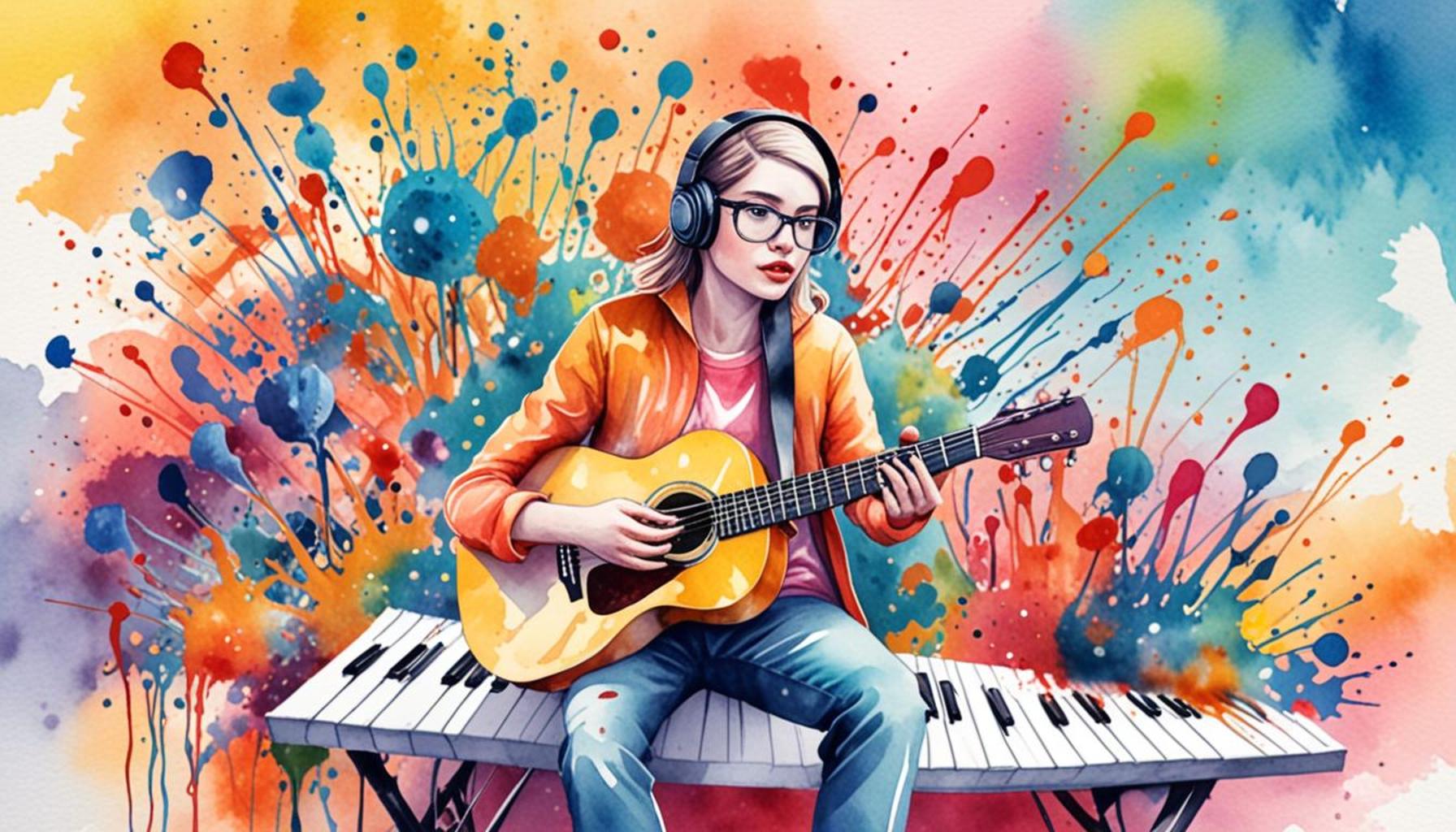
The Science of Sound: Understanding the Psychological Effects of Different Musical Elements on Creativity
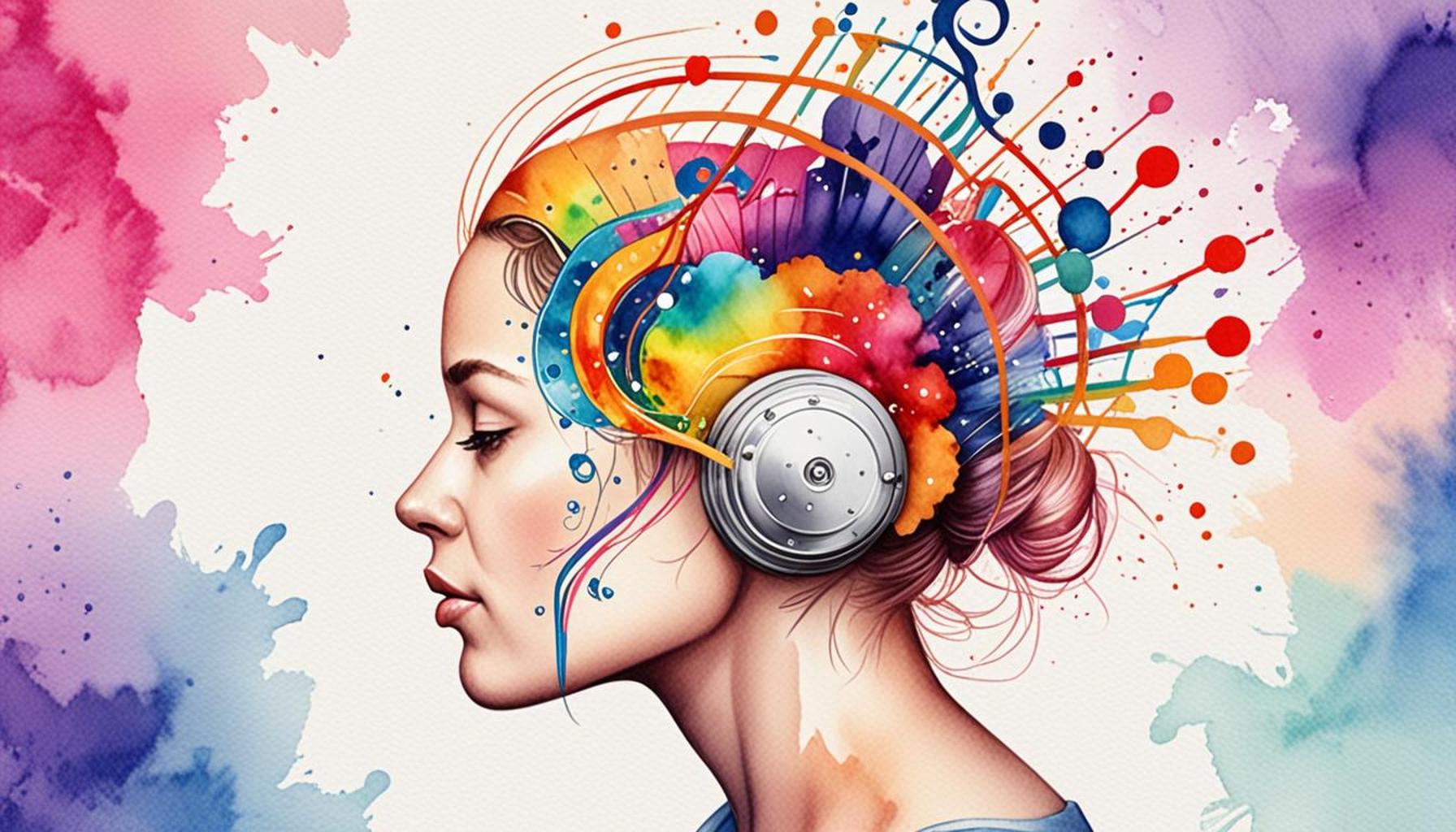
The Influence of Sound on Creative Expression
Music, a universal language, resonates deeply within us, shaping our emotional landscapes and cognitive processes. The intricate relationship between sound and psychology not only captivates our attention but also impacts our creativity in complex ways. Recent studies have increasingly spotlighted how different musical elements can serve as catalysts for creative thinking, showcasing this fascinating interplay as more than mere background noise.
Several key factors contribute to understanding how sound influences creativity:
- Tempo: The speed of music is significant in modulating emotional and psychological responses. Fast-paced music can invigorate the listener, potentially boosting energy and encouraging spontaneous ideas during creative tasks. Conversely, slower tempos can induce relaxation, making them conducive for thoughtful reflection and deep focus, essential components of the creative process.
- Genre: The genre of music plays a pivotal role in evoking emotional responses. For example, upbeat pop tunes may spark joy and motivation, while classical compositions might enhance concentration and introspection. However, genres that are overly complex or dissonant can become distracting, leading to a decline in creative output. Finding the right genre can be key to nurturing an optimal creative environment.
- Harmony and Melody: The emotional weight carried by specific combinations of notes and chords can profoundly affect our feelings during the creative process. Harmonies that evoke positivity can inspire innovative ideas, whereas somber melodies may tap into deeper emotional reserves, fostering personal and reflective creativity.
Research indicates that listening to music can enhance productivity across various tasks. For instance, classical music is famously associated with the “Mozart effect,” suggesting that certain compositions can elevate focus and improve retention. This phenomenon can be particularly useful during brainstorming sessions, where clarity of thought is paramount. Ambient sounds and tunes without lyrics are often favored in creative environments as they can encourage the mind to wander freely, allowing innovative thoughts to surface without the interruption of distracting lyrics.
As this exploration progresses, we delve deeper into the captivating relationship between sound and creativity. By analyzing various studies, expert statements, and anecdotal experiences, readers will discover how the science of sound holds the key to unlocking and enhancing their own creative endeavors. Whether you are an artist, writer, or innovator, understanding this relationship can provide invaluable strategies to foster creativity in your daily pursuits.
DIVE DEEPER: Click here to find your unique creative voice
The Role of Musical Elements in Creative Processes
The world of music is a tapestry woven from various elements that evoke distinct psychological effects, each contributing to the broader landscape of creativity. Understanding how these elements interact can offer valuable insights for artists, writers, and innovators seeking to enhance their creative output. By dissecting the fundamental components of sound, such as tempo, genre, and melody, we can begin to grasp how they influence our minds and inspire innovative thinking.
Tempo’s Dynamic Influence
Tempo, defined as the speed at which a musical piece is played, plays a critical role in shaping our emotional and cognitive responses. Research has shown that fast tempos can activate the brain’s reward centers, often leading to increased motivation and a sense of exhilaration. Studies suggest that listening to upbeat tracks while working on creative tasks can stimulate divergent thinking, enabling individuals to generate multiple solutions or possibilities for a given problem.
On the other hand, slow tempos resonate with an entirely different emotional palette. These slower rhythms may facilitate a meditative state, promoting introspection and concentration—a vital asset when delving into complex creative projects that require deep thought. For those looking to foster creativity that demands reflection, slower music can provide the ideal backdrop.
The Impact of Genre on Emotional Response
The genre of music significantly impacts our emotional state and cognitive engagement. Each genre comes with its unique cultural associations and sonic textures, affecting how we process information and generate ideas. For instance, upbeat pop music often catalyzes feelings of joy, providing a burst of energy conducive to creative brainstorming sessions. In contrast, genres like classical or jazz may foster greater focus and clarity, encouraging the mind to dive deeper into complex creative endeavors.
- Pop: These lively tunes elevate mood and inspire enthusiasm.
- Classical: Often associated with improved concentration, classical pieces can create a serene atmosphere for thought.
- Jazz: Improvisational jazz can stimulate open-mindedness, allowing for flexible thinking.
- Electronic: Ambient electronic music often serves as a canvas for creative exploration, providing a non-intrusive auditory background.
However, it is crucial to note that overly complex or dissonant music may have the opposite effect, causing distraction and mental fatigue. Finding a genre that resonates with your personal creative style is an essential step in optimizing the impact of musical sound on your creative process.
Harmonies and Melodies: The Emotional Connectors
The emotional resonance of harmony and melody can evoke profound psychological responses, acting as potent tools in the creative arsenal. Harmonies that convey warmth and positivity can uplift spirits and inspire new ideas. Conversely, darker or melancholic melodies may touch on emotional depths that enhance personal storytelling or reflective creativity, allowing individuals to explore the intricacies of their inner worlds.
As we navigate through these musical elements, it becomes evident that they are more than simple auditory experiences; they serve as gateways to deeper levels of creative thought. Understanding the science behind sound not only allows individuals to tailor their environments for improved creativity but also highlights the significance of our emotional responses to music as a catalyst for innovation.
| Category | Description |
|---|---|
| Melody | Melody enhances mood and can push the boundaries of creative thought. |
| Rhythm | The heartbeat of music, rhythm can stimulate brain activity and foster innovative processes. |
| Harmony | Harmonious sounds evoke emotional resonance, enhancing one’s ability to ideate. |
| Dynamics | Dynamic variations in music can lead to heightened awareness, improving conceptual thinking. |
| Tempo | An optimal tempo can enhance productivity and spark creative inspiration. |
Delving into the psychological effects of music reveals an intricate connection between musical elements and creative expression. Melodies, with their ability to tell stories, transform emotions and planes of thought by shaping one’s mood. Rhythmic patterns, akin to biological rhythms, have been found to enhance cognition, prompting an array of creative outputs. Investigating harmony reveals mechanisms through which emotional engagement can lead to creativity, as different tonalities resonate uniquely with the listener’s psyche. The dynamic range within compositions adds a layer of complexity, offering a compelling auditory landscape that lifts cognitive barriers. Additionally, understanding how tempo influences creative flow can empower individuals to select specific music during brainstorming sessions or creative tasks. Through these musical components, we can truly harness the science of sound to boost our creativity and enrich our daily lives.
DISCOVER MORE: Click here to learn about the benefits of manual skills
Exploring Rhythm and Dynamics: Key Drivers of Creative Flow
While tempo is a crucial aspect of music, rhythm and dynamics also play significant roles in shaping our creative experiences. Rhythm, the pattern of sounds in time, can either invigorate or soothe. A syncopated rhythm, characterized by unexpected beats and off-beat accents, has been linked to enhanced creative problem-solving and innovation. This unpredictability can stimulate the brain, encouraging listeners to venture beyond conventional thought patterns.
Research demonstrates that rhythmic music can increase productivity and creativity, especially when engaging in collaborative efforts. For example, when teams work on projects while listening to synchronized beats, they often experience improved communication and a shared sense of engagement, ultimately fostering a more innovative atmosphere. The phenomenon known as entrainment, where the mind synchronizes to the rhythm of the music, enhances not only enjoyment but also collective creativity. This insight is particularly valuable for creative endeavors in fields like advertising, design, and film, where collaboration is central to the creative process.
Similarly, dynamics—the variations in loudness and intensity of music—can evoke diverse emotional reactions that affect creativity. A piece with significant dynamic contrasts can heighten emotional engagement, leading to increased motivation and inspiration. For instance, composers like Beethoven and Mahler have skillfully employed dynamics to manipulate listeners’ emotions, driving them toward deeper reflections and creative surges. Research indicates that sudden changes in volume can evoke surprise, thereby triggering cognitive shifts that promote innovative thinking. Artists can wield these dynamics effectively, adjusting volume levels to create atmospheric changes that enhance their creative flow.
The Role of Lyrics and Themes in Creative Engagement
The lyrical content and thematic elements of music also contribute to its psychological impact. Lyrics that tell compelling stories or convey strong emotions can resonate on a personal level, inspiring individuals to explore their own narratives and experiences. Studies have shown that self-referential lyrics, those that listeners identify with, can boost creative thinking by prompting them to think critically about their perspectives and life experiences. Music genres that contain storytelling elements, such as folk or hip-hop, often invite listeners to delve deeper into their creative processes, allowing for reflection and ideation grounded in personal context.
Moreover, music that evokes imagery or fantasy can transport listeners to different mental landscapes. For instance, film scores and soundtracks often use thematic motifs to evoke a sense of place and emotion, enabling filmmakers and viewers alike to engage more profoundly in the creative narrative. This connection between music and visual imagery is a powerful tool for enhancing creativity, particularly in the realms of writing, filmmaking, and visual arts.
Creating the Ideal Soundscapes for Inspiration
With the clear understanding of how various elements of music influence creativity, individuals can begin to cultivate their own ideal soundscapes. Some may find inspiration in the energetic strumming of a guitar, while others may prefer the soothing notes of a piano. Tailoring musical selections to one’s own emotional and cognitive needs can yield significant benefits. When working on writing or art, selecting tracks based on desired emotional outcomes—whether by choosing uplifting melodies or introspective ballads—can effectively enhance the creative environment.
Additionally, the advent of technology has made it easier to curate playlists that cater to specific creative goals. Streaming services often provide personalized recommendations based on listening habits, allowing users to explore new artists and genres that could invigorate their creative processes. Embracing sound may lead to unexpected discoveries for creators, from uncovering new music styles that resonate personally to recognizing how these sonic elements can inspire innovative thoughts and ideas.
DIVE DEEPER: Click here to uncover essential skills and creative ideas
Conclusion: Unlocking Creativity Through the Power of Sound
The exploration of musical elements reveals profound insights into their psychological effects and transformative potential for creativity. From the invigorating pulses of rhythm that invigorate the brain to the dynamic ranges that elicit emotional engagement, each element offers a unique pathway for enhancing creative expression. As demonstrated, the unpredictable nature of syncopated rhythms and dynamic contrasts not only boost creativity but also facilitate collaboration, making them invaluable tools in creative industries.
The significance of lyrical content and thematic depth cannot be understated; music that resonates personally elevates our capacity to reflect and ideate. By tapping into self-referential lyrics and evocative themes, listeners are encouraged to explore their own narratives, enriching their creative processes. Additionally, as technology continues to provide streamlined access to diverse musical selections, individuals can cultivate their own ideal soundscapes, tailored to inspire and enhance their unique creative pursuits.
Ultimately, understanding the neuroscience behind sound enables individuals to harness music as a strategic asset in their creative arsenal. As we embrace the integration of music into our daily lives, we unlock a powerful avenue for innovation, motivation, and self-exploration. This journey into the science of sound invites not only further investigation but also a deeper appreciation for how the melodies surrounding us can shape our thoughts, emotions, and creative endeavors. As you consider the role of sound in your own life, remember that the right track might just be the key to unlocking your next big idea.