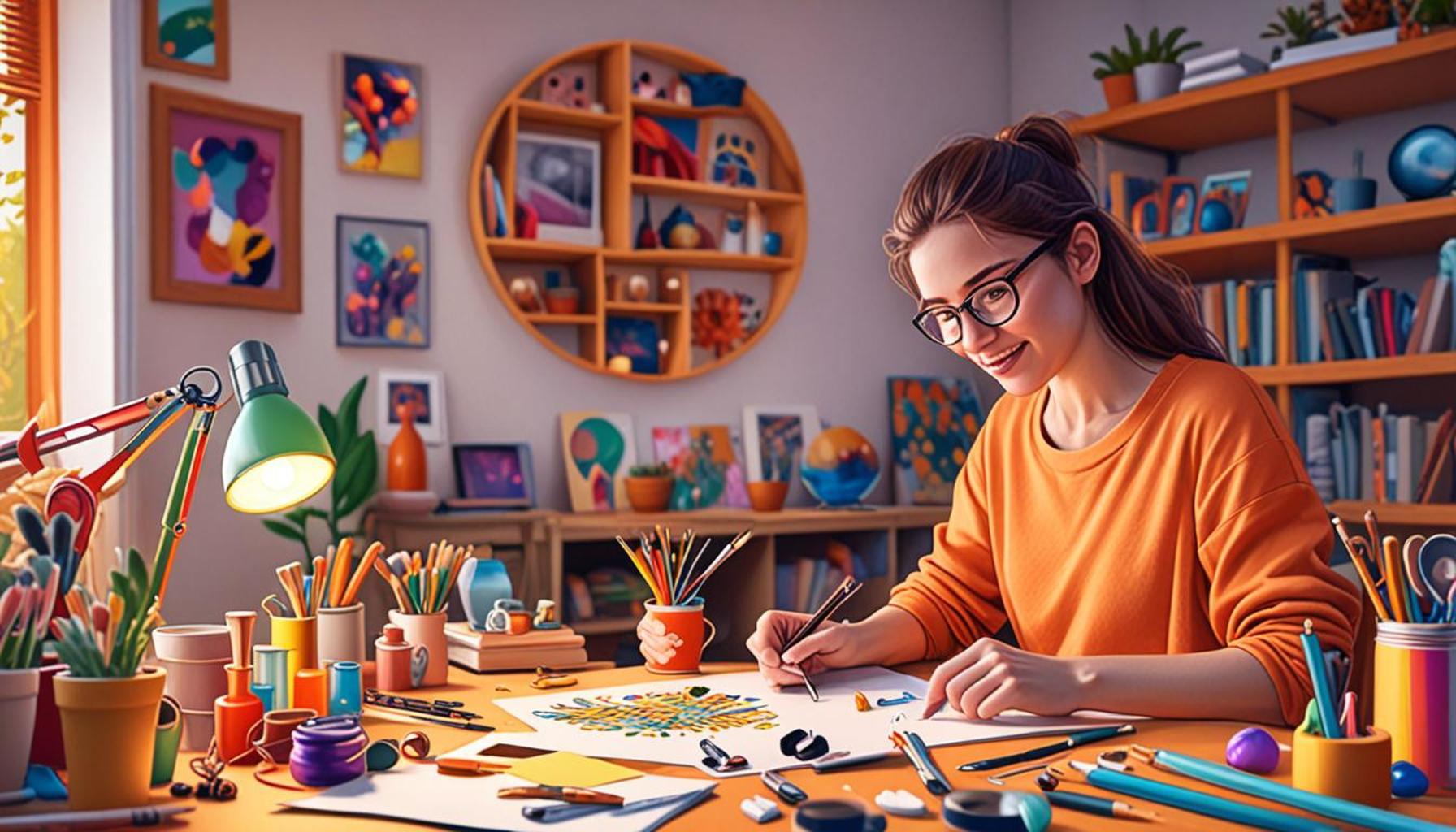
Integrating Artistic Practices into Educational Curricula: Benefits for Student Engagement
Exploring the Transformative Power of the Arts in Education
Artistic practices have long played a pivotal role in human expression, but their integration into educational curricula has proven transformative. Schools across the United States are increasingly recognizing the potential of artistic engagement to boost student involvement. Research indicates that when the arts are woven into the fabric of classroom instruction, they can lead to profound changes in student attitudes, behaviors, and learning outcomes.
Several core benefits emerge from merging arts with traditional education, each critically shaping the educational landscape:
- Enhanced Motivation: Learning through creative outlets like painting, music, and drama can ignite passion and interest among students. For instance, a school implementing a theater program found that students who participated in performances exhibited a 20% increase in attendance rates.
- Improved Critical Thinking: The arts are intrinsically linked to abstract thinking and problem-solving. A study by the Arts Education Partnership revealed that students involved in arts programs scored higher on standardized tests related to critical thinking, showcasing how creative endeavors cultivate analytical skills.
- Emotional Development: Engaging with the arts fosters emotional intelligence and resilience. Programs that include art therapy have been shown to improve students’ ability to cope with stress, leading to better emotional health and academic performance.
Additionally, integrating the arts into subjects like math, science, and literacy enriches the curriculum in innovative ways. For instance, using music to teach rhythmic patterns can aid students in grasping complex mathematical concepts, making abstract numbers more tangible. Similarly, incorporating visual arts into history lessons allows students to explore historical events from multifaceted perspectives, thereby creating a more immersive learning experience. When students create artworks depicting historical events, their understanding of context and consequence deepens significantly.
As we delve deeper into the evidence supporting artistic integration within educational settings, it becomes clear that such practices inspire students and cultivate a lifelong love for learning. Countless educators are discovering that when students are given the freedom to express themselves artistically, their engagement levels soar. It is evident that the intersection of art and education is not merely an adjunct but a vital component that warrants further exploration.
By continuing to champion the arts within educational frameworks, we pave the way for future generations to think creatively, solve complex problems, and express themselves fully. This push for artistic integration represents not just an enhancement of the curriculum, but a redirection towards a holistic educational approach that values emotional, intellectual, and creative growth. The journey through this fascinating synergy promises to enrich both students and educators, positioning art as an essential pillar of contemporary education.
DIVE DEEPER: Click here to discover more
The Role of the Arts in Enhancing Learning Experiences
Incorporating artistic practices into educational curricula is not simply a trend; it is a vital strategy for enhancing the educational experience. Schools that embrace this integration are discovering that the arts provide more than creative expression; they facilitate active learning, inspiring students to engage with content in deeper and more meaningful ways. Through mediums such as visual arts, music, and drama, students are able to explore complex subjects from various angles, fostering a more diversified understanding of the material.
One of the primary advantages of integrating art into academics is its role in fostering collaboration. Projects that require group work, such as creating a mural, developing a video, or producing a play, not only promote teamwork but also encourage communication and interpersonal skills. These collaborative experiences nurture a sense of community within the classroom, translating to stronger interpersonal relationships among peers. Additionally, educators report that students are more inclined to participate in discussions and share ideas when they feel connected to their classmates through shared artistic endeavors.
Moreover, the arts have a unique ability to cater to diverse learning styles. Some students may struggle with traditional pedagogical approaches but excel in environments that allow for creative expression. For example, incorporating elements of storytelling into science lessons can attract students who are more engaged with narrative structures than with rote memorization of facts. By appealing to various intelligences, such as visual-spatial, musical, and bodily-kinesthetic learners, artistic integration helps ensure that all students have the opportunity to thrive, ultimately raising overall academic performance.
Numerous Benefits of Artistic Integration
Consider the following key benefits of integrating artistic practices into educational curricula:
- Increased Retention of Knowledge: Students who creatively engage with information are more likely to retain and recall it. Studies have shown that learners participating in arts-integrated lessons report higher retention rates compared to traditional methods.
- Development of Soft Skills: Skills such as empathy, communication, and adaptability are nurtured through artistic expression. Programs emphasizing arts integration cultivate attributes that are invaluable in the workplace and society at large.
- Encouragement of Risk-Taking: The arts teach students that it is acceptable to make mistakes, which in turn fosters a mindset of growth and resilience. By trying new techniques or performance styles, students learn to embrace challenges rather than shy away from them.
Furthermore, the impact of incorporating arts into educational frameworks extends beyond personal development. Schools that prioritize the arts often witness an increase in overall school spirit, creating a vibrant learning environment where students are excited to partake in both academic and artistic pursuits. The synergy between artistic practices and education not only enhances student engagement but also cultivates a thriving school culture where creativity is valued as highly as intellectual achievement.
As this conversation surrounding artistic integration evolves, it is crucial for educators, administrators, and policymakers to recognize the importance of fostering an educational landscape that embraces creative practices. The implications of this integration resonate well beyond school walls, preparing students to navigate an increasingly complex world with innovation, empathy, and resilience.
Exploring the Multifaceted Benefits of Integrating Artistic Practices
Integrating artistic practices into educational curricula offers a wide array of advantages that significantly boost student engagement and enhance the overall learning experience. One of the most compelling arguments is that engaging in the arts can improve cognitive skills. Studies have shown that students who participate in art-related activities display enhanced problem-solving abilities and critical thinking skills. Moreover, these activities promote creativity and innovation, essential skills in our rapidly changing world.Moreover, incorporating creative processes fosters a sense of community and collaboration among students. Group projects in the arts create a unique environment where students can express themselves freely while valuing each other’s contributions. This collaborative spirit not only strengthens interpersonal skills but also cultivates a strong sense of belonging within the classroom.Additionally, artistic practices can serve as a powerful tool for emotional expression, helping students articulate feelings they may find difficult to communicate verbally. This emotional outlet significantly contributes to mental well-being, which is critically important in today’s educational landscape. Finally, exposure to diverse artistic perspectives can deepen students’ understanding of different cultures and experiences, promoting empathy and social awareness among peers. Given these insights, it’s evident that integrating artistic practices is not merely an enhancement but a fundamental aspect of cultivating a rich, engaging, and holistic educational experience for students.
| Advantage | Description |
|---|---|
| Cognitive Skills Improvement | Enhances problem-solving abilities and critical thinking. |
| Social Collaboration | Fosters teamwork, creating strong community bonds. |
| Emotional Expression | Provides an outlet for emotional communication and well-being. |
| Cultural Awareness | Encourages understanding and empathy through diverse perspectives. |
DIVE DEEPER: Click here to explore the impact of artistic pursuits
Transformative Educational Outcomes through the Arts
The integration of artistic practices into educational curricula not only enhances engagement but also translates into transformative educational outcomes that can significantly alter a student’s academic trajectory. Engaging with art doesn’t just cultivate creativity; it can also ignite critical thinking skills necessary for academic success. When students analyze a piece of art or create their own, they are prompted to think critically about the messages and emotions conveyed. This practice translates well into other subjects, as students learn to scrutinize texts, analyze scientific phenomena, and approach mathematical problems with a fresh perspective.
Research has shown that students involved in arts-rich programs consistently outperform their peers in traditional learning environments. According to a study by the Arts Education Partnership, findings indicate that students involved in arts-integrated curricula demonstrate markedly improved standardized test scores, particularly in reading and math. This evidence reveals a compelling connection between arts engagement and academic achievement, prompting educators to rethink how they structure learning methodologies.
Cultural Relevance and Community Building
Another remarkable aspect of integrating the arts into education is its capacity to promote cultural relevance. Artistic practices often reflect the rich tapestry of community histories and experiences, allowing students to engage with diverse perspectives. Schools that incorporate local artists and cultural traditions into their curricula not only bolster student interest but also create a sense of belonging. This multicultural approach fosters inclusivity, enhancing the educational experience for students from various backgrounds.
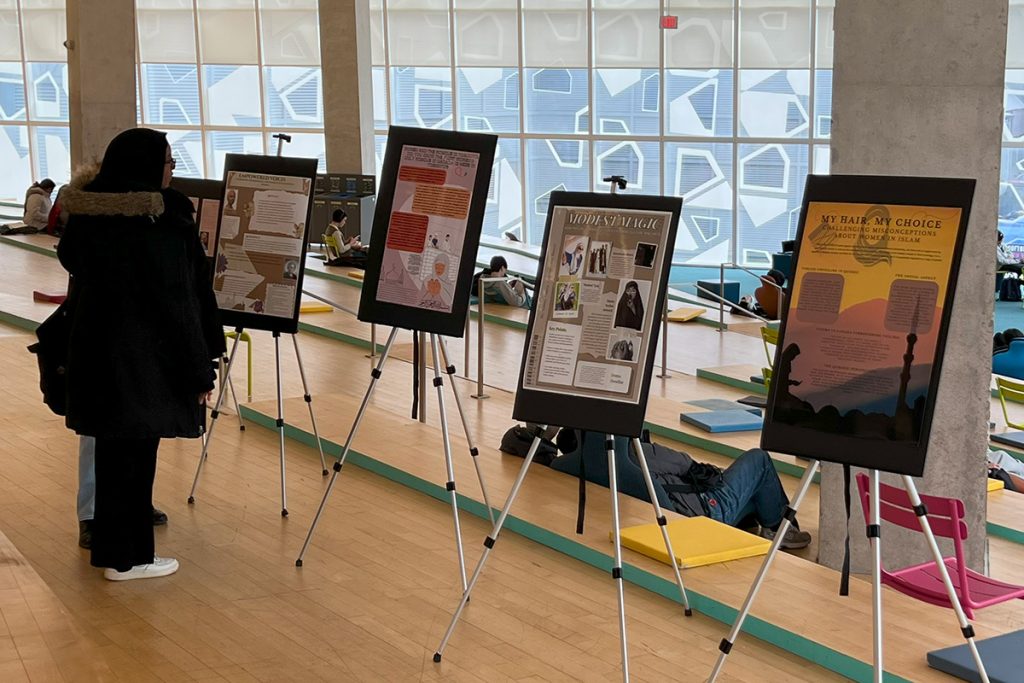
Moreover, community engagement is amplified when arts initiatives encourage partnerships between schools and local organizations. For instance, art exhibits, performances, and workshops that involve community members can serve to strengthen bonds between students and their neighborhoods. By collaborating with local artists, students experience real-world applications of their learning, bridging gaps between educational theories and actual community practices. This engagement cultivates a sense of purpose, motivating students to take pride in their work and contributions.
Addressing Mental Health and Well-being
In addition to academic advantages, integrating artistic practices can profoundly impact students’ mental health and overall well-being. The act of creating art has been shown to alleviate stress and anxiety, providing students with a constructive outlet for their emotions. Programs that incorporate art therapy techniques—where students express thoughts and feelings through artistic mediums—can yield improvements in emotional regulation and self-esteem. Educators are increasingly recognizing that a student’s emotional health is directly linked to their capacity to learn effectively.
Furthermore, the arts can serve as a vital tool for students processing complex issues related to identity and personal growth. With growing concerns over mental health in youth, integrating arts expands the toolkit available for educators, allowing them to foster environments where students feel safe to navigate their emotional landscapes. By prioritizing creativity and expression, schools can effectively contribute to nurturing well-rounded individuals capable of addressing both academic and life challenges.
As such, the inclusion of artistic practices within the educational framework is not just about enriching student engagement; it is about equipping students with the necessary skills to navigate both the academic arena and the broader world with confidence, creativity, and emotional intelligence. With these transformative outcomes in mind, the conversation surrounding arts integration in education must continue to evolve, empowering educators, students, and communities to embrace the limitless possibilities that creativity can offer.
DISCOVER MORE: Click here to learn how theater can transform lives
Concluding Thoughts on Arts Integration in Education
In conclusion, integrating artistic practices into educational curricula presents a multitude of benefits that extend far beyond mere student engagement. The compelling link between the arts and academic achievement underscores the necessity of reimagining traditional teaching methodologies. As students immerse themselves in creative processes, they not only develop essential skills such as critical thinking and emotional regulation, but also foster a deeper connection to cultural contexts and their communities.
The research supporting arts-rich educational programs, which indicate enhanced performance in standardized tests, highlights an essential shift for educators. By prioritizing arts integration, schools can cultivate environments that nurture both intellectual curiosity and personal identity among students. Such an inclusive atmosphere encourages a sense of belonging and community and positively impacts mental health and well-being.
Moreover, as we face increasing challenges in education, including student disengagement and mental health crises, embracing a multidisciplinary approach that includes the arts can empower students to navigate both academic and personal adversities with resilience. Educators, policymakers, and community leaders must recognize the transformational potential of arts integration and champion initiatives that promote creativity in classrooms. By doing so, we can inspire a new generation of learners who are not only academically proficient but also creatively empowered, culturally aware, and emotionally intelligent. The journey of redefining education through the arts is not merely an initiative—it is a necessity for shaping well-rounded, capable individuals ready to tackle the complexities of the world.