The Intersection of Artistic Pursuits and Cultural Heritage: Preserving Traditions Through Creativity
The Interplay of Heritage and Artistry
In today’s rapidly evolving society, the bond between artistic pursuits and cultural heritage plays a pivotal role in how we understand our past and shape our future. Throughout history, creativity has served as a vessel for cultural expression, allowing communities to preserve their unique identities and traditions. This intersection invites a deeper exploration of how art can be a living archive of heritage, showcasing both individual and collective stories that define who we are.
Art Forms Reflecting Cultural Narratives
Artistic expressions such as traditional crafts, music, and dance provide insight into the narratives of different cultures. For example, Native American beadwork not only serves as an aesthetic representation but also embodies significant historical stories and spiritual beliefs of the tribes. Similarly, the vibrant rhythms of African drumming communicate communal values and celebrate shared ancestry. In modern settings, these traditional forms have been adapted and integrated into contemporary performances, allowing them to evolve while still honoring their origins.
Community Engagement and Collaboration
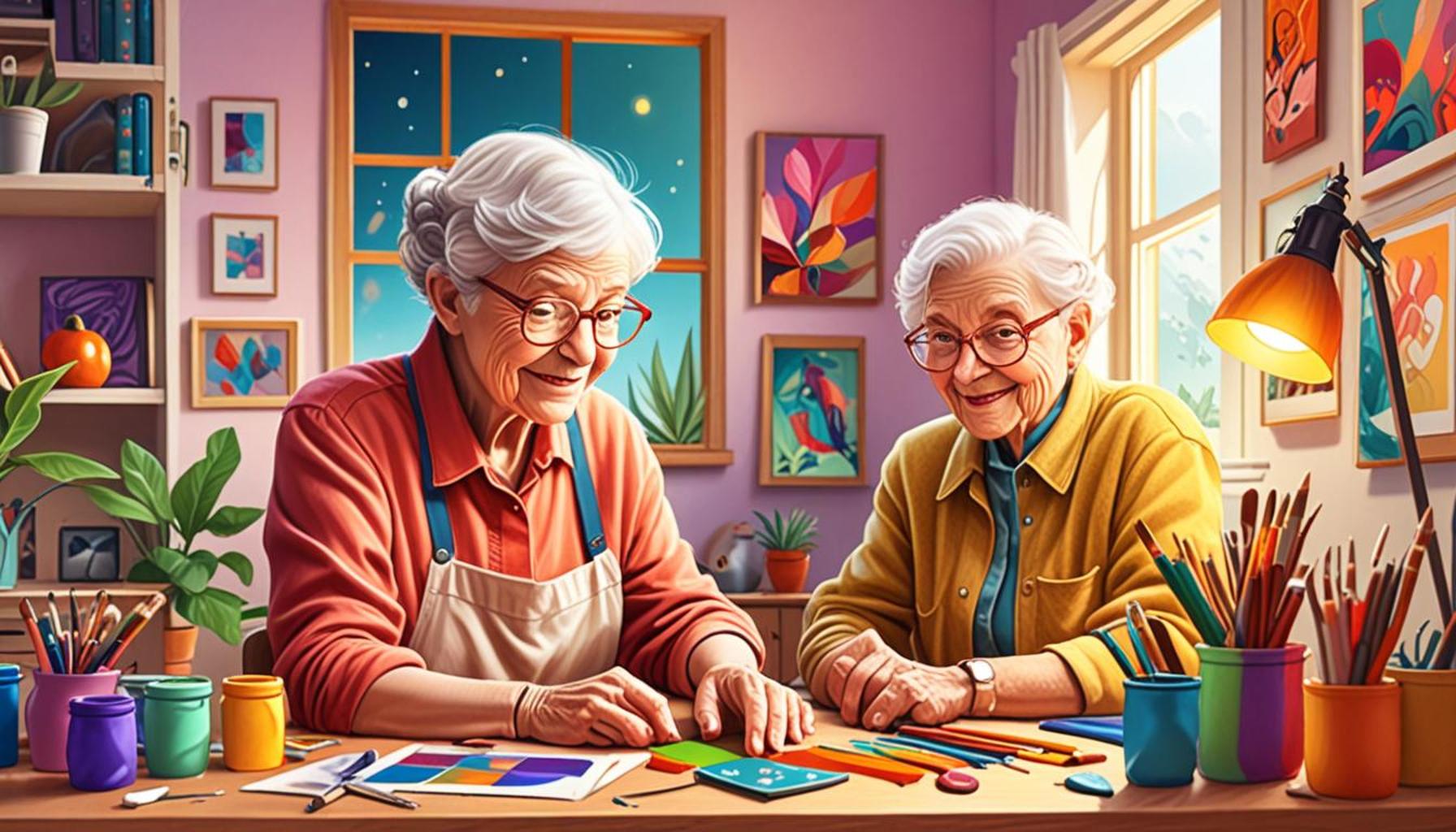
Community plays a critical role in the preservation of these cultural practices. Local artists often collaborate with elders to recover forgotten techniques, ensuring that the wisdom of the past is passed down to future generations. Initiatives such as community workshops in urban areas like Los Angeles or New York — where diverse populations reside — showcase how intergenerational cooperation can keep traditions alive. These workshops allow for the exchange of knowledge, enabling younger generations to learn pottery from elders or engage in storytelling that reinforces their cultural roots.
Harnessing Digital Innovations
In our digital age, new technologies are transforming how cultural practices are documented and shared. Platforms such as social media and creative apps enable artists to reach global audiences, sharing their heritage and creative processes with the world. Virtual exhibitions and online tutorials of traditional crafts not only preserve these practices but also inspire dialogue around cultural diversity and innovation. For instance, institutions like the Smithsonian use digital archives to make historical artifacts accessible, thereby fostering global appreciation and respect for different cultural legacies.
As we delve into this fascinating topic, one may wonder: How can contemporary artists draw inspiration from their cultural backgrounds? What role does creativity play in safeguarding customs that face the risk of fading away? By examining the methods and motivations behind these artistic endeavors, we unveil the crucial impact of creativity on preserving traditions. Artists who merge contemporary techniques with traditional practices not only create artworks but also serve as custodians of their cultures.
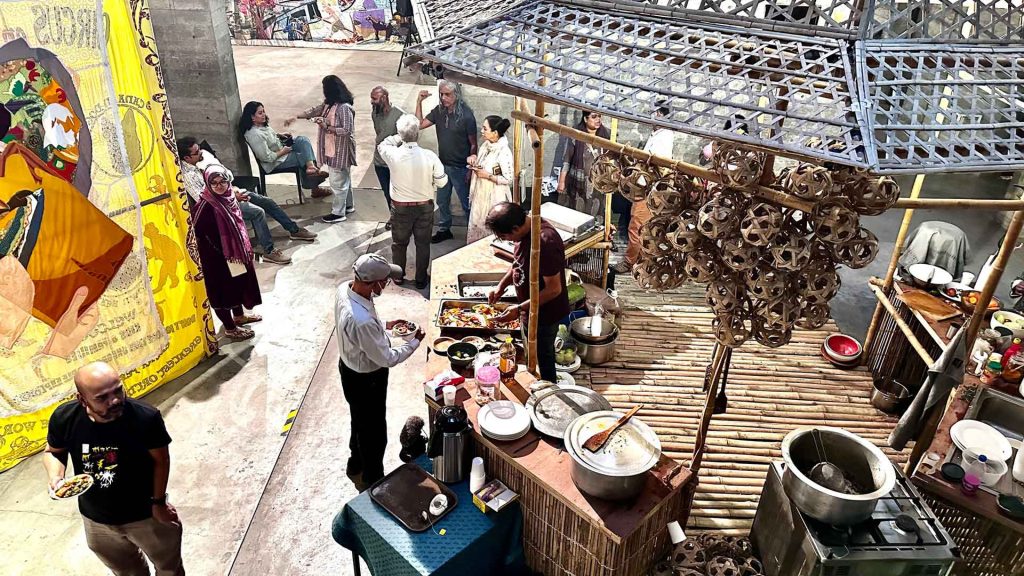
Join us as we uncover the stories behind the works that represent cultural identity, igniting dialogues about the importance of preserving our shared heritage through artistic expression. The collaboration of heritage and artistry is not just an exploration of the past but a vital part of shaping our future, emphasizing the importance of knowing where we come from to appreciate where we are heading.
DISCOVER MORE: Click here to learn about cultural diversity in the performing arts
Reviving Ancestral Arts Through Modern Influence
The significance of artistic pursuits in preserving cultural heritage can be seen through various forms of expression that incorporate traditional techniques while embracing modern influences. This fusion creates a dynamic platform where age-old practices meet contemporary creativity, resulting in a rich tapestry of art that resonates with both past and present. In the United States, for instance, Indigenous artists are reviving traditional crafts such as weaving, pottery, and jewelry-making, infusing them with modern themes that speak to current societal issues. Their work not only honors ancestral methods but also addresses contemporary narratives related to identity, resilience, and activism.
Art as an Educational Tool
Artistic expressions serve as vital educational tools, fostering an understanding of cultural heritage among younger generations. Schools and community centers across the U.S. are increasingly incorporating arts education programs that emphasize cultural traditions. These programs can include:
- Visual Arts Workshops: Offering classes in traditional painting, sculpture, and crafts that highlight the unique art forms of various cultures.
- Performing Arts Classes: Providing instruction in dance, music, and theater rooted in specific cultural histories, allowing students to explore these forms deeply.
- Cultural Festivals: Hosting events that celebrate diverse heritages through art exhibitions, performances, and culinary experiences, thereby fostering community connections and understanding.
This approach not only nurtures creativity among students but also instills a sense of pride in their cultural backgrounds, encouraging them to keep these traditions alive amidst the growing influence of globalization.
Challenges in Preserving Artistic Traditions
Despite the positive strides in melding artistic practices with cultural heritage, numerous challenges remain. Many traditional art forms are at risk of being lost due to factors such as:
- Modernization: The rapid pace of technological advancement and urbanization often sidelines cultural practices that are seen as less relevant to contemporary life.
- Commercialization: The commodification of art can dilute the essence of cultural expressions as artists struggle to strike a balance between authenticity and market demands.
- Cultural Appropriation: This complex issue arises when elements of a culture are borrowed without understanding their significance, which can lead to misrepresentation and disrespect.
Addressing these challenges is crucial for sustained efforts in preserving traditions through creativity. This preservation not only protects cultural heritage but also enriches the overall artistic landscape, ensuring that diverse voices continue to contribute to the narrative of our society.
In recognizing the role of artistic pursuits as a bridge between the past and the present, we can celebrate innovations that honor our ancestors while inspiring the next generation. As we further explore this intersection, the stories of artists and their communities reveal profound insights into the power of creativity in safeguarding cultural legacies for the future.
| Advantage | Description |
|---|---|
| Strengthening Identity | The fusion of art and culture fosters a profound sense of identity among communities, enabling them to recognize and celebrate their unique traditions. |
| Encouraging Innovation | Creative expressions often lead to innovative approaches in preserving cultural practices, ensuring they remain relevant in a rapidly changing world. |
The powerful intersection of artistic pursuits and cultural heritage reveals itself in numerous ways. One perspective is how the artistic representation of heritage can lead to a deeper understanding of cultural narratives. For instance, various art forms—be they visual arts, music, or dance—capture the essence of traditional stories and societal values. This not only preserves these stories but also actively engages younger generations, encouraging them to appreciate their cultural roots and share them through modern mediums.Additionally, the collaboration between artists and cultural historians can lead to new interpretations of age-old practices, effectively breathing life into them and attracting interest from both local and global audiences. Through exhibitions, festivals, and community projects, this collaboration promotes cultural exchange and awareness. It becomes crucial as societies grapple with globalization, allowing them to showcase their heritage while embracing contemporary artistic expressions. The significance of this intersection is evident: by intertwining creativity with cultural heritage, communities not only safeguard their histories but also pave the way for future generations to explore, appreciate, and redefine what culture means to them.
DISCOVER MORE: Click here to learn about the power of improvisation in music
Collaborative Efforts in Cultural Preservation
As communities recognize the value of their artistic heritage, collaboration becomes a vital strategy in preserving traditions. Various organizations and initiatives have emerged, creating partnerships between artists, cultural institutions, and local communities to sustain the transmission of cultural knowledge and art forms. One noteworthy example is the Smithsonian Institution, which frequently hosts exhibitions and workshops that highlight the artistic legacies of different cultural groups across the United States. By featuring works from Indigenous artists alongside contemporary interpretations, they create a space for dialogue between generations.
Additionally, initiatives like the National Endowment for the Arts provide grants to support cultural heritage projects, allowing creators to explore their roots while innovating new art forms. Such funding creates opportunities for artists to develop collaborative projects that not only empower local communities but also engage broader audiences in the richness of their cultural narratives. These projects often involve storytelling through various mediums, such as film and social media, ensuring that the conversation surrounding cultural heritage remains vibrant and accessible.
The Role of Technology in Cultural Transmission
In an age where technology permeates everyday life, the intersection of artistic pursuits and cultural heritage is being transformed through digital platforms. Artists are utilizing social media and online galleries to showcase their work and connect with global audiences, thus widening their reach beyond geographical boundaries. For instance, platforms like Instagram and YouTube have provided emerging artists with the opportunity to share their creative processes and the stories behind their work, allowing for a more intimate connection with viewers.
Moreover, digital archiving efforts by institutions such as the Library of Congress help preserve endangered art forms for posterity. By digitizing traditional crafts, folklore, and oral histories, these efforts not only protect artworks from physical degradation but also make them accessible for educational purposes. Virtual reality (VR) projects are also being explored, enabling individuals to experience cultural heritage sites and artistic practices as if they were there in person. This immersive technology can deepen understanding and appreciation of traditional arts, fostering an emotional connection to cultural histories from home.
Incorporating Artistic Heritage in Everyday Life
Artistic pursuits rooted in cultural heritage can also influence everyday decisions and lifestyles. From culinary arts to fashion, the influence of traditional practices is evident in numerous facets of contemporary culture. For example, chefs across the United States are increasingly incorporating indigenous ingredients and cooking methods in their menus, drawing attention to the culinary traditions of Native American tribes. This enthusiasm for traditional foodways brings visibility to cultural narratives while inspiring innovation in contemporary culinary practices.
Additionally, fashion designers are taking cues from cultural attire, marrying pattern and textile traditions with modern aesthetics. Notable designers of minority backgrounds are working to elevate their cultural heritage through fashion shows that celebrate diverse narratives. The incorporation of cultural elements not only nourishes a sense of identity but also invites conversations about representation in the fashion industry, thus reinforcing the importance of recognizing and uplifting underrepresented artists.
Through such integrations, artistic pursuits linked to cultural heritage do not merely exist in galleries or theaters; they become woven into the fabric of daily life, enriching experiences and promoting awareness of the intrinsic value of cultural traditions in shaping society.
DIVE DEEPER: Click here to ignite your creativity
Conclusion: The Lasting Impact of Artistic Pursuits on Cultural Heritage
The intersection of artistic pursuits and cultural heritage reveals a dynamic interplay that is vital for the preservation and celebration of traditions. As communities engage in collaborative efforts, both locally and digitally, they harness the power of creative expression to keep their cultural narratives alive. By intertwining traditional art forms with modern technologies, artists are not only safeguarding their heritage but also redefining it for future generations.
Moreover, the integration of cultural elements into everyday life, from culinary innovations to fashion trends, signifies a collective yearning to honor and celebrate diversity. These pursuits are more than mere expressions of identity; they foster conversations about representation, resilience, and the significance of cultural legacies. As institutions like the Smithsonian and the Library of Congress continue to champion and support these endeavors, they underscore the importance of sharing stories that reflect our multifaceted society.
Ultimately, preserving cultural heritage through creativity is not a solitary task; it is a communal journey propelled by shared experiences and mutual respect. As individuals explore and experience the rich tapestry of artistic traditions, they contribute to a vibrant cultural ecosystem that transcends borders and generations. The responsibilities of safeguarding these legacies lie in the hands of every artist, storyteller, and enthusiast, making it imperative to continue fostering creative connections that keep our cultural heritage alive and thriving.