How Artistic Hobbies Can Enhance Problem-Solving Skills in Everyday Life
Unlocking Problem-Solving through Creativity
Artistic hobbies encompass a diverse array of activities, from painting and sculpting to playing instruments and writing. These pursuits are not merely forms of expression; they serve as significant avenues for cultivating essential life skills that resonate deeply with effective problem-solving.
One core component of engaging in the arts is critical thinking. Artists often confront obstacles that challenge them to evaluate multiple approaches and identify the best course of action. For instance, a painter may experiment with different color palettes to evoke a specific emotion in their audience. By analyzing the impact of various choices, they engage in a form of problem-solving that extends well beyond the canvas.
Another vital aspect is flexibility. Art is inherently unpredictable. An aspiring musician might struggle to master a particular rif but find an alternative chord progression that achieves a more satisfying sonic result. This capability to adapt one’s methods fosters a mindset receptive to change and innovation, essential traits in today’s ever-evolving landscape.
Moreover, artistic endeavors frequently involve collaboration. Working on group art projects, for example, requires individuals to merge their ideas and techniques, allowing for a rich exchange of perspectives. Through this teamwork, participants learn the importance of listening, negotiating, and synthesizing differing opinions into a cohesive result. This collective approach not only enhances personal relationships but builds a community that can tackle larger challenges together.
Incorporating artistic endeavors into daily routines can have profound implications for how individuals confront everyday challenges. Activities such as crafting unique home decor items can inspire innovative solutions to spatial constraints, while playing music can serve as a motivational tool for stress relief or a way to stimulate cognitive function. These creative pursuits provide not only an escape from daily pressures but also arenas for sharpening analytical skills.
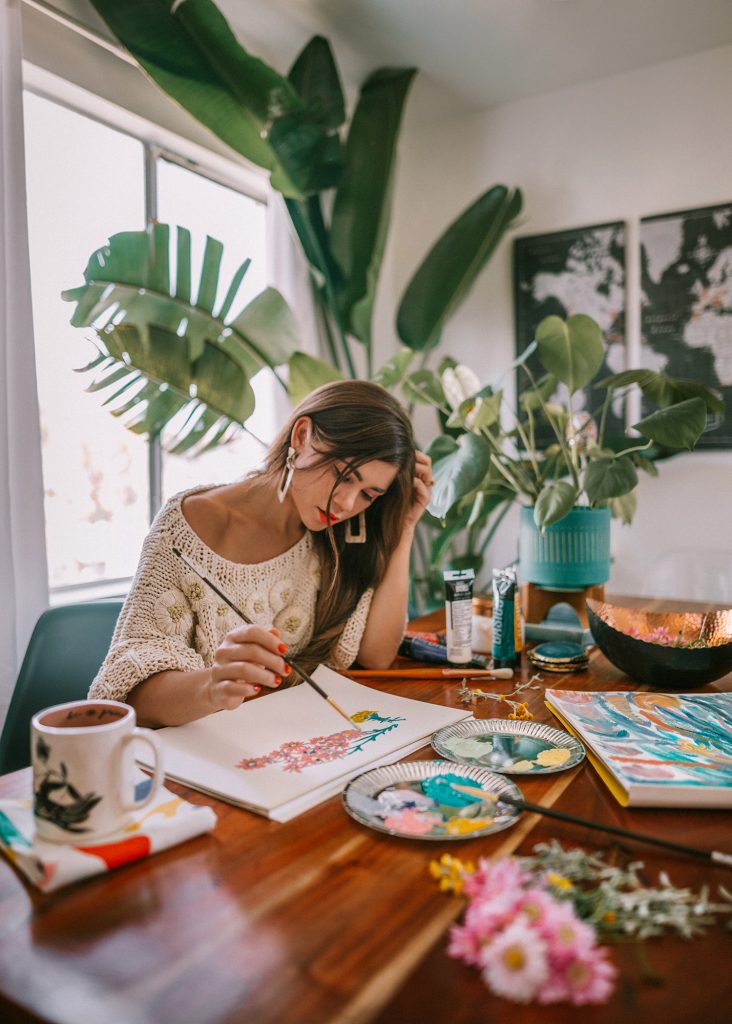
Research supports the notion that individuals engaged in creative hobbies often find themselves better prepared to approach problems from diverse angles. A study by psychologists at the University of Michigan revealed that participants involved in creative activities demonstrated increased levels of creativity and flexibility in problem-solving tasks. This adaptability enhances individuals’ ability to navigate the complexities of modern life, whether they’re tackling personal dilemmas or professional challenges.
As we further explore how artistic hobbies enrich our problem-solving toolkit, it becomes increasingly clear that these activities do far more than entertain. They build resilience, inspire innovation, and empower individuals to rise to the challenges they face. Embracing creativity can lead to profound transformations, enabling individuals to view life through a lens of possibilities rather than obstacles.
DISCOVER MORE: Click here to learn about the effects of art on mental health
Art as a Catalyst for Critical Thinking
Engaging in artistic hobbies fundamentally nurtures critical thinking skills, which are vital for effective problem-solving in everyday situations. Individuals who dabble in the arts, whether through painting, acting, or crafting, consistently face challenges that necessitate a keen evaluation of options and strategies. For instance, a writer may encounter a plot hole in their story. This prompts them to assess character motivations, revise dialogue, and explore alternative endings, effectively honing their ability to analyze and adapt their thought processes.
The beauty of artistic hobbies lies in their capacity to cultivate an analytical mindset. Artists often need to make decisions about their work, from selecting appropriate tools to ensuring that their vision is realized. This practice of decision-making translates directly to tackling real-life dilemmas. By developing a “growth mindset” through creative expression, individuals learn to embrace mistakes, persevere through difficulties, and iterate their solutions—skills mirrored in professional settings or personal challenges.
Fostering Adaptability Through Art
Another remarkable benefit of engaging in artistic endeavors is the enhancement of adaptability. Creativity thrives on experimentation, pushing individuals to step outside their comfort zones and approach their work from differing perspectives. This adaptability is crucial when navigating life’s uncertainties. For example, a sculptor may start with a specific material but, upon discovering its limitations, may pivot to another substance that better suits their vision. This willingness to adjust is not only relevant in the studio but also in daily life, where unexpected changes often require quick thinking and flexibility.
- Improvisation: In music, musicians often improvise when faced with unexpected performance challenges, developing their ability to think on their feet.
- Revision: Artists learn to revise their work based on feedback, a process that encourages open-mindedness towards constructive criticism.
- Iteration: Many creative projects require multiple drafts or iterations, reinforcing the importance of persistence and continual improvement.
Research has demonstrated that individuals who regularly engage in the arts display higher levels of creativity and flexibility when approaching complex problems. A notable study by the American Journal of Public Health found a direct correlation between individuals who participate in creative activities and their ability to solve problems effectively. Such studies emphasize the idea that the skills acquired through artistic practice are transferable to various aspects of life, enhancing one’s capacity to face challenges with innovative solutions.
Collaboration and Community in Creativity
Artistic hobbies frequently involve collaboration, further contributing to improved problem-solving skills. Engaging in group projects, such as community theater or collective art installations, requires effective communication and compromise. Participants learn to synthesize diverse ideas, listen actively, and negotiate varied perspectives, skills that are invaluable in personal and professional contexts.
As we delve deeper into the relationship between creativity and problem-solving, it becomes increasingly evident that embracing artistic pursuits has the potential to transform not just our approach to obstacles, but our entire worldview. Engaging with art encourages individuals to see possibilities rather than limitations, ultimately fostering resilience and innovation in every facet of life.
Exploring the Impact of Artistic Hobbies on Cognitive Development
Artistic hobbies, such as painting, writing, and playing music, offer a myriad of benefits particularly beneficial for enhancing problem-solving skills in everyday life. Engaging with these creative outlets fosters a unique blend of analytical and creative thinking, enabling individuals to approach challenges from varying perspectives. When individuals immerse themselves in artistic endeavors, they cultivate a mindset that thrives on exploration and experimentation.The inherent nature of artistic hobbies involves making choices, overcoming obstacles, and refining techniques, all of which mirror essential elements in problem-solving. For instance, a painter must decide on colors, shapes, and compositions, while a musician learns to navigate complex rhythms and harmonies. This constant practice of decision-making and adaptation significantly sharpens cognitive flexibility. In turn, this flexibility translates to improved problem-solving abilities, as individuals learn to navigate uncertainties and find innovative solutions in their day-to-day lives.Furthermore, these hobbies often encourage a deeper awareness of one’s emotions and reactions, enhancing emotional intelligence. As individuals express themselves through art, they learn to analyze their feelings, which can lead to better conflict resolution and interpersonal problem-solving skills. Strong emotional intelligence is critical when addressing challenges in personal and professional realms, enabling individuals to communicate effectively and empathetically.Moreover, participation in group art projects or classes fosters collaboration skills. Individuals learn to work within a team, share ideas openly, and resolve creative differences. This collaborative environment not only enriches the creative process but also strengthens the participants’ ability to solve problems together, emphasizing the power of shared perspectives.In summary, engaging in artistic hobbies can significantly enhance problem-solving skills by promoting cognitive flexibility, emotional intelligence, and collaboration. These benefits extend beyond the realm of art, becoming invaluable tools that individuals can apply to various aspects of their daily lives. By participating in creative pursuits, individuals not only enrich their lives but also equip themselves with essential skills that enhance their overall decision-making capabilities.
| Category | Advantages |
|---|---|
| Cognitive Flexibility | Encourages diverse thinking and adaptability in problem-solving. |
| Emotional Intelligence | Enhances personal insights and conflict resolution skills. |
| Collaboration | Fosters teamwork and shared problem-solving strategies. |
DISCOVER MORE: Click here to enhance your crafting skills
The Role of Creative Expression in Emotional Intelligence
Engaging in artistic hobbies not only sharpens cognitive skills but also significantly bolsters emotional intelligence, a critical component of effective problem-solving. Emotional intelligence involves the ability to recognize, understand, and manage our own emotions, as well as to empathize with the emotions of others. By participating in creative activities, individuals often become more attuned to their feelings and those of the people surrounding them, leading to more nuanced understanding and better conflict resolution skills.
For instance, a dancer might express their personal struggles through movement, effectively communicating feelings that might be difficult to articulate verbally. This connection between emotional expression and interpersonal understanding fosters meaningful relationships and allows individuals to approach problems from a compassionate standpoint. When confronted with a disagreement, someone with heightened emotional intelligence can navigate the situation more effectively, considering all parties’ emotional states and finding a resolution that respects everyone’s viewpoints.
Enhancing Visualization Skills
Another advantage of artistic hobbies is the development of better visualization skills, which plays a fundamental role in problem-solving. Many art forms, such as architecture, graphic design, or sculpture, require practitioners to visualize outcomes before actualizing them. This capacity to picture a final product can translate into a distinct advantage in problem-solving scenarios. For example, a project manager may visualize the steps necessary to complete a task ahead of time, thus foreseeing potential obstacles and mitigating them before they arise.
- Mapping Ideas: Artists frequently draft preliminary sketches or storyboards, which can inspire organized thought processes in other fields, such as project planning or strategic development.
- Spatial Awareness: Many visual artists cultivate an acute sense of spatial relationships, enabling them to better assess how elements interact within a physical space—valuable in engineering or design.
- Future-Proofing: By imagining potential futures and outcomes based on current trends, creative professionals can prepare themselves for various scenarios, akin to strategic forecasting in business.
A growing body of research indicates that practicing visual arts can enhance cognitive flexibility — the ability to switch between thinking about multiple concepts simultaneously. A relevant study from Stanford University highlighted how students undergoing art training demonstrated superior problem-solving capabilities compared to their peers who had not. This suggests that those immersed in artistic pursuits develop an enhanced capacity to generate unique solutions and adapt their strategies accordingly.
Crisis Management Through Artistic Experiences
Artistic hobbies inherently place individuals in scenarios that require quick thinking and crisis management. Whether it’s a photographer adapting their shots to changing light conditions or an actor improvising under unforeseen circumstances, these experiences can mirror the unpredictability of daily life. Such environments prepare individuals to address and resolve problems in a fast-paced manner.
Take, for example, the world of theater. When a performance faces an unexpected disruption, such as a prop malfunction or a missed cue, cast members must swiftly recalibrate their actions, maintaining the show’s integrity. This ability to think on one’s feet is not solely confined to the stage; it extends into personal and professional realms, where adaptability can mean the difference between success and failure.
Overall, through fostering emotional intelligence, enhancing visualization skills, and preparing for crisis situations, engaging in artistic hobbies equips individuals with a robust toolkit for tackling everyday challenges. As the connection between art and problem-solving deepens, it becomes increasingly clear that embracing creativity may well enhance our capacity to navigate the complexities of modern life.
DIVE DEEPER: Click here to unlock your imagination
Conclusion: The Transformative Power of Artistic Hobbies
In summary, the exploration of how artistic hobbies can enhance problem-solving skills presents a compelling case for the integration of creativity into our daily lives. By engaging in various forms of artistic expression, individuals not only develop cognitive flexibility and visualization skills, but also cultivate a rich emotional intelligence that is essential for effective problem-solving. These creative pursuits encourage innovative thinking, equip practitioners with the ability to navigate complex situations with ease, and promote resilience in the face of challenges.
The benefits extend far beyond the realm of personal satisfaction or aesthetic enjoyment; they permeate our professional and interpersonal experiences, enriching the way we approach obstacles. The capacity to see problems from multiple perspectives, empathize with others, and adapt quickly in changing circumstances can lead to more effective collaborations and solutions, fostering a more harmonious environment both at work and at home.
Moreover, as research underscores the positive relationship between creativity and heightened problem-solving capabilities, it becomes increasingly vital to consider artistic hobbies as essential tools for lifelong learning. From participating in community art classes to exploring solo creative endeavors, the possibilities are endless and deeply rewarding. Therefore, embracing artistic hobbies is not just an indulgence; it is a robust strategy for enhancing our problem-solving skills and ultimately navigating the complexities of modern life with greater confidence and insight.
As we continue to appreciate the interconnectedness of creativity and critical thinking, the call to weave artistic pursuits into our daily routines becomes ever more relevant. What new perspectives might you discover through your own artistic journey?