The Role of Artistic Pursuits in Enhancing Emotional Intelligence
The Transformative Power of Artistic Engagement
Artistic pursuits transcend mere hobbies; they play a pivotal role in cultivating emotional intelligence. Whether through painting, music, or dance, engaging in these activities offers profound opportunities for emotional development and self-awareness. This intricate relationship between creativity and emotional growth sheds light on the multifaceted ways art nurtures our inner lives.
One of the most significant benefits of engaging in artistic activities is the enhancement of empathy development. When individuals create or interpret art, they often step into the shoes of others, grappling with various life narratives and experiences. For instance, a musician might compose a piece inspired by someone else’s struggle with mental health, allowing both the artist and their audience to connect on a deeper emotional level. This experience not only promotes understanding but also fosters a sense of community among diverse groups, bridging gaps through shared human experiences.
Self-expression is another critical component of art that aids in emotional awareness. Traditional communication often fails to capture the full spectrum of human feelings. Artistic outlets can fill that gap, enabling individuals to articulate complex emotions that words might not fully express. For example, a young person might find solace in creating a mural that vividly represents their journey through adolescence, translating pain into color on a wall. This process can lead to catharsis, revealing insights into both personal struggles and triumphs.
Furthermore, engaging in creative activities serves as a vital coping mechanism. During periods of stress or anxiety, individuals often turn to art as a refuge. Activities such as journaling, sculpting, or playing an instrument can offer not only an escape but also a way to process emotions constructively. Research has shown that people who regularly engage in artistic endeavors report lower levels of anxiety and depression, underlining the therapeutic benefits of creativity. Programs like expressive arts therapy have emerged, leveraging these insights to help individuals navigate personal challenges through artistic means.
Moreover, numerous studies support the idea that those involved in the arts tend to exhibit heightened levels of emotional awareness and interpersonal skills. These attributes are invaluable in both personal relationships and professional settings, where emotional intelligence can enhance communication and collaboration. For example, a manager who fosters a creative work environment might notice improved team dynamics and morale, as employees feel more connected to one another through shared artistic experiences.
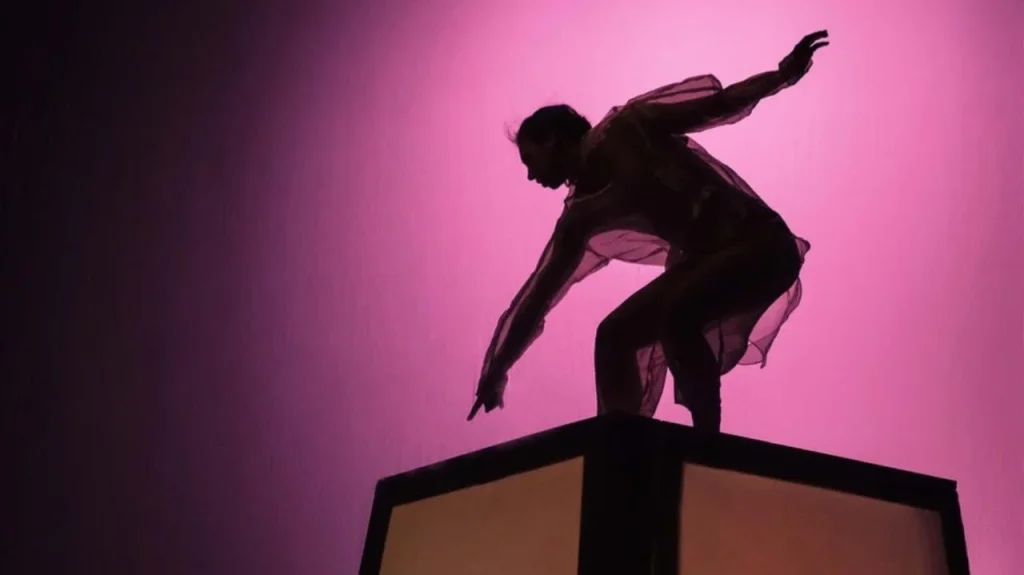
Ultimately, the journey through creative expression unveils unexpected pathways to understanding oneself and forming meaningful connections with others. By embracing artistic pursuits, individuals can not only embark on a journey of self-discovery but also enrich their relationships. This interplay between creativity and emotional intelligence highlights the profound impact that art can have on our lives, inviting everyone to explore their creative potential as a means to navigate the complexities of human emotion.
DIVE DEEPER: Click here to discover innovative crafting techniques
Empathy and Understanding through Artistic Expression
Artistic pursuits serve as a gateway to empathy, encouraging individuals to connect with diverse emotional landscapes. Engaging with different forms of art—whether through painting, literature, or theater—allows individuals to see the world through another’s perspective. This immersive experience broadens one’s understanding of human emotions and behaviors, which is a cornerstone of emotional intelligence.
For instance, a literature student analyzing a character’s struggles may experience an emotional shift, allowing them to relate to the character’s fears or aspirations. This connection extends beyond the academic realm; it cultivates a heightened sense of awareness in everyday interactions, nurturing compassion and reducing biases. Studies have shown that individuals who regularly engage with stories—either through films, books, or performances—exhibit lower instances of prejudiced attitudes, thereby enhancing their capacity for understanding and acceptance.
Participating in artistic endeavors also fosters self-awareness. This introspective journey enables individuals to explore their feelings, thoughts, and motivations. A dancer, for instance, might choreograph a routine reflecting personal struggles, allowing the performer to confront and express those emotions in a safe environment. This not only enhances self-recognition but also equips the individual with the tools to articulate feelings to others more effectively. As a result, individuals learn to navigate their emotional landscape, which is invaluable in both personal relationships and professional settings.
Moreover, artistic pursuits encourage individuals to develop essential communication skills. Participants in art therapy, for example, often discover that expressing emotions through creative channels facilitates open dialogue about their experiences. Such environments promote vulnerability and trust, crucial components of emotional intelligence. Through the exchange of ideas and artistic feedback within collaborative projects—like community murals or group performances—the dialogue encourages deeper connections and understanding between participants.
Incorporating artistic pursuits into regular routines could show substantial benefits for mental well-being and emotional growth. To highlight the potential advantages, consider the following:
- Increased empathy and compassion: Art fosters connections that allow individuals to experience another person’s emotions.
- Heightened self-awareness: Artistic activities serve as mirrors to the self, unveiling hidden emotions and thoughts.
- Enhanced communication skills: Creating and discussing art nurtures discussions that improve interpersonal dialogue.
- Improved coping mechanisms: Artistic pursuits provide tools for managing stress and emotional upheavals, offering therapeutic relief.
Ultimately, the engagement in artistic endeavors presents a multidimensional approach to enhancing emotional intelligence. It empowers individuals to navigate the complexities of their emotional lives while fostering connections with others. As society increasingly realizes the significance of emotional intelligence, the role of art as a catalyst for personal and collective growth becomes more apparent, inviting exploration into the transformative power of creativity.
The Role of Artistic Pursuits in Enhancing Emotional Intelligence
Artistic pursuits offer a multifaceted approach to enhancing emotional intelligence. Engaging in activities such as painting, music, dance, or writing allows individuals to explore their emotions in a safe environment. One primary advantage is the development of self-awareness. When artists create, they often tap into their personal experiences and feelings, leading to a greater understanding of their emotional landscape. This self-reflection is invaluable for recognizing emotional triggers and patterns in daily life.Furthermore, participating in artistic endeavors cultivates empathy. By interpreting and conveying various emotions through their work, artists often find themselves considering perspectives outside their own. This practice fosters a deeper connection with others as they learn to navigate the complexities of human emotion. Additionally, collaborating in artistic projects enhances interpersonal skills, allowing individuals to communicate their ideas and feelings more effectively, thereby building stronger relationships. To illustrate this, studies have shown that children engaged in visual arts, music, and drama exhibit improved emotional regulation skills. This correlation between artistic engagement and emotional understanding highlights its potential for educational systems aiming to develop well-rounded individuals. Engaging in artistic activities often requires individuals to step outside their comfort zones. This helps build resilience, a crucial component of emotional intelligence. By facing the challenges associated with creating art, whether it’s overcoming perfectionism or accepting constructive criticism, individuals develop coping strategies that serve them well in various life situations.Understanding these connections between art and emotional intelligence provides a compelling case for incorporating artistic practices into both educational curricula and personal development programs. With increasing recognition of mental health’s importance, fostering emotional intelligence through artistic pursuits becomes an essential focus for holistic growth.
| Category | Advantages of Artistic Pursuits |
|---|---|
| Self-Awareness | Enhances understanding of personal emotions |
| Empathy | Fosters deeper emotional connections with others |
| Resilience | Builds coping strategies through creative challenges |
Through these artistic engagements, individuals are not just developing artistic skills but are also enhancing their overall emotional well-being. Exploring the vibrant landscape of emotions through art opens routes for communication, expression, and profound personal growth.
DISCOVER MORE: Click here to learn how art can uplift your mood
Coping with Emotional Challenges through Creative Outlets
In today’s fast-paced world, individuals often encounter a myriad of emotional challenges, from anxiety to depression. Artistic pursuits offer a valuable toolkit for coping with these difficulties. By engaging in creative expression, individuals can process complex feelings, leading to improved emotional health and heightened emotional intelligence. Studies indicate that people involved in art therapy show a significant decrease in symptoms of anxiety and depression. This therapeutic approach utilizes various art forms to facilitate emotional release and understanding.
A prime example of this can be seen in the practice of visual art, where individuals use painting or drawing as a medium to channel emotions. A person struggling with feelings of anger or sadness may choose to create expressive abstract pieces that reflect their internal state. This artistic engagement becomes a non-verbal conversation where colors and shapes serve as avenues for self-expression, thereby offering relief and clarity. The act of creating not only provides a distraction but also allows for reflection on one’s emotional state, promoting adaptive coping mechanisms.
Moreover, engaging in music therapy has shown promising results in enhancing emotional intelligence. Participating in music creation, whether through songwriting, playing musical instruments, or group singing, cultivates a sense of community and belonging. Researchers have found that group musical activities can lead to enhanced social connectedness and emotional support, both of which are fundamental aspects of emotional intelligence. The shared experience of making music together promotes collaboration, empathy, and understanding, critical for navigating interpersonal dynamics.
In addition to visual arts and music, drama and performance arts serve as powerful tools in developing emotional intelligence. Through embodying diverse characters and scenarios, actors can delve into emotional experiences that may differ from their own. This practice stimulates emotional identification, which is essential for recognizing and understanding the feelings of others. The educational benefits of drama extend beyond the stage; students involved in theater programs exhibit increased self-confidence and resilience, both pivotal traits in managing personal emotions and fostering relationships.
Artistic pursuits also provide mindfulness benefits, a practice rooted in awareness and acceptance of the present moment. When individuals are engaged in creative activities, they often experience a state of flow—an immersive experience where one loses a sense of time and self. This state not only reduces perceptions of stress but also enhances emotional regulation by teaching individuals to redirect their attention to the task at hand, thus fostering emotional stability. Practices like dance and yoga incorporate artistic elements while promoting mindfulness, helping individuals cultivate a stronger connection to their bodies and emotions.
- Efficacy in emotional release: Artistic activities allow individuals to express feelings that may be difficult to articulate verbally.
- Community building: Group arts initiatives create bonds and open dialogues, leading to stronger emotional support systems.
- Mindfulness development: Engaging in creative expression fosters present-moment awareness, crucial for emotional regulation.
- Diverse emotional insights: Performing arts provide opportunities to explore emotions beyond personal experiences, enhancing empathy.
As individuals continue to navigate the complexities of modern emotional landscapes, the importance of artistic pursuits in fostering resilience and emotional intelligence cannot be overstated. By incorporating creative expression into their lives, individuals are not only enriching their personal growth but also contributing to a more compassionate and emotionally aware society.
DISCOVER MORE: Click here to learn about the power of reflective writing
Conclusion: Embracing Creativity for Emotional Growth
In conclusion, the role of artistic pursuits in enhancing emotional intelligence is both profound and multifaceted. As we navigate the complexities of our emotional experiences, creative outlets such as visual arts, music, and drama provide not only a means of expression but also a pathway to deeper self-awareness and empathy. Engaging in these artistic endeavors fosters essential emotional skills like mindfulness, resilience, and interpersonal understanding.
Furthermore, the therapeutic aspects of creative expression offer a unique approach to coping with emotional challenges, such as anxiety and depression. By channeling feelings into art, individuals can find relief and clarity while also developing a greater awareness of their emotional landscape. The resulting sense of community found in group artistic activities reinforces the importance of social connections in promoting emotional well-being.
As research continues to unveil the connections between creative expression and emotional intelligence, it becomes increasingly clear that incorporating artistic practices into our daily lives is not simply beneficial but necessary. Whether through joining a local art class, participating in community theater, or exploring music, individuals can cultivate a richer emotional life. Artistic pursuits enable us to not only understand ourselves better but also foster compassion and connection with others, paving the way for a more emotionally intelligent society.
In embracing creativity, we take a significant step towards personal growth and the collective enhancement of emotional intelligence, ultimately leading to a more empathetic and understanding world.