The Influence of Technology on Modern Artistic Practices: Blending Tradition with Innovation
The Changing Landscape of Art in the Digital Age
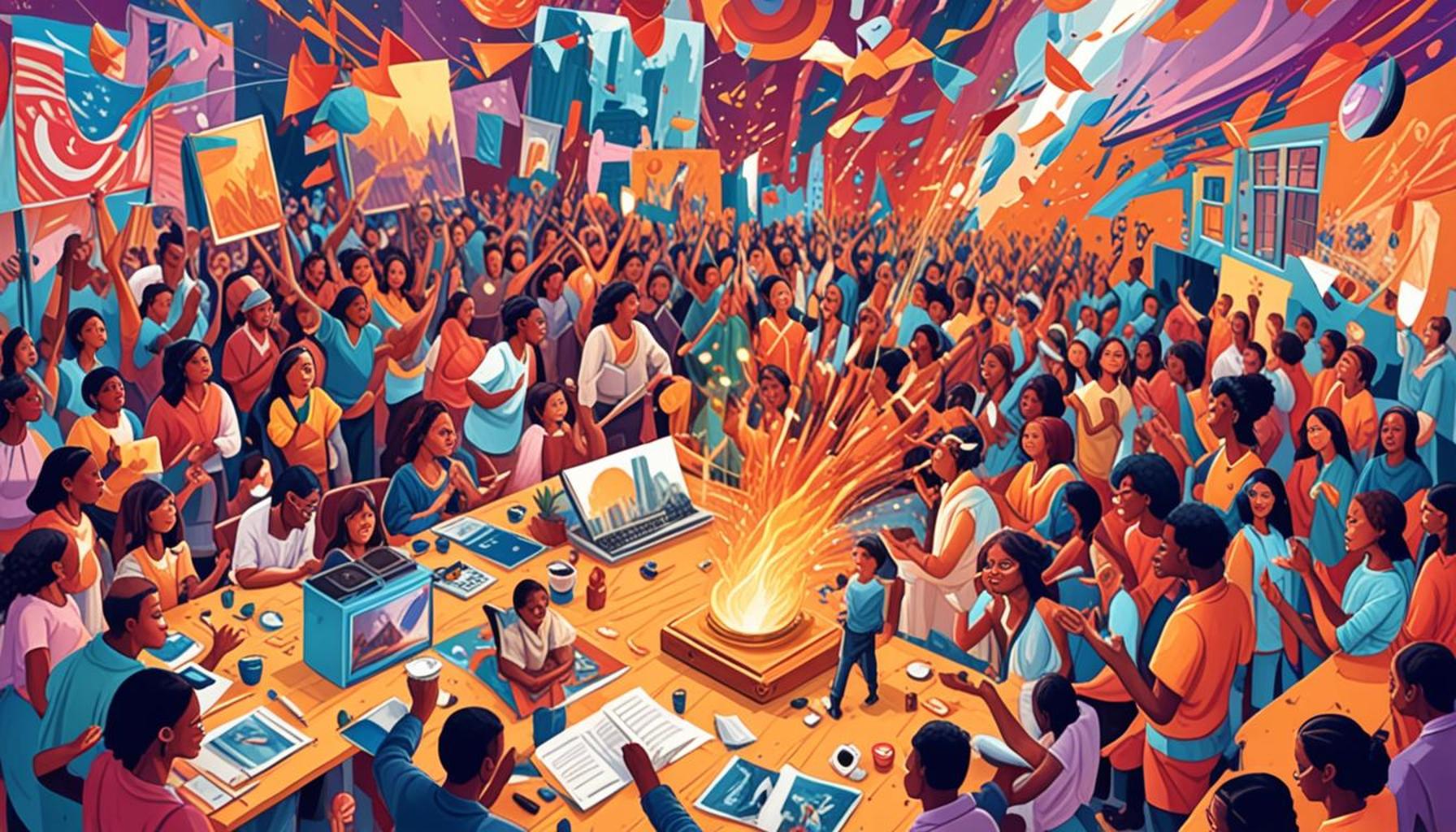
The art world is experiencing profound changes, primarily fueled by rapid advancements in technology. Today’s artists are not just creators; they are pioneers at the intersection of traditional techniques and innovative tools that challenge our understanding of what art can be. This amalgamation of the old and new fosters a rich dialogue, reshaping the way art is both produced and perceived.
As creative practices evolve, they increasingly leverage various technological advancements, leading to the rise of new and exciting forms of art. Consider these illustrative examples:
- Digital Art: With the advent of graphic design software like Adobe Photoshop and Procreate, artists can push boundaries in their creative output. Digital painting tools provide endless possibilities, enabling artists to experiment with color palettes and brush techniques without the constraints of traditional mediums. For instance, contemporary digital artist Beeple sold a work for $69 million, illustrating the vast potential and acceptance of digital art in mainstream markets.
- Virtual Reality (VR): This technology offers immersive experiences that transform the spectator’s engagement with art. VR installations, such as those by artists like Jon Rafman, allow viewers to enter new worlds, interacting with and experiencing art in ways previously unimaginable. This creates an environment where audience feedback and participation can shape the experience, blurring the line between creator and observer.
- 3D Printing: This innovative technology empowers sculptors to produce intricate designs that were once deemed impossible. Artists like Louisa Chase have utilized 3D printing to create complex geometric forms, expanding the possibilities of sculpture. Additionally, 3D printing not only enhances detail but can also make art more accessible and reproducible, raising questions about exclusivity in the art market.
These technological innovations not only enrich creative avenues but also challenge the very definitions of art. As artists navigate this ever-evolving landscape, they are confronted with significant questions that probe the essence of their work:
- How does technology enhance or limit artistic expression?
- What role does tradition play in contemporary creative practices?
- Can an artwork created primarily by algorithms be considered genuine art?
Engaging with these questions reveals a vibrant landscape filled with potential for growth and discovery. Understanding the nuanced relationship between technology and art encourages a re-examination of our perspectives. With boundaries continuously being pushed and redefined, the dialogue around art in the digital age is not only essential but also stimulating, inviting everyone to join in the exploration of what could come next.
DIVE DEEPER: Click here to learn about the tech revolution in music

Revolutionizing Artistic Expression
The intersection of technology and art has led to an unprecedented revolution in how artists develop their craft and engage with audiences. Today’s artists are constantly embracing new tools that not only augment their capabilities but also challenge the traditional paradigms of creativity. As technology continues to advance, so does the artistic landscape, characterized by innovation and a willingness to adapt.
One of the most significant advances has occurred in the realm of social media and online platforms. Artists now possess the ability to share their work with a global audience instantaneously. The platforms themselves serve as a canvas, allowing for interactive dimensions of creativity that extend beyond mere visual art. Consider the example of Instagram art—a space where artists like @thegoodtrade use images and narratives to share their creative processes while sparking discussions that transcend geographical barriers. This engagement has transformed both the artist’s role and the viewer’s experience, giving birth to a thriving digital art community.
Moreover, technology has fostered an environment ripe for collaboration. Tools such as collaborative software, video conferencing, and project management applications enable artists from different backgrounds and disciplines to unite for innovative projects. Take, for instance, the efforts of artists such as the digital collective TeamLab, who leverage technology to create immersive installations combining visual art, sound, and interaction, effectively merging their backgrounds in art, technology, and sound design.
The Emergence of New Mediums
The rise of augmented reality (AR) has further reshaped artistic expressions. Artists can overlay digital images onto the physical world, creating layers of meaning and interactivity in their work. For example, the AR experience curated by artist Olafur Eliasson in New York’s public spaces invites viewers to engage with their surroundings in novel ways, merging the real with the imagined and posing new questions about perception and reality.
As artists navigate this new terrain, several key benefits emerge from integrating technology into traditional practices:
- Expanded Reach: Artists can showcase their work to a wider audience without the geographical limitations imposed by galleries and art fairs.
- Innovative Techniques: Traditional mediums can be combined with high-tech methodologies, creating unique works that defy classification.
- Community and Collaboration: Digital platforms encourage artists to collaborate and share ideas, fostering a sense of community that enhances creativity.
- Real-Time Feedback: Social media allows artists to receive immediate reactions to their work, influencing subsequent creations and evolution.
This ongoing dialogue between technology and traditional artistic practices not only enriches the art world but also prompts critical conversations about the implications of such technology. It challenges artists to reassess their identities, explore their creative potentials, and consider the transformative impact their work may have on society.
In recent years, the intersection of technology and art has blossomed into a dynamic realm, fundamentally altering how artists conceive, create, and exhibit their work. Technology, once merely a tool for enhancing traditional artistic practices, has evolved into a medium that provides infinite possibilities for innovation. Artists are now harnessing digital platforms, augmented reality, and artificial intelligence to push the boundaries of creativity, allowing for interactive and immersive experiences that resonate with audiences in ways previously thought impossible.One of the remarkable advancements is the rise of digital art forms, which challenge conventional definitions of art. Digital painting, 3D modeling, and virtual reality experiences are immersing viewers in environments where they can interact with art pieces. This level of engagement not only enhances appreciation but also encourages participation, inviting audiences to become co-creators. Such forms of collaboration between technology and artists allow for unprecedented expression; they blend brush strokes with algorithms, creating a new aesthetic that reflects modern themes and societal shifts.Furthermore, technology facilitates the preservation and dissemination of traditional art forms, enabling artists to reach broader audiences without geographical constraints. Online platforms showcase galleries, while social media serves as a space for artists to share their processes and stories, fostering community engagement. This democratization of art means that diverse voices and perspectives can be highlighted, contributing to a richer cultural tapestry.As artists navigate these changes, they also grapple with the implications of shifting practices. The question arises: does technology erode the authenticity of art, or does it enrich cultural heritage by creating hybrid forms that honor tradition while embracing innovation? Such discussions are vital as we explore the evolving nature of artistic expression in this digital age.To illustrate the intricate relationship between technology and modern artistic practices, the following table highlights specific advantages of this fusion:
| Category | Features/Benefits |
|---|---|
| Digital Art | Allows for innovative techniques and unlimited editing, merging various styles and media. |
| Interactive Installations | Engages audiences actively, enhancing emotional connection and fostering dialogue around the artwork. |
| Online Exhibitions | Widens access to art, allowing global audiences to explore diverse cultures and practices. |
This fusion of tradition and innovation not only redefines creative boundaries but also brings forth essential conversations regarding the future of art in an increasingly digital world. As we continue to investigate these themes, the potential for artistic evolution remains an exciting frontier that reflects our collective experience in a technologically driven society.
DIVE DEEPER: Click here to discover more
Challenging Aesthetic Norms
The integration of technology in art not only expands the toolkit available to artists but also challenges traditional aesthetic norms. Digital mediums encourage artists to explore concepts that may not fit into classic categories, pushing the boundaries of what is considered fine art. Artists like Casey Reas, co-founder of the Processing programming language, exemplify how software can be employed as a medium itself, allowing for creations that are as much about the code as they are about the imagery produced.
In the realm of generative art, for instance, algorithms and systems control the process of creation, resulting in artworks that are dynamically generated and often unpredictable. This approach raises important questions regarding authorship and originality. Who is the true artist—the programmer, the algorithm, or the viewer who interacts with the work? As generative art continues to gain traction in galleries and festivals, it illustrates how technology can elicit a reevaluation of traditional artistic definitions.
Interactive Installations and Experiential Art
The rise of interactive installations is another transformative aspect of technology’s influence on art. Artists are increasingly merging craftsmanship with responsive technologies, resulting in immersive environments that engage multiple senses. An example of this can be seen in the work of artist Jen Stark, who utilizes digital projection mapping to alter the viewer’s perception of space within her installations, allowing spectators to step into a fluid realm where they become participants rather than mere observers.
Furthermore, contemporary artists are harnessing virtual reality (VR) to offer immersive storytelling experiences that can elicit empathy and emotional resonance. VR art can transport viewers into worlds that challenge their understanding of space, time, and reality. One noteworthy example is the work of artist Marina Abramović, whose VR pieces invite participants to confront their own emotions and reactions in a controlled yet surreal environment, blending personal introspection with digital innovation.
Environmental Engagement through Technology
Technology is also playing a critical role in bridging the gap between art and environmental advocacy. Artists like Olafur Eliasson have utilized digital platforms to raise awareness about climate change, creating artworks that encourage viewers to interact with nature in unexpected ways. By incorporating data-driven installations—such as real-time environmental surveillance—artists are promoting sustainability and provoking dialog around ecological awareness.
- Cultural Preservation: Emerging technologies, including 3D scanning and printing, allow artists to document and recreate traditional artworks and artifacts, ensuring that cultural heritage is preserved for future generations.
- Augmented and Virtual Realities: These technologies are not just tools for creation but also serve as means for cultural education and exploration, enabling audiences to engage with diverse cultural narratives in innovative ways.
- Art as Data: The transformation of everyday data—such as social media interactions—into visual artworks serves to comment on modern society, making technology an essential medium for critical exploration.
As technology continues to evolve, its integration into the artistic process raises fascinating discussions on how it affects cultural narratives, challenges conventions, and ultimately shapes the direction of artistic practices. Each piece created through this fusion fosters a new understanding of both the potential of technology and the enduring importance of human experience in artistic expression.
DISCOVER MORE: Click here to learn about the benefits of art on mental health
Conclusion
The intersection of technology and art is not merely a trend; it represents a transformative cultural evolution reshaping how we create, perceive, and interact with artistic expressions. As artists embrace new tools—from digital media to virtual reality—they are altering the conventional landscape of art, encouraging audiences to engage with art in multifaceted ways. Through interactive installations and generative artwork, the very definitions of authorship and aesthetic norm have been redefined, inviting viewers to become participants in the creative process.
This synthesis of technology and traditional practices also serves a larger societal purpose. In an age where pressing issues such as climate change and cultural preservation demand immediate attention, artists are utilizing technological innovations to convey significant messages and foster awareness. By merging artistic expression with scientific data, artists like Olafur Eliasson exemplify how art can inspire action and reflection on critical social issues.
As we look forward, the potential for technology to further enhance artistic practices remains limitless. Emerging technologies will continue to inspire a new generation of artists to explore, invent, and challenge boundaries. Each digital brushstroke or algorithmically generated composition tells a story of continuity between past and future, tradition and innovation. For those looking to understand the current art landscape, examining how these changes unfold may reveal profound insights into our cultural consciousness and the future trajectory of artistic expression.