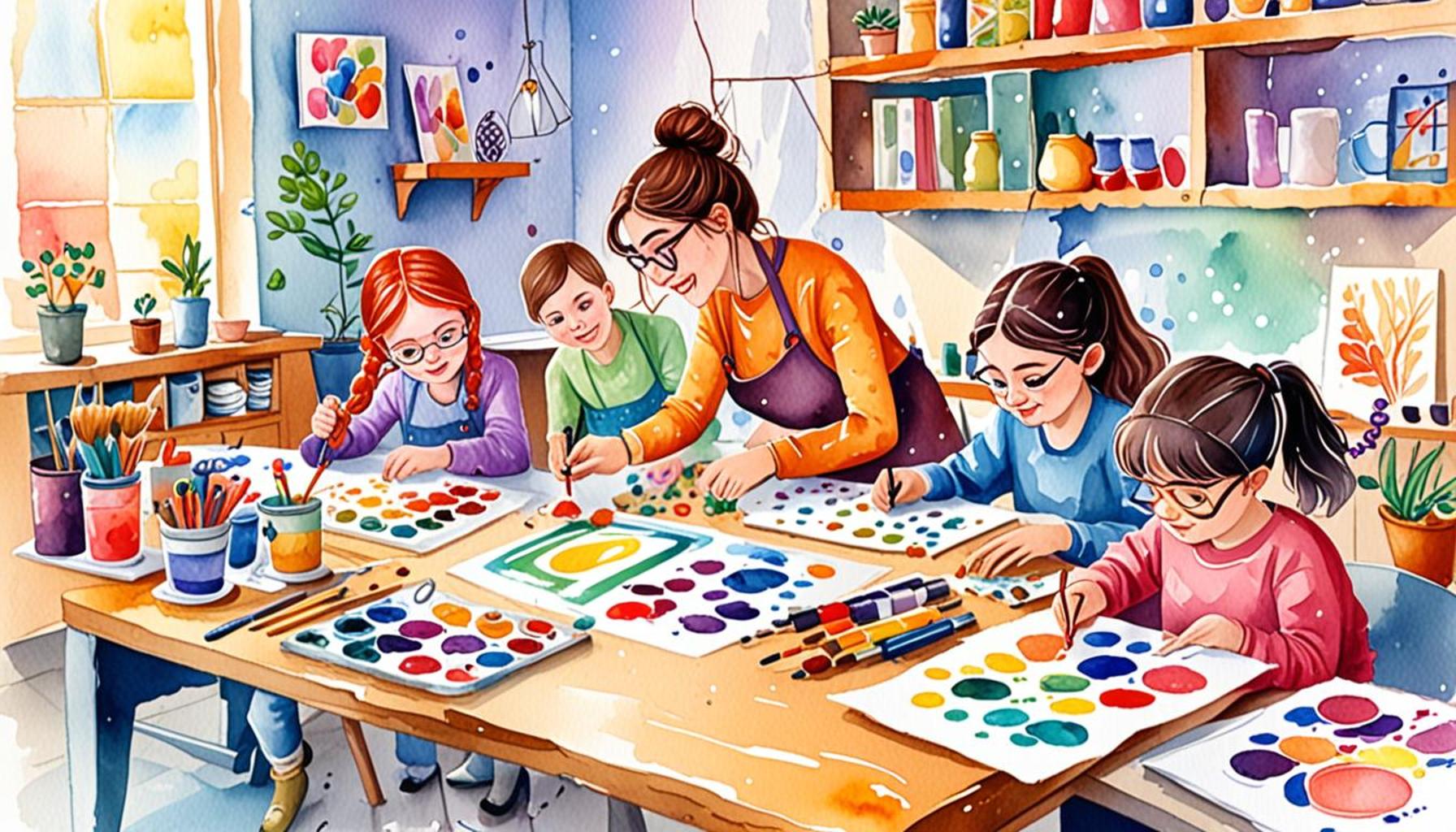
How Craftsmanship Can Serve as a Tool for Social Inclusion and Community Empowerment

Understanding the Transformative Role of Craftsmanship in Society
Craftsmanship is a profound expression of human creativity and skill that transcends mere manufacturing. Instead, it serves as a pivotal instrument for social inclusion and community empowerment. In an era dominated by automation and mass production, the ability to make something with one’s hands fosters not only individual creativity but also builds a sense of connection and belonging among community members.
One of the primary advantages of craftsmanship lies in its capacity for skill development. Engaging in craftwork often involves learning intricate techniques that can significantly enhance an individual’s employability. For example, community workshops teaching woodworking, sewing, or metalworking equip participants with practical skills that are in demand in various trades. This hands-on experience not only prepares them for future employment but also helps instill a sense of confidence and pride in their abilities.
Additionally, craftsmanship provides a platform for cultural expression. Through arts and crafts, communities can celebrate their distinct identities and heritage, showcasing traditional techniques passed down through generations. Festivals like the Smithsonian Craft Show in Washington, D.C., highlight the richness of these crafts, allowing artisans from diverse backgrounds to share their stories and creativity with a wider audience.
The economic implications are equally significant. Handmade products frequently attract buyers seeking unique, quality items, which can offer lucrative economic opportunities for artisans. For instance, organizations like Etsy and local artisan markets facilitate outlets where handcrafted items can flourish, providing sustainable income for creators while invigorating local economies.
Across the United States, numerous initiatives reflect the positive impact of craft programs. Nonprofits and community organizations are increasingly leveraging craft programs to:

- Empower marginalized groups, providing them with skills and a platform for expression.
- Encourage collaboration among diverse populations, creating an inclusive atmosphere where individuals can learn from each other.
- Promote mental well-being, as engaging in creative activities has been shown to reduce stress and enhance emotional health.
As we delve deeper into the ways in which craftsmanship serves as a catalyst for social change, we uncover its profound ability to transform lives, foster inclusivity, and knit communities closer together. This exploration not only highlights the importance of preserving traditional crafts but also encourages new generations to embrace their creative expressions as a means of forging connections within their communities. Ultimately, the impact of craftsmanship reflects a vibrant tapestry of culture and identity, inviting individuals to discover their potential while positively influencing their surroundings.
Dive Deeper: Click here to learn more
The Impact of Craft Programs on Marginalized Communities
Craftsmanship encompasses much more than the act of creating; it is a robust vehicle for social inclusion and community empowerment within marginalized communities. By harnessing various craft skills, individuals can transcend barriers of socioeconomic status, cultural background, and even language, leading to stronger, more cohesive neighborhoods. Programs that focus on teaching these skills open doors for individuals often sidelined in the traditional workforce, enabling them to build their identities and capabilities.
For instance, organizations such as ArtWorks in Cincinnati have found success in integrating craft programs into their mission. These initiatives engage local youth, providing them with hands-on experiences in visual arts, design, and crafts, ultimately equipping them with valuable skills that mark their transition into adulthood. Participants in these programs have reported not only improved job readiness but also a deepened understanding of their own cultural identities as they explore traditional crafts.
The inherent collaborative nature of craftsmanship further promotes inclusivity. Crafting often involves teamwork, whether it’s through group classes or community workshops. In spaces where individuals gather to create, differences dissolve as they share techniques, ideas, and encouragement. Such interactions foster relationships that transcend cultural and social divides, leading to communities that are more interconnected. For example, community centers in urban areas, like The Craft Studio in New York City, serve as melting pots where diverse populations come together to learn and produce craftwork, nurturing a shared sense of purpose.
Strengthening Mental Health Through Creativity
Beyond skill development and social connections, engaging in craftsmanship can significantly enhance mental well-being. Numerous studies have indicated that creative activities such as crafting reduce stress, elevate mood, and promote emotional health. For many, the therapeutic benefits of creating art or crafts can serve as a refuge from the complexities of daily life. With community workshops often offering a safe and welcoming space, individuals are encouraged to express themselves, share their stories, and connect with others experiencing similar challenges.
Local initiatives, like the San Francisco Art Institute’s community outreach programs, capitalize on these mental health benefits by facilitating craft-based therapy sessions. Participants find solace and healing in creative processes, while simultaneously building trust with their peers. This integral approach highlights how craftsmanship not only addresses skill-building but also promotes a sense of belonging, ultimately uplifting community spirits.
- Empowerment: Craft programs allow individuals to take control of their lives through skill acquisition.
- Connection: Collaborative crafting fosters relationships that break down social barriers.
- Self-Discovery: Craftsmanship encourages participants to explore their creativity, leading to personal growth.
As these community initiatives evolve, they not only underscore the importance of preserving traditional craftsmanship but also champion the notion that creativity can bridge gaps, foster inclusivity, and empower individuals and communities alike. By promoting hands-on learning and creative expression, craftsmanship emerges as a powerful tool for social transformation in today’s diverse society.
| Advantages of Craftsmanship | Community Impact |
|---|---|
| Enhances Skill Development | Provides hands-on experience that equips individuals with valuable skills. |
| Promotes Economic Independence | Facilitates entrepreneurship, allowing artisans to create sustainable businesses. |
| Fosters Cultural Identity | Encourages the preservation and celebration of local traditions. |
| Encourages Community Collaboration | Brings together diverse groups for collective projects, promoting unity. |
Craftsmanship stands as a profound method for fostering social inclusion and community empowerment. By engaging in skilled trades, individuals experience enhanced skill development, which paves the way for economic independence. This is crucial, especially in marginalized communities, since craftsmanship allows artisans to establish their businesses, creating jobs and contributing to the local economy.Moreover, craftsmanship significantly plays a role in preserving cultural identity. When communities take pride in their traditional skills, they not only safeguard their heritage but also strengthen their collective sense of belonging. This preservation is vital for sustaining the narrative of cultural communities in a rapidly globalizing world.Additionally, the collaborative nature of crafting encourages interaction across different social strata, promoting *community collaboration*. Group projects, such as artisan markets or cooperative workshops, enable individuals to work together, share ideas, and build relationships, ultimately fostering *social cohesion*. By appreciating the skill, creativity, and labor behind craftsmanship, communities can utilize these methods as powerful tools for transformative social change.
DISCOVER MORE: Click here to dive deeper
Transformative Stories: Craftsmanship in Action
The stories emerging from craft programs across the United States illuminate the transformative power of craftsmanship in fostering social inclusion and community empowerment. From the bustling streets of Philadelphia to the serene landscapes of the Pacific Northwest, craft initiatives have made a tangible impact on individuals and their neighborhoods.
For instance, the Philadelphia Woodworks stands as a beacon of hope and opportunity. This nonprofit not only trains underemployment and unemployed individuals in fine woodworking but also emphasizes the importance of hands-on learning in a supportive, community-driven environment. Participants come from various backgrounds—veterans, individuals recovering from substance abuse, and those transitioning from incarceration—demonstrating how craftsmanship can provide a second chance. Through this program, individuals learn valuable trade skills while also gaining confidence and resilience, which allows them to reintegrate into society and pursue stable employment.
Celebrating Diversity Through Artistic Expression
The essence of craftsmanship also lies in its ability to celebrate and preserve cultural diversity. Traditional craft techniques often tell stories of heritage and identity, and when communities embrace these practices, they create a vibrant tapestry of creative expression. Programs that focus on culturally specific crafts—such as Native American beadwork or Haitian metal art—allow participants not only to hone their skills but also to share their rich histories with others. This, in turn, strengthens community bonds and promotes understanding among different cultural groups.
Moreover, organizations like Crafting the Future aim to diversify the field of craft by providing emerging artists from underrepresented backgrounds with mentorship, resources, and funding. This initiative actively works to dismantle barriers for marginalized groups in the arts, reinforcing the notion that everyone should have access to creative avenues. As a result, the program fosters innovation while amplifying voices typically silenced in the mainstream craft community.
Sustainable Economies and Environmental Responsibility
Craftsmanship also intersects with sustainability, empowering communities through eco-friendly practices. Artisan cooperatives, such as the Global Goods Partners, emphasize fair trade and responsible sourcing, providing artisans with fair compensation while also promoting environmentally conscious crafting methods. These initiatives not only empower creators but also contribute to building resilient local economies, with a focus on creating sustainable livelihoods.
Additionally, the rise of makerspaces—community-driven workshops equipped with tools and technologies—has further enhanced opportunities for social inclusion. These spaces serve as collaborative hubs where individuals can explore craftsmanship while learning about sustainability, technology integration, and entrepreneurship. Examples include the Boston Maker Lab, which encourages individuals from diverse backgrounds to unite in creativity, offering workshops on 3D printing, woodworking, and textile arts.
- Skill Development: Craft programs provide participants with tools and skills needed for personal and professional growth.
- Cultural Heritage: Embracing traditional crafts fosters cultural exchange and enhances community identity.
- Environmental Impact: Eco-conscious craftsmanship supports sustainability and economic resilience.
As the movement for craft-based programs gains momentum, it becomes increasingly evident that craftsmanship serves as a vital conduit for social change. Whether through skill-building, cultural celebration, or the push for sustainable practices, craft programs not only enhance individual lives but also weave together the fabric of communities across the nation.
DISCOVER MORE: Click here to dive into beginner crochet techniques and project ideas
Conclusion: Craftsmanship as a Catalyst for Change
In summary, the role of craftsmanship in promoting social inclusion and community empowerment cannot be overstated. As we explore the diverse landscape of craft programs across the United States, it becomes clear that these initiatives serve as vital platforms for transforming lives and revitalizing neighborhoods. By equipping individuals with valuable skills, fostering cultural appreciation, and emphasizing sustainable practices, craftsmanship offers multiple pathways for communities to thrive.
The success stories of participants in organizations like Philadelphia Woodworks and Crafting the Future exemplify how craftsmanship can become a powerful vehicle for personal transformation and social connection. Moreover, the celebration of cultural heritage through local crafts enriches community identity, promoting empathy and understanding among diverse groups. As makerspaces emerge as inclusive workspaces, they further democratize access to creative expression and economic opportunities.
As we look forward, it is imperative to support and expand the reach of craft-based programs. This can be achieved through increased funding, community partnerships, and a commitment to equity in the arts. By investing in craftsmanship, we not only empower individuals but also strengthen the communal fabric that binds us together. Ultimately, embracing craftsmanship as a tool for social change opens up a world of possibilities—creating resilient communities that celebrate diversity and foster innovation for generations to come.