The intersection of technology and manual skills: how digital tools are revolutionizing craftsmanship
Transformative Tools in Craftsmanship
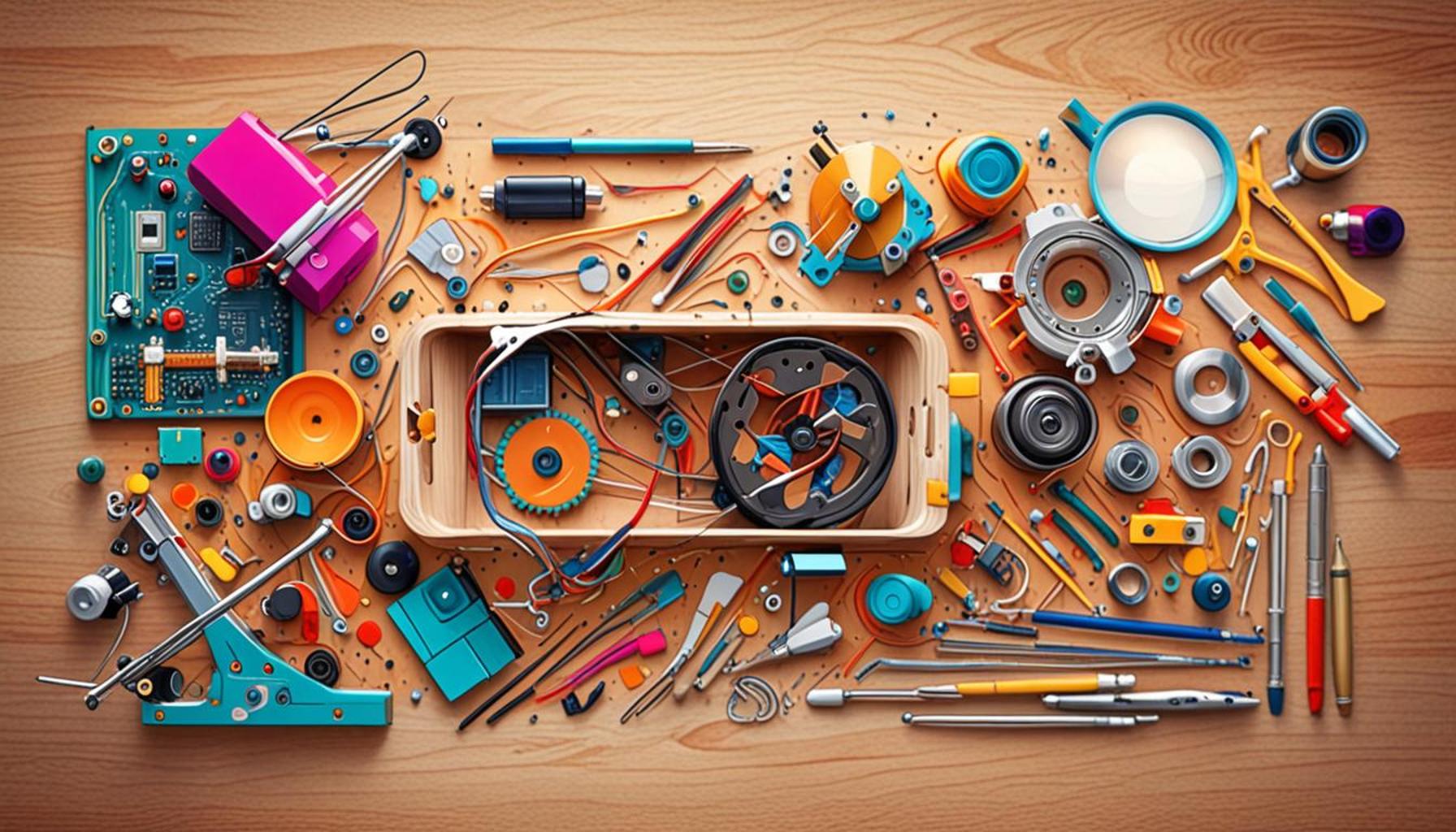
In an era where technology permeates every aspect of life, the world of craftsmanship is experiencing a transformative shift. Digital tools are reshaping how artisans, craftsmen, and hobbyists approach their work. The fusion of traditional skills with modern technology is creating new opportunities for innovation and creativity. As artisans adapt to these technological advancements, they are discovering new ways to enhance the quality and scope of their work, pushing the boundaries of what can be created.
- 3D Printing: This groundbreaking technology allows craftsmen to create intricate designs with precision, which was previously unattainable through manual techniques alone. For instance, a furniture maker might use 3D printing to craft complex joints with exceptional accuracy, resulting in both aesthetic beauty and structural integrity. Sculptors can now translate their visions into physical forms with unprecedented detail, making it possible to produce bespoke pieces that meet specific client requests or artistic intentions.
- Digital Design Software: Programs such as Adobe Illustrator and AutoCAD have revolutionized how artists visualize their concepts before actual creation. By employing these advanced software tools, artisans can create 2D and 3D models, experimenting with shapes, colors, and dimensions. This not only allows for a more comprehensive planning process but also saves time and materials by minimizing errors during production. For example, a jewelry designer can prototype various styles and dimensions digitally before committing to the final piece, ensuring customer satisfaction and reducing waste in materials.
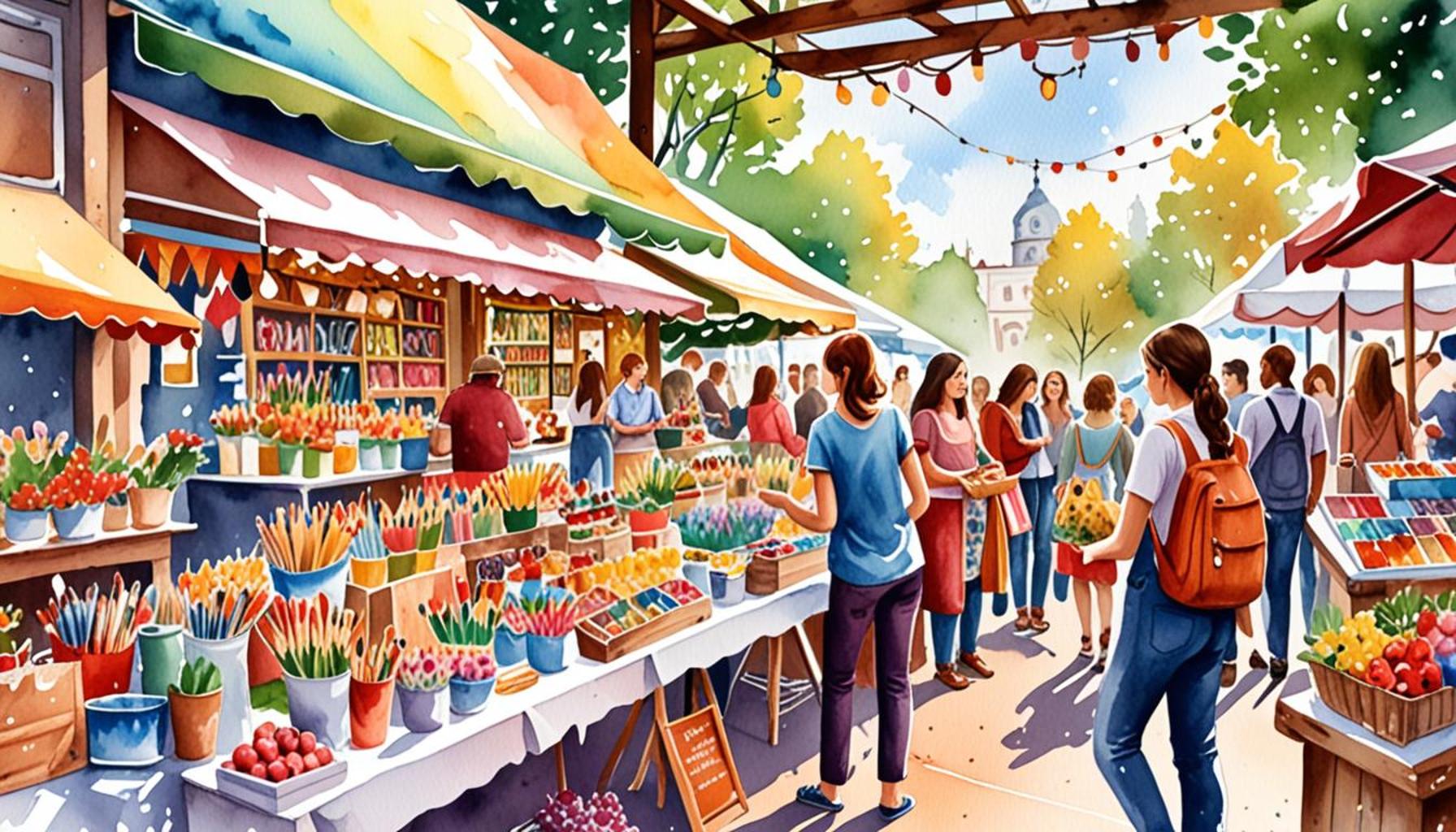
- Online Marketplaces: Platforms like Etsy and Shopify are providing artisans with avenues to showcase and sell their work globally. No longer confined to local markets or craft fairs, these artists can reach broader audiences and foster communities around their unique creations. This expansion offers increased visibility and the opportunity to connect directly with customers. An artisan in the Midwest crafting handmade leather goods can now find an enthusiastic clientele as far away as Europe or Asia, all through the simple click of a button.
This intersection of technology and manual skills is not merely a trend; it reflects a fundamental change in how we perceive craftsmanship. As we delve into this fascinating interaction, we will explore:
- How digital tools enhance traditional craftsmanship, offering artisans new ways to solve traditional problems.
- Examples of artisans successfully blending these domains, revealing innovative products and practices.
- The future implications for both fields, as we consider what lies ahead for the art of making.
Join us as we uncover the intricate ways in which digital innovation is redefining craftsmanship in the United States and beyond. This unfolding narrative unveils a rich tapestry of tradition and technology, poised to inspire a new generation of creators. With every click and every print, the future of craftsmanship continues to evolve, promising exciting possibilities for those willing to embrace the change.
DISCOVER MORE: Click here to dive into beginner techniques and project ideas
The Evolution of Craftsmanship through Digital Innovation
As artisans increasingly integrate technology into their workflows, the landscape of craftsmanship is undergoing profound changes. Over the past decade, the conception of traditional manual skills has evolved dramatically, with digital tools offering a plethora of resources that enhance both the creative process and the final product. This evolution is not just a fleeting trend; it represents a significant shift in how craftspeople approach their art, blending age-old techniques with cutting-edge technology.

Take, for instance, the world of textiles. Craftspeople are now using advanced computerized embroidery machines that can replicate complex patterns with remarkable accuracy. These machines can be programmed with custom designs, ensuring that every piece produced is not just uniform but uniquely artistic. This has allowed traditional textile artists to upscale their production while maintaining the integrity of their designs, enabling them to meet growing market demands without sacrificing quality. With that, a local textile artisan can find themselves inspired and empowered to create elaborate designs that would have taken weeks of handwork, all achievable in a fraction of the time.
The Role of Prototyping in Artisanal Production
Prototyping is another area where technology has made an indelible mark on craftsmanship. Artisans have started utilizing laser cutters and CNC (Computer Numerical Control) machines to create prototypes of their designs. This method not only streamlines the development process but also permits artisans to experiment with materials that were previously too challenging to manipulate. A woodworking artisan might digitally design a new table and use a CNC machine to produce a prototype, allowing for easy adjustments before the final product is created, ensuring a perfect blend of function and aesthetics.
- Enhanced Customization: Digital tools empower artisans to cater to individual client preferences with unprecedented flexibility. Custom pieces can now be crafted with laser-sharp precision—an infusion of technology that satisfies the growing demand for personalized products.
- Efficient Workflow: The integration of technology helps streamline production processes, enabling artisans to work smarter, not harder. Tasks such as measuring, cutting, and finishing can be optimized to save time and reduce material waste, ultimately improving profitability.
- Collaboration Opportunities: Digital platforms facilitate collaborations across disciplines, bringing together woodworkers, metalworkers, and digital designers. This cross-pollination of skills fosters innovation that leads to exciting new products, pushing the craft further into unexplored territories.
These advancements exemplify the heightened potential of manual skills in an age dominated by digitalization. The marriage of tradition and innovation offers a fertile ground for artisans to redefine not only their products but also their identities as creators. As we advance further into this narrative, it is essential to consider how these changes are continually shaping the future of craftsmanship, calling on both the artisan’s hands and the innovations born from technological advancements.
The Intersection of Technology and Manual Skills: How Digital Tools are Revolutionizing Craftsmanship
As we delve deeper into the realm where technology meets craftsmanship, it’s essential to highlight how digital tools are reshaping traditional artisan practices. From 3D printing to CNC machining, these innovations serve as an extension of the artisan’s skillset rather than a replacement. Craftsmen can now create intricate designs with unparalleled precision, merging artistic vision with state-of-the-art technology.
Enhanced Creativity and Innovation
Digital tools allow artisans to explore new territories in design that were previously unimaginable. The use of software not only facilitates complex modeling but also enables rapid prototyping, allowing craftsmen to test their ideas swiftly and efficiently. Moreover, platforms that foster collaboration among artisans and technologists are blossoming, leading to groundbreaking innovations in various crafts—from woodworking to textiles.
Efficiency and Sustainability
The integration of technology into craftsmanship has proven to significantly enhance efficiency. Digital tools streamline the production process, minimizing manual labor and reducing errors. This transformation not only saves time but also diminishes waste, aligning with sustainable practices that are becoming increasingly crucial in today’s eco-conscious world. For instance, artisans can now utilize software to optimize material usage, showcasing a perfect blend of innovation and environmental responsibility.
| Advantages | Description |
|---|---|
| Increased Precision | Digital tools like CNC machines allow for unmatched accuracy in craftsmanship. |
| Expanded Design Capabilities | Software tools foster creativity, enabling artisans to visualize and create complex designs. |
As craftsmanship continues to evolve in this digital age, the synergy between skill and technology will unveil new possibilities that encourage artisans to push boundaries in their creative endeavors. This intersection not only enriches the craft but also opens doors to a vast market that values innovation alongside tradition.
DIVE DEEPER: Click here to learn more
Bridging Tradition and Innovation: The Impact of Digital Tools on Craftsmanship
The integration of technology in craftsmanship also extends to marketing and distribution, reshaping how artisans connect with their audiences. In the past, many craftsmen relied heavily on local markets or word-of-mouth referrals to showcase their creations. Today, however, the dynamics have changed dramatically, largely due to the rise of e-commerce platforms and social media. For instance, artisans can now easily create stunning online portfolios and utilize platforms like Etsy or Amazon Handmade to reach global audiences.
Moreover, social media has become a vital tool for artisans. Platforms like Instagram and Pinterest enable artisans to showcase their processes and finished products in visually compelling ways. These platforms not only facilitate exposure but also allow craftsmen to engage with their audience in real-time, creating a community around their work. A thriving online presence can lead to increased sales and collaborations, transforming the narrative of being a traditional craftsman into that of a modern entrepreneur.
Enhancing Craft with Augmented Reality
Another technological advancement worth mentioning is the use of augmented reality (AR) in craftsmanship. This innovative technology enables consumers to visualize products in their own spaces before making a purchase. For instance, a furniture maker can leverage AR to allow customers to see exactly how a piece will look in their living room, thus boosting confidence in purchasing decisions. Such interactive experiences are not only engaging but can significantly reduce return rates and increase customer satisfaction.
- Access to Educational Resources: The digital age has opened up vast resources for skill development. Online courses and tutorials on platforms like Skillshare and YouTube allow artisans to learn new techniques and improve their crafts, enhancing their skill sets without the constraints of physical limitations.
- Data-Driven Insights: With the advent of digital marketing tools, artisans can gather insightful data about consumer trends and preferences. This ability to analyze data can help artisans make informed decisions regarding design, pricing, and promotion, thus aligning their creations with market demands.
- Sustainability in Craftsmanship: Digital tools are increasingly being employed to promote sustainable practices within craftsmanship. For example, software for efficient material use can help reduce waste during production. Furthermore, 3D printing technology allows artisans to create intricate designs using eco-friendly materials, merging functionality with sustainability.
The collaboration between traditional craftsmanship and modern technology is creating opportunities that push the boundaries of creativity and innovation. As artisans embrace these digital tools, they are not just crafting products – they are crafting new identities, forging connections, and shaping the future of their crafts. The narrative is evolving, inviting both seasoned artisans and newcomers to explore the intersection of traditional skills and modern tools, ushering in a new age of bespoke craftsmanship that is richer and more accessible than ever before.
DIVE DEEPER: Click here to learn more about the significance of improvisation in music
Looking Ahead: The Future of Craftsmanship in a Digital World
As we navigate the intersection of technology and manual skills, it is clear that digital tools are not merely enhancing the craftsmanship landscape; they are redefining the very essence of what it means to create. From e-commerce platforms that expand artisan reach to augmented reality applications that enhance consumer experiences, technology is revolutionizing how artisans engage with their craft and their customers. The rise of social media enables artisans to build communities and share their stories, thus transforming individual craftsmanship into a collective narrative.
Furthermore, the accessibility of online learning platforms fosters a culture of continuous development, ensuring that traditional skills evolve with modern demands. Data-driven insights allow artisans to respond astutely to consumer trends, ensuring that their creations remain relevant in a rapidly changing market. More importantly, the incorporation of sustainable practices, supported by cutting-edge technology, is paving the way for a responsible future in craftsmanship.
The fusion of technology and traditional craftsmanship offers a unique opportunity for artisans to innovate, adapt, and thrive in an increasingly digital world. As we look to the future, this evolution invites exploration and experimentation, encouraging both veteran makers and newcomers to push creative boundaries. By harnessing the power of digital tools, the craft community stands at the forefront of a transformative movement, merging artistry with technology and ultimately, reshaping the craft industry into a vibrant, inclusive, and sustainable ecosystem.