The role of craft fairs in enhancing manual skills and supporting small entrepreneurs
The Growing Influence of Craft Fairs
Across the United States, craft fairs have emerged as vibrant hubs for creativity and entrepreneurship. These events play a significant role in enhancing manual skills and foster a community of small entrepreneurs. They provide a unique opportunity for artisans to showcase their talents while connecting with like-minded individuals and potential customers.
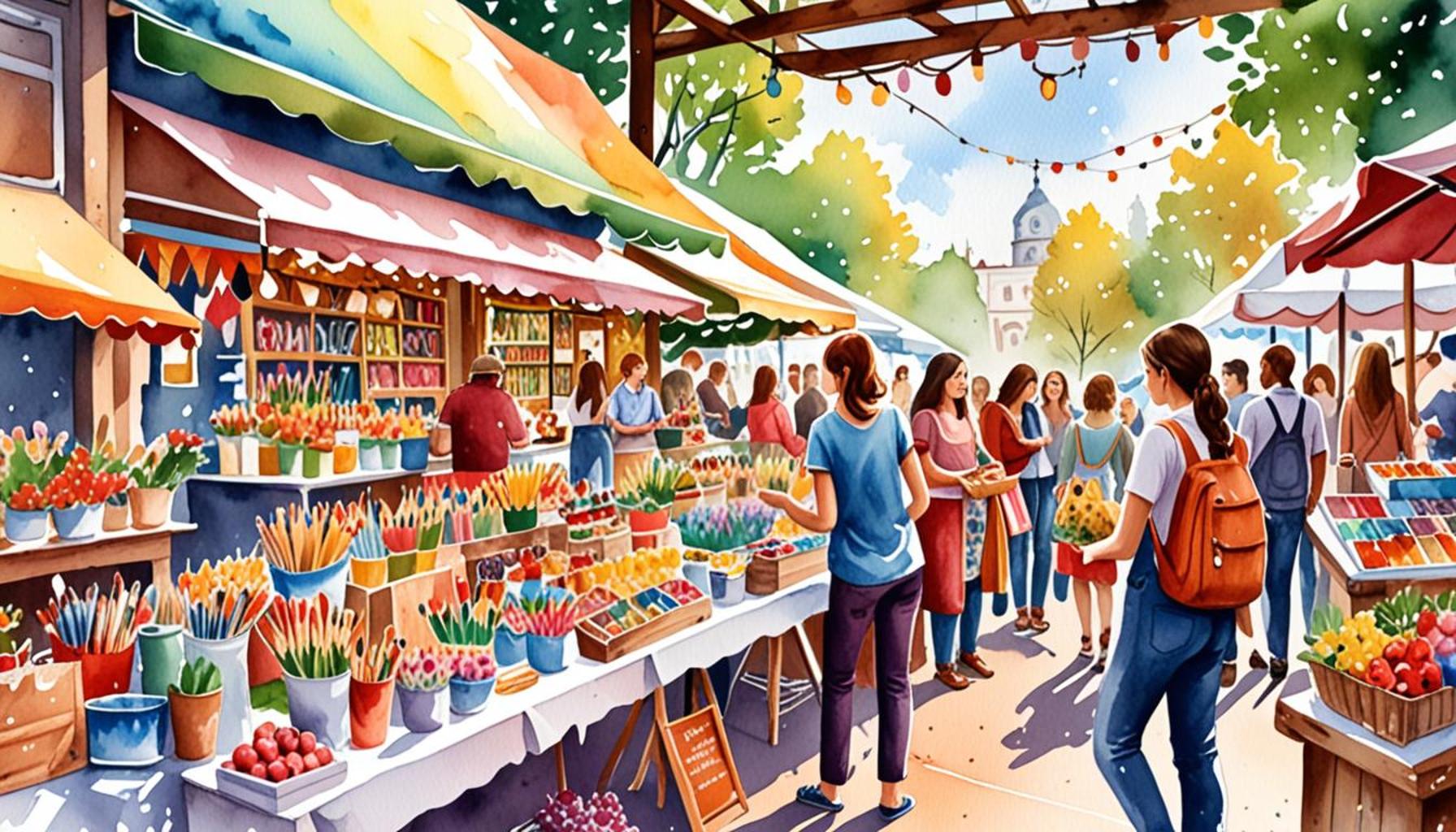
Craft fairs are essentially marketplaces dedicated to handmade goods, ranging from jewelry and home décor to artisanal foods and textiles. These fairs not only celebrate the craft itself but also serve as a breeding ground for innovation. For example, a potter can share techniques with a fellow clay artist, or a jewelry maker might learn about sustainable sourcing from a colleague who specializes in eco-friendly materials. The collaborative atmosphere encourages learning and skill development, which can be particularly beneficial for emerging artisans.
Participants at craft fairs can expect a multitude of benefits, including:
- Skill Development: Artisans and creators can experiment with new techniques, gain hands-on experience, and receive constructive feedback from peers and customers alike. For instance, a local glass artist might try a new blowing technique in a supportive environment where fellow artisans are eager to share tips.
- Networking Opportunities: Craft fairs create invaluable connections between creators, suppliers, and consumers. An artisan might meet a local gallery owner interested in showcasing their work, or a supplier might discover a new client looking for specialty materials. This kind of interaction can lead to future collaborations and partnerships.
- Market Access: Small entrepreneurs can promote their products without the hefty costs associated with traditional retail spaces. Many craft fairs offer reasonably priced booth rentals, providing artisans a platform to reach customers in person and gain immediate feedback on their products.
In addition to benefiting artisans, craft fairs also contribute positively to local economies. They help stimulate economic growth and community involvement by:
- Encouraging Local Spending: Attendees are often keen to purchase directly from local creators, thereby keeping money within the community and supporting small businesses.
- Boosting Community Engagement: These events attract diverse crowds, uniting people around the appreciation of handmade goods. They often include live music, food stalls, and workshops, transforming the experience into a community celebration.
- Supporting Sustainability: Craft fairs promote eco-friendly practices by showcasing handmade, sustainable products. This focus on responsible sourcing not only highlights craftsmanship but also underscores a growing consumer trend towards sustainability.
As the popularity of craft fairs continues to rise, understanding their impact on manual skills development and small business support becomes increasingly important. They stand as a testament to the creativity and resilience of local artisans, fostering not just skills but also community ties. This article will dive deeper into these facets, unraveling how craft fairs enrich lives and economies alike, encouraging a renaissance of craftsmanship and local entrepreneurship across America.

DISCOVER MORE: Click here to delve into the power of reflective writing
Empowering Artisans Through Skill Enhancement
Craft fairs serve as a vital platform for artisans, providing them with the tools and environment necessary to enhance their manual skills. These events not only showcase finished products but also become live workshops where creativity and technique flourish. Artisans are often seen experimenting with new materials or trying out innovative designs, which can lead to significant skill development and artistic growth.
Beyond basic craftsmanship, craft fairs offer artisans a space to learn more about the business side of their art. Workshops and demonstrations frequently accompany these fairs, enabling participants to acquire knowledge in areas such as marketing, sales strategies, and customer engagement. For instance, a local woodworker may attend a talk on effective branding techniques, helping to elevate their business presence in a crowded marketplace. This blend of creativity and entrepreneurship is essential for artisans striving to make a living from their work.
The Lifeblood of Collaboration
The collaborative nature of craft fairs cannot be overstated. Participants often find inspiration by interacting with fellow artisans, which can lead to new techniques and methods. An emerging ceramicist might receive advice about glazing techniques from a seasoned potter, while a self-taught painter might have their eyes opened to digital marketing strategies by a jewelry designer. Such interactions bolster not just individual skills, but also enhance the overall quality of craftsmanship present at the fair.
Moreover, the collective energy of craft fairs cultivates a supportive community where artisans can showcase their work without the fear of judgement. This supportive atmosphere encourages experimentation and risk-taking, vital elements in the artistic process. As attendees and fellow artisans offer feedback, participants gain the confidence needed to refine their skills and develop distinct styles, ultimately elevating their work to new heights.
Networking: The Foundation for Success
In addition to skill enhancement, craft fairs provide a wealth of networking opportunities for small entrepreneurs. Meeting potential collaborators, suppliers, and clients all in one location can be invaluable for artisans seeking to grow their businesses. The beauty of these events lies in their intimate setting, where relationships can form organically, leading to long-term partnerships.
- Collaborative Initiatives: Cross-pollination occurs frequently, with artisans joining forces to create unique products that merge their specialties. This collaboration not only brings diverse talents together but also widens their customer base.
- Marketing Connections: Artisans might connect with local businesses looking to source unique items for their shops, paving the way for lucrative wholesale opportunities.
- Community Resources: Networking at craft fairs can also lead to access to grant opportunities, mentorship programs, or local art councils that provide support for small businesses and artisans alike.
As we explore the myriad ways craft fairs enhance manual skills and support small entrepreneurs, it becomes evident that these events serve as foundational pillars in both the artisan community and local economies.
Craft fairs play an invaluable role in fostering community engagement and developing practical skills that are often overshadowed in today’s digital world. By participating in these vibrant events, artisans and aspiring entrepreneurs have the opportunity to showcase their handcrafted items, from homemade jewelry to artisanal furniture. This not only promotes their unique creations but also serves as a practical learning environment where they can enhance their manual skills through hands-on experience. Additionally, craft fairs act as a platform for networking among small business owners. Entrepreneurs can share ideas, techniques, and best practices, creating a supportive atmosphere that encourages innovation and collaboration. Such interactions can lead to valuable mentorship opportunities, sparking the next wave of creative talent.Moreover, consumers attending these fairs gain insights into the artistry behind the products they purchase, fostering a greater appreciation for handmade goods. This, in turn, elevates the status of manual skills, inspiring more individuals to explore their creative potential and pursue entrepreneurship. The ripple effect is profound: as more people engage in artisanal crafts, communities not only preserve cultural heritage but also stimulate local economies.Let’s explore some of the specific benefits of craft fairs in enhancing manual skills and supporting small entrepreneurs through the following table:
| Advantage | Description |
|---|---|
| Skill Development | Craft fairs provide hands-on workshops that enhance manual skills among participants. |
| Community Support | They create a network of small entrepreneurs, fostering collaboration and mentorship. |
The integration of craft fairs into local culture not only nurtures individual creativity but also strengthens the social fabric of communities, paving the way for a brighter economic future.
DIVE DEEPER: Click here to discover beginner techniques and project ideas!
Fostering Local Economies and Cultural Heritage
Craft fairs play an essential role in fostering local economies by supporting small entrepreneurs who contribute to grassroots economic growth. These events often attract visitors looking for unique, hand-crafted goods that reflect the character of the community. This influx of consumers stimulates sales and encourages artisans to invest in their craft further. According to a study by the National Endowment for the Arts, local art markets contribute significantly to job creation and economic stability in their regions, underscoring the need for ongoing support of arts and crafts initiatives.
Moreover, craft fairs act as a living archive of cultural heritage. Many artisans draw inspiration from traditional methods passed down through generations. For example, Native American jewelry makers often incorporate techniques learned from their ancestors, enriching their crafts with deep historical significance. By participating in craft fairs, these artisans not only promote their work but also educate attendees about their cultural backgrounds and the stories embedded within their art. This cultural exchange revitalizes local traditions, ensuring that they remain relevant in contemporary society.
Attracting Diverse Audiences
Craft fairs are not just for devoted art enthusiasts; they cater to a broad audience that includes families, tourists, and casual shoppers. Such diversity promotes an inclusive environment where participants can showcase their unique offerings to varied demographics. For example, a family-friendly craft fair may include interactive workshops for children, allowing parents to engage their offspring while exploring local artisans. By fostering curiosity and engagement among younger audiences, artisans can cultivate future customers and advocates for handmade goods.
- Educational Engagement: Craft fairs often provide workshops and demos for attendees, which can demystify the craft-making process. This exposure not only builds appreciation for the artisans’ skills but can inspire attendees to explore their creative potential, further promoting manual skills within the community.
- Rural Revitalization: In rural areas, craft fairs can be pivotal in attracting tourists looking to explore local culture. This type of economic activity can breathe new life into small towns, drawing attention to other local businesses such as cafes and shops, and creating a beneficial ecosystem for artisans and the community alike.
The impact of craft fairs extends beyond immediate sales; they forge long-lasting connections that can redefine the trajectories of small entrepreneurs. Success stories abound, where artisans have gained national recognition after showcasing their work at local fairs. Online platforms such as Etsy and social media channels often see a spike in activity for artisans who have had the opportunity to establish themselves at local craft fairs, enabling them to expand their reach well beyond their geographic boundaries.
Encouraging Sustainable Practices
Another noteworthy aspect of craft fairs is their focus on sustainability. Many artisans are committed to eco-friendly practices, using locally sourced materials or upcycled items to create their products. Craft fairs provide a venue for these artisans to connect with consumers who prioritize sustainable purchases, fostering a conversation around responsible consumption. For instance, a creator of handmade soap may openly share their process involving organic ingredients and eco-conscious packaging, increasing awareness among attendees about sustainable living.
This commitment to sustainability not only enhances the artisans’ reputations but also resonates with a growing market segment that values these ethics. In a world increasingly concerned about environmental impacts, craft fairs serve as a conduit for aligning manual skills with responsible entrepreneurship, ultimately enhancing both the artisans’ craft and the welfare of their communities.
DISCOVER MORE: Click here to learn about the role of improvisation in music
Conclusion
In closing, craft fairs serve as vibrant platforms that enhance manual skills while significantly supporting small entrepreneurs. By bringing together diverse artisans and a broad audience, these events not only stimulate local economies but also foster a deeper appreciation for the craftsmanship that goes into handmade goods. As demonstrated, craft fairs act as cultural showcases, educating attendees on traditional methods and inspiring a new generation of makers to explore their creative potential.
Furthermore, the emphasis on sustainability within these marketplaces resonates with an increasingly eco-conscious consumer base, aligning artisanal practices with responsible entrepreneurship. This dynamic creates a ripple effect, encouraging other local businesses to adopt similar values and thus reinforcing community ties. Success stories emerging from these fairs highlight the profound impact of a supportive environment where artisans can thrive, gain recognition, and expand their reach through modern platforms.
As craft fairs continue to evolve, they remain crucial not only in preserving cultural heritage but also in revitalizing local economies and encouraging the growth of manual skills. It’s essential for communities to invest in these initiatives, as they nurture both personal creativity and collective economic resilience. Ultimately, by championing local artisans, we, as consumers, contribute to a richer, more diverse cultural tapestry that benefits us all.