
Sustainable Crafting: How to Create Unique Pieces with a Focus on Environmental Responsibility
A New Era in Crafting
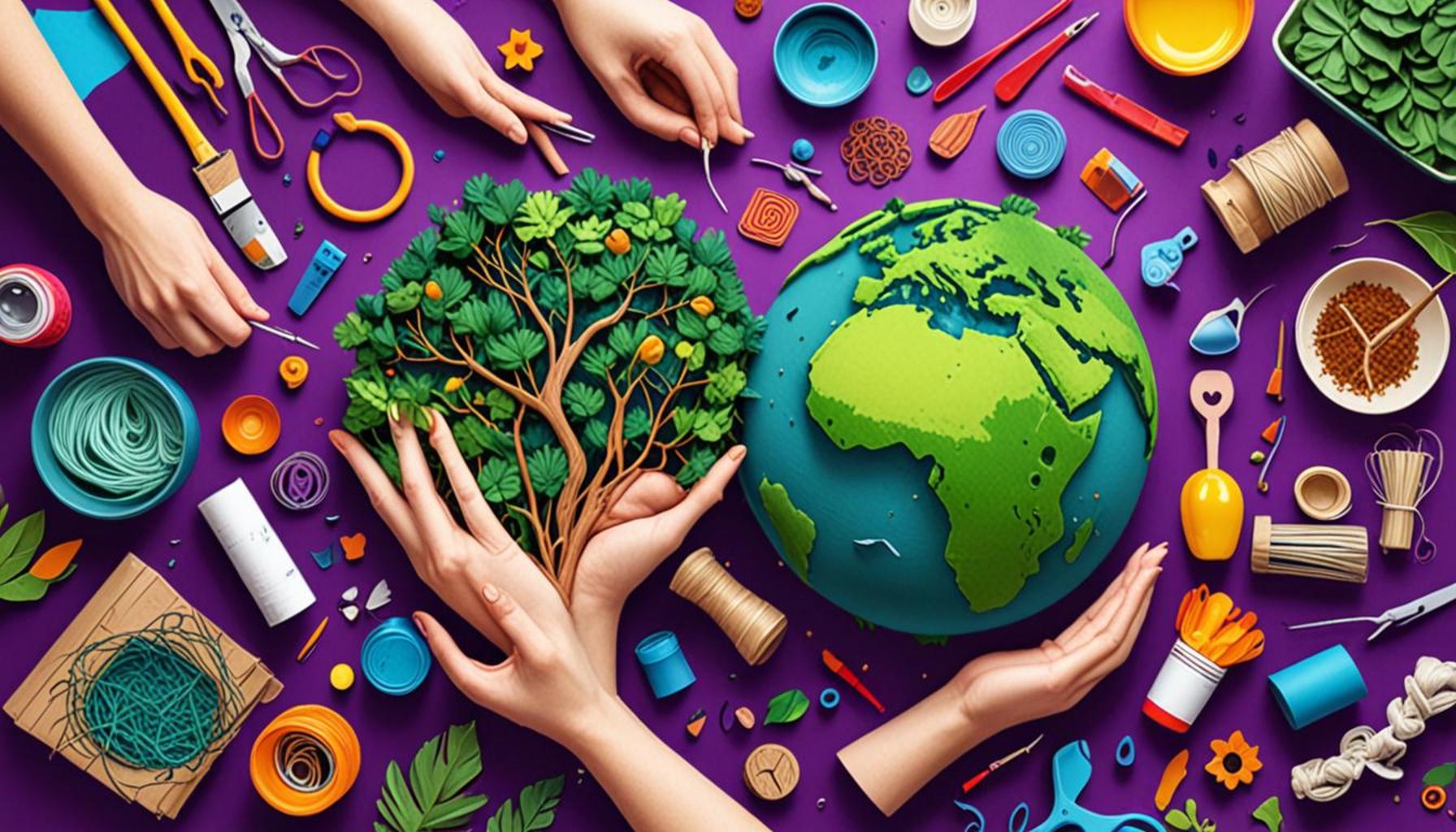
Crafting is no longer just an artisanal endeavor; it has evolved into a powerful movement prioritizing sustainability and environmental responsibility. As artisans, makers, and hobbyists, we have the unique opportunity to create distinctive pieces while simultaneously safeguarding our planet for future generations.
Sustainable crafting revolves around several key principles that not only enhance creativity but also contribute positively to the environment. Below, we delve into these principles with practical examples:
- Upcycling materials: This process involves giving new life to discarded items. For instance, old wooden pallets can be transformed into stunning coffee tables, while vintage textiles can be reimagined as trendy tote bags. Upcycling not only reduces waste but also allows crafters to showcase their individuality through unique designs.
- Eco-friendly supplies: The choice of materials significantly influences the ecological footprint of crafted goods. Using bioplastics made from renewable resources, organic cotton fabrics, and natural dyes sourced from plants ensures that no harmful chemicals leach into the environment. Numerous brands in the U.S. advocate for these choices, making it easier for creators to make environmentally sound decisions.
- Zero waste techniques: Implementing designs that fully utilize every scrap of material is crucial. Crafting initiatives such as “scrap fabric quilts” or intricate paper mosaics not only minimize waste but also inspire crafters to think creatively about repurposing. Techniques like these create beautiful outcomes while adhering to sustainable practices.
As you embark on your crafting journey, it is essential to consider the environmental implications surrounding each decision. By embracing sustainable crafting principles, you not only express your creativity but also significantly contribute to a greener future.
Across the United States, communities are increasingly turning their focus towards sustainable crafting. There are numerous workshops dedicated to eco-conscious techniques, creating spaces for individuals to share their knowledge and passion for sustainable creativity. Local markets have also emerged, highlighting green artisans who produce items with care and respect for the environment. The growing consumer demand for these thoughtfully crafted goods underscores a cultural shift toward sustainability.
Participate in this exciting movement by exploring ways to create unique crafted pieces that resonate with your values while actively working to protect our planet. The journey of sustainable crafting awaits, filled with creativity, innovation, and a commitment to the betterment of our world.
DISCOVER MORE: Click here to find out how writing can help you relax
Principles of Sustainable Crafting
To embark on a journey of sustainable crafting, it is essential to grasp the fundamental principles that guide environmentally responsible creation. By integrating these principles into your crafting process, you can not only produce unique and meaningful pieces but also make a positive impact on the planet. Below, we outline practical approaches to sustainable crafting that can inspire your creative endeavors:
- Using Local Resources: Sourcing materials locally reduces transportation emissions and supports nearby artisans and businesses. Consider visiting local craft stores, farmers’ markets, or even thrift shops to find unique items that tell a story. This not only connects your work to the community but also minimizes the carbon footprint associated with shipping materials from far-off locations.
- Embracing Natural Materials: Choosing materials that manifest the beauty of nature can elevate your crafting projects while being kind to the environment. Organic materials, such as bamboo, cork, or recycled glass, are excellent choices. They come from renewable sources and are often biodegradable, making them inherently more sustainable than synthetic alternatives.
- Implementing Sustainable Practices: Incorporating sustainable practices into your workspace can enhance your crafting experience. Simple steps like reducing energy consumption, optimizing your workspace for natural light, and recycling crafting scraps will not only keep your craft zone organized but also promote a healthier planet.
- Collaborating with Others: The crafting community is rich with knowledge and resources. Joining forces with fellow crafters can lead to a more sustainable approach by sharing tools, supplies, and skills. Participating in community project swaps or workshops can inspire new ideas and foster innovation in your work.
By embracing these principles, you can create pieces that not only resonate with your vision but also contribute towards a greater good. Moreover, sustainable crafting encourages a deep connection between the creator and the creation, allowing you to cherish every aspect of your craft more profoundly.
In addition to individual insights, sustainable crafting is also witnessing a rise in technology and resources that help creators adopt more responsible practices. Online platforms host tutorials, guides, and forums to encourage collaboration among crafters, making it easier than ever to explore ideas centered around sustainability. Websites like Pinterest and Instagram abound with projects that inspire eco-friendly crafting, showcasing a plethora of creative and artistic expressions that honor our environment.
As you consider becoming part of this sustainable movement, remember that every small action can lead to significant change. The choices you make in your crafting could inspire others and promote a culture of environmental awareness and responsibility. Sustainable crafting is not just about the pieces you create; it is about the legacy you leave behind.
| Advantages | Impact on Environment |
|---|---|
| Utilization of Recycled Materials | Reduces waste and helps conserve natural resources. |
| Unique Artistic Expression | Promotes individuality while adhering to eco-friendly principles. |
| Support for Local Communities | Encourages economic growth and sustainability within the community. |
| Educational Opportunities | Raises awareness about environmental issues through crafting workshops. |
The advantages of sustainable crafting extend far beyond simply creating unique pieces. Utilizing recycled materials plays a pivotal role in reducing waste and conserving the limited natural resources our planet offers. The artistic expression available in sustainable crafting provides an avenue for originality while adhering to environmentally responsible practices.Additionally, supporting local communities through sustainable crafting fosters economic growth and strengthens the ties between artisans and consumers. It emphasizes the importance of community involvement in promoting sustainability.Furthermore, engaging in educational crafting opportunities enhances awareness about pressing environmental issues. Workshops centered on sustainable crafting not only teach valuable skills but also inspire participants to advocate for responsible practices in their daily lives. This holistic approach ensures that sustainable crafting influences more than just the physical items created; it nurtures a global mindset for a greener future. By exploring these elements, readers can delve deeper into the multifaceted world of sustainable crafting.
LEARN MORE: Click here to discover the benefits of theater and dance
Incorporating Upcycling and Repurposing
One of the most effective ways to practice sustainable crafting is through upcycling and repurposing materials. These approaches not only divert waste from landfills, but they also inspire creativity by challenging crafters to see potential in everyday items. For example, old furniture can be transformed into stunning decor with a fresh coat of paint, while glass jars can serve as unique storage solutions or decorative candle holders. By envisioning new uses for discarded items, you can contribute to reducing consumption and promote a waste-free mindset.
The Art of Finding Inspiration in Discarded Goods
Upcycling is a form of sustainable creativity that reflects innovation and resourcefulness. In fact, an increasing number of DIY enthusiasts are harnessing their skills to revitalize materials that many would consider waste. For instance, an old pair of jeans can be cut and sewn into a stylish bag, or broken ceramics can be used in mosaic art. The goal is to think outside the box and let your imagination run wild. Numerous online platforms offer tutorials and guides, fostering a community of crafters who share their upcycled projects, making it easier for others to join the movement.
The Benefits of Repurposing Materials
Repurposing materials offers myriad benefits, not only to the environment but also to your crafting practice. When you repurpose, you conserve resources and energy that would otherwise be consumed in the production of new materials. By using items you already have, you can create unique characteristics in your work—they often carry a story and imbue your craft with a sense of personal history. For instance, using vintage fabric remnants from local flea markets or inherited family linens provides a personal touch to your creations.
Understanding the Life Cycle of Craft Materials
To fully embrace sustainable crafting, it is essential to understand the life cycle of the materials you work with. This involves considering the extraction, production, and disposal processes involved in turning raw materials into finished products. Understanding these aspects can motivate you to select materials with low environmental impact. For example, cotton that is organic and certified will have fewer toxins involved in its production compared to conventional cotton. Moreover, compostable materials can be looking forward to at the end of their life cycle, ensuring that what you create won’t ultimately contribute to landfill waste.
Biodegradable and Eco-Friendly Alternatives
As awareness of environmental issues grows, more crafters are exploring biodegradable and eco-friendly alternatives for their projects. Companies are now producing non-toxic glues, paints, and finishes sourced from sustainable ingredients. For example, look for water-based adhesives that lack harmful chemicals or natural dyes derived from plants and minerals. Using these options ensures that your craft projects align with the values of sustainability and environmental stewardship.
The beauty of sustainable crafting lies in its adaptability and openness to innovation. By utilizing upcycling, repurposing, and environmentally safe materials, you not only create unique pieces but also foster a more sustainable lifestyle. Each crafted item becomes a point of advocacy for environmental responsibility, enhancing the value of every piece you create.
DISCOVER: Click here to learn more
Conclusion
As we conclude our exploration of sustainable crafting, it’s clear that this creative practice is more than just a trend—it’s a vital approach reflecting our growing commitment to environmental responsibility. By embracing upcycling and repurposing, crafters can turn potential waste into cherished creations, breathing new life into forgotten materials. This innovative mindset not only reduces landfill contributions but also fosters a culture of creativity and sustainability.
Understanding the life cycle of crafting materials is equally important. Making informed choices about the fabrics, paints, and adhesives you use not only promotes a healthier planet but enhances the uniqueness of your work. Each project can tell a story, carrying the essence of its materials, enriching its value as much more than just a decorative piece.
As we navigate a world increasingly focused on sustainability, crafters have a unique opportunity to lead by example. Consider sourcing biodegradable and eco-friendly options, ensuring that your artistic endeavors align with sustainable values. The shift towards environmentally responsible crafting is accessible to everyone, regardless of skill level. By joining this movement, you can inspire others in your community to be mindful of their consumption and the impact of their choices.
In essence, sustainable crafting is an invitation to rethink our relationship with materials, to be intentional about our environmental footprint, and to create pieces that are not only beautiful but also meaningful. Each item you craft can inspire a ripple effect of sustainability, making a difference one unique piece at a time.