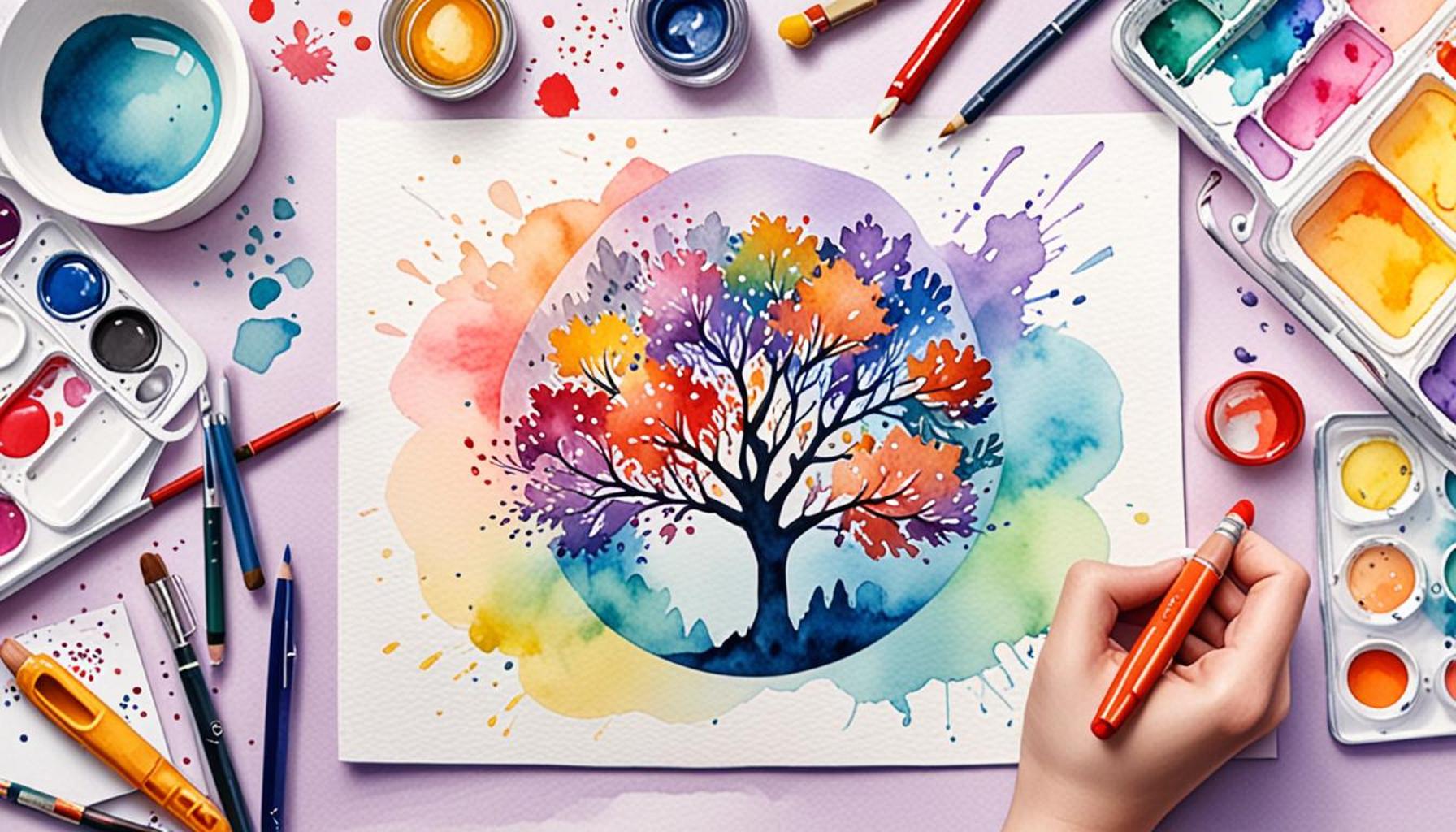
Exploring Interactivity in Craft Workshops: Learning in Groups and Creating Connections
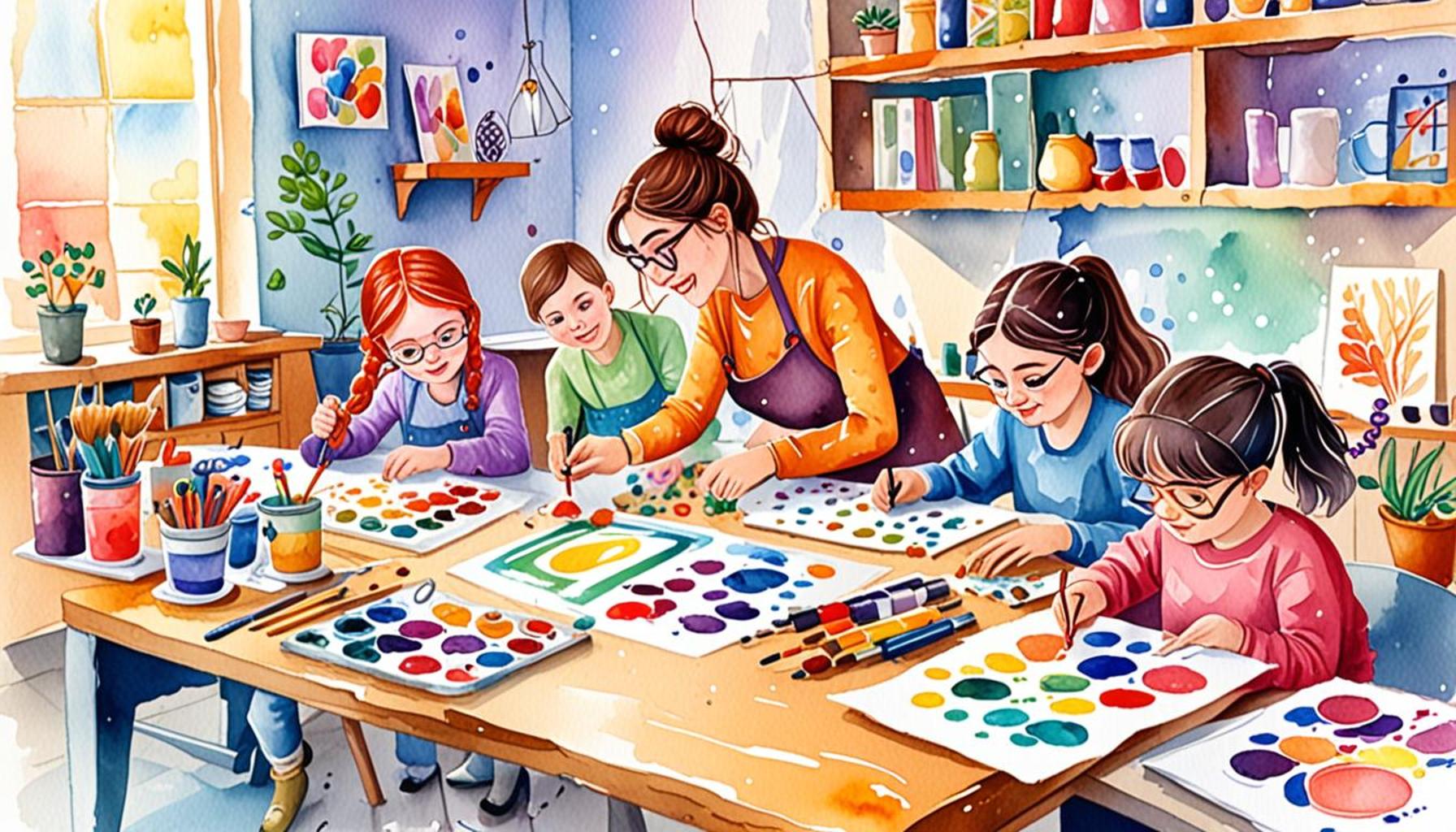
The Power of Craft Workshops in Building Community
Crafters and creators are increasingly finding solace and inspiration in craft workshops, which have evolved into buzzing centers where creativity intermingles with community spirit. These workshops not only provide a platform for individuals to explore their artistic sides but also catalyze valuable social connections, often transforming solitary pursuits into collective experiences. Through hands-on activities, participants are invited to unlock their artistic potential in a supportive and vibrant atmosphere.
The essence of craft workshops lies in their interactivity, enabling participants to immerse themselves fully in the creative process. In these spaces, individuals engage in:
- Shared Learning: Whether it’s a knitting circle or pottery class, participants come together to share knowledge, teaching each other new techniques while learning from experienced instructors. For instance, a novice might watch an experienced potter demonstrating the wheel-throwing technique, gaining hands-on experience that can only be acquired in such dynamic settings.
- Collaborative Projects: Many workshops encourage teamwork, culminating in collaborative art pieces that can be displayed in community centers or local exhibitions. Imagine a colorful mural painted by a group of crafters that reflects their collective experiences and aspirations.
- Networking Opportunities: Craft workshops are ideal places to meet fellow crafters, whether they are seasoned artisans or enthusiastic beginners. Forming connections during these workshops can lead to lasting friendships and even partnerships in creative ventures.
The engaging nature of these workshops is pivotal in fostering a sense of belonging. As participants come together, the shared experience helps reduce feelings of isolation, which can often accompany modern life. Crafting serves as not just an artistic outlet but also as a medium for promoting:
- Creativity: Each project provides individuals with the chance to express themselves, allowing their unique perspectives to shine through their work. This expressions of creativity can have therapeutic benefits, alleviating stress and enhancing overall well-being.
- Confidence: As participants master new skills—from basic sewing techniques to more advanced woodworking—this knowledge contributes to a boost in self-esteem. The sense of accomplishment felt after completing a challenging project is unparalleled.
- Community Bonds: Workshops encourage the formation of connections with like-minded individuals, fostering a sense of camaraderie. Participants often bond over shared frustrations and triumphs, creating a supportive environment that celebrates personal and collective growth.
The growing appeal of craft workshops can be observed in various settings across the United States. From bustling urban centers, like New York City’s fabric art classes, to quaint rural towns hosting quilting parties, these sessions attract diverse groups united by the joy of creation. Local craft fairs often highlight the amazing work produced in these workshops, reinforcing the community ties that have flourished.
As we delve deeper into this engaging world, the interactivity inherent in craft workshops emerges not only as a mechanism for enhanced learning but also as a foundation for fostering a rich culture of creativity and connectivity. Join us on this exploratory journey to uncover the profound, transformative impact that crafting in groups can have, both on individuals and the wider community.
EXPLORE MORE: Click here to learn about the benefits of musical improvisation
The Benefits of Shared Crafting Experiences
Craft workshops offer more than just an avenue for creative expression; they are rich ecosystems where interactivity thrives. Within these collaborative environments, participants are often engaged in a variety of formats that emphasize hands-on learning and the pooling of talents. The benefits of shared crafting experiences extend beyond simply mastering a skill; they encompass personal growth, social interactions, and community building.
One key aspect of these craft workshops is the exchange of knowledge. When participants actively collaborate, they can share insights and tips that foster an inclusive atmosphere conducive to learning. For instance, a beginner learning embroidery techniques may draw valuable advice from a seasoned stitcher, leading to real-time skill acquisition and confidence building. The diversity of skills within a group can create a synergistic effect, allowing for an enhanced educational experience.
Moreover, interactive craft workshops often involve dynamic project-based learning. In this approach, groups tackle specific projects that require teamwork and combined creativity. Workshops may focus on collaborative efforts, such as creating community quilts or group mosaics, where each contributor adds a personal touch that contributes to a larger goal. These projects not only promote individual contributions but also encourage participants to brainstorm together, strengthening interpersonal bonds.
- Peer Support: Working alongside peers creates an atmosphere of encouragement where individuals can cheer each other on, share constructive feedback, and celebrate collective achievements.
- Problem Solving: Facing challenges as a group fosters critical thinking and collective problem-solving skills. Participants learn to communicate effectively and propose solutions, reflecting the group’s shared vision.
- Creative Inspiration: Being surrounded by other creative minds can spark new ideas and techniques that participants might not have considered on their own, elevating the overall experience of crafting.
The social fabric woven in these sessions generates more than just creative output; it cultivates a sense of connection. Crafting with others can lead to meaningful conversations, turning acquaintances into friends. In a vibrant workshop, you might hear laughter shared over a miscut fabric, or discussions that lead to deeper topics, where participants share personal stories that resonate with one another. These interactions contribute significantly to mental well-being and nurture a profound sense of belonging.
As we continue to explore the multifaceted dynamics within craft workshops, the element of interactivity shines through as a vital ingredient in both the creative process and personal connections. Understanding how these elements come together can enlighten both participants and organizers, paving the way for future innovations in the world of collaborative crafting.
| Advantages of Group Learning | Benefits of Craft Workshops |
|---|---|
| Enhanced Creativity | Group settings stimulate collaborative ideas and innovative solutions. |
| Skill Development | Participants can learn new techniques from peers, leading to improved proficiency. |
| Social Connections | Workshops create a sense of community and friendship among participants. |
| Support and Encouragement | Group dynamics provide motivation that enhances the learning experience. |
Exploring interactivity in craft workshops reveals that these environments foster not just creativity but also significant personal connections. As individuals engage collaboratively, they share insights and experiences that go beyond the task at hand. The formation of social bonds is particularly pronounced, creating an atmosphere where participants feel more at ease to express themselves. This communal space not only enriches the learning process but also contributes to emotional well-being. Participants often report increased satisfaction from crafting alongside others, as it amplifies the joy of creation.Moreover, when learners work in groups, they are more likely to adopt diverse methods and innovative approaches to problems. Such exposure to varied techniques can significantly enhance individual skill sets, making these workshops invaluable. Ultimately, craft workshops that emphasize interactivity open up pathways for deeper learning while nurturing connections that may last well beyond the duration of the session.
DIVE DEEPER: Click here to discover the power of reflective writing
The Role of Facilitation in Craft Workshops
In examining the successful outcomes of craft workshops, it becomes essential to highlight the vital role of facilitation. A skilled facilitator can transform a basic crafting session into an engaging experience that maximizes interactivity and fosters connection among participants. Unlike a traditional classroom setup, where the instructor primarily imparts knowledge, a facilitator actively encourages dialogue, collaboration, and exploration, which enhances the overall learning experience.
A competent facilitator begins by creating an inclusive environment, where participants feel safe expressing their ideas and experimenting with techniques. By establishing ground rules that promote mutual respect and openness, facilitators set the tone for a supportive atmosphere. This sense of community allows participants to share their creative vulnerabilities, and in turn, emboldens them to take artistic risks without the fear of judgment.
Facilitators also play a key role in diversifying the learning opportunities within a workshop. They can introduce various crafting methods and styles that cater to different skill levels, ensuring that everyone has the chance to contribute meaningfully. For example, in a pottery workshop, while some individuals may focus on wheel-throwing, others can explore hand-building techniques. This tailored approach not only enriches the crafting experience but also allows participants to learn from each other, increasing the depth of knowledge available within the group.
- Interactive Techniques: Utilizing group activities such as paired crafting or team challenges can stimulate collaboration. For instance, creating a large mural collaboratively encourages participants to engage both individually and collectively, merging styles and fostering rich discussions.
- Feedback Loops: Facilitators can implement structured feedback sessions, where participants present their works-in-progress and receive constructive criticism from their peers. This practice reinforces the sense of community and empowers individuals to refine their skills while gaining valuable perspectives.
- Resource Sharing: Workshops can promote the exchange of supplies and tools, encouraging participants to experiment with different materials they may not usually choose. This hands-on approach means learners can explore unfamiliar techniques and innovate on the spot.
As workshops become a tapestry of diverse talents and backgrounds, it’s important to note that interactivity does not solely stem from the activities but also from the relationships formed. Strong bonds often develop as facilitators encourage participants to share their stories behind their craft. Next to crafting skills, these personal narratives enrich the experience, promoting empathy and mutual understanding.
Additionally, research suggests that the community aspect of craft workshops can have long-lasting effects on mental health and well-being. A report from the National Endowment for the Arts found that communal activities like crafting can decrease feelings of isolation and loneliness, making them particularly beneficial in today’s world where many find themselves physically distanced from loved ones. This insight underscores the essence of community and connection — essential elements fostered through interactive workshops.
As we delve deeper into the realm of craft workshops, the powerful implications of effective facilitation reveal how interactive experiences can create not just skilled crafters, but also vine-woven relationships that transcend the act of creating. Through this comprehensive understanding of the interplay between facilitation and interactivity, participants are poised for a truly transformational journey in their creative endeavors.
DIVE DEEPER: Click here to discover beginner techniques and project ideas
Conclusion
As we conclude our exploration of craft workshops, it’s evident that the essence of interactivity extends far beyond the creative tasks at hand. These workshops are dynamic environments where learning in groups cultivates not just skills but also connections among participants. The role of a skilled facilitator emerges as a cornerstone in this journey, transforming traditional crafting into a vibrant, communal experience. Through inclusive practices, diverse learning opportunities, and interactive techniques, facilitators elevate the crafting process, encouraging individuals to share their artistic journeys and personal stories.
The impact of communal crafting on mental health further reinforces the importance of fostering strong connections. As highlighted by studies from reputable organizations, engaging in creative activities can significantly reduce feelings of loneliness, showcasing the power of crafting as a tool for social bonding. Thus, craft workshops serve as a vital space for building relationships, encouraging empathy, and promoting well-being in today’s often disconnected world.
Ultimately, as participants hone their artistic abilities while forming meaningful bonds, they create a tapestry of shared experiences that enrich not only their craft but their lives. The interplay between interactivity and connection ignites a passion for creation, leading to a deeper appreciation for both the craft itself and the communal essence of artistry. Therefore, as the craft workshop community continues to flourish, embracing these values will remain essential for nurturing both individual creativity and collective spirit.