The Interpretation of the Body: Dance as a Form of Expression and Communication
The Transformative Power of Dance
The human body possesses a remarkable ability to convey emotions and narratives through movement. Dance, as a universal language, transcends verbal communication, allowing individuals to express their innermost feelings and cultural stories. This vibrant art form serves not only as entertainment but also as a profound means of connection among diverse communities.
- Emotional Expression: Dance reveals feelings that words often fail to capture. For instance, a contemporary performance might weave together themes of loss and hope through fluid movements and dramatic pauses, allowing the audience to experience a shared sense of vulnerability. In contrast, the high energy of hip-hop can communicate joy and resilience, showcasing how the body can articulate complex emotional landscapes without the need for spoken language.
- Cultural Reflection: Each dance style tells a unique story, representing its cultural origins. From the rhythmic footwork of Irish dancing to the passionate salsa rhythms that echo Latin heritage, each form of dance is steeped in history and identity. In the United States, genres like jazz dance reflect the African American experience, illustrating how cultural backgrounds shape artistic expression and performance.
- Physical Communication: Body movements create a dialogue, connecting performers with audiences. A ballet dancer’s graceful pirouettes might evoke a sense of nostalgia, while the confident swagger of a breakdancer can inspire admiration. These physical interactions not only tell stories but also foster a sense of community and belonging, bridging gaps between people of different backgrounds and generations.
Across the United States, various dance forms—ranging from traditional Appalachian square dancing to modern street dance battles—play pivotal roles in social and cultural discourse. They serve as platforms to address pressing issues, including identity, politics, and community solidarity. For example, many choreographers use dance to respond to social justice movements, creating works that reflect societal struggles, triumphs, and aspirations. The movements and rhythms invite audiences to engage, provoking thought and sparking conversation.
Investigating the nuances of dance as a form of expression reveals a tapestry of human experience. For instance, the #BlackLivesMatter movement has inspired a series of choreographed pieces that combine elements of protest and storytelling, highlighting dance’s power to evoke change. Additionally, the rise of TikTok has popularized short dance challenges, facilitating the rapid exchange of ideas and creativity among diverse groups and demonstrating how dance continues to evolve and adapt to modern platforms.
This article delves into the intricate layers of dance as a transformative medium, exploring how the body interprets and communicates messages that resonate across borders and generations. As we engage with this dynamic art form, we uncover not only the physicality of movement but also the emotional and cultural narratives that enrich our understanding of the world around us.
DISCOVER MORE: Click here to dive deeper into your creative journey
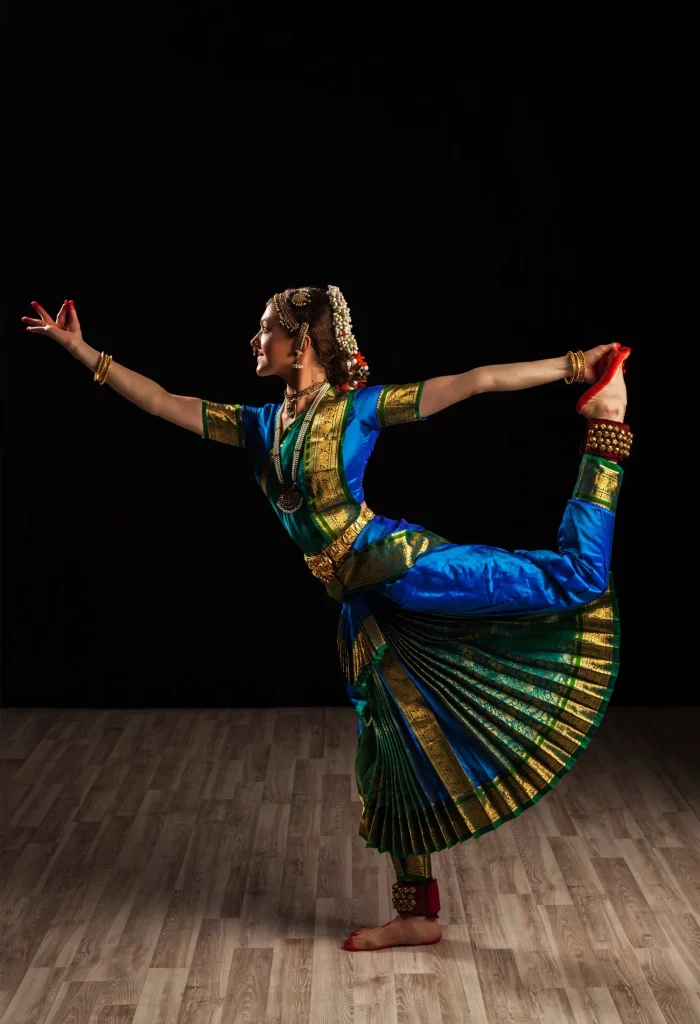
The Language of Movement: How Dance Communicates Emotions
At its core, dance serves as a visceral medium for emotional expression, deeply intertwined with the human experience. The ability of movement to articulate feelings is unparalleled, allowing performers to embody complex emotions that resonate powerfully with audiences. Every movement is a word in this silent conversation, where grace, tension, and rhythm come together to convey what lies beneath the surface of language.
Throughout history, dance has provided a safe haven for individuals to express their inner world. For instance, in the realm of ballet, the expressive use of the body enables dancers to depict profound narratives of love, loss, and triumph. A single pirouette or a heartfelt extension of the arms can communicate emotions that often go unspoken, transforming the stage into a canvas of human experience. Conversely, styles like contemporary dance frequently employ disjointed movements to encapsulate feelings of confusion or dislocation, further highlighting how different forms of dance articulate a spectrum of emotional states.
- Nonverbal Connection: Dance as a nonverbal form of communication fosters a unique connection between performers and their audience. This shared experience can transcend cultural and language barriers, creating a bond rooted in the universal language of movement. By engaging with dance, spectators often find themselves reflecting on their own emotional journeys, resonating with the feelings transmitted through the performance.
- Physicality of Emotion: The physicality of every dance style is a testament to its capacity to evoke emotions. Tribal dances, for example, often embody collective energy and communal spirit, infusing each step with the rhythm of tradition and belonging. Alternatively, jazz dance, with its improvisational flair, encapsulates the joy of spontaneity, enabling individuals to express themselves in a uniquely personal way.
- Storytelling Through Movement: Each dance form encapsulates a narrative that invites observers to partake in an unfolding story. Traditional dances such as the Native American powwow not only celebrate culture but also serve as a medium for storytelling that connects generations. Through intricate footwork and expressive gestures, these dances can convey tales of heroism, heritage, and community resilience.
The narratives revealed through dance are not merely limited to personal expression; they also echo larger societal issues. For instance, in the wake of the COVID-19 pandemic, many choreographers have turned to digital platforms to adapt their performances, using dance to address themes of isolation and longing. This adaptability of dance reflects its enduring relevance as a vital means of communication in an ever-changing world.
Exploring dance as a form of expression reveals its multifaceted role in reflecting the human experience. By tapping into the rich emotional vocabulary that movement offers, we begin to see dance not just as entertainment, but as a powerful conduit for connection and understanding among diverse individuals and communities. As we delve deeper into this art form, we uncover the layers of history, culture, and personal stories that illuminate the intricate dance between body and expression.
The Language of Movement
In the realm of dance, the body becomes a powerful tool for non-verbal communication. Each movement tells a story, reflecting the dancer’s emotions, thoughts, and cultural background. Through various styles—whether it’s ballet, hip-hop, or traditional folk dance—the physical expression of feelings transcends barriers of language and culture. This innate ability to convey complex ideas and sentiments through motion makes dance a universal language, allowing diverse communities to connect on a fundamental emotional level.Every dance form carries its unique vocabulary of gestures and rhythms. For instance, African dance often employs fluid body movements that are deeply rooted in the community’s cultural narratives. Conversely, contemporary dance seeks to explore more abstract and experimental forms of expression, inviting both the performer and the viewer to engage in a dialogue about identity and human experience. This variety emphasizes how dance can act as a mirror reflecting our society’s values and changes over time.
Therapeutic Benefits of Dance
Moreover, the interpretation of the body through dance extends beyond artistic expression; it has significant therapeutic benefits as well. Dance therapy harnesses the emotional release that movement provides, promoting mental health and well-being. In settings where words may fail, dance becomes a medium for healing, enabling individuals to express trauma, grief, and joy. Research indicates that engaging in dance can reduce levels of stress and anxiety while enhancing overall mood, making it a valuable tool in mental health programs.In addition to emotional healing, physical movement improves coordination, flexibility, and stamina. Each performance is a chance to explore physical boundaries and discover new strengths, which fosters a sense of accomplishment and confidence. The act of dancing invites individuals to embrace their bodies, ultimately leading to a deeper appreciation and understanding of themselves.Overall, the interpretation of the body through dance is multifaceted; it serves as both a form of communication and a path to personal enlightenment. In a world where interactions frequently occur through screens and texts, dance beckons us to reconnect with the profound language of movement, inviting an exploration of what it truly means to be human.
DISCOVER MORE: Click here to ignite your imagination
Embodiment of Culture: Dance as a Reflection of Society
Dance operates not only as a personal expression but also as a powerful reflection of cultural identity and societal values. Across various communities, dance embodies the unique narratives that shape traditions, rituals, and communal practices. The intricate movements and rhythms that characterize different forms of dance are often steeped in the history and beliefs of the people who create them, making each performance a living archive of cultural heritage.
In the United States, for instance, dance styles such as hip-hop and breakdancing have emerged as significant cultural expressions, born from urban communities and shaped by fundamental experiences of struggle, resilience, and triumph. With their roots tracing back to the streets of New York City in the 1970s, these art forms have propelled dance into a global conversation about identity and expression. Hip-hop, in particular, serves as a platform for social commentary, addressing issues such as systemic injustice and economic disparity through poignant movements and choreography.
- Ritualistic and Ceremonial Traditions: Many cultures utilize dance as a vital element in rituals and ceremonies. The African diaspora has profoundly influenced various dance forms, where movements often celebrate life, death, and spiritual connection. Dances performed during significant events such as weddings or harvests carry deep symbolism and solidarity, affirming a community’s shared history and values.
- Political Commentary: Dance can be a powerful form of protest and resistance. Notable choreographers like Ailey’s Revelations have used dance to highlight social issues, challenging audiences to confront realities of race and inequality. The fusion of dance with political expression transforms the stage into a forum for awareness, inviting spectators to participate in the conversation.
- Cultural Fusion: In an increasingly interconnected world, the assimilation of diverse dance forms showcases the beauty of cultural exchange. Styles like salsa, combining Caribbean and Latin influences, emphasize the melting pot of American culture, where movement serves as a bridge to shared experiences, allowing individuals to connect through rhythm and community.
The performing arts face constant evolution, and today, dance increasingly embraces technology as a medium of expression. Virtual performances, augmented reality dance collaborations, and social media challenges have redefined the way audiences experience movement. The digital landscape amplifies the reach of dance, providing a platform for diverse voices and stories to flourish. With platforms like Instagram and TikTok, dancers can share innovative choreographies that engage and inspire global audiences.
Moreover, interdisciplinary collaborations between dancers and artists from varying fields—such as visual art and theater—invite opportunities for richer interpretations of body language. The integration of narrative storytelling with choreography not only enhances the emotional weight of performances but also challenges audiences to consider the intersections of art and daily life.
Examining dance as a multifaceted form of communication reveals the intricacies of culture, identity, and community. As an ever-evolving art form, dance provides a vehicle for individuals to express their lived experiences, while simultaneously fostering a deeper understanding of collective human narratives. The dynamic interplay between body and movement continues to serve as a vehicle for personal and societal dialogue, fortifying dance’s place as a vital expression of the human condition.
DISCOVER MORE: Click here to dive deeper
Redefining Humanity through Movement
In conclusion, the exploration of dance as a form of expression and communication reveals its profound ability to convey emotions, narratives, and cultural identities. As a universal language, dance transcends barriers, offering a unique medium through which individuals articulate their experiences and forge connections with others. It is a reflection of both personal and communal identity, enriching our understanding of various cultural backgrounds and societal values.
Moreover, the evolution of dance in the modern era—marked by the integration of technology and interdisciplinary collaborations—invites new interpretations and broader discussions. As virtual platforms expand the reach of dance, they empower creators to share their stories and perspectives with a global audience, democratizing the art form and inviting diverse narratives into the public sphere. From hip-hop’s cultural critique to the rituals steeped in tradition, each dance style serves as a testament to the resilience and creativity of the human spirit.
As we continue to engage with dance—whether as practitioners, audiences, or advocates for the arts—we are reminded of its vital role in shaping human connection and understanding. It compels us to reflect, to question, and ultimately to embrace the rich tapestry of existence we share. In an ever-changing world, dance remains a powerful conduit for expression, urging us to listen, to see, and to feel beyond mere words. As we look toward the future, let us celebrate this dynamic art form as a cornerstone of communication and a testament to our shared humanity.