The New Technologies and Their Role in the Revolution of Performing Arts
Exploring the Impact of Technology on Performing Arts
The world of performing arts is experiencing an unprecedented evolution. At the heart of this transformation is the integration of new technologies that not only enhance the way artistic expressions are crafted but also revolutionize how audiences engage with performances. This dynamic interplay between technology and creativity fosters an inclusive and diverse artistic landscape that invites exploration and experimentation.
One of the most exciting advancements in this realm is Virtual and Augmented Reality (VR and AR). Imagine attending a theatrical production where you don a VR headset and become part of the story, exploring the fictional environment alongside the characters. For instance, a production like “The Tempest” can be reimagined in a VR setting, allowing one to explore the magical island and interact with spirits. The National Theatre in London has experimented with such immersive experiences, offering a glimpse into a future where audiences can transcend traditional seating arrangements and dive into the narrative.
Live Streaming is another transformative technology reshaping the performing arts landscape. The COVID-19 pandemic accelerated the adoption of live streaming, making it a staple for artists and audiences alike. Services like BroadwayHD and National Theatre Live enable theater lovers from all over the globe to enjoy performances they might not have access to in person. A recent production of “Hamilton” was made available through Disney+, reaching an audience far beyond the curtains of the Richard Rodgers Theatre. This shift not only fosters accessibility but also opens up new revenue streams for performers and production companies.
Another groundbreaking development in this domain is AI-Enhanced Production. These tools augment creativity in various aspects, from assisting in scriptwriting to optimizing set designs. For instance, software powered by artificial intelligence can analyze existing scripts and suggest improvements, or create completely original content based on predefined parameters. This capability has already been utilized in music with programs like OpenAI’s MuseNet, which can compose music inspired by various styles. As performers, directors, and playwrights embrace these technologies, they are continuously pushing the boundaries of what is artistically possible.
As we delve deeper into this integration of technology and creativity, we start to see the profound implications for both performers and spectators. The traditional roles are changing; audiences are no longer just passive observers but active participants in a story that mutates and evolves with each interaction. This merging of experience invites us to ask critical questions about our understanding of art and creativity: How do these technological advancements redefine our interactions with performances? What new forms of artistic expression are waiting to be discovered?
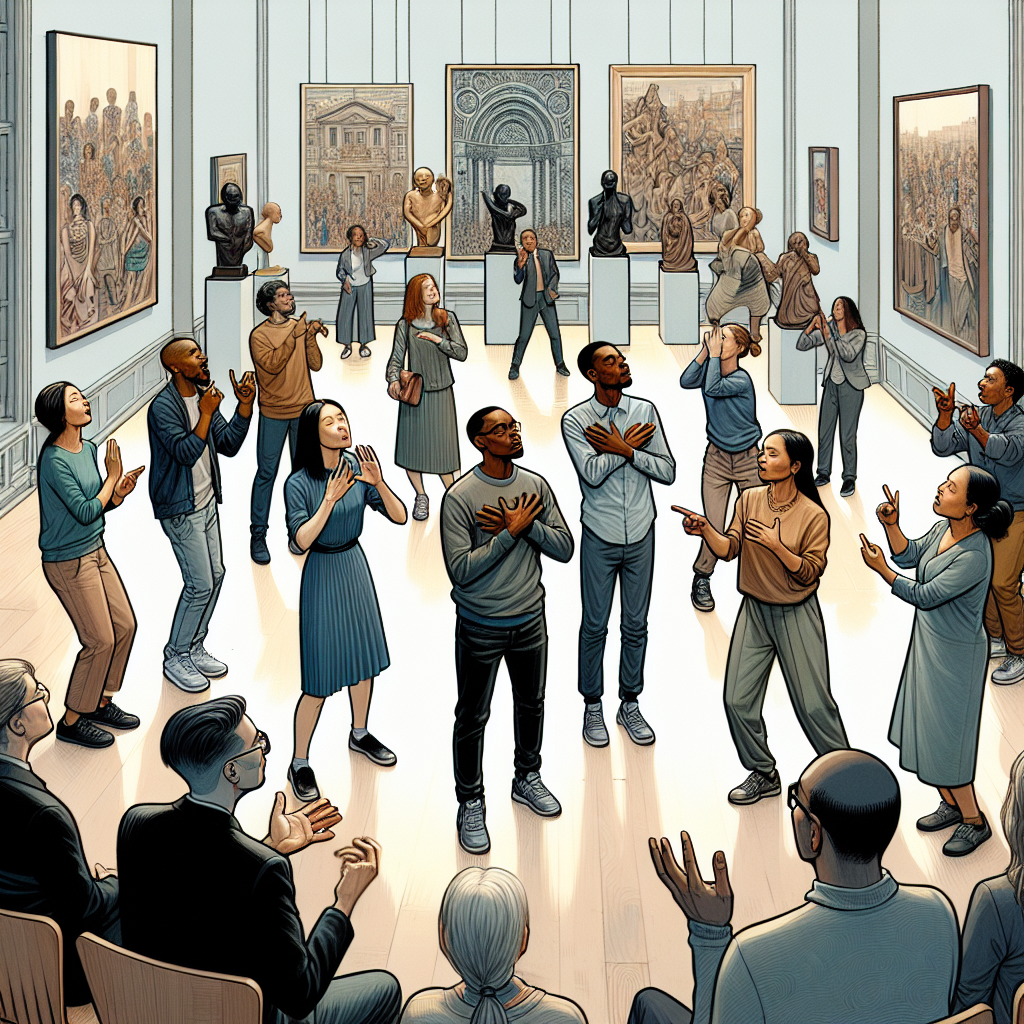
Ultimately, the future of performing arts lies in a fascinating interplay between technology and human creativity. As these innovations continue to shape the landscape, they offer thrilling possibilities for storytelling, collaboration, and connection. Audiences can anticipate not just a performance, but a multi-dimensional experience that blurs the lines between reality and imagination. By embracing these tools, the performing arts will undoubtedly flourish in rich and unprecedented ways.
DISCOVER MORE: Click here to uncover the power of creative writing
Transforming Artistic Expression Through Digital Innovations
As we embark on this journey through the intersection of technology and performing arts, it becomes immediately evident that the revolution is not merely about new tools but rather a profound transformation in how stories are conceived, told, and experienced. These digital advancements have opened doors to innovative methods for creators to express themselves and engage with their audiences, shifting the paradigms of both performance and artistic interaction.
Multi-Platform Experiences stand at the forefront of this revolution. Artists and companies are now able to reach audiences across various platforms, creating a holistic viewing experience. Consider a recent production that incorporates social media, website content, and interactive apps to extend the narrative beyond the stage. Through platforms like TikTok and Instagram, performers can tease storylines, share behind-the-scenes content, and involve fans in real-time decision-making, which ultimately crafts a layered experience that encourages ongoing engagement. Audiences no longer have to wait for a specific time to consume art; it is now woven into the very fabric of their daily lives.
Sound and Visual Technology is also evolving dramatically, providing artists with unprecedented tools to manipulate soundscapes and visual backdrops, creating immersive environments. Live performances now often incorporate advanced stage technology like projection mapping, which transforms physical spaces into dynamic visual experiences that complement the narrative. Within this realm, productions like “Cirque du Soleil” leverage technology to enhance storytelling through intricate visual effects and perfectly synchronized sound, heightening emotional resonance. As audiences are transported to alternate realities, the experience of live performing arts becomes richer and more complex.
Additionally, another significant advancement is Digital Collaboration. What was once confined to the rehearsal space is now blossoming into a global collaboration. Artists can connect with their peers across the globe through platforms such as Zoom and shared project management tools. This has given rise to the phenomenon of cross-disciplinary collaborations, where theater-makers work alongside visual artists, musicians, and even technologists to create innovative hybrid performances. The ability to collaborate on a digital canvas has resulted in the emergence of new forms of art that blend talents, perspectives, and cultural narratives.
These technologies do not merely augment existing art forms but allow for the birth of new genres altogether. The fusion of live performance with gaming technology, for instance, has led to interactive theatrical experiences where audience members can influence plot directions through their actions. Experiences like “Sleep No More” immerse attendees within an enigmatic, dream-like narrative, allowing individual choice to dictate their unique journey through the performance. This interactivity paves the way for a new genre that challenges traditional storytelling and invites deeper audience engagement.
As the performing arts landscape continues to unfold, it is clear that the incorporation of new technologies is not a fleeting trend. Instead, it reflects a broader movement towards innovation and creativity that has the potential to redefine art itself. Audiences will not only witness performances but will be invited to partake in a reimagined narrative landscape, resulting in an exhilarating fusion of technology and artistry that is sure to captivate future generations.
The Impact of New Technologies on Performing Arts
The revolution of performing arts is increasingly intertwined with the rapid advancement of technology. Innovations such as virtual reality (VR), augmented reality (AR), and digital platforms are reshaping how artists create, perform, and share their work with audiences worldwide. These technologies provide new avenues for creative expression, allowing performers to transcend traditional boundaries and reach broader audiences. For instance, VR enables immersive experiences where audiences can interact with the performance, enhancing engagement levels significantly. Imagine attending a theater production where you are not just a spectator but a part of the story, exploring the vibrant world built around the narrative. AR brings a similar flavor, adding digital elements to live performances that can transform a simple stage into a dynamic visual experience.Additionally, advancements in streaming technology have made it possible for performances to be accessible to viewers from the comfort of their homes. This shift has opened up opportunities for artists to showcase their work beyond geographical limitations, allowing for a global reach that was not possible in the past. Social media platforms facilitate further connection, enabling performers to promote their work, engage with fans, and gather valuable feedback in real-time. Moreover, artificial intelligence (AI) is beginning to play a role in creative processes, assisting artists in generating new ideas or even collaborating on pieces. The integration of technology is not just enhancing performances; it’s sparking dialogue about the very nature of art itself. As we plunge deeper into this technological era, the fusion of arts and technology promises to continually evolve, presenting both challenges and opportunities for creativity in the performing arts landscape. Exploring these new frontiers can ignite further discussions surrounding ethical implications, the authenticity of art, and the future of live performances in an increasingly digital world. The intersection of technology and creativity presents a bold canvas for the performing arts, transforming how artists connect with their audiences and shaping the future of artistic expression.
| Advantage | Explanation |
|---|---|
| Enhanced Engagement | Technologies like VR and AR offer immersive experiences, making audiences active participants. |
| Global Accessibility | Streaming technology allows performances to reach audiences worldwide, breaking geographical barriers. |
The exploration of these advantages encourages a deeper understanding of how new technologies are pivotal in transforming the landscape of performing arts, fueling curiosity and further investigation into their role in this exciting evolution.
DISCOVER: Click here to learn more
Expanding Accessibility and Inclusivity Through Technology
Beyond the dazzling spectacle of digital innovations in stagecraft and storytelling, technology plays a vital role in enhancing accessibility and inclusivity within the performing arts. In recent years, performers and production companies have made significant strides in ensuring that art is not confined to a select few but is available for everyone to experience. Innovations in streaming technology have revolutionized the way performances are distributed, particularly highlighted during the onset of the COVID-19 pandemic. The closure of theaters forced many companies to pivot towards virtual streaming platforms, allowing audiences around the world to access live performances from the comfort of their own homes. This transformation has led to a broader reach, transcending geographical boundaries that previously limited audience engagement.
In addition to virtual streaming, numerous companies are now integrating assistive technologies into their productions to cater to diverse audience needs. Features such as audio description, captioning, and sign language interpretation enable individuals with sensory disabilities to fully engage with performances. For instance, the Public Theater in New York has developed initiatives to create accessible productions, thus ensuring that everyone can enjoy theatrical experiences. This commitment to inclusivity not only fosters a sense of belonging but also challenges the conventional perception of arts as exclusive.
Furthermore, Augmented Reality (AR) and Virtual Reality (VR) are emerging as potent conduits for artistic expression that can engage audiences in novel ways. AR can enhance live performances by overlaying digital content onto the physical world, thus allowing audiences to interact with the story in real time. Productions like “The Lion King” have experimented with AR applications that allow the audience to experience the Savanna in immersive and interactive ways, creating an experience that is as educational as it is entertaining. On the other hand, VR has the potential to transport individuals into wholly different realities, enabling them to experience art from unique perspectives. Programs such as “Theatre in VR” allow users to engage with plays as if they were part of the ensemble, transcending traditional audience roles.
Artificial Intelligence (AI), too, is making waves in crafting new performances and enhancing the creative process. Integrating AI algorithms enables creators to explore the vast possibilities of performance art in unprecedented ways; for example, AI-generated music and choreography can complement human expression, blending technology and creativity seamlessly. Initiatives like “AIVA” (Artificial Intelligence Virtual Artist) compose original music that can be used in theater productions, while other AI tools assist playwrights in developing narratives that adapt to audience reactions, creating a truly interactive experience.
Moreover, social media platforms serve as a launchpad for audience interaction and community building. Artists can solicit feedback and input directly from their followers, shaping productions through collaborative efforts. In a cultural landscape that champions individuality, this dynamic democratizes the creative process, as audiences become co-creators in the artistic journey. Examples include theatrical productions that employ Twitter polls to decide plot twists or character fates, further emphasizing how technology reorganizes traditional hierarchies in the creation of performance art.
Through these advancements, we witness a profound shift towards greater democratization of the arts, encouraging diverse voices and stories from historically underrepresented communities. The intersection of technology and performing arts is expanding the canvas of expression, nurturing an environment where creativity flourishes unbounded by limitations. As artists and technologies continue to evolve, the very essence of performance will transform, impacting how future generations consume and participate in the world of arts.
DIVE DEEPER: Click here to uncover the insights
Conclusion: Embracing the Future of Performing Arts
As we conclude our exploration of new technologies and their transformative role in the performing arts, it is clear that we are witnessing a remarkable evolution in how art is created, distributed, and experienced. The integration of digital streaming, assistive technologies, and immersive tools like AR and VR have not only expanded accessibility but have also redefined traditional audience participation. Artists are no longer confined to physical stages; they are engaging with a global audience, crafting narratives that resonate with a diverse spectrum of identities.
The advancements in artificial intelligence further empower creators, providing them with innovative tools to explore uncharted artistic territories. As AI technology becomes more sophisticated, it will continue to breathe new life into musical compositions and narrative structures, challenging artists to rethink the boundaries of creativity. Moreover, social media’s pivotal role in facilitating audience interaction reinforces the concept of art as a collaborative endeavor, inviting viewers to be engaged stakeholders in the artistic process.
Indeed, the performing arts are on the brink of a significant renaissance, driven by technological innovation. This momentum not only champions a more inclusive environment where every voice can be amplified but also invites us to ponder the future implications of these changes. As we look forward, the question remains: how will emerging technologies continue to shape the cultural landscape? By staying curious and engaged with these developments, we can all play a part in redefining the performing arts for generations to come.