The Evolution of Improvisation in Performing Arts: Freedom and Creativity on Stage
The Evolution of Improvisation in the Performing Arts
Improvisation in the performing arts has evolved significantly, embodying a blend of freedom and creativity. This artistic form enables performers to transcend traditional limitations, fostering a rich connection with their audiences. The practice of improvisation allows for the organic development of performances, where spontaneity can lead to unexpected and memorable moments, creating a unique experience each time.
The historical context of improvisation across various cultures enhances our understanding of this art form. For instance, Jazz Music, which emerged in the late 19th and early 20th centuries, is a primary example of improvisation at its finest. Rooted in African American history and culture, jazz musicians often engage in spontaneous musical creation, breaking away from scripted melodies to explore unique harmonic structures. Legendary figures like Louis Armstrong and Miles Davis transformed the genre, showcasing how improvisation can push creative boundaries and resonate profoundly with audiences.
Improvisational Practices in Theater
In the realm of Theater, improvisation has a rich lineage that dates back to sources like Commedia dell’arte in Italy, where actors would use improvised dialogue and scenarios to entertain. Today’s modern improv troupes, such as those from Chicago’s “The Second City,” have continued this tradition, blending wit and spontaneity to critique social norms while fostering a familial bond with their audience. Their performances often invite audience suggestions, making each show a fresh experience that reflects the thoughts and feelings of the crowd on any given night.
Exploration Through Dance
Improvisation is equally transformative in the world of Dance. Styles such as Butoh, a genre from post-war Japan, delve into the depths of human emotion, employing movement that is unchoreographed and led by instinct. Similarly, contemporary dance encourages dancers to explore personal narratives and societal issues without the constraints of predefined steps. This freedom in movement fosters a sense of raw expression that resonates with audiences, inviting them to experience art on an intimate level.
Across the United States, improvisation has seamlessly integrated into various facets of the performing arts scene. Its influence is starkly visible in Comedy troupes, where laughter often arises from unscripted dialogue and rapid-fire interactions. This creates an electric atmosphere that captures the spirit of the audience. Additionally, in Musical theater, elements of improvisation can lead to unexpected humor or poignant moments that enhance storytelling. Street performances, too, play a crucial role in popularizing improvisational styles, inviting lively interactions with passersby and drawing in diverse crowds.
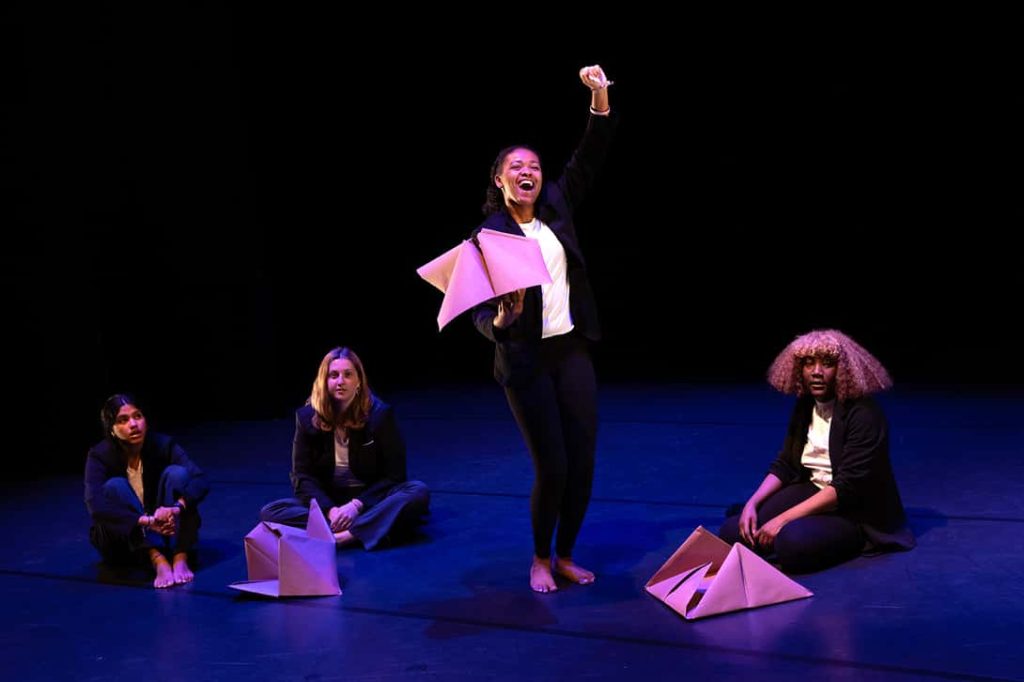
The trajectory of improvisation highlights a continuous journey towards greater artistic expression, urging performers to reinvent their craft, experiment with new ideas and ultimately connect with their audiences. As we explore this rich landscape, we uncover the endless possibilities that improvisation can unfold for artists, encouraging a deeper inquiry into how this art form continues to inspire and engage. Whether in jazz clubs, theaters, or urban streets, the heart of improvisation beats strong, reminding us of its vital role in the fabric of creative expression.
DISCOVER MORE: Click here to dive deeper
The Impact of Improvisation Across Cultures
Improvisation is not merely a technique; it serves as a mirror reflecting cultural identities and artistic trends. Different art forms around the globe showcase distinctive improvisational styles that resonate with the unique histories and values of those cultures. In the United States, for instance, the spontaneity of improvisation can be seen across genres ranging from theater and dance to music and stand-up comedy.
Theatre: A Space for Unscripted Reality
In the theater, improvisation flourishes as performers embrace the unpredictability of live storytelling. The evolution of improvisational theater can be traced to various movements, including the expressive forms found in the Black Arts Movement of the 1960s, which encouraged Black artists to express their narratives freely. Today, companies such as Upright Citizens Brigade have revolutionized the landscape by providing training and venues that help actors refine their improvisational skills. This not only enhances their ability to respond to unforeseen situations on stage but also deepens their connection with contemporary social issues.
Consider the following aspects where improvisation plays a critical role in theater:
- Audience Engagement: Many improvisational shows invite audience participation, transforming a passive viewing experience into an interactive event.
- Social Commentary: Through improvised dialogue, performers can address current events and societal discussions, making their work relevant and thought-provoking.
- Character Development: Actors often use improvisational techniques to explore their characters more deeply, revealing the multifaceted nature of human emotions.
Musical Improvisation: A Dialogue in Sound
The improvisational landscape in music presents a fascinating journey through genres that value spontaneity. In addition to jazz, similar improvisational techniques can be found in genres like bluegrass and even rock, where artists often engage in spontaneous jam sessions. The iconic Grateful Dead, for example, became known for their extended live improvisations, turning each concert into a unique experience. Their ability to collaborate on stage through an unspoken musical dialogue exemplifies the profound impact of improvisation on musical expression.
Improvisation serves various purposes in music, such as:
- Creative Exploration: Musicians can test new ideas and themes in real time, pushing the boundaries of their artistry.
- Collaborative Spirit: Improvisation encourages group dynamics, requiring musicians to listen closely and respond to each other’s cues and emotions.
- Engaging Live Performances: The unpredictability of improvisation captivates audiences, making each performance an unforgettable event.
The fascinating evolution of improvisation across cultures invites a deeper exploration into its transformative potential. As different art forms continue to evolve, the freedom and creativity spawned from improvisational practices serve as powerful catalysts, shaping performances that resonate across generations and cultural landscapes. Whether enlivening a theatrical production, enhancing a concert’s atmosphere, or inspiring comedic dialogue, improvisation remains an essential facet of the performing arts, constantly encouraging artists to breathe life into their creative visions.
The Role of Improvisation in Modern Performing Arts
Improvisation has become a vital component of contemporary performing arts, fostering a spirit of freedom and creativity among artists. In various genres, from theater to music and dance, the ability to improvise allows performers to connect with their audiences on a more profound level. The essence of spontaneity brings authenticity to performances, transforming each presentation into a unique experience.One significant aspect of improvisation is its role in enhancing collaboration among performers. In ensemble settings, like theater troupes or jazz bands, improvisation encourages interaction, enabling artists to respond to each other’s cues. This collaboration can lead to unexpected moments of brilliance, keeping performances fresh and engaging. Furthermore, workshops and training programs emphasizing improvisational skills are increasingly popular, highlighting the acknowledgment of its importance in the development of performing arts talents.Artists such as Keith Johnstone and Viola Spolin have pioneered improvisational techniques that not only empower performers but also challenge traditional storytelling formats. By breaking the confines of scripted dialogue, they pave the way for a more fluid and dynamic form of expression. This evolution in performing arts reflects society’s ongoing quest for authentic storytelling, making improvisation a mirror that reflects cultural shifts and societal changes.In addition to fostering creativity among individual artists, improvisation also encourages audience participation. The interactive nature of improv theater, where viewers become part of the narrative, presents a new way to engage with the art form. Audiences are no longer just passive spectators but have the opportunity to influence the direction of performances, blending entertainment with a shared experience of creation.As we explore further, it becomes essential to address the challenges that improvisation may present. The risks inherent in spontaneous performance can lead to unpredictable outcomes, but this uncertainty is precisely what makes it exciting. The evolution of improvisational techniques continues to inspire emerging artists, who are integrating these practices into their work, ensuring that the spirit of freedom and creativity on stage remains alive and ever-evolving.
| Advantages of Improvisation | Key Features |
|---|---|
| Enhanced Creativity | Encourages artists to think outside the box and embrace innovative ideas. |
| Audience Engagement | Creates interactive experiences that involve audiences in the creative process. |
DISCOVER MORE: Click here to dive deeper
The Role of Improvisation in Dance and Comedy
As we explore the expansive terrain of improvisation in the performing arts, two genres that particularly flourish within this framework are dance and comedy. Each embodies the spirit of creative freedom, providing artists with an opportunity to explore innovative movements and humor, ultimately redefining performance conventions.
Dance: Movement as a Language
Improvisational dance is a dynamic art form that emphasizes spontaneous movement and expression. Unlike traditional forms which rely heavily on choreography, improvisation allows dancers to create in the moment, hence fostering a unique connection between the performer and the audience. Historically, pioneers like Merce Cunningham challenged the norms of contemporary dance by integrating chance into choreography, using unpredictability as a vital component of creative expression.
In modern times, improvisational dance has seen a surge in popularity, with festivals and workshops dedicated solely to this art form, such as the International Improvisation Festival held annually in various cities across the United States. This festival showcases diverse improvisational techniques within dance, welcoming performers from various backgrounds to collaborate and share their movement vocabulary. Key benefits of improvisation in dance encompass:
- Expressive Freedom: Dancers can explore limitless variations of movement without the constraints of dance notation.
- Emotional Connection: Improvisation can foster raw, authentic emotion, allowing performers to communicate stories through their bodies.
- Interdisciplinary Collaboration: Dance improvisation often intersects with music, theater, and visual arts, generating a rich, multifaceted performance experience.
Comedy: Laughter in the Moment
Comedy, particularly in the realm of stand-up and improvisational theater, thrives on the unpredictability of live performance. Artists take risks, weaving spontaneity into their routines, which not only captivates the audience but also makes each show a distinctive experience. The evolution of improvisational comedy can be traced back to the influential Second City theater in Chicago, which popularized short-form and long-form improvisational sketches that left a significant mark on the comedic landscape.
Improvisation skills are essential for comedic performers, enabling them to adapt to any situation, respond to audience reactions, or riff on unexpected moments during a set. Key aspects of improvisation in comedy include:
- Audience Interaction: Comedians often delight in breaking the fourth wall, engaging with audience members to create unexpected comedic scenarios.
- Adaptability: The ability to shift focus, alter pacing, or change direction based on immediate feedback contributes to the overall effectiveness of the comedy.
- Character Exploration: Comedians frequently use improvisation to develop unique characters, employing spontaneous dialogue to flesh out their comedic personas.
In both dance and comedy, improvisation serves as a powerful tool for artists to maintain a vibrant connection with their craft and the audience. The emphasis on spontaneity gives rise to performances that are not only entertaining but reflective of contemporary social norms and challenges. As artists continue to embrace the freedom that improvisation offers, the evolution of the performing arts will invariably see new waves of creativity rising to the forefront.
DISCOVER MORE: Click here to unleash your creativity
Conclusion: The Future of Improvisation in Performing Arts
The journey through the evolution of improvisation in the performing arts unravels a tapestry rich with freedom and creativity. As we have seen, genres such as dance and comedy harness improvisation’s potential to challenge conventions, empower artists, and forge a deeper connection with audiences. The spontaneous nature of these art forms transcends mere entertainment; it resonates as a reflection of our collective human experience and societal dynamics.
With an increasing number of artists embracing the principles of improvisation, we witness a profound shift towards authenticity in performances. Whether through the fluid movements of improvisational dance that tell untold stories or the unique comedic moments that arise in live settings, the essence of creating in the moment captivates audiences and encourages them to engage with the art at a visceral level. The intertwining of different disciplines through collaborations further expands the boundaries of creativity, culminating in innovative works that challenge our understanding of what performance can be.
As we look ahead, the future of improvisation in performing arts invites us to explore uncharted territories. Artists, communities, and educational institutions must continue to foster environments that celebrate the unpredictable nature of creativity, ensuring the evolution of performance art remains dynamic. Embracing this freedom enables not only the revival of traditional forms but also the creation of new, hybrid expressions that define tomorrow’s cultural landscape. Ultimately, the evolution of improvisation will continue to thrive as artists wield it as a powerful tool for social commentary, connection, and expression, forever shaping the way we experience art on stage.