How Performing Arts Can Foster Community and Social Cohesion
The Significance of Performing Arts in Community Life
The performing arts serve as a powerful medium for expression and connection within communities. Through various forms—such as theater, dance, and music—these art forms can cultivate relationships and strengthen social bonds. The impact of performing arts extends beyond entertainment; it creates a platform for dialogue and understanding among diverse groups. Each performance is not just a display of talent but a converging point for community engagement and cultural exchange.
- Theater productions often reflect local stories that resonate with audiences. For instance, community theaters in cities like Austin, Texas, frequently choose plays that showcase local history or current social issues, inviting audiences to witness their own experiences mirrored on stage. This connection fosters empathy and shared understanding.
- Dance festivals showcase cultural heritage, inviting participation from all ages. Events such as the Los Angeles Dance Festival not only highlight professional performances but also encourage local schools and amateur dance troupes to participate, making dance a communal celebration that invites everyone to join in the movement.
- Community music programs promote collaboration and creativity among residents. Programs like the “Harmony Project” in Los Angeles provide free musical education to underprivileged children, nurturing not only their musical talent but also instilling a sense of community pride and teamwork.
In the United States, cities like New York and Chicago have embraced performances in public spaces, enhancing community interactions. Events like the Shakespeare in the Park in New York City create an atmosphere where residents from all walks of life gather to enjoy high-quality theater in a pleasant outdoor setting. These initiatives not only entertain but also challenge individuals to engage with their neighbors, breaking down social barriers and encouraging cross-cultural dialogue. The result is a vibrant cultural tapestry that fosters inclusivity and social cohesion.
Exploring the relationship between performing arts and community engagement reveals fascinating insights. Studies have indicated that participation in these activities leads to increased feelings of belonging and support among individuals. A report from the National Endowment for the Arts highlights that communities with active performing arts scenes tend to have lower crime rates and higher civic participation. This demonstrates how arts programs can serve as catalysts for positive social change.
In this article, we will delve deeper into the mechanisms through which performing arts foster community and examine successful case studies across the nation. By understanding the intrinsic value of these art forms, we can appreciate their role in shaping not only individual identities but also the collective spirit of the communities we inhabit.
DISCOVER MORE: Click here to unlock your creative potential
Building Bridges Through Collaborative Experiences
The performing arts function as a bridge, connecting individuals and diverse communities. By providing opportunities for collaboration and participation, these art forms help break down barriers that often separate people based on age, race, socioeconomic status, or cultural background. When individuals come together to create or enjoy an artistic endeavor, they form connections that can lead to lasting friendships, mutual respect, and a sense of belonging.
One of the most compelling examples of this synergy is found in community theater programs. These initiatives engage local talent, giving voice to underserved populations while simultaneously creating a shared experience for audiences. Take, for instance, the Victory Gardens Theater in Chicago, which produces work that focuses on social justice issues, allowing playwrights from marginalized backgrounds to tell their stories. By weaving these narratives into the community fabric, theater creates not only entertainment but also a platform for critical discussions that encourage civic involvement.
Music, too, plays a vital role in creating social cohesion. Community choirs and orchestras across the U.S. invite members from all walks of life to join in a common pursuit. Programs like the San Francisco Symphony’s Community of Music Makers bring together amateurs and professionals to collaborate, breaking down barriers and promoting inclusivity. The process of creating harmonious music together fosters unity, improves understanding, and nurtures a sense of shared identity. This model can be replicated in various forms, such as drum circles or neighborhood jams, where the rhythm becomes a language everyone understands, uniting people in powerful and meaningful ways.
The impact of performing arts in schools also deserves recognition. Arts education programs, which often incorporate theater, dance, and music, have shown promise in enhancing academic performance, self-esteem, and social skills among students. Research indicates that students actively engaged in the arts experience improved attitudes toward school and a stronger sense of community. In programs like Theater for Young Audiences, students not only learn about acting but also about commitment, teamwork, and the value of diverse perspectives. This holistic approach empowers young people to become informed and engaged members of their communities.
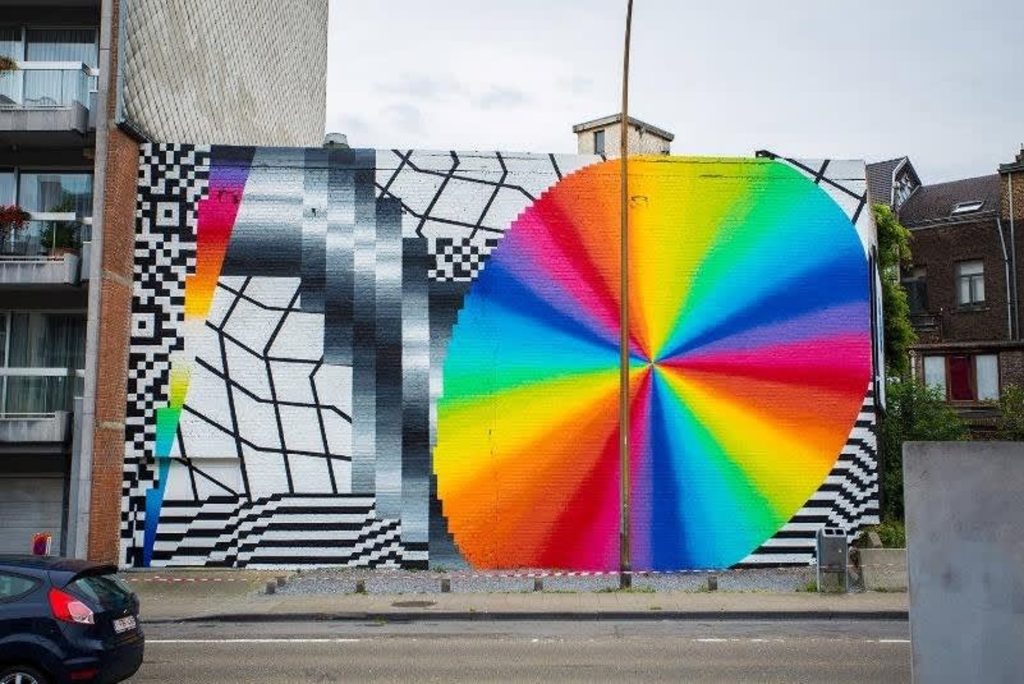
- Public art installations and performances can transform everyday spaces into vibrant community hubs, inviting interactions that may not occur otherwise. These installations often reflect the community’s identity, making art an integral part of public life.
- Cultural festivals celebrate a rich tapestry of traditions, providing opportunities for community members to share their heritage with others. Events such as the National Puerto Rican Day Parade in New York City not only showcase the arts but also bring together thousands of people in celebration of culture and unity.
- Street performances or busking events create informal avenues for artistic expression, encouraging community members to connect through spontaneous gatherings and shared experiences.
As we explore these various avenues through which the performing arts can foster community and social cohesion, it becomes evident that these practices not only entertain but also breathe life into the fundamental need for human connection. They provide a rich context for individuals to come together, promoting empathy, understanding, and a profound sense of belonging—a key ingredient for any thriving community.
| Category | Description |
|---|---|
| Cultural Exchange | Performing arts expose communities to diverse cultures, fostering mutual respect and understanding. |
| Local Identity | The arts create a shared narrative, leading to stronger connections and pride within the community. |
In addition to showcasing cultural diversity, the performing arts present an opportunity for cultural exchange. Through various forms of expression—such as theater, dance, and music—communities can learn about one another’s practices and traditions. This continuity spreads awareness, drives curiosity, and builds connections, ultimately helping to dissipate barriers that may exist between different groups.Moreover, engaging in performing arts can significantly enhance a community’s local identity. As individuals participate in shared creative endeavors, they embark on a journey to discover and celebrate their collective history and experiences. This process not only cultivates pride in local heritage but also strengthens bonds, leading to a cohesive and interconnected social fabric. Understanding how these elements intertwine can unveil a deeper appreciation for the arts as a vital tool for enabling community unity and social integration.
DISCOVER MORE: Click here to dive deeper
Empowering Voices Through Diverse Platforms
Performing arts also serve as a powerful avenue for marginalized voices, enabling them to express their narratives and experiences. This empowerment not only enriches the cultural landscape but also paves the way for greater social equity. Initiatives like the National Black Theatre in Harlem exemplify this movement, showcasing work by Black playwrights and artists who address themes profound to their communities. By sharing these perspectives on public stages, these theaters create dialogues that foster understanding and acceptance, effectively transforming the community’s cultural discourse.
Beyond formal venues, grassroots movements play a crucial role in elevating community voices through performances. Organizations such as Urban Arts Partnership harness the creativity of young people, particularly in economically challenged areas, to tell their stories through theater, dance, and music. By offering free workshops and mentoring programs, these organizations empower students to tap into their creativity while building skills that promote collaboration and empathy. This type of engagement not only boosts individual confidence but also strengthens community ties as participants become aware of the shared experiences and struggles they face.
Storytelling events, such as The Moth, have also gained popularity across the country, inviting individuals to share personal anecdotes in community settings. These events allow speakers to highlight their unique backgrounds, fostering connections among audience members and creating an appreciation for the diversity of experiences present in society. This form of artistic expression builds social cohesion by illustrating common threads within diverse narratives, encouraging empathy and understanding while celebrating individuality.
Furthermore, the role of dance in community engagement cannot be understated. Many community programs utilize dance as a tool for social connection, drawing participants from various backgrounds to create shared experiences. Programs like the Dance for Social Justice initiative in Philadelphia bring dancers together to address critical social issues through performance. These experiences yield not only artistic expression but also awareness and activism, paving the way for collective action and community improvement.
- Interactive performances allow audiences to engage directly with the artists and the material, reinforcing their investment in the community’s cultural fabric. These performances can challenge societal norms while encouraging a dialogue among participants, leading to deeper connections.
- Public art projects often include performance art elements, transforming everyday experiences into artistic encounters. Events such as First Fridays in various cities allow local artists to stage performances in galleries or open spaces, inviting the community to engage in cultural exploration.
- Workshops and masterclasses hosted by local artists promote skill-sharing and collaboration, strengthening community networks. Artists can reach out to youth and adults alike, creating a supportive environment where creativity flourishes.
The impact of performing arts initiatives extends far beyond the individuals directly involved; they reach into the heart of communities, shaping a collective identity grounded in shared experiences and cultural appreciation. As these art forms continue to unfold in various formats, they reveal themselves as vital tools in fostering community resilience, encouraging individuals to stand together and support one another through expression and creativity.
DIVE DEEPER: Click here to explore the future of performing arts
Conclusion: The Transformative Power of Performing Arts
In conclusion, the performing arts stand as a beacon of hope and unity in an increasingly fragmented society. They not only provide a platform for cultural expression but also act as a catalyst for social change, fostering community engagement and nurturing an environment where diverse voices can be heard. Whether through formal theaters, grassroots initiatives, or public storytelling events, these artistic endeavors create spaces where individuals can connect, empathize, and share their unique experiences.
Moreover, as programs like the National Black Theatre and Urban Arts Partnership demonstrate, the potential of performing arts to promote social equity and community resilience is immense. They empower marginalized groups and illuminate the common threads that run through our diverse narratives, making room for understanding and inclusion. Additionally, interactive performances and collaborative workshops enhance community investment in cultural expressions, enriching the social fabric and building lasting relationships.
The symbiosis between performing arts and community well-being reveals the essential role these art forms play in creating cohesive societies. Moving forward, it is vital to continue supporting and promoting initiatives that harness the power of artistic collaboration—thus ensuring that the magic of performing arts continues to thrive, inspire, and transform communities across the United States. Engaging with local art scenes, attending programs, or participating in workshops can provide individuals with the opportunity to contribute to this collective strength. As we cherish and uplift these expressions, we can foster a future that celebrates diversity while reinforcing the bonds that unite us all.