The Role of Costumes in Performing Arts: A Form of Visual Expression
The Intricacies of Costumes in Performing Arts
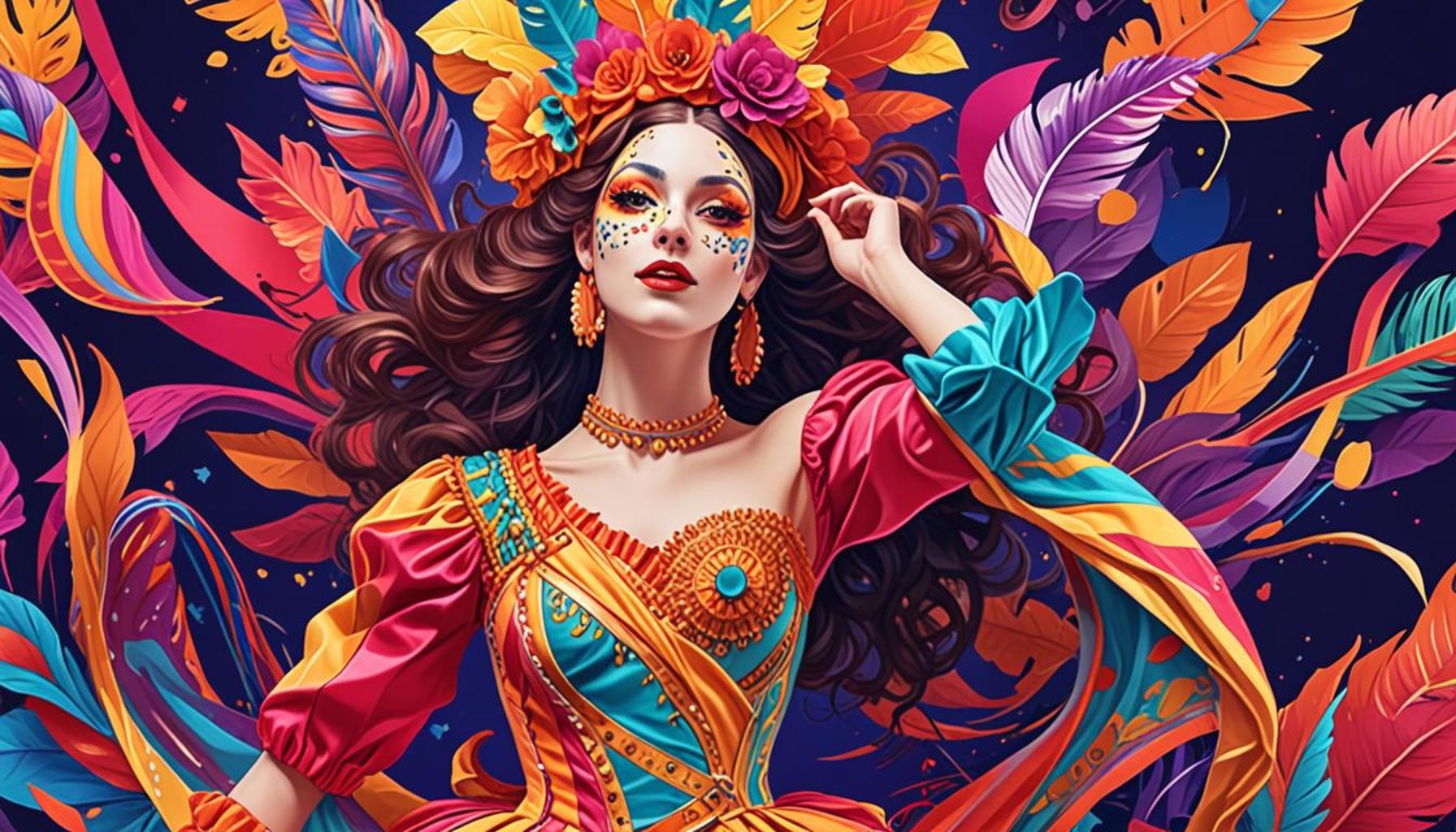
Costumes in the performing arts are far more than clothing; they are intricate elements that help bring stories to life on stage. A thoughtfully designed costume can reveal volumes about a character’s traits, motivations, and societal standings, serving as a visual shorthand that enhances the overall narrative. Moreover, as audiences engage with performances, it is often the striking costumes that help anchor them in the world the playwright or choreographer has crafted.
Character Development
Costumes help define a character’s personality and background. For instance, in a classic play like Arthur Miller’s “The Crucible,” the choice of simple, puritan attire captures the strict and oppressive societal norms of the time, helping audiences understand the gravitas of the characters’ decisions. In contrast, a play like “The Great Gatsby” employs extravagant 1920s fashion to embody the opulence and recklessness of the Jazz Age, allowing the audience to grasp Jay Gatsby’s lavish lifestyle and unyielding aspirations.
Time and Place
Costumes establish the historical context, transporting audiences to different eras. Consider the lavish costumes of the Broadway musical “Hamilton” that skillfully blend modern elements with historical accuracy. This innovative approach not only connects contemporary audiences to the American Revolution but also emphasizes the timeless struggle for freedom and equality. In cinema, films like “Dunkirk” exemplify this principle with period-accurate uniforms that document the harrowing events of World War II, making history palpable.
Emotional Tone
The emotional landscape of a performance is often shaped by the costumes worn by the characters. Colors, textures, and styles evoke feelings and set the mood. For example, the use of bright, vivid colors in productions like “The Lion King” can create a sense of joy and wonder, while subdued tones may lend a more somber atmosphere to a drama. Similarly, the contrasting use of heavy fabrics in a heavy drama compared to lighter materials in a comedy can reflect the underlying emotional currents of the characters and the story itself.
Cultural Significance
Costumes also have a profound cultural significance, reflecting diverse themes and traditions that enrich the narrative. Productions featuring traditional attire, like “The King and I,” not only provide visual delight but also educate audiences on cultural heritage and practices. These costumes often serve as a bridge between performers and the audience, fostering a deeper understanding of various cultural backgrounds and generating discussions around representation and authenticity.
Visual Impact
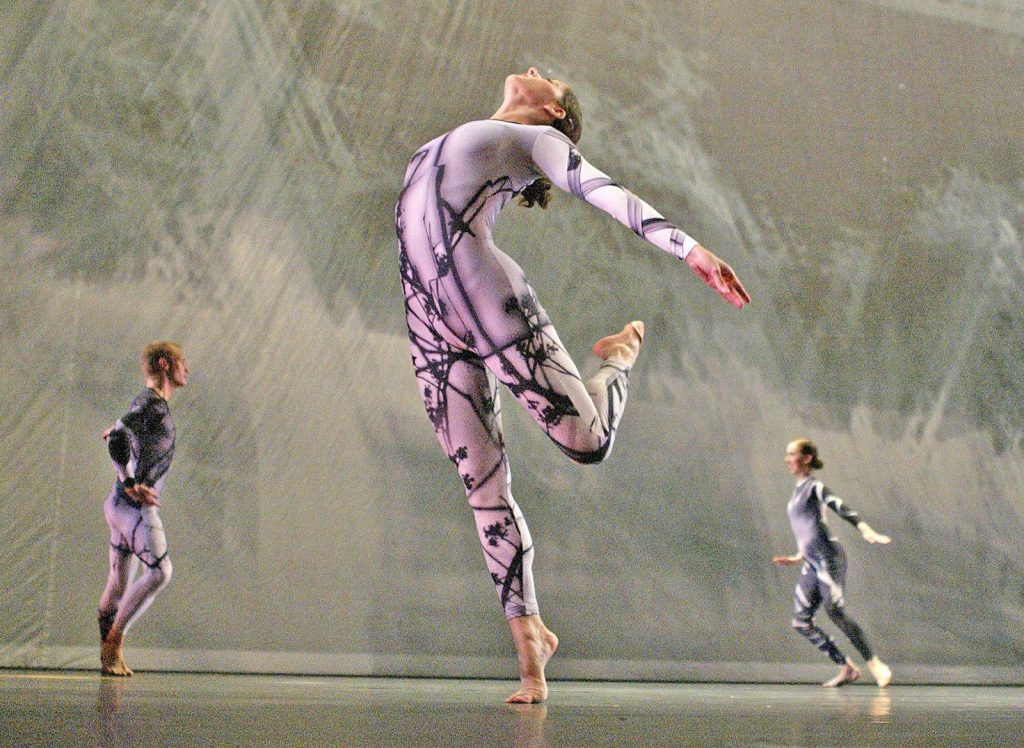
The visual appeal of a production is heightened by eye-catching designs that captivate audiences and elevate performances to a new level. Iconic costumes, such as the shimmering red dress worn by Dorothy in “The Wizard of Oz,” become symbols that transcend the performance itself, embedding themselves into the cultural consciousness. The same can be said for the elaborate costumes in “Cirque du Soleil,” where vibrant colors and avant-garde designs not only enhance the acrobatics but also create an enchanting world that leaves viewers spellbound.
In conclusion, costumes are an indispensable aspect of performing arts. They offer a multifaceted layer of meaning that enhances character development, sets historical contexts, evokes emotional responses, speaks to cultural significance, and creates visual masterpieces that resonate with audiences. As creative expressions, they unite the visions of designers and performers, illustrating the profound impact of costume design on storytelling. The next time you witness a performance, consider how the costumes contribute to the breathtaking tapestry of the narrative, making the experience all the more unforgettable.
DISCOVER: Click here to learn how art can boost your well-being
The Transformative Power of Costumes
Costumes play a transformative role in the performing arts, not merely serving as fabric draped on a body, but as a vital visual expression that conveys meaning and emotion. Each stitch, color, and design choice weaves a narrative that enhances the storytelling experience. In theatrical productions, ballet performances, and even modern dance, costumes are essential tools that facilitate the connection between the audience and the characters, making them integral to the art form itself.
Symbolism and Narrative Depth
Costumes act as symbols that encapsulate complex themes and character evolution. For instance, in Shakespeare’s “Romeo and Juliet,” Juliet’s costumes transition from youthful innocence in lighter fabrics to more somber hues as the tragic events unfold. This shift not only mirrors her emotional journey but also cues audiences to the deeper undercurrents of loss and longing that define the narrative. Similarly, in contemporary productions such as “Hamilton,” the blend of modern hip-hop attire with historical costumes signals a fusion of past and present, allowing audiences to perceive historical figures through a contemporary lens.
A Stage for Cultural Reflection
Beyond individual characters, costumes can serve as a canvas for cultural storytelling. Productions that explore diverse cultures—such as “Aladdin” or “Mamma Mia!”—often feature costumes that highlight the rich tapestry of traditions and histories. These garments not only enhance visual appeal but also allow performers to celebrate and honor the heritage they represent. The meticulous attention to detail in recreating authentic attire fosters conversations about cultural sensitivity and representation within the performing arts landscape.
Effective Use of Color and Texture
Color and texture are powerful tools used by costume designers to forge emotional connections. Research in psychology shows that colors can evoke specific feelings. For example, red is commonly associated with passion or danger, while blue can evoke calmness and serenity. In productions such as “West Side Story,” the vibrant colors of the costumes emphasize the characters’ passions, dreams, and the stark reality of their struggles. Likewise, the textures used—whether sheening satin or coarse burlap—can suggest class distinctions, emotional states, or even signify a character’s journey throughout the performance.
Elements of Costume Design
- Fabric Choices: Different materials convey different messages about a character’s status or personality.
- Accessorization: Accessories can highlight character traits or signify relationships, providing a deeper understanding of interpersonal dynamics.
- Layering: The ability to add or remove layers during a performance can symbolize character development or change, adding another dimension to the narrative.
As we peel away the layers of costumes in the performing arts, it becomes evident that these elements are not simply decorative; rather, they are robust expressions that contribute to an engaging narrative experience. Through careful selection, design, and execution, costumes become powerful instruments that elevate performances, enabling audiences to connect with the emotional and thematic essence of the work. The next time you attend a show, remember to take a moment to appreciate the intricate artistry that costume design embodies, as it plays a fundamental role in bringing stories to life.
| Category | Description |
|---|---|
| Visual Storytelling | Costumes help to visually narrate stories, providing context and depth to characters and settings. |
| Character Development | Costumes enhance character identity, allowing performers to embody their roles more completely. |
| Cultural Representation | Costumes often reflect cultural heritage, providing insights into diverse theatrical traditions. |
| Audience Engagement | Visual elements of costumes captivate audiences, evoking emotions and enhancing the overall experience. |
In the vibrant world of performing arts, costumes play a crucial role beyond mere aesthetics. They serve as powerful tools for visual storytelling, allowing the audience to immerse themselves in different narratives. Each piece is strategically designed to convey specific emotions, time periods, and cultural backgrounds, enriching the viewer’s understanding. Furthermore, costumes are integral to character development; they not only define a character’s identity but also enable actors to portray their roles authentically.Additionally, costumes embody cultural representation, showcasing the rich tapestry of traditions that different performances draw upon. This aspect not only honors the roots of various theatrical forms but also invites the audience to appreciate diverse expressions of art. As a result, when costumes are expertly crafted, they enhance audience engagement, capturing attention and emotions, thereby elevating the entire theatrical experience. By understanding the significance of costumes, one can truly appreciate their role as a vital element of visual expression in the performing arts.
DISCOVER MORE: Click here for creative insights
The Cultural Significance of Costumes
Costumes in the performing arts are not only vital visual elements but also serve as significant cultural signifiers that provide insights into the societies and eras they represent. The choices made by costume designers are often laden with cultural meaning, reflecting the values, beliefs, and traditions of the characters portrayed on stage. This cultural embedding gives audiences an opportunity to engage with the deeper aspects of the performance while appreciating the artistry involved in costume creation.
Historical Context and Authenticity
The portrayal of historical characters requires a meticulous approach to costume design, as accuracy can profoundly impact a production’s authenticity. For example, the Broadway musical “1776” showcases the fashion of the American Revolutionary War, with costumes that carefully reflect the styles of the time, allowing audiences to immerse themselves fully in that pivotal era of American history. Such details not only enhance the realism of performances but also spark a curiosity in viewers about the cultural and historical context of the era. This engagement often leads the audience to explore the underlying themes of struggle and freedom more deeply, connecting the past to present societal challenges.
Costumes as a Reflection of Social Themes
Costumes also serve to communicate social themes that resonate with audiences. In productions such as “The Color Purple,” costume choices reflect the characters’ socioeconomic statuses, emotional arcs, and cultural backgrounds. The evolution of Celie’s clothing from muted colors to vibrant patterns parallels her journey towards self-empowerment and self-acceptance, serving as a visual metaphor for her transformation. By utilizing costumes to underscore themes of oppression, resilience, and liberation, designers not only enhance the narrative but also encourage critical dialogue about societal issues, enabling viewers to reflect on their own experiences.
Modern Trends in Costume Design
In contemporary performing arts, there is an ongoing movement towards innovative costume design that combines technology with traditional techniques. Designers are increasingly utilizing fabrics integrated with LED technologies to create costumes that can change colors or patterns in real-time, as seen in productions such as “The Lion King” on Broadway. Such advancements not only heighten the visual experience for the audience but also allow for a dynamic layering of meaning that can shift throughout the performance. Additionally, costume rental services and sustainability initiatives are encouraging the use of recycled materials, fostering a conversation about ecological responsibility within the performing arts.
Integration of Dance and Costuming
The intersection of dance and costume design presents a unique opportunity for expression and movement. In ballet, for example, a dancer’s costume isn’t just a visual enhancement; it must also allow for the freedom of movement that is crucial to the choreography. Tulle skirts and fitted bodices allow classical ballet dancers to achieve their fluid movements while remaining visually striking. The iconic tutus of “Swan Lake” not only establish a character’s grace and fluidity but also accentuate the physical storytelling that ballet embodies. As such, costume design in dance is inherently tied to the technical demands of performance, merging aesthetics with functionality in a harmonious balance.
The intricate world of costume design in the performing arts goes beyond the aesthetic; it is a profound form of visual expression that encapsulates historical context, social themes, and the very essence of a performance. As audiences delve deeper into these choices, they uncover layers of meaning that enrich their experience, making costumes a compelling subject of exploration within the vast landscape of performing arts.
DISCOVER MORE: Click here to learn how theater and dance can transform lives
Conclusion: The Enduring Impact of Costumes in the Performing Arts
In summary, the role of costumes in the performing arts extends far beyond mere aesthetics; they are integral to the storytelling process, cultural representation, and emotional resonance of a production. As we have explored, costumes serve not only as visual adornments but also as profound symbolic tools that communicate historical context, reflect social themes, and enhance the narratives unfolding on stage. They invite audiences to engage more deeply with the characters and their journeys, bridging the gap between performance and real-life experiences.
As costume design continues to evolve with technological innovations, it opens new avenues for artistic expression and audience engagement. The fusion of traditional craftsmanship with modern materials and techniques elevates the visual dynamics of performances, allowing for immersive experiences that captivate viewers. Furthermore, the increasing emphasis on sustainability within costume production reflects a growing awareness of environmental issues within the arts community, prompting a critical conversation about the intersection of creativity and responsibility.
Ultimately, the significance of costumes in the performing arts cannot be understated. They encapsulate the very essence of visual expression that powerfully communicates narratives, cultural heritage, and social consciousness. As audiences continue to appreciate the artistry involved in costume creation, they are inspired to reflect on the deeper meanings behind the visual choices made. The next time you attend a performance, take a moment to consider how the costumes contribute to the overall experience, and you may find yourself discovering layers of significance that enrich your understanding of the art form itself.