How Performing Arts Stimulate Creativity in Children
Engaging in Performing Arts: A Pathway to Creativity
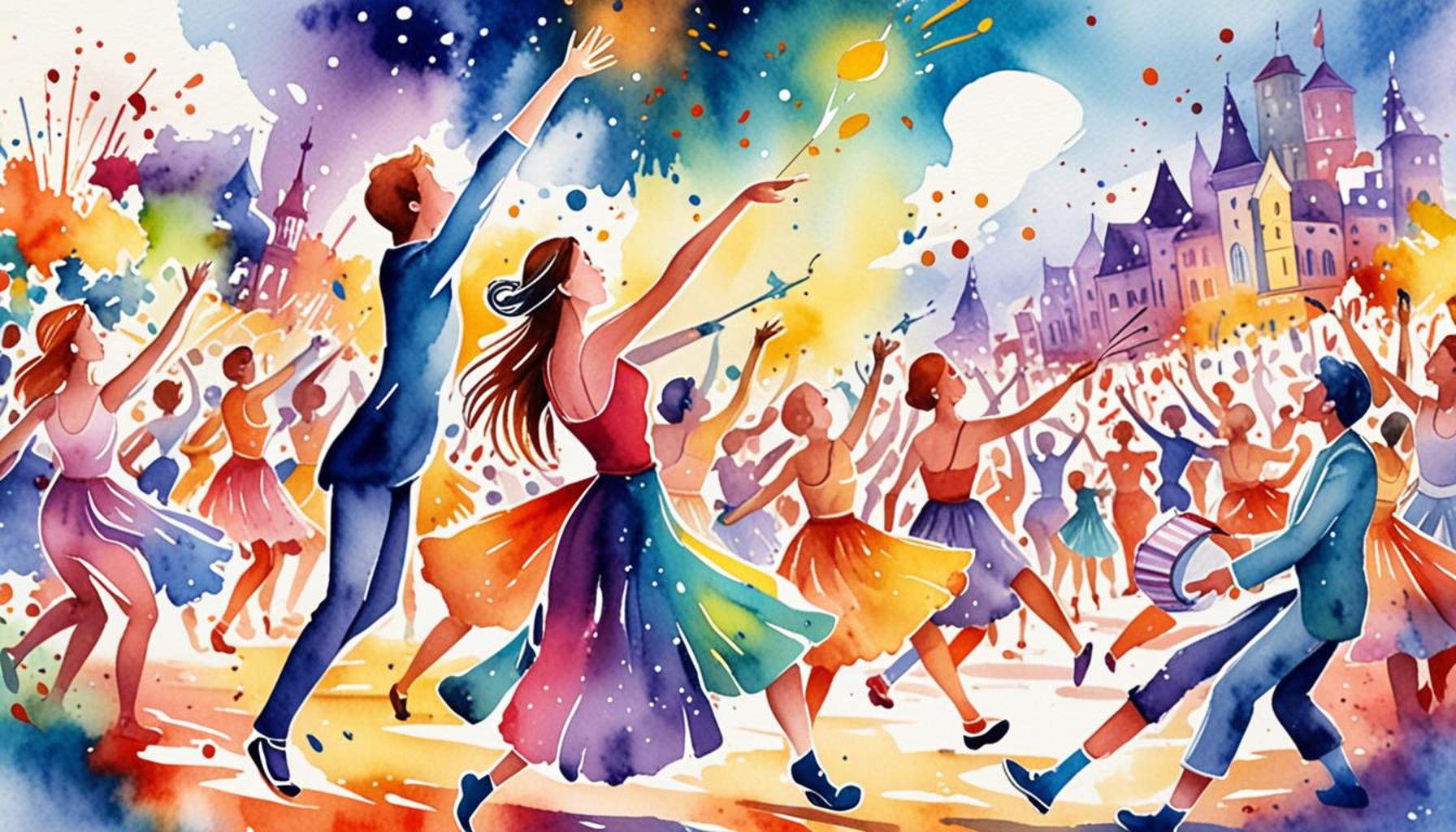
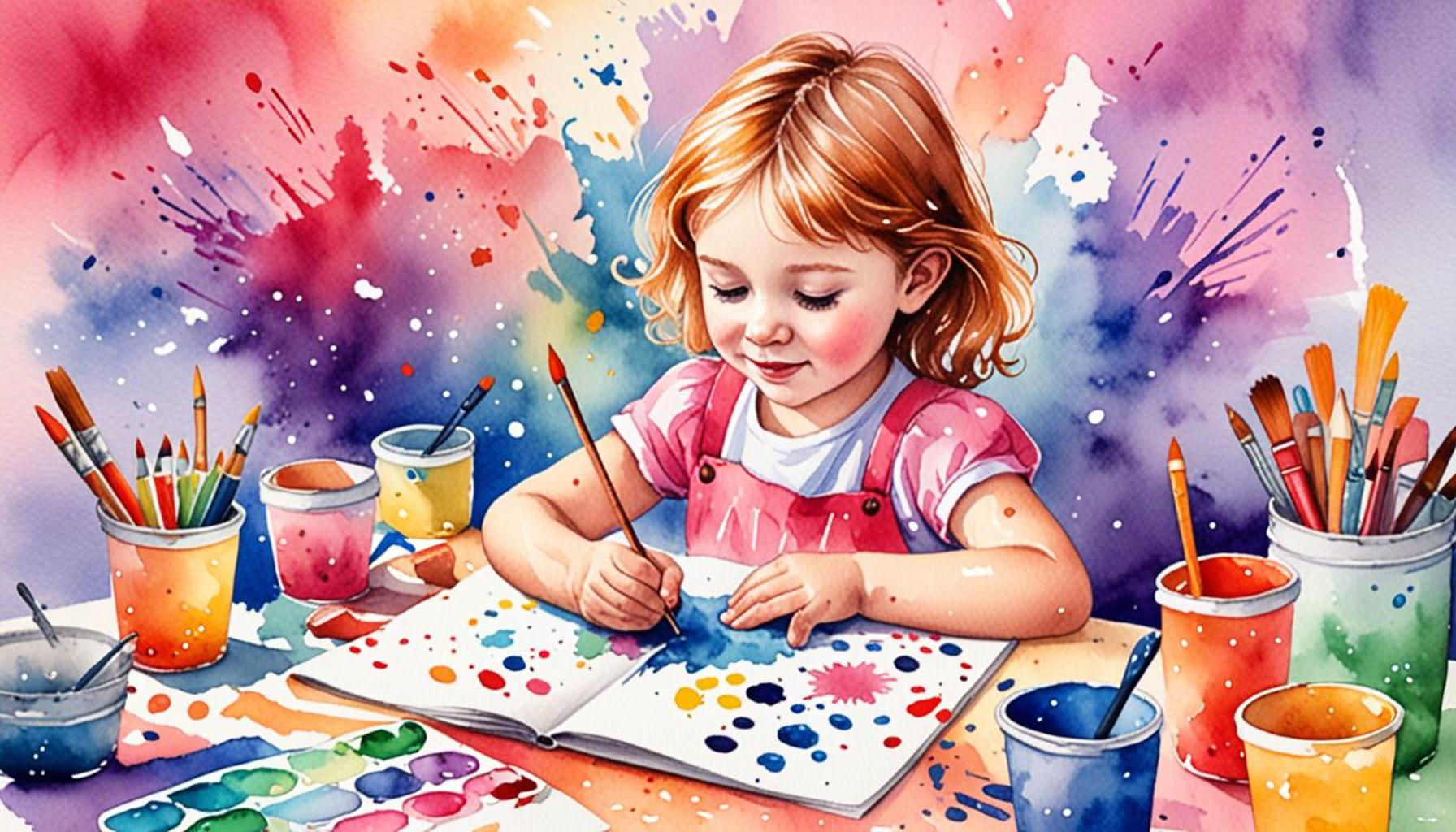
Engaging in performing arts presents a vibrant avenue that nurtures creativity in children. This dynamic form of expression not only allows kids to explore their imaginations, but it also fosters the development of essential skills. The interplay of music, dance, drama, and creative movement enriches both cognitive and social development. It encourages children to think creatively and approach challenges with a novel perspective.
Benefits of Performing Arts for Children
- Self-Expression: One of the most significant benefits of engaging in performing arts is the opportunity for children to communicate their feelings and thoughts creatively. Activities like writing scripts or composing music allow them to articulate their unique perspectives. For instance, during a school play, children often draft their own lines, thus enhancing their ability to express complex emotions.
- Problem-Solving: Participation in the arts encourages innovative thinking when faced with challenges. Whether it’s figuring out how to convey a character’s motivation or collaborating with peers to choreograph a dance, these experiences foster critical thinking skills. A child might encounter an unexpected hurdle, such as a missing prop, and need to devise a solution on the fly—all valuable skills for real-world situations.
- Collaboration: The nature of performing arts requires teamwork, teaching children the value of cooperation. From rehearsals to final performances, children learn how to work together, share responsibilities, and rely on each other’s strengths. This collaborative spirit can translate into other areas of life, helping them succeed in both academic and social settings.
- Emotional Intelligence: Through engaging with various characters and narratives, kids gain a deeper understanding of different emotional states, ultimately enhancing empathy and emotional awareness. By stepping into someone else’s shoes, they learn to appreciate diverse perspectives—an essential skill in today’s interconnected society.
Research consistently shows that children involved in the performing arts tend to exhibit improved academic performance alongside their enhanced creative abilities. For instance, studies indicate that participation in drama and music programs can lead to higher scores in subjects such as math and literacy. Events like school plays or community theater provide children with a platform to showcase their creativity and hone their talents. Not only does this stimulate their imagination, but it also equips them to face future challenges in an ever-evolving world.
Furthermore, involvement in the performing arts can also serve as a gateway to broadened opportunities. Many children discover talents they never knew they had, inspiring them to pursue further education in arts, leading to potential careers in entertainment, education, or even therapeutic practices. As parents and educators seek ways to enhance educational experiences, fostering a love for the performing arts may hold the key to unlocking children’s fullest potential.
DIVE DEEPER: Click here to explore the impact of art on mental well-being
Unlocking Imagination Through Diverse Art Forms
Engaging in the performing arts not only encourages children to express their creative instincts, but it also cultivates a rich tapestry of personal and interpersonal skills. The array of activities, ranging from theater performances to music recitals and dance routines, allows children to immerse themselves in diverse forms of communication. Each facet of performing arts contributes uniquely to the overall development of a child’s creativity.
Exploration of Different Art Forms
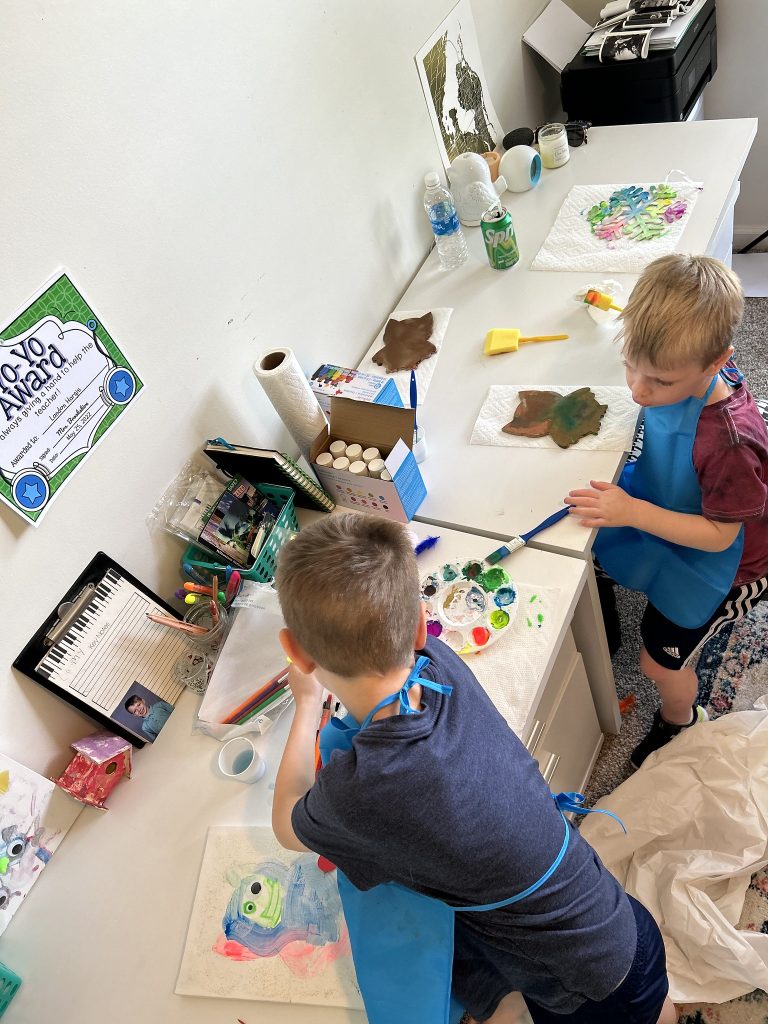
Children thrive when they are granted the freedom to explore various artistic disciplines. Participating in activities such as acting allows them to explore different personas, while music classes offer avenues for auditory expression. Similarly, dancing promotes body awareness and movement creativity. Recognizing their inclination towards a specific art form can foster a sense of identity and belonging.
- Acting: When children engage in acting, they must delve deep into character study, learning to embody different characters’ emotional journeys. This process sparks their creativity as they adapt lines and portray backstories, enabling them to think beyond their own experiences.
- Music: Learning to play an instrument or participate in a choir strengthens their cognitive abilities while allowing for personal expression. The combination of rhythm and melody promotes imaginative thinking, leading to self-composed songs or improvisational performances that showcase their unique ideas.
- Dance: Dance integrates physicality with creativity, compelling children to think visually and use movement to interpret emotions. Whether through structured choreography or freestyle dancing, children learn to communicate without words, enriching their creative vocabulary.
Through participation in these diverse forms of performing arts, children learn valuable life skills that extend beyond the stage. For example, an exploration in theater might inspire a child to write their own play or develop original ideas for storytelling, showcasing a direct link between creativity in performing arts and imagination outside that space. In essence, this engagement not only allows them to think outside the box but also equips them with the agility to adapt to new scenarios.
The benefits of performing arts can also be seen in the way children approach challenges. When they are required to perform in front of an audience or collaborate with peers, they develop resilience and confidence. Exploring emotions through performing arts provides them with the tools necessary to navigate their feelings and express themselves in meaningful ways. As they learn to overcome stage fright or handle criticism, they cultivate a greater sense of self-worth and bravery—essential foundations for any creative endeavor.
Ultimately, the performing arts offer a stage where children can experiment freely with their unique ideas, leading to a benefactor of creativity that enhances their emotional and social well-being. When parents and educators recognize the importance of these experiences, they can encourage children to unleash their imaginations and harness their talents, creating a brighter future where creativity reigns supreme.
How Performing Arts Stimulate Creativity in Children
The transformative power of performing arts on children cannot be underestimated. Engaging in activities such as theater, dance, and music not only enhances their artistic skills but also ignites their creative potential. Through performing arts, children learn to express themselves, collaborate with others, and think critically. These experiences foster an environment where imagination flourishes, ultimately contributing to their overall development.
Research has shown that involvement in the performing arts can improve cognitive abilities. For instance, children participating in drama classes often exhibit better verbal skills and increased ability to empathize with others. This happens because they immerse themselves in different characters, perspectives, and narratives, prompting them to step outside their comfort zones.
Moreover, the performances incentivize children to set personal goals and work diligently towards achieving them, reinforcing their self-discipline and commitment. The stage serves as a safe space for exploration, allowing young minds to take risks and learn from mistakes without the fear of judgment. This exploration cultivates resilience and adaptability, essential traits in today’s ever-evolving world.
| Category | Description |
|---|---|
| Enhanced Creativity | Children explore diverse creative processes, boosting their originality. |
| Social Skills Development | Partnering with peers during performances enhances communication and teamwork. |
Additionally, the physical aspect of performing arts, through dance and movement, offers children an avenue to express emotions and thoughts beyond words. This bodily expression can act as a catharsis, relieving stress and anxiety, which are common in today’s educational environments. By engaging in these activities, children are not merely learning a skill—they are discovering new ways to communicate their feelings, ideas, and interpretations of the world around them.
As the evidence mounts, it becomes increasingly clear that integrating performing arts into educational systems has profound effects. Schools that embrace these programs witness a notable surge in student engagement and motivation. Children who are encouraged to explore their artistic sides not only excel in creativity but also gain confidence and a profound understanding of the significance of collaboration and expression.
DISCOVER MORE: Click here to learn about the future of performing arts
Cultivating Collaboration and Teamwork
One of the most powerful aspects of performing arts is the inherent need for collaboration. In most performing arts environments, children are not just isolated figures working on individual projects; they are part of a larger ensemble or team. This collaborative spirit fosters creativity through shared experiences and joint problem-solving, allowing children to understand multiple perspectives while developing essential social skills.
The Importance of Group Dynamics
When participating in activities like theater productions, music bands, or dance troupes, children soon realize that the success of their performance rests on the collective effort of the group. They must learn to listen carefully to each other, negotiate roles, and provide constructive feedback, prompting them to think more critically about their contributions. This dynamic cultivates creativity through group discussions and brainstorming sessions, where ideas flow freely without fear of judgment.
- Improvisation: Many performing arts programs incorporate improvisational exercises that require quick thinking and adaptability. Children must respond in real-time to their peers, which encourages spontaneous creativity and out-of-the-box thinking. This skill is beneficial not just in performance settings but in everyday life as well, as it fosters a “yes, and…” mentality, allowing children to build upon each other’s ideas.
- Role Reversal: Participation in group arts projects often leads to scenarios where children must step into each other’s shoes, quite literally. By swapping roles, they gain insights into different characters or musical parts, expanding their understanding and empathy. This exposure to alternative perspectives enhances their overall creativity by fostering a mindset that is open to change and innovation.
- Conflict Resolution: Collaborative efforts in performing arts inevitably lead to disagreements or conflicts. Navigating these situations requires children to communicate effectively and find common ground. Learning to resolve disputes amicably inspires creativity by encouraging children to articulate their thoughts and negotiate solutions. This process is invaluable in fostering a culture of respect and understanding where diverse ideas can flourish.
The growth of interpersonal skills through performing arts extends into academic settings as well. Research shows that children involved in arts programs often exhibit higher levels of engagement in school and improved academic performance. A study conducted by the Arts Education Partnership found that students involved in theater showed increased overall literacy skills, boosting their ability to articulate thoughts and enhance their expressive capabilities in writing and public speaking.
Moreover, developing creativity through performing arts prepares children for success in the workforce. The ability to work collaboratively, think critically, and communicate effectively is crucial in today’s job market, where employers highly value creativity and adaptability. By experiencing performing arts firsthand, children can carry forward these critical skills, becoming more innovative and versatile individuals who can navigate challenges with confidence.
As children find their voices amidst the music, drama, and dance, not only do they nurture their artistic identities but they also lay the groundwork for a future rich in creativity and collaboration. By engaging with the performing arts, they learn that creativity is not merely about individual talent, but is often rooted in the results of cooperative efforts, shared visions, and the beauty of diverse contributions coming together to form something unique.
DIVE DEEPER: Click here to learn how technology is transforming music
Conclusion: Unlocking a World of Creativity
In summary, the performing arts play a crucial role in stimulating creativity in children by providing them with opportunities to explore, collaborate, and innovate in a supportive environment. Engaging in activities like theater, dance, and music not only enables children to express their emotions and thoughts but also fosters a deeper understanding of teamwork and communication. Through collaboration, students learn to appreciate diverse perspectives, enhancing their creative problem-solving skills while preparing them for future challenges in both academic and professional settings.
The transformative power of performing arts lies in their ability to encourage children to think critically and adaptively. By participating in improvisational exercises or role reversals, they cultivate an openness to experimentation and exploration, laying the foundation for lifelong learning and curiosity. Furthermore, the skills gained through navigating group dynamics—such as conflict resolution and effective communication—are essential in today’s interconnected world, where creativity and adaptability are increasingly sought after by employers.
As we continue to advocate for the integration of performing arts into educational curriculums, it is essential to recognize that creativity is not a solitary journey but a collective endeavor. By celebrating collaboration in the arts, we empower children to develop their artistic identities and foster a vibrant community of innovative thinkers. In doing so, we not only enrich their lives but ultimately pave the way for a future marked by creativity, resilience, and the joy of expressing one’s unique voice in an ever-evolving world.