Exploring the Intersection of Dance and Technology: Innovations on Stage
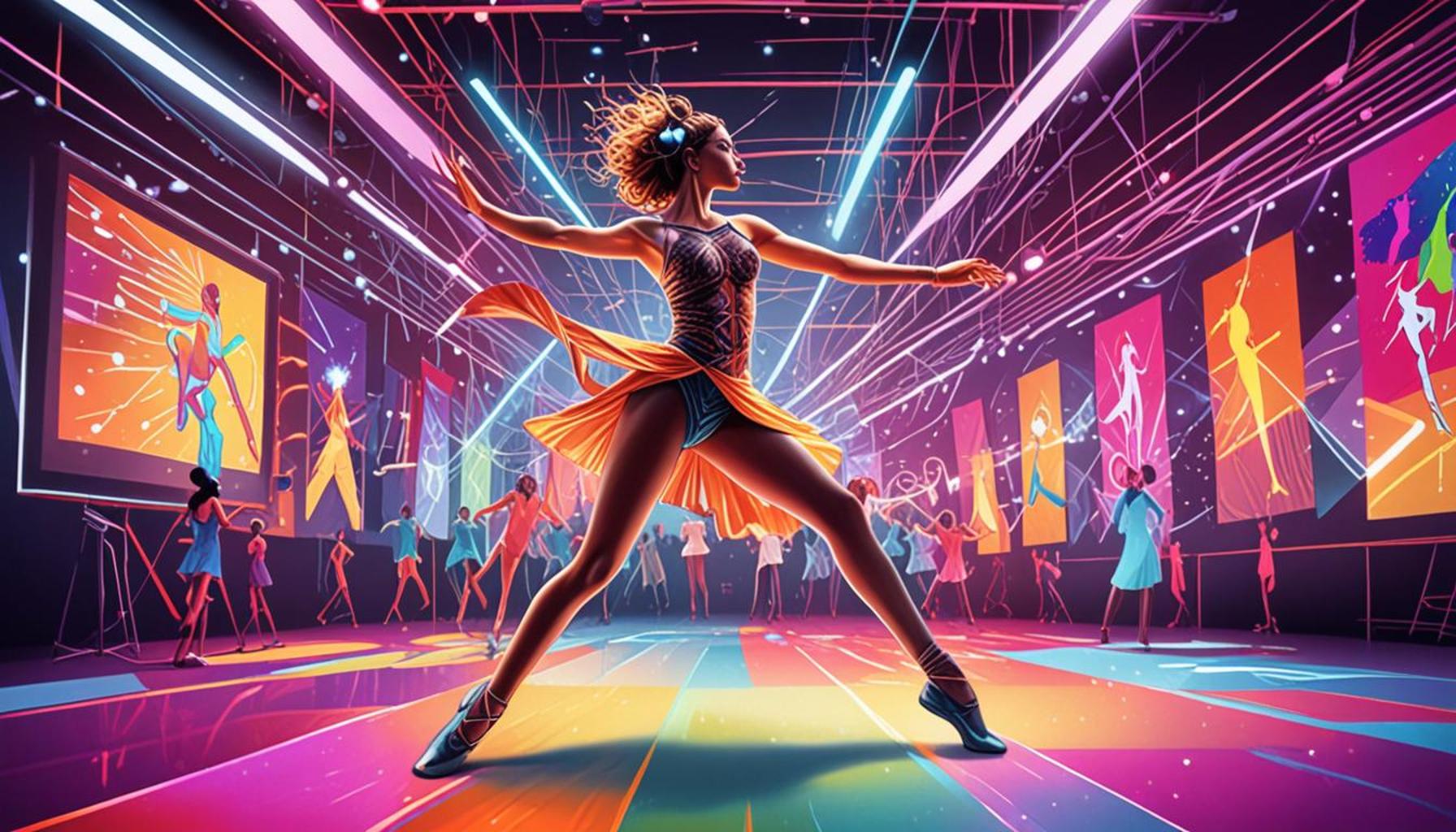
Transformative Technologies in the World of Dance
The evolution of dance in recent years has been nothing short of revolutionary. With technological advancements rapidly shaping the landscape of performance art, choreographers and dancers are now experimenting with tools that enable them to blend traditional movement with modern innovations. This transformative relationship not only enhances the overall aesthetic of performances but also redefines how audiences engage with art.
Key Innovations Shaping the Dance Landscape
Several groundbreaking technologies are currently influencing the world of dance, each offering unique opportunities for artistic expression:
- Virtual Reality (VR): Immersive environments allow dancers to engage with audiences in entirely new ways. For example, VR platforms like Oculus have enabled artists to create fully immersive dance experiences where viewers can enter a digital theatre and explore performances from different angles. This not only alters the way the audience perceives dance but also expands the narrative possibilities for choreographers.
- Augmented Reality (AR): Enhances live performances by overlaying digital imagery onto the physical stage. Dancers can interact with animated backgrounds or visual effects that enhance their movements, as seen in productions like “The Future of Dance,” where AR projections dynamically shift according to the dancers’ routines, creating a stunning fusion of reality and animation.
- Wearable Technology: Devices that track movement and feedback can create interactive experiences. Innovations like smart fabrics equipped with sensors can analyze a dancer’s performance in real-time, providing feedback that helps artists refine their technique. Works featuring wearables, such as the “Heartbeat Dance Project,” allow audiences to witness how a dancer’s movement can literally change the visual output based on their physical exertion.
- Projection Mapping: Transforms stage spaces with dynamic visual effects that respond to choreography. This technique can be seen in productions such as “Transcendence,” where the stage becomes a shifting landscape, adapting and reacting to the dancers’ movements, providing a mesmerizing visual backdrop that tells its own story.
As artists increasingly embrace these innovative tools, they are redefining not only the physicality of movement but also the storytelling potential within a performance. The intersection of dance and technology opens up exciting new avenues for creative expression, allowing artists to engage with their audiences on a deeper level. This paradigm shift in performance art raises intriguing questions about the future of dance—what more can choreography accomplish when combined with digital innovation? As the lines between reality and technology blur, one thing is clear: the future of dance is both exciting and ever-evolving.
DISCOVER MORE: Click here to learn about the value of manual skills
Pioneering Collaborations Between Choreographers and Tech Experts
As dance continues to evolve, the synergy between choreographers and technologists has grown increasingly vibrant, leading to remarkable advancements in stage productions. This collaboration is inspiring new choreographic methodologies that embrace not just the physicality of dance but also the cutting-edge tools that enhance performance dynamics. Choreographers are no longer limited to traditional methods but are now inviting professionals from diverse fields, such as computer programming, multimedia design, and even artificial intelligence, to contribute to their creative processes.
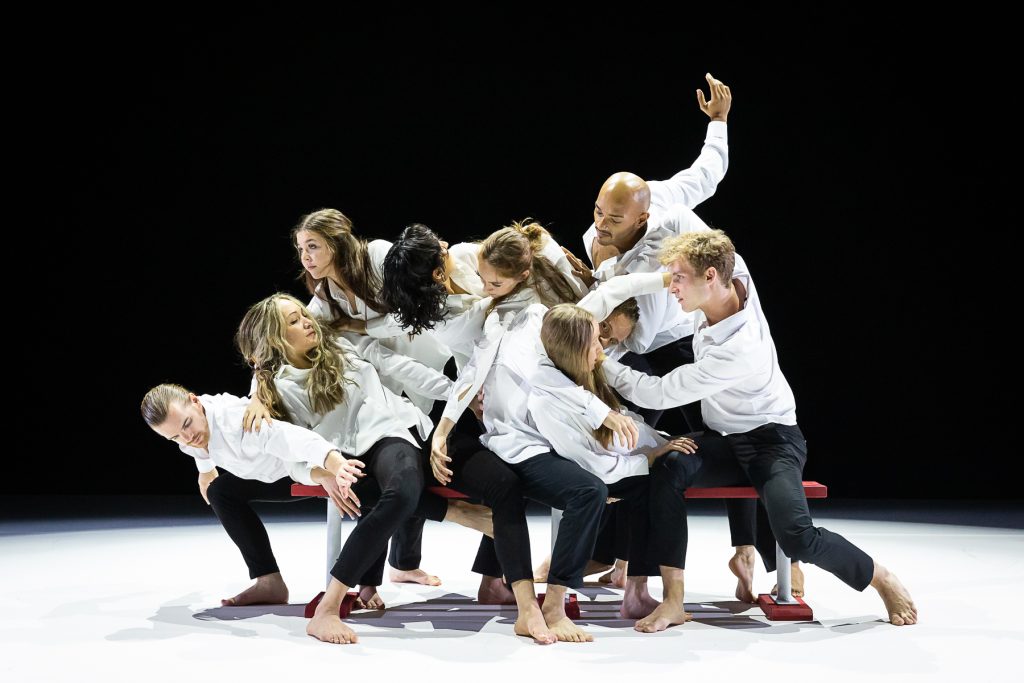
Innovative companies and collectives are emerging across the United States, focusing on this blend of dance and technology. Productions like “Algorithm” created by the acclaimed digital art collective, “Robo-Dance House,” explores the interplay between movement and machine learning. Through a partnership with AI developers, dancers engage in a choreographic dialogue with an algorithm that adapts in real-time based on their movements, resulting in a unique performance experience that evokes a fascinating interplay between human intuition and artificial intelligence.
Engaging Audiences with Multimedia Storytelling
Another significant avenue where dance meets technology is in the realm of multimedia storytelling. Dance performances are transcending the traditional stage format, integrating video projections, sound design, and narrative structures that resonate with contemporary audiences. Artists leverage digital storytelling techniques to foster deeper emotional connections and comprehension of artistic intent.
- Interactive Installations: Productions like “Dancer’s Dream” invite audience members to use handheld devices to select and influence the course of the performance, allowing for a participatory experience that blurs the boundaries between spectator and performer.
- Filmed Artistry: Dance films are gaining traction as a distinct art form, utilizing cinematic techniques to showcase choreography in unique environments. The acclaimed short film “Fluid Motion” illustrates this concept, emphasizing how film captures the nuances of movement in ways that live performance cannot.
- Social Media Engagement: Platforms like Instagram and TikTok have become vital spaces for dancers to showcase their skills and create dance challenges that spark viral moments. This not only democratizes dance but also serves as a means to reach wider audiences, fostering conversations around performance art in the digital age.
This transformation underscores a powerful trend: audiences are now positioned as active participants in the experience of dance. As these multimedia narratives unfold, they prompt viewers to reconsider preconceived notions of what dance can encompass, as well as challenging the traditional hierarchy of the observer and the observed. The integration of technology in dance is not just a trend but rather a profound evolution in how stories are told through movement.
As this innovative wave continues to gain momentum, one must ponder how these advancements will shape the very fabric of dance in the future. Will we see more immersive experiences where technology reinvents choreography, or will the bond between movement and technology evolve into something entirely new? The possibilities are as limitless as the creativity that fuels them.
| Innovative Technology | Impact on Dance |
|---|---|
| Motion Capture | Enhances choreography by allowing dancers to visualize their movements in real-time. |
| Augmented Reality (AR) | Creates immersive environments that change the way audiences experience performances. |
| Wearable Technology | Tracks dancer’s health metrics, allowing for tailored training and performance optimization. |
| Projection Mapping | Transforms stages into dynamic visual presentations, complementing the physical choreography. |
| Interactive Software | Facilitates real-time collaboration between choreographers and tech artists, pushing creative boundaries. |
The interplay of these technologies not only redefines the artistic expression found in dance but also enhances audience engagement, making performances more captivating and memorable. As productions leverage innovations like motion capture and augmented reality, viewers can enjoy a harmonious blend of the physical and digital realms. Moreover, the introduction of wearable technology offers dancers insights into their performance metrics, fostering healthy practices while pushing the envelope of human movement. Each technological advancement constructs an integrated experience that elevates the traditional stage and reimagines the possibilities of live performances. Such developments are paving the way for a future where dance and technology are inextricably linked, creating a new paradigm in the performing arts that invites further exploration and discovery.
DISCOVER MORE: Click here to unlock your creativity
Immersive Experiences through Virtual and Augmented Reality
As we further explore the intersection of dance and technology, the introduction of virtual reality (VR) and augmented reality (AR) is revolutionizing the way audiences experience dance performances. These technologies not only enhance performances but also create entirely new avenues for storytelling and audience engagement. With the ability to transport spectators into vibrant, digitally-enhanced environments, VR and AR are expanding the possibilities of stage design and narrative immersion.
Projects such as “VR Ballet,” developed by an innovative collaboration between choreographers and virtual reality designers, allow audiences to step inside a choreographed world where they can interact with performers and the environment. Audience members don VR headsets and are placed in the middle of the action, discovering the nuances of movement and emotion from multiple perspectives. This multidimensional approach provides an unprecedented level of intimacy and connection to the artistry of dance, encouraging viewers to experience performances more personally than ever before.
Data-Driven Movement and Wearable Technology
Another fascinating development in the dance-technology landscape is the integration of worn sensors and data analytics into choreography and production. Dancers can wear motion capture devices that track their movements in real-time, providing choreographers with detailed insights into movement patterns and performance improvements. This data-driven analysis aids in refining choreography and can lead to the creation of more intricate, dynamic performances that leverage the full range of a dancer’s abilities.
- Real-Time Feedback: Through systems that record and analyze data such as speed, balance, and form, dancers can receive immediate feedback during rehearsals. Companies like “Future Dance Lab” utilize this technology to help dancers enhance their skills and reduce the risk of injury.
- Interactive Performances: The “Kinetic Data Dance” project employs wearable technology that allows the audience to influence the choreography itself, prompting a live, responsive performance that changes based on viewer reactions, creating a unique experience every time.
- Choreographic Notation Software: New programs are emerging that help choreographers notate movement using digital tools. This innovation provides an interactive medium for documenting and sharing choreographic works, making it easier to preserve and pass on dance traditions.
This intersection of dance with wearable technology and data science brings a unique dimension to performance art, enabling artists to experiment further with the parameters of movement. The incorporation of these technologies encourages a breakdown of traditional dance forms, inviting exploration beyond existing boundaries.
Moreover, as artists embrace smart fabrics and light-responsive textiles, choreography can now incorporate visual elements that respond dynamically to a dancer’s movements. These advancements create striking visual spectacles that captivate audiences and amplify the emotional resonance of each performance. As such innovative intersections continue to unfold, dance is evolving into a medium that transcends the stage, blurring the lines between the physical and digital realms of artistic expression.
In embracing these technological advancements, the dance community is not only redefining aesthetics but also challenging conventions around performance, audience interaction, and the very essence of what constitutes dance. The future appears promising as creative minds continue to explore and utilize technology to shape new dance narratives that resonate with contemporary audiences.
DISCOVER MORE: Click here for therapeutic writing activities
Conclusion: The Future of Dance in a Technological Landscape
As we delve into the innovative realm where dance meets technology, it becomes increasingly clear that these advancements are not merely enhancing performances, but are fundamentally reshaping the art form itself. The integration of virtual reality and augmented reality not only brings a fresh perspective to storytelling but creates immersive experiences that forge a deeper connection between artists and audiences. Technology, such as wearable sensors and data analytics, enables dancers to push their physical boundaries and redefine traditional choreography, opening up exciting new pathways for exploration.
As innovative projects continue to emerge—ranging from interactive performances that respond to audience input to advanced choreographic notation software—the dialogue between dance and technology grows richer. These tools empower artists to experiment, collaborate, and innovate, resulting in performances that transcend the confines of conventional stagecraft. The combination of artistic expression and cutting-edge technology fosters a landscape ripe for experimentation, where fluid movement can coexist with digital artistry, and every performance is an opportunity for a unique narrative journey.
The future of dance holds immense potential as creators boldly embrace the intersection of these fields, continually redefining what dance can be. As we look ahead, it is vital for audiences, artists, and technologists to engage in this evolving conversation. Together, they can explore how technology not only enhances the experience of dance but also facilitates a deeper understanding of movement as a universal language that connects us all. As we witness the evolution of this dynamic relationship, the stage will become an even more vibrant canvas for storytelling and innovation.