The Role of Performing Arts Festivals in Promoting New Talents
The Cultural Significance of Performing Arts Festivals
Performing arts festivals are not merely events on a calendar; they are vital expressions of culture and creativity that resonate deeply within communities. Each year, festivals across the United States highlight an impressive range of artistic talent, bringing together artists from diverse backgrounds and disciplines. By fostering an environment of expression and cultural exchange, these festivals serve as incubators for creativity and innovation.
One of the paramount benefits of these festivals is the networking opportunities they provide. Artists, from musicians to visual performers, gather in these vibrant spaces, often encountering industry veterans such as producers, agents, and talent scouts. For instance, the Newport Folk Festival not only showcases up-and-coming musicians but also invites established artists to share their insights, leading to collaborations that can significantly enhance an artist’s career. Such interactions are often the spark for fruitful partnerships that can elevate emerging artists into the public eye.
Another key feature is the exposure artists receive. Many festivals have strong media partnerships that ensure coverage across various platforms, from local news to social media channels. This generates invaluable publicity for lesser-known artists. For example, festivals like SXSW have historically served as launching pads for lesser-known bands, many of which have gone on to achieve global recognition. The festival atmosphere not only amplifies an artist’s work but also ensures that their innovative performances reach audiences they might not otherwise encounter.
Competitions and Their Impact
Competition plays a central role in many festivals, providing artists a chance to showcase their skills and gain essential recognition. Organizations such as the Olive Garden’s Culinary Institute host challenges for performers, offering significant prizes and opportunities for professional development. Winning a competition at a festival can propel an artist’s career forward, as many past winners have leveraged their success to secure record deals, management contracts, or funding for future projects.
Beyond showcases and competitions, festivals often include mentorship programs, workshops, and engaging panel discussions led by industry experts. These initiatives allow aspiring artists to learn not just about performance art but also about navigating the complexities of the entertainment industry. For instance, workshops at festivals like the American Dance Festival provide hands-on experiences where attendees can enhance their techniques while discussing trends and challenges with established choreographers.
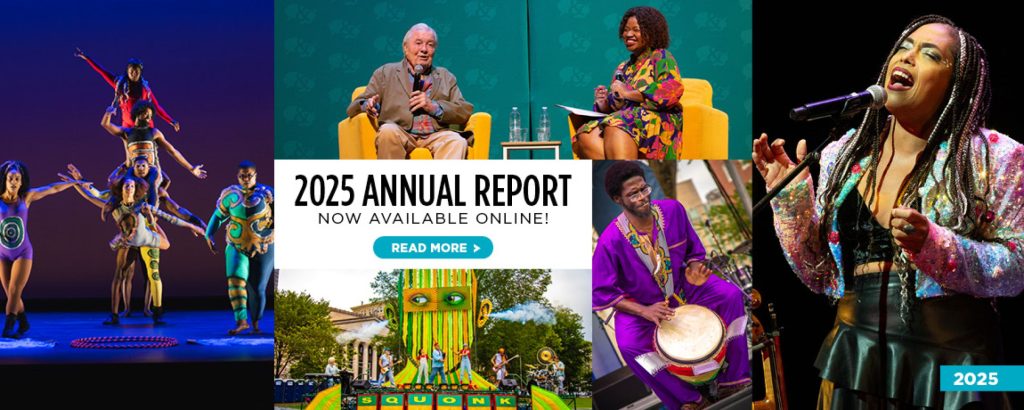
In conclusion, performing arts festivals are more than just platforms for entertainment; they are catalysts for community engagement, artistic development, and cultural expression. As they continue to flourish across the United States, their influence in shaping the landscape of performing arts becomes ever more apparent. By offering critical resources and opportunities for exposure and connection, these festivals ensure that aspiring talents can pursue their passion while transforming it into rewarding careers.
DISCOVER MORE: Click here to dive into crochet techniques and project ideas
Fostering Connections: The Networking Power of Festivals
One of the foremost advantages of performing arts festivals is their ability to cultivate connections among artists, industry professionals, and audiences alike. These events create a unique atmosphere that is conducive to collaboration, allowing new and emerging talents to mingle with seasoned artists, producers, and talent agents. This interconnected web of relationships is crucial for artists seeking to navigate the often complex entertainment landscape.
At festivals like the Boston Calling Music Festival or the Fringe Festival in New York City, countless networking opportunities arise. Performers not only share the stage but engage in casual conversations that can lead to unexpected partnerships. Many artists have credited these informal encounters as pivotal moments in their careers, enabling them to land gigs, secure management, or even collaborate on new projects.
In addition, festivals frequently host showcase events where up-and-coming talents perform in front of industry influencers and audiences eager for fresh entertainment. These showcases are often curated with an eye toward diversity, ensuring that a wide array of voices and styles are represented. The San Francisco International Film Festival, for example, not only features films by emerging filmmakers but also invites industry experts to provide feedback, creating a nurturing environment for artistic growth.
More Than Just Talent: The Importance of Exposure
Exposure is another critical component of performing arts festivals. With extensive marketing efforts and media partnerships, these events amplify artists’ visibility, helping them reach audiences they might not have encountered otherwise. Festivals like Coachella and New Orleans Jazz & Heritage Festival are renowned for drawing large crowds, making them prime platforms for artists to showcase their talents. The vast range of media coverage ensures that performances reach beyond festival attendees, with recordings often circulating on social media and streaming platforms.
Additionally, participating in these festivals provides artists with the chance to develop a dedicated fan base. Engaging performances can leave lasting impressions, inspiring attendees to follow and support emerging talents. This budding fan engagement can turn into real-world opportunities, such as invitations to perform at other festivals or collaboration requests from established acts.
To better understand the vital role of exposure in promoting new talents, consider the following points:
- Wider Audience Reach: Festivals attract diverse crowds, helping artists connect with various demographics.
- Media Coverage: Many festivals partner with major media outlets to ensure that performances receive broadcast or online features.
- Social Media Reach: Performances are often shared and discussed online, amplifying artists’ outreach beyond the festival grounds.
Through these avenues, performing arts festivals become essential milestones in the journeys of many aspiring artists, offering them the platform, exposure, and connections necessary to thrive in a competitive industry. The ripple effects of these opportunities can resonate for years, contributing to the vibrant tapestry of culture and art across the nation.
Performing arts festivals serve as a vital platform for emerging artists to showcase their talents and gain exposure in a competitive industry. These events not only highlight artistic expressions but also create opportunities for up-and-coming performers to connect with industry professionals and potential audiences. At these festivals, various categories of performing arts—including theater, dance, music, and multimedia art—are represented. Emerging talent gets a chance to share the stage with seasoned performers, providing invaluable mentorship and inspiration. Additionally, many festivals offer workshops and panels with industry experts, covering topics such as performance techniques, marketing strategies, and navigating the entertainment landscape. This exchange of knowledge is crucial for nurturing new talent.Moreover, attending a festival can enhance collaboration among artists. Performers can engage in networking activities, leading to partnerships that can amplify their reach and enrich their craft. The exposure gained from participating in these events can lead to further opportunities, such as invitations to collaborate with established organizations or the chance to perform at larger venues.Many festivals are also dedicated to emphasizing diversity and inclusion, showcasing artists from various backgrounds, cultures, and perspectives. This focus on representation can not only enrich the festival experience but also foster social dialogue and understanding within communities. By championing diverse voices, performing arts festivals help to ensure that new talent is not only recognized but celebrated, allowing for a broader spectrum of artistic expression.In summary, the role of performing arts festivals in promoting new talents is multifaceted. These events not only offer platforms for visibility but also contribute to the professional development of artists by fostering connections and encouraging collaboration within the industry. As audiences embrace these festivals, they play a crucial part in the ongoing support and promotion of emerging talents. Below is a table highlighting some key advantages of performing arts festivals in promoting new talent:
| Category | Key Advantages |
|---|---|
| Networking Opportunities | Artists connect with industry professionals and potentially gain mentorship. |
| Exposure | Performers gain visibility that can lead to future opportunities. |
| Diversity Promotion | Festivals highlight diverse talents, enriching cultural representation. |
| Skill Development | Workshops and panels foster professional growth and enhance performance techniques. |
DISCOVER MORE: Click here to learn about the tech shaping tomorrow’s musicians
Access to Resources: The Support Systems at Festivals
Beyond the immediate connections and exposure, performing arts festivals play a crucial role in providing resources that are vital for the development of new talents. Many festivals offer workshops, seminars, and panels led by industry leaders, which delve into various aspects of performance and artistry. These educational opportunities equip aspiring artists with practical knowledge ranging from stage presence and marketing strategies to technical skills.
For instance, the South By Southwest (SXSW) festival not only showcases a diverse array of music and film but also includes extensive networking and professional development sessions. Participants can attend workshops designed by experts in their fields, thus fostering significant improvements in their craft and industry savvy. By empowering new talents with the requisite skills and knowledge, festivals cultivate the next generation of artists who are more confident and well-rounded.
Furthermore, many festivals actively seek to provide financial support through grants, scholarships, and awards specifically aimed at emerging performers. The impact of such backing can be transformative. For example, the Kennedy Center’s American College Theater Festival grants awards that open doors for collegiate artists to present their work and gain valuable industry insights. Such support not only boosts artists’ morale but also alleviates the financial barriers that often impede creative pursuits.
Creative Freedom: The Art of Innovation at Festivals
Performing arts festivals also serve as incubators of innovation where new talents can experiment with their art. Many festivals encourage unconventional and avant-garde pieces that challenge traditional forms and invite audiences to engage with transformative ideas. This creative freedom allows performers to push boundaries, develop unique styles, and showcase their originality in an environment that celebrates artistry.
Events like the Burning Man Festival exemplify this artistic experimentation. Participants are encouraged to create installations and performances that reflect personal and collective expressions. The festival’s ethos of “leave no trace” and radical self-expression motivates artists to take risks with their work—an essential quality for any emerging talent. The result? An enriching and dazzling array of performances that resonate deeply with audiences.
Moreover, festivals often feature a selection of multi-disciplinary performances, merging different art forms like dance, theater, and multimedia. This not only broadens the appeal of the events but also gives artists from varying backgrounds the chance to collaborate and learn from one another. For instance, the Chicago Jazz Festival invites cinematographers, visual artists, and musicians to create a complete sensory experience that captivates audiences, fostering an environment of collaborative creativity.
- Workshops and Panels: Educational sessions featuring industry leaders empower artists with essential skills and knowledge.
- Financial Support: Grants and scholarships available at festivals can help alleviate financial barriers for emerging talents.
- Innovative Showcases: Festivals provide platforms for artists to experiment with new forms and ideas, encouraging creative evolution.
The cumulative effect of these resources highlights how performing arts festivals are more than mere showcases of talent; they are bustling hubs of support, innovation, and opportunity that shape the landscape for new artists in a competitive industry. By providing an array of tools—from networking connections to funding opportunities—festivals are instrumental in nurturing creativity and developing the future stars of the performing arts.
DISCOVER MORE: Click here to learn about the role of online communities in supporting independent music
Conclusion: A Catalyst for Emerging Talents
In summary, performing arts festivals are vital platforms that play a significant role in promoting new talents across various disciplines. These festivals not only provide essential resources, such as workshops, panels, and financial support, but they also cultivate an environment that encourages innovation and creative exploration. By showcasing diverse performances—from theatrical productions to avant-garde visual arts—these events foster a rich tapestry of artistic expression, allowing emerging artists to experiment and discover their unique voices.
The impact on new talents is profound. Participants gain access to invaluable networking opportunities, mentorship from industry veterans, and a space to evolve without the constraints of traditional expectations. This fusion of support and freedom is crucial for nurturing the next generation of creative visionaries in the performing arts sector. Furthermore, festivals encourage cross-disciplinary collaborations, which lead to fresh ideas and hybrid art forms that reflect contemporary societal narratives.
As we move forward, it is essential to recognize and appreciate the transformative power of performing arts festivals in cultivating new artists. They are not merely entertainment spectacles; they are dynamic ecosystems that support, inspire, and challenge upcoming talents to reshape the future of the arts. Engaging with these festivals not only enriches audiences but also ensures that the voices of emerging artists are amplified and celebrated in our cultural landscape. Therefore, attending, supporting, or even participating in festivals can profoundly influence the trajectory of both artists and the wider arts community.