Collaborative Writing: Creating Group Stories as a Form of Creative Expression
The Evolution of Storytelling through Collaboration
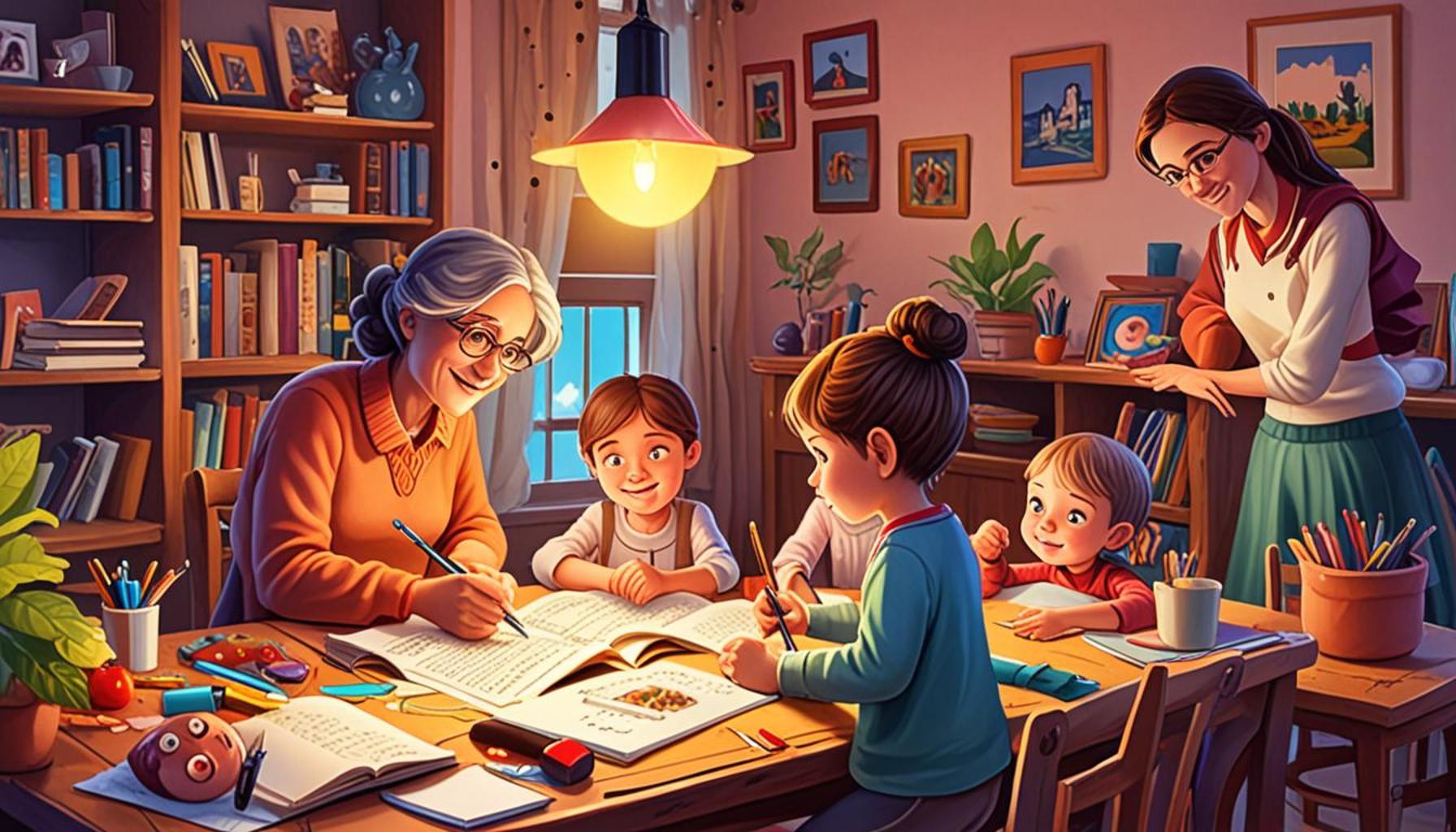
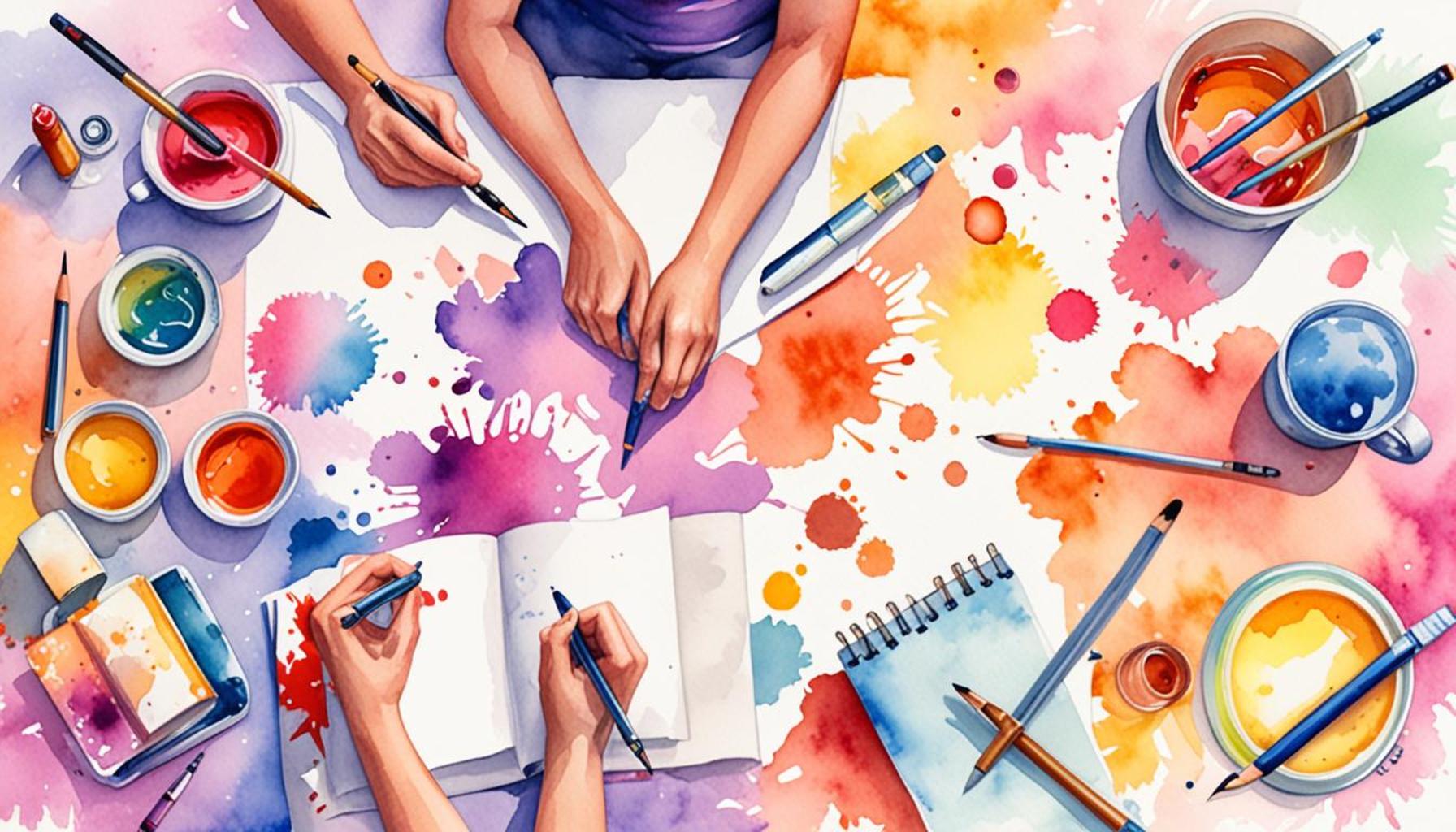
In the landscape of modern storytelling, collaborative writing emerges as a compelling avenue for creative expression. It invites individuals to join forces, combining diverse perspectives and ideas into cohesive narratives. This communal approach is not just a trend; it’s a transformative way to enhance creativity and community in the literary world.
Through collaborative writing, participants can experience a myriad of benefits. One of the most significant is the infusion of diverse perspectives. Each writer brings unique insights shaped by their backgrounds, experiences, and interests. This diversity not only enriches the overall narrative but also makes the story more relatable to a broader audience. For example, a collaborative novel that includes contributors from various cultural backgrounds can illuminate themes of identity and belonging in multifaceted ways, creating a richer reading experience than a single-author work might offer.
Another advantage is the shared responsibility in the writing process. When a group of writers collaborates, the workload is distributed among them, alleviating the pressure that often accompanies solo projects. This division of labor fosters a supportive environment where individuals can share their strengths and benefit from one another’s skills. Writers may find that by collaborating with others, they can overcome personal creative blocks and achieve a collective momentum that can propel the project forward.
Furthermore, the act of brainstorming together can lead to enhanced creativity. Engaging in discussions, exchanging ideas, and building off one another’s suggestions can often spark unexpected and innovative concepts. For instance, in a collaborative writing workshop or a writer’s retreat, participants might devise plot twists or character developments that none of them would have thought of alone.
Many collaborative writing projects thrive on online platforms, allowing writers across the globe to contribute with ease. Wikis, for example, allow users to edit and add content freely, thereby creating a living document that evolves over time. Another popular format is story sharing websites like Wattpad or Archive of Our Own, where writers can co-create stories, receive instant feedback, and build a community of readers and fellow authors. Additionally, social media groups on platforms like Facebook or Discord foster vibrant communities dedicated to writing together, where individuals can share prompts, story ideas, and constructive critiques.
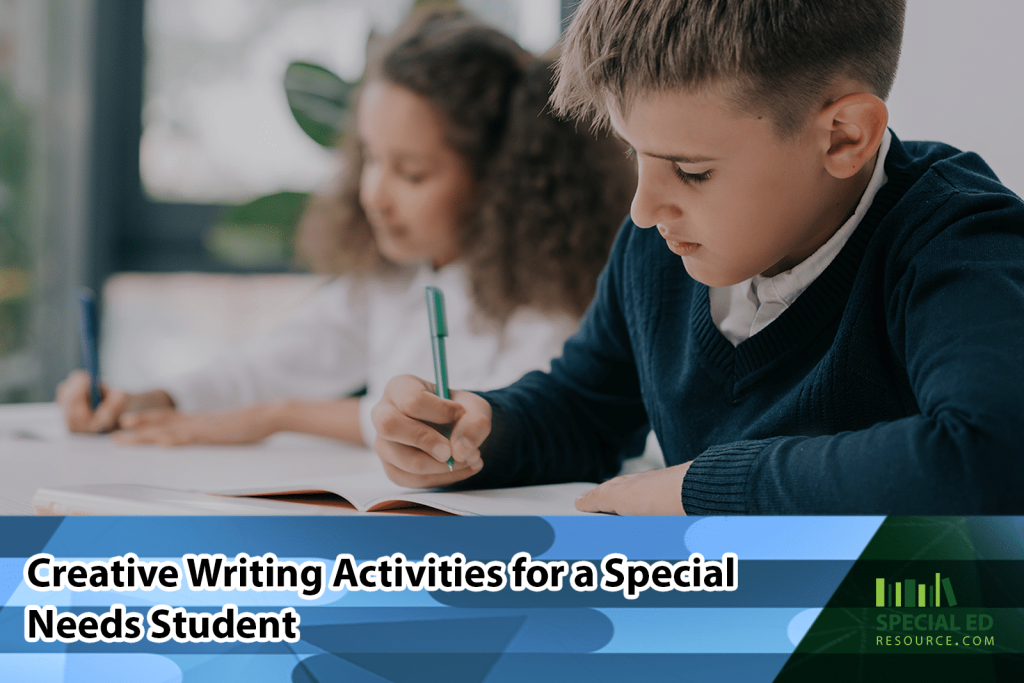
Collaborative writing serves various purposes beyond mere recreation. It fosters connections that amplify creative voices, whether in a fun, educational context or as a means of professional development. As communities expand their limits through collaboration, the potential to craft unique and powerful group stories becomes nearly limitless. This evolution in storytelling not only enhances individual artistry but also cultivates a more inclusive and diverse literary landscape.
DONT MISS OUT: Click here to dive into the future of performing arts
Unpacking the Mechanics of Collaborative Writing
As we delve deeper into the realm of collaborative writing, it is essential to understand the underlying mechanics that propel successful group storytelling. The process often begins with the establishment of a clear framework or structure, which acts as the blueprint for the narrative that participants aim to construct together. This structure might include outlines, character sketches, or even a predetermined set of themes that the story will explore. Having a solid foundation helps unify diverse voices, resulting in a harmonious story that retains its coherence despite multiple contributors.
A critical component of collaborative writing is the role of communication. Open channels of dialogue among participants allow for seamless sharing of ideas and feedback, which is crucial in refining the story as it develops. Writers might use tools like Google Docs or Microsoft Teams, which provide real-time collaboration features. These platforms not only facilitate immediate exchanges but also maintain a comprehensive record of contributions, enabling all members to track changes and refer back to earlier versions of the narrative.
Furthermore, effective role assignment can significantly enhance the collaborative process. Group members might decide to take on specific responsibilities such as plot development, character creation, or editing. By clearly defining roles, the group not only streamlines the writing process but also empowers individuals to harness their unique skills. Here are some common roles that participants can consider:
- Editor: Responsible for refining the language, correcting grammar, and ensuring consistency throughout the narrative.
- Plot Developer: Focuses on crafting the overarching storyline and major plot points, ensuring that the story has a clear direction.
- Character Creator: Collaborates on the development of characters, including their backstories, motivations, and dialogue.
- Researcher: Responsible for gathering factual information to support the story, especially in genres that demand accuracy, like historical fiction.
Additionally, collaborative writing fosters a sense of accountability among group members. When individuals know their contributions are vital to the success of the overall narrative, they are more likely to remain engaged and committed to the project. This shared sense of purpose can lead to heightened motivation and a greater investment in the quality of the finished piece. As a result, group stories often feel richer and more dynamic, blending various styles and voices into a cohesive whole.
Lastly, the process of iteration stands as a hallmark of collaborative writing. Unlike traditional solo writing, where drafts undergo multiple revisions in isolation, collaborative stories benefit from a cycle of collective feedback. Groups can hold critiques and brainstorming sessions, where ideas are openly discussed and improved upon. This iterative process not only fine-tunes the narrative but also encourages all writers to think critically and creatively, thereby elevating the quality of the work produced.
In summary, collaborative writing serves as more than just a creative exercise; it thrives on structured frameworks, open communication, role assignment, accountability, and iterative processes. Each of these elements contributes to the crafting of compelling group stories that draw from the strengths of individual creators while achieving a unified artistic vision.
| Advantage | Description |
|---|---|
| Increased Creativity | Collaborative writing fosters a diverse range of ideas, enabling contributors to break free from their usual thought patterns. |
| Enhanced Communication Skills | Working in a group setting necessitates effective communication, strengthening interpersonal skills and building rapport among participants. |
| Shared Responsibility | Participants can share the workload, making the writing process less daunting and more enjoyable for everyone involved. |
| Collective Ownership | Group stories create a sense of community as all contributors feel invested in the narrative, fostering group identity and enhancing engagement. |
The above table summarizes some compelling advantages of collaborative writing, emphasizing its role as a powerful tool for creative expression. When individuals unite to craft stories, they not only produce richer narratives but also experience personal growth through their shared interactions. For instance, the increased creativity derived from multiple perspectives leads to innovative plots and intriguing character development, while enhanced communication skills facilitate better teamwork in various aspects of life. Through such collaborative storytelling, participants develop shared responsibility as they manage the writing journey together, resulting in a less intimidating workspace. More significantly, the concept of collective ownership ensures that every participant feels a deep connection to the final product, making the writing process more fulfilling. As you dive deeper into the layers of collaborative writing, the potential for creative expression becomes limitless, inviting everyone to explore their imaginative horizons.
DISCOVER MORE: Click here to learn about the benefits of artistic pursuits
Exploring the Benefits of Collaborative Creativity
In the engaging world of collaborative writing, numerous benefits extend beyond simply sharing the burden of storytelling. One profound advantage is the diversity of perspectives. When individuals from varying backgrounds and experiences come together, they contribute unique viewpoints that can enrich the narrative. This diversity can lead to parallels that challenge stereotypes, introduce complex characters, and highlight inclusivity. For instance, a group comprising writers from different cultural backgrounds can weave stories that not only entertain but also educate readers about various life experiences, enriching the overall message of the piece.
Moreover, collaborative writing fosters innovation. When multiple minds converge, brainstorming transforms into an infectious process where ideas build upon each other. A scene that one writer proposes may inspire a twist that another would not have considered in isolation. This interplay of ideas can lead to uncharted storytelling territories, making the final product a captivating blend of thoughts and creativity. A great example can be seen in successful writing workshops across the U.S., where participants often walk away from sessions with new ideas they could not have conceived alone.
One significant aspect that enhances creative expression in collaborative writing is the concept of team synergy. As writers work together, they experience moments of synergy—where the group’s collective intelligence surpasses the sum of its individual contributions. This phenomenon often results in a dynamic narrative flow that emerges organically, fueled by the shared enthusiasm among contributors. In practical settings such as virtual writing groups or local workshops, this synergy can lead to strong camaraderie, enriching both personal relationships and the overall writing experience.
Moreover, the impact of shared accountability cannot be overstated. When writers know they are counting on each other to bring sections to life, it cultivates an environment where taking risks within the narrative feels not only encouraged but necessary. Participants may experiment with different genres, tones, or characters, emboldened by the mutual support of the group. For example, in a collaborative mystery project, one writer could feel free to create an unconventional twist, trusting that the rest of the team will seamlessly adapt and enhance it.
In addition to the emotional benefits, collaborative writing can also enhance skill development. Group members often provide constructive criticism that can be more valuable than solitary reflection. They can recommend writing techniques, suggest stylistic changes, or even share industry insights, enabling each member to grow in their craft. Workshops for aspiring authors frequently emphasize this aspect, highlighting how learning together can lead to robust improvements in writing quality, resulting in polished and engaging final drafts.
Finally, let’s not overlook the potential for increased productivity. The shared schedule of deadlines and goals within a group can drive writers to stay productive and focused. The motivational aspect of collective accountability encourages participants to meet specific milestones, preventing the common issues of procrastination that solo writers frequently face. By creating a timeline that aligns with the group’s vision, collaborative writing can transform the daunting task of completing a narrative into a shared adventure punctuated by enthusiasm and creativity.
In essence, the practice of collaborative writing is rooted in its ability to harness the collective creativity of diverse individuals. By embracing various perspectives, promoting innovation, fostering synergy, encouraging risk-taking, enhancing skill development, and increasing overall productivity, collaborative storytelling becomes not just a project but a vibrant tapestry woven from shared experiences and passions.
DISCOVER MORE: Click here to delve into the future of music technology
Embracing the Power of Collaborative Storytelling
In conclusion, collaborative writing stands as a remarkable method of creative expression that transcends individual boundaries, merging diverse ideas into a single narrative. The benefits of this communal approach are manifold, ranging from the rich tapestry of perspectives that challenge conventions to the invigorating process of innovation that flourishes in a group setting. By leveraging the strengths of each participant, collaborative writing empowers writers to take creative risks and foster a sense of ownership over the shared story.
Moreover, the insights gained through constructive peer feedback not only elevate the quality of the work but also cultivate an environment of continuous learning. As writers collaborate, they not only refine their skills but also deepen their understanding of the storytelling craft itself. This combination of growth and creativity leads to richer, more compelling narratives that resonate with readers. The energetic dynamics seen in writing workshops across the United States serve as a testament to how collective creativity can spawn extraordinary outcomes.
In a world increasingly craving connection and shared experiences, collaborative storytelling invites individuals to join together in crafting stories that reflect our shared humanity. As communities continue to embrace this art form, they create a bridge between a variety of voices and experiences, resulting in works that are not just entertaining but transformative. Ultimately, collaborative writing exemplifies how teamwork can amplify creative expression, encouraging us to explore, learn, and grow together as storytellers in a vibrant literary landscape.