
Diaries and Journals: The Art of Recording Thoughts and Emotions

The Timeless Art of Journaling
In today’s fast-paced world, dominated by instant messages and fleeting social media updates, the act of putting pen to paper can feel like a quiet rebellion. Diaries and journals have withstood the test of time, acting as intimate vessels for introspection and emotional exploration. When one takes the moment to pause and write, they open a door to self-discovery and reflection that goes far beyond mere record-keeping.
Different journaling formats cater to diverse needs and creative expressions:
- Personal Journals: These are perhaps the most common type, serving as a private haven where individuals can articulate their thoughts and feelings. Personal journals not only help in tracking emotional fluctuations but also provide a means for setting intentions and goals, ultimately leading to personal growth.
- Travel Diaries: For the adventurous spirit, travel diaries are more than just collections of experiences. They encapsulate the sights, sounds, and emotions felt in unfamiliar places, serving as a chronological tapestry of one’s journey. They enable individuals to revisit their travels through rich narratives that convey not just moments, but the essence of the cultures encountered.
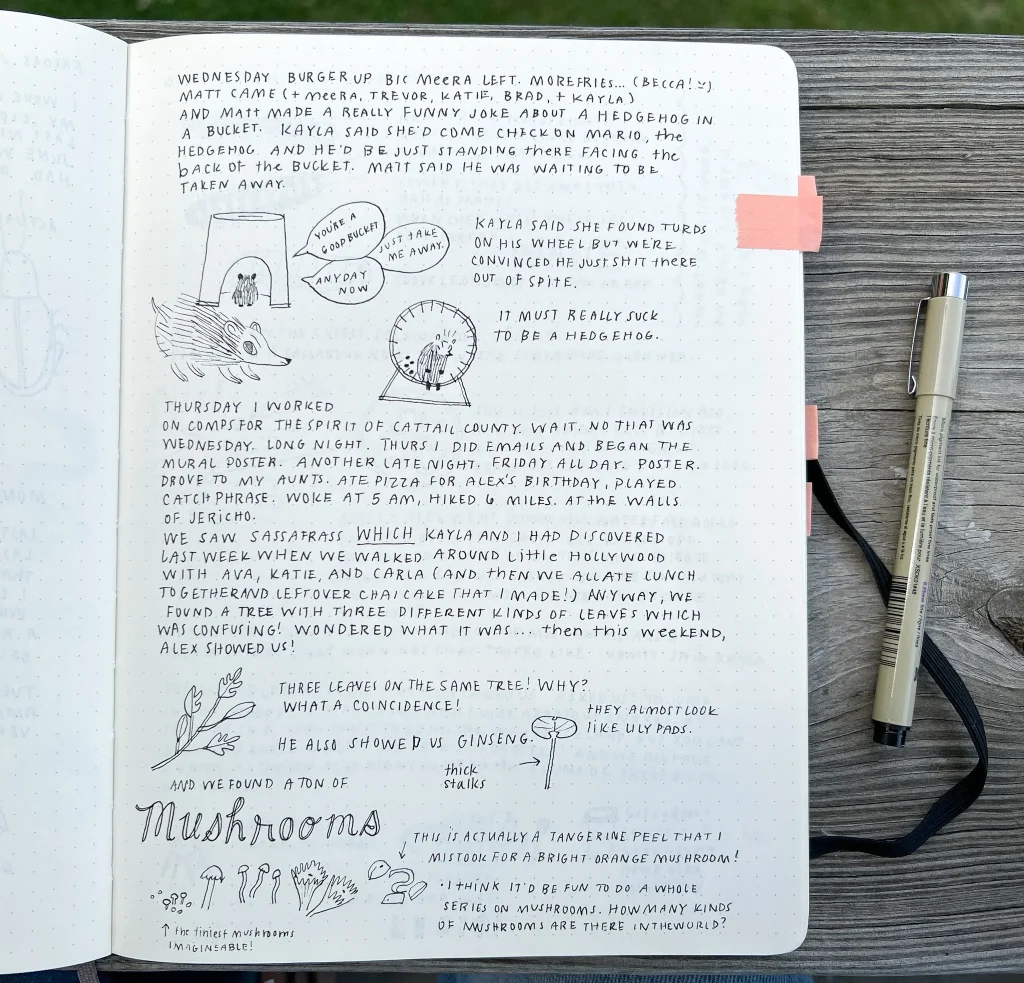
- Bullet Journals: This modern approach blends organization with creativity. Bullet journals use symbols and short-form entries to maintain an efficient record of tasks, yet they can be enhanced with artistic elements like doodles or motivational quotes. This hybrid format caters to both productivity enthusiasts and aspiring artists.
Research highlights the mental health benefits of journaling. Studies indicate that expressive writing can decrease anxiety, improve mood, and even bolster immune function. By putting their thoughts to paper, individuals often find that they can better understand their emotions, leading to increased clarity and peace. This therapeutic outlet is invaluable, especially during tumultuous times, as it gives space for processing complex feelings.
Furthermore, journaling can facilitate personal growth by helping track progress towards goals and fostering accountability. By reviewing past entries, individuals can identify patterns in their thoughts and behaviors, enabling them to make positive changes and gain perspective on their journey.
As we explore the multifaceted world of journaling further, we will delve into its rich history, cultural significance, and provide practical tips for enriching your writing routine. Embrace the adventure of self-reflection, and unlock the treasures of your mind and emotions through the simple, yet profound, art of journaling.
DISCOVER MORE: Click here to dive deeper
The Transformative Power of Writing
As we explore the intricate landscape of diaries and journals, it’s essential to understand how the simple act of writing can transform the way we perceive ourselves and our experiences. Throughout history, individuals have documented their lives, providing a deep well of insight into the human condition. From the confessional writings of early philosophers to contemporary memoirs, the written word has always served as a crucial tool for self-reflection.
Psychological studies confirm the efficacy of writing as a form of therapy. Engaging in expressive writing has been shown to foster emotional release and resolution. One notable study published in the journal *Psychological Science* revealed that participants who wrote about their emotions for just 15 minutes each day reported reductions in anxiety and stress levels. This powerful connection highlights how journaling can act as both a catalyst for healing and a gateway to self-awareness.
Diverse Purposes Behind Journaling
Different journaling styles cater to various aspects of life and emotional articulation. Understanding these categories can help individuals select the approach that resonates most with their needs:
- Reflective Journals: Often utilized in educational settings, reflective journals encourage learners to process their experiences and integrate new knowledge. These journals help develop critical thinking skills and enhance self-awareness, providing insight into personal growth over time.
- Gratitude Journals: Focusing on the positive aspects of life, gratitude journals cultivate an attitude of thankfulness. By regularly noting things for which they are grateful, individuals can shift their perspective, fostering a more optimistic outlook on life. This can lead to improved mental well-being and enhanced happiness.
- Dream Journals: For the introspective dreamer, keeping a dream journal can be an enlightening practice. By documenting dreams immediately upon waking, individuals may uncover subconscious thoughts and desires that can aid in personal exploration and understanding.
Moreover, the act of writing serves as an antidote to the noise of daily life. In a society brimming with distractions, maintaining a journal offers a sanctuary for thoughts to flourish without interruption. Whether capturing fleeting moments of joy, grappling with difficult emotions, or tracking personal milestones, the pages become a safe space for honest expression.
As we continue to unravel the significance of diaries and journals, we will further explore their impact on mental health, the historical context of journaling practices, and how to embark on your own writing journey with confidence and creativity. The beauty of journaling lies in its universality — it is an art form that welcomes all, inviting us to share in the narrative of our lives and the complexities of our inner worlds.
| Category | Key Features |
|---|---|
| Personal Growth | Journaling promotes self-reflection and facilitates understanding of emotions. |
| Mental Well-Being | Writing down thoughts can reduce stress and anxiety levels. |
In the realm of diaries and journals, the practice of recording one’s thoughts and emotions acts as a vital tool for personal growth. Engaging with one’s feelings through writing opens up pathways for self-discovery and helps clarify intentions that drive us day-to-day. This method of expression not only captures fleeting emotions but also allows individuals to witness their thought patterns, leading to profound personal insights.Moreover, journaling significantly contributes to mental well-being. Numerous studies indicate that those who diligently write about their experiences often experience lower levels of stress and anxiety. The act of putting pen to paper enables individuals to process their feelings more effectively, functioning as a healthy outlet for emotions. Beyond protecting mental health, it can also be a creative sanctuary for ideas and aspirations, sparking inspiration that propels personal ambitions. Throughout this exploration, one can truly appreciate the transformative power of keeping a diary or journal.
DIVE DEEPER: Click here to unlock beginner techniques and project ideas
Unlocking the Benefits of Journaling
The impact of diaries and journals extends far beyond mere emotional expression; they have profound implications for personal development, mental health, and overall wellness. Evidence suggests that maintaining a regular journaling practice can significantly enhance cognitive processes. According to the American Psychological Association, *expressive writing can increase working memory capacity.* This enhanced cognitive function can lead to improved problem-solving skills and greater resilience in the face of life’s challenges.
Enhancing Emotional Intelligence
One of the most significant benefits of journaling is its ability to boost emotional intelligence (EI). By encouraging introspection, journaling helps individuals understand their emotions on a deeper level, thereby improving their interpersonal skills and empathy. A study in the journal *Emotion* revealed that individuals who engage in regular reflective writing tend to have better emotional regulation and experience less emotional distress. This can lead to richer relationships and better communication both personally and professionally.
The Role of Journaling in Mental Health
Journaling has also been linked to improvements in mental health for various conditions. For instance, a meta-analysis published in *Health Psychology Review* found that expressive writing can help reduce symptoms of depression and anxiety, as well as PTSD in some individuals. By externalizing thoughts and feelings, journaling serves as a form of cognitive processing that can help individuals make sense of their experiences and emotions.
Beyond therapeutic benefits, diaries and journals also provide a chronological snapshot of individual growth and evolution. Many people find it enlightening to revisit past entries to recognize patterns, challenges they have overcome, and milestones they have achieved. This sense of continuity can foster a greater understanding of one’s life journey, enabling individuals to appreciate their progress and identify areas for future growth.
Historical Insights into Journaling Practices
Historically, the practice of journaling has taken many forms, from the meticulously detailed explorations of *The Diary of Anne Frank* to the philosophical musings of Marcus Aurelius in *Meditations*. These historical artifacts not only offer insight into the lives of their authors but also reflect prevailing social and cultural contexts. For instance, the diaries of soldiers during wartime have served as essential resources for historians, shedding light on the experiences of those who lived through tumultuous periods. This legacy demonstrates that journals are not merely personal records; they are also valuable documents that contribute to collective human history.
Getting Started with Your Own Journal
For those eager to embark on their journaling journey, starting can feel daunting. However, the key is to recognize that there is no right or wrong way to journal. Beginners may choose to allocate just a few moments each day to jot down thoughts, feelings, or experiences. Consider starting with prompts such as “What was the highlight of my day?” or “How did I feel when…?” Utilizing guided prompts can ease the initial pressure and stimulate deeper reflection.
- Digital Journals: In today’s tech-savvy world, digital journaling apps provide convenience and flexibility, allowing users to record their thoughts anytime, anywhere. These platforms often come with additional features, such as reminders and mood tracking, which can enhance the journaling experience.
- Art Journals: For those who may find it challenging to express themselves with words alone, art journaling combines visual elements with written thoughts. This approach not only engages creativity but also allows for a unique exploration of emotions beyond conventional writing.
As we delve deeper into the multifaceted world of diaries and journals, it becomes increasingly clear that the art of recording thoughts and emotions offers a wealth of benefits. Whether for personal reflection, exploring intricate emotional landscapes, or contributing to historical narrative, the act of journaling remains a timeless practice that resonates with people from all walks of life.
DIVE DEEPER: Click here to ignite your creativity
Conclusion: The Enduring Value of Journaling
In a world increasingly characterized by rapid change and digital interaction, the art of journaling remains an invaluable resource for personal growth and emotional clarity. From enhancing cognitive functions to fostering emotional intelligence, the benefits of maintaining a diary or journal are profound and far-reaching. Regularly engaging in reflective writing not only aids in emotional regulation but also provides a safe space to navigate the complexities of the human experience.
Moreover, the historical context of journaling showcases its role as a foundational element of human expression, allowing individuals like Anne Frank and Marcus Aurelius to leave behind legacies that continue to resonate within cultural narratives. Their writings serve as a reminder that diaries and journals can transform private reflection into public insight, bridging personal experiences with collective understanding.
As you contemplate starting your own journaling journey, remember that there is no singular way to record your thoughts and emotions. Whether through digital platforms or expressive art journals, the heart of this practice lies in authenticity and exploration. Take a few minutes each day to document your feelings, thoughts, or experiences, and allow the pages to capture the essence of your journey.
In essence, diaries and journals are not merely tools but are gateways to deeper self-awareness and emotional resilience. By embracing the art of recording your thoughts and emotions, you can unlock insights that enrich your life while contributing to a broader tapestry of human experience. So, pick up a pen or open your preferred app, and begin to document your journey today—your future self will thank you.