The evolution of artistic expression in the digital age: how social media transforms the creativity of amateur artists
A New Canvas for Creative Expression
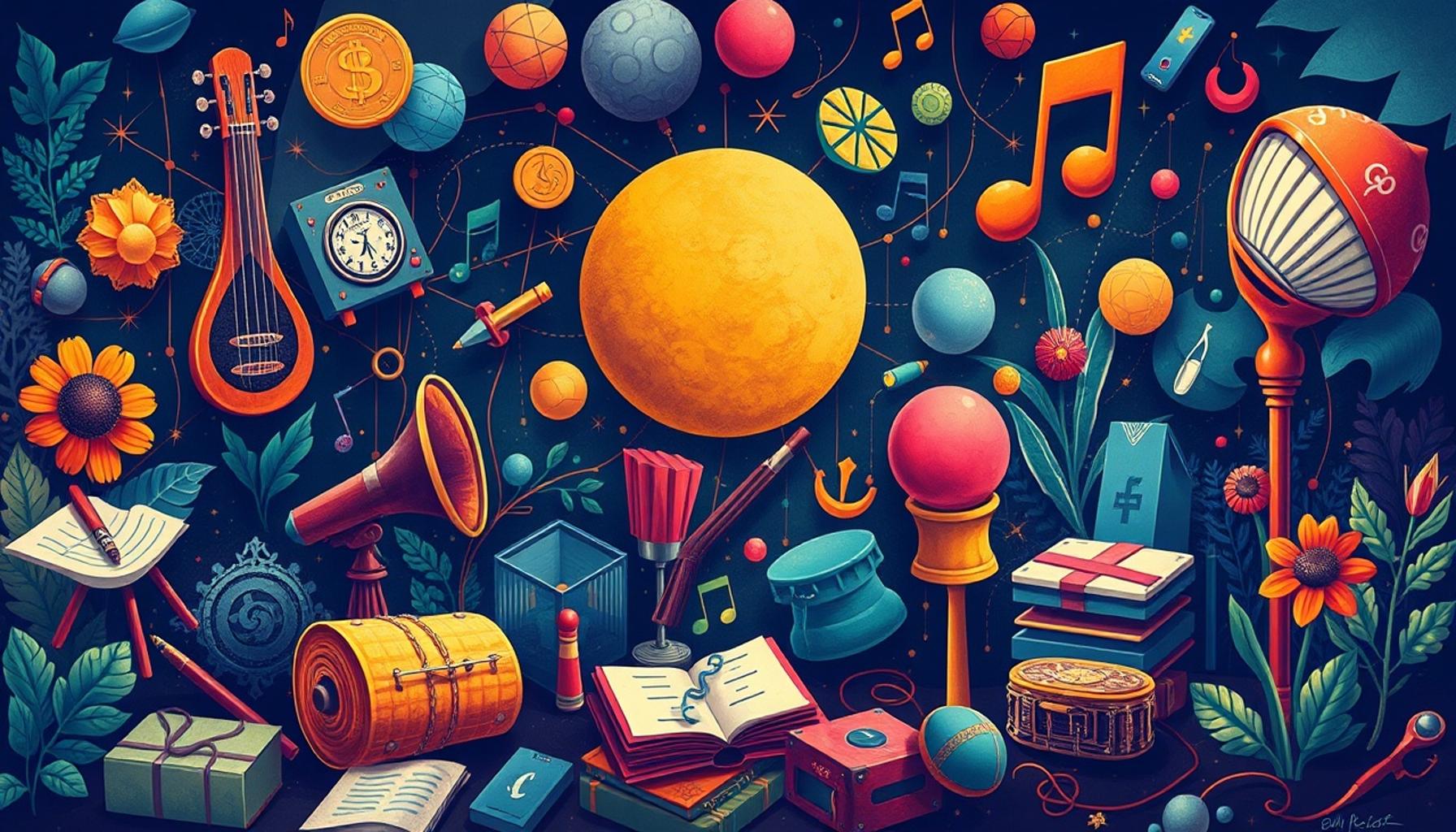
In an age where technology permeates every aspect of life, the world of art has undergone a profound transformation. Traditional artists, who once relied on canvas, paint, and brushes, now find themselves navigating the vibrant landscape of the digital realm. This evolution has not only transformed their approach to creation but also opened up unprecedented avenues for amateur artists.
Access to Global Platforms
Social media has democratized art, making it accessible to anyone with an internet connection. Platforms such as:
- Instagram – This visually-driven platform has become a haven for photographers, painters, and illustrators. Artists can share their work in a user-friendly format, utilizing features like Stories and Reels to showcase behind-the-scenes processes or time-lapse videos of their creations.
- Twitter – While known for its character limit, Twitter offers a unique space for writers and poets. The platform encourages brief, impactful snippets of prose or poetry, often trending under hashtags like #poetrycommunity or #WritingPrompts, which allow for quick sharing and feedback.
- TikTok – This app is revolutionizing how art is consumed and created. Artists can produce short, engaging videos that not only demonstrate their artistic process but also include challenges that invite viewer participation, effectively building a community of co-creators.
Each of these platforms allows artists to showcase their unique styles, gain followers, and engage in meaningful conversations about their creative processes. This visibility not only fosters creativity but also invites collaboration across various mediums—bridging gaps between musicians, visual artists, and writers.
Influence of Trends and Community
The interconnectedness fostered by social media has birthed waves of innovative trends that excite amateur artists. By participating in coordinated challenges—such as Inktober for illustrators or NaNoWriMo for writers—artists can not only push their own boundaries but also join a larger collective of creators. This connectivity enables them to:
- Engage in global art challenges that inspire collective participation, sparking new ideas and artistic innovations.
- Connect with like-minded individuals, fostering bonds that can lead to collaborative projects or mentoring opportunities.
- Learn from established creators who generously share insights, techniques, and the realities of the art business through tutorials and social posts.
Ultimately, these digital spaces create a rich tapestry of inspiration. They blur the lines between professional and amateur artists, proving that creativity knows no bounds. As artists continue to harness the power of technology, they not only redefine their own capabilities but also contribute to a dynamic cultural dialogue that encourages artistic exploration in ways that were previously unimaginable.
Platforms of Possibility: The New Age of Artistry
The rise of social media has redefined the dynamics of artistic expression, providing a fertile ground for amateur artists to flourish. In the past, aspiring creators often faced substantial barriers to entry—whether it was the lack of access to galleries or the difficulty of finding an audience. However, today’s digital landscape is markedly different. Artists can effortlessly share their work with a vast audience that transcends geographical boundaries.
Instagram, for instance, has emerged as a cornerstone for visual artistry. With over 1 billion active users, this platform validates the adage that a picture is worth a thousand words. Artists leverage the power of hashtags to categorize their posts, making it easier for potential fans and fellow creatives to discover their work. Recently, art-oriented hashtags such as #artistsontwitter and #ArtInspiration have gained traction, allowing users to uncover fresh talent and engage with diverse artistic perspectives.
Facebook, too, has not been left behind in this artistic revolution. Art groups and community pages have sprung up, creating spaces for peer feedback and support. Here, amateur artists can post their work, solicit critiques, and even find opportunities to collaborate on projects. This functionality encourages growth and experimentation, enabling individuals to refine their skills while cultivating a network of aspiring and established artists alike.
Expanding Boundaries of Creativity
Social media is not just about sharing finished pieces; it plays a critical role in the evolution of the creative process itself. Through platforms like Twitter and TikTok, artists can share snippets of their creative journey, from brainstorming concepts to technical execution. This transparency fosters a more intimate relationship between artists and audiences. Followers gain insights rarely offered in traditional art settings—viewers are invited into studios and workshops, making them stakeholders in the artistic process.
This visibility can lead to unexpected collaborations and sparks of creativity. Artists can participate in collaborative projects, such as mural creation and video content, which promotes cross-disciplinary art forms. For example, musicians may team up with visual artists to create music videos that are not only a feast for the ears but also a visual delight. The interconnectedness of these artistic disciplines blurs the lines that once separated them, facilitating a communal atmosphere that fuels innovation.
The Power of Feedback and Learning
The immediacy of social media also transforms the way artists receive feedback. Unlike traditional galleries, where a selected few can critique an artist’s work, social media platforms welcome a broader audience. This multitude of opinions helps amateur artists gauge the public reaction to their creations, allowing for immediate adjustments and refinements. Artists can also benefit from:
- Access to Diverse Influences: The global reach of social networks exposes them to international trends, styles, and cultural narratives that can enrich their artistic vocabulary.
- Engagement with Mentorship: Many established artists generously share insights and tutorials, offering guidance that was previously reserved for formal art education.
- Opportunities for Publicity: Shareable content can go viral, providing amateur artists with the recognition and visibility they might never have achieved otherwise.
As social media continues to evolve, it creates an environment that encourages amateur artists to push the boundaries of their creativity, sparking a renaissance of artistic expression in ways that once seemed unattainable.
In recent years, the intersection of social media and artistic expression has led to revolutionary changes, profoundly impacting the creativity of amateur artists. The digital platforms allow individuals to share their artwork with the world, breaking geographical barriers and democratizing access to art. Social media channels such as Instagram, TikTok, and Pinterest are particularly influential, providing artists with immediate feedback and engagement from a global audience.For many amateur artists, social media serves as an online portfolio and a gallery where their work can gain visibility without the need for traditional exhibition spaces. This visibility can lead to collaborative opportunities, mentorship, and even commercialization of their art. Moreover, platforms have also facilitated the rise of creative trends, such as viral challenges or hashtag movements, where artists can participate in community-driven activities that inspire innovation and exploration in their art.The beauty of this digital age lies in the capacity for real-time connection and collaboration. Artists can easily connect with peers, seek critiques, and gain constructive feedback, which is vital for creative growth. This immediate interaction encourages a continuous cycle of inspiration and evolution in their work. Furthermore, social media fosters inclusivity, allowing diverse voices and perspectives in art to be shared—emphasizing that creativity is not owned by the few but rather a collective experience shaped by varied cultural backgrounds.In this new artistic landscape, the blending of traditional techniques with modern technology becomes common. Artists are experimenting with digital tools, such as graphic design software and virtual reality, which adds another layer of complexity and depth to their creative process. These innovations challenge the notion of what art is and can be, pushing the boundaries of expression beyond conventional practices.Additionally, analytics and algorithms play a significant role in determining what art gets visibility on social media. Understanding these mechanics can empower amateur artists to strategize their posts for greater reach, further enhancing their opportunity to share their unique visions with a broader audience. Consequently, the evolution of artistic expression through social media not only transforms how amateur artists create but also how they engage with art as a collective experience in the digital age. This transformation calls for a deeper exploration into the behaviors and motivations behind sharing art on social platforms, as well as the implications this has for the broader art community. By connecting with audiences worldwide, amateur artists find not only a platform for expression but also a rich tapestry of inspiration that fuels their creative journeys.
Community Cultivation: The Impact of Digital Art Spaces
While individual platforms like Instagram and TikTok have reshaped the landscape for amateur artists, the shared digital spaces where creativity blooms cannot be overlooked. These online enclaves not only amplify visibility but also cultivate community and camaraderie among artists. Artists today are not just creators; they are part of a global network where collaboration and mutual inspiration are at the forefront.
Platforms like DeviantArt and Behance serve as vibrant galleries for amateur artists to showcase their work in an environment specifically designed for artistic interactions. Unlike traditional social media, these platforms cater exclusively to creatives, providing tools for feedback, critique, and even networking opportunities. The act of sharing a piece is often accompanied by a wealth of comments, suggestions, and encouragement from fellow users, creating a supportive atmosphere that fosters both confidence and improvement.
Art Challenges and Trends: A Catalyst for Engagement
The phenomenon of art challenges on social media platforms further ignites artistic expression. Events like the «#inktober» or «#drawthisinyourstyle» trend invite artists from all walks of life to engage in a communal venture. Such challenges serve to push artists beyond their comfort zones, encouraging them to experiment with new styles and techniques. This spirit of experimentation contributes significantly to a collective evolution in creativity. Additionally, these challenges often set the stage for artists to gain recognition, as notable works can attract the attention of established professionals, leading to unique collaborative opportunities.
Moreover, challenges encourage artists to stay relevant and keep their skills sharp amidst ever-evolving trends. The rapid pace of social media means that artists need to adapt quickly to maintain engagement and visibility. This imperative to innovate helps shape a new generation of artists who are not only versatile but also attuned to the cultural shifts occurring in real time.
The Role of The Algorithm: Visibility and Opportunity
Understanding the mechanics of social media algorithms has become an essential skill for amateur artists seeking to elevate their profiles. Algorithms on platforms such as Instagram work to prioritize content that generates high engagement, making it necessary for artists to remain proactive in their outreach. By finding creative ways to connect with their audience—whether through engaging stories, behind-the-scenes processes, or Q&A sessions—artists enhance their visibility and effectiveness in attracting followers. This necessity breeds inventiveness, allowing artists to refine their personal brands while experimenting with new artistic narratives.
- Engagement Strategies: Artists can utilize polls, live streams, and interactive stories to foster engagement, transforming passive viewers into active participants in their creative journey.
- Leveraging Analytics: Many platforms provide analytics tools that enable artists to assess which posts resonate most with audiences, allowing for data-driven adjustments in their content strategy.
- Building a Brand: Through consistent and engaging content, amateur artists have the potential to establish a recognizable brand, setting the stage for future opportunities, such as commissions and collaborations.
As artists navigate the complexities of digital artistry within social media framework, they unlock unlimited avenues for creativity and expression. The interplay of community, challenges, and algorithmic visibility creates a robust environment where amateur artists are not just surviving but thriving in the age of digital artistry.
Conclusion: A New Era of Artistic Expression
As we traverse the landscape of the digital age, it is evident that social media has been a transformative force in the realm of artistic expression, particularly for amateur artists. The convergence of creativity and technology has opened new doors, enabling individuals to share their visions with a global audience, thereby redefining the traditional roles of artist and audience. Through platforms built specifically for creatives, such as DeviantArt and Behance, artistic communities flourish, fostering collaboration and peer encouragement.
The rise of art challenges introduces a unique dynamic that encourages innovation and exploration, acting as a conduit for artistic growth while simultaneously creating a sense of unity among artists. In this space, the boundaries of creativity are continuously tested, leading to an expansive evolution of styles and techniques. Furthermore, the crucial role of algorithms in enhancing visibility encourages artists to hone their marketing skills, adapting to a fast-paced environment where engagement is key. This blending of art and strategy equips amateur artists with tools to build audiences and brands, paving the way for potential opportunities.
In conclusion, the digital age has not merely altered the way art is made and disseminated; it has revolutionized the very essence of creativity itself. As more artists harness the power of social media, the art world becomes increasingly diverse and accessible. This evolution invites both inquiry and admiration, urging us to explore how the digital landscape will continue to shape artistry in the future. Ultimately, embracing the ongoing changes offers an exciting glimpse into the next chapter of artistic expression, where amateur artists are no longer just participants but influencers steering the evolution of modern creativity.