Art and Mental Health How Artistic Pursuits Enhance Well-Being
Exploring the Connection Between Creativity and Wellness
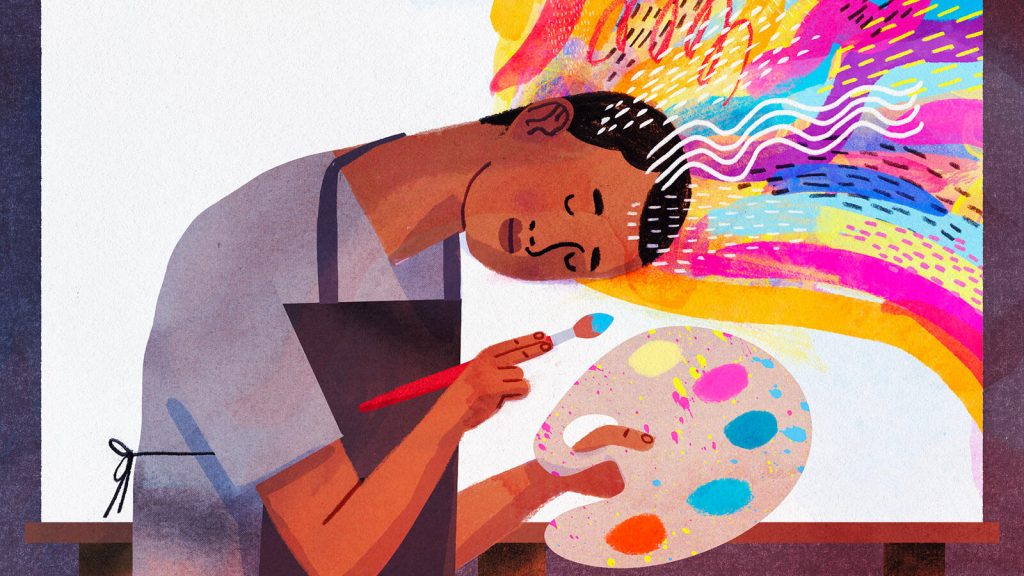
Art has long been recognized as a powerful form of self-expression, but its impact on mental health is now gaining significant attention. Creative hobbies can serve as therapeutic outlets, allowing individuals to process emotions, reduce stress, and foster a sense of community. This intersection between artistic pursuits and mental well-being opens up a world of possibilities for personal growth and healing.
Engaging in activities such as painting, writing, or playing music can offer numerous benefits, including:
- Emotional release: Art can help individuals express feelings that are difficult to verbalize.
- Mindfulness practice: Creating art encourages being present and focused on the moment.
- Social connection: Joining art classes or communities can combat feelings of isolation.
As we delve into this intriguing connection, we’ll highlight the Top 5 artistic pursuits that can significantly promote well-being. Discover how incorporating creativity into daily life can lead to a healthier, happier self.
The Intersection of Art and Mental Health: How Artistic Pursuits Can Promote Well-Being
The link between creativity and mental health has captured growing attention in recent years. Artistic activities are not merely leisurely pastimes; they offer profound therapeutic benefits that enhance emotional well-being. In this article, we will delve into the top five ways art can radiate hope and healing for mental health, ranked from fifth to first.
5. Building Social Connections Through Art
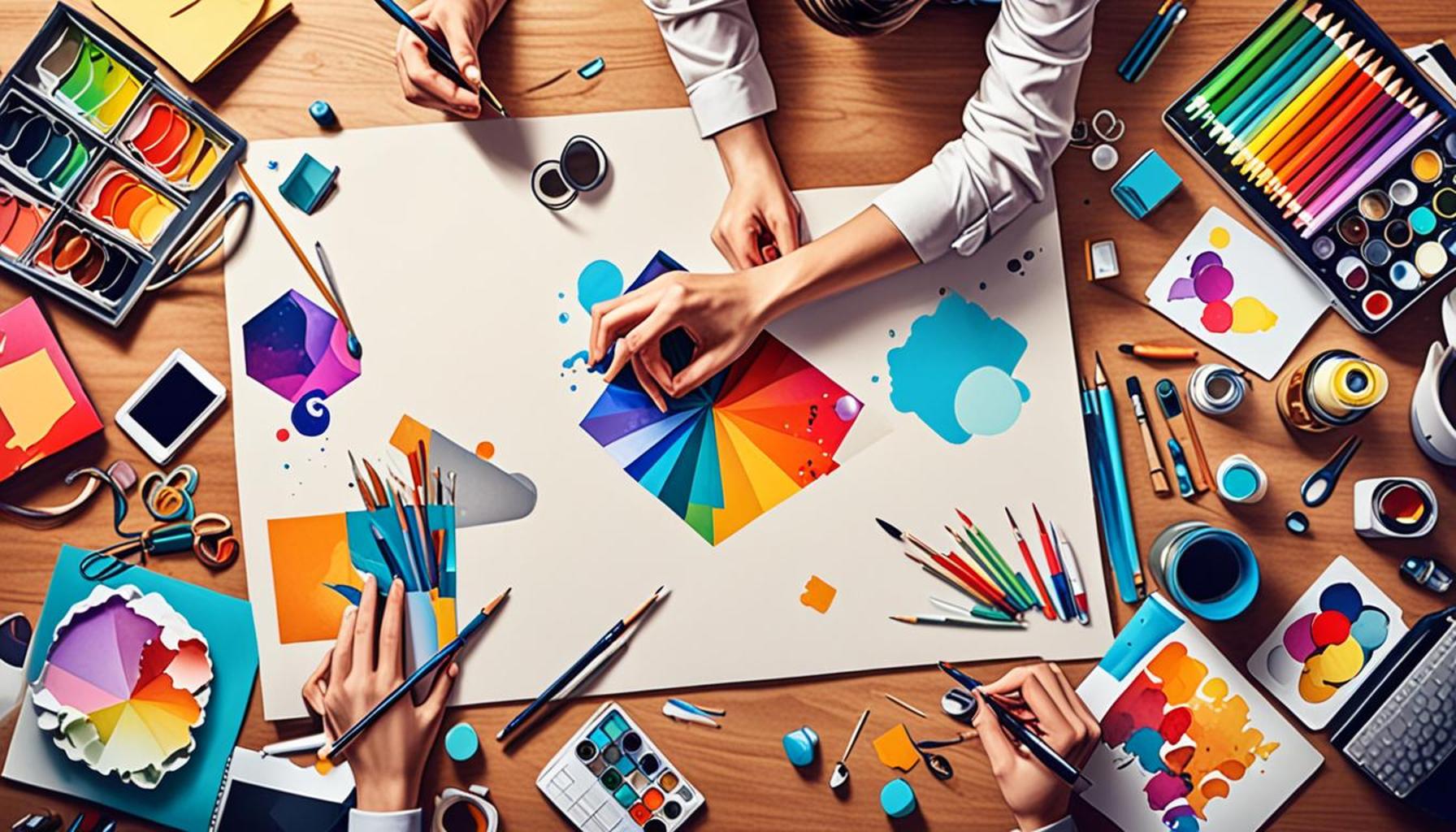
Often underestimated, the social interaction stemming from artistic activities is one of their most valuable benefits. Through activities like workshops, gallery visits, and collaborative art projects, art provides opportunities for individuals to connect with those who share similar passions. This type of engagement fosters a sense of community, which can be crucial in combating loneliness and isolation—common forces behind mental health struggles.
Consider the burgeoning popularity of community art initiatives such as community centers offering art classes or local art collectives organizing open studios. These settings create inclusive spaces where participants can meet, collaborate, and learn from each other. While working side by side, individuals often start conversations about mental health, sharing personal stories and offering emotional support within a secure environment.
Moreover, participating in art societies and groups not only benefits those directly involved but also has a ripple effect, enhancing the social fabric of communities. By establishing these social bonds, individuals find themselves less isolated in their mental health challenges, potentially reducing anxiety and depression through mutual support.
4. Enhancing Mindfulness Through Creative Expression
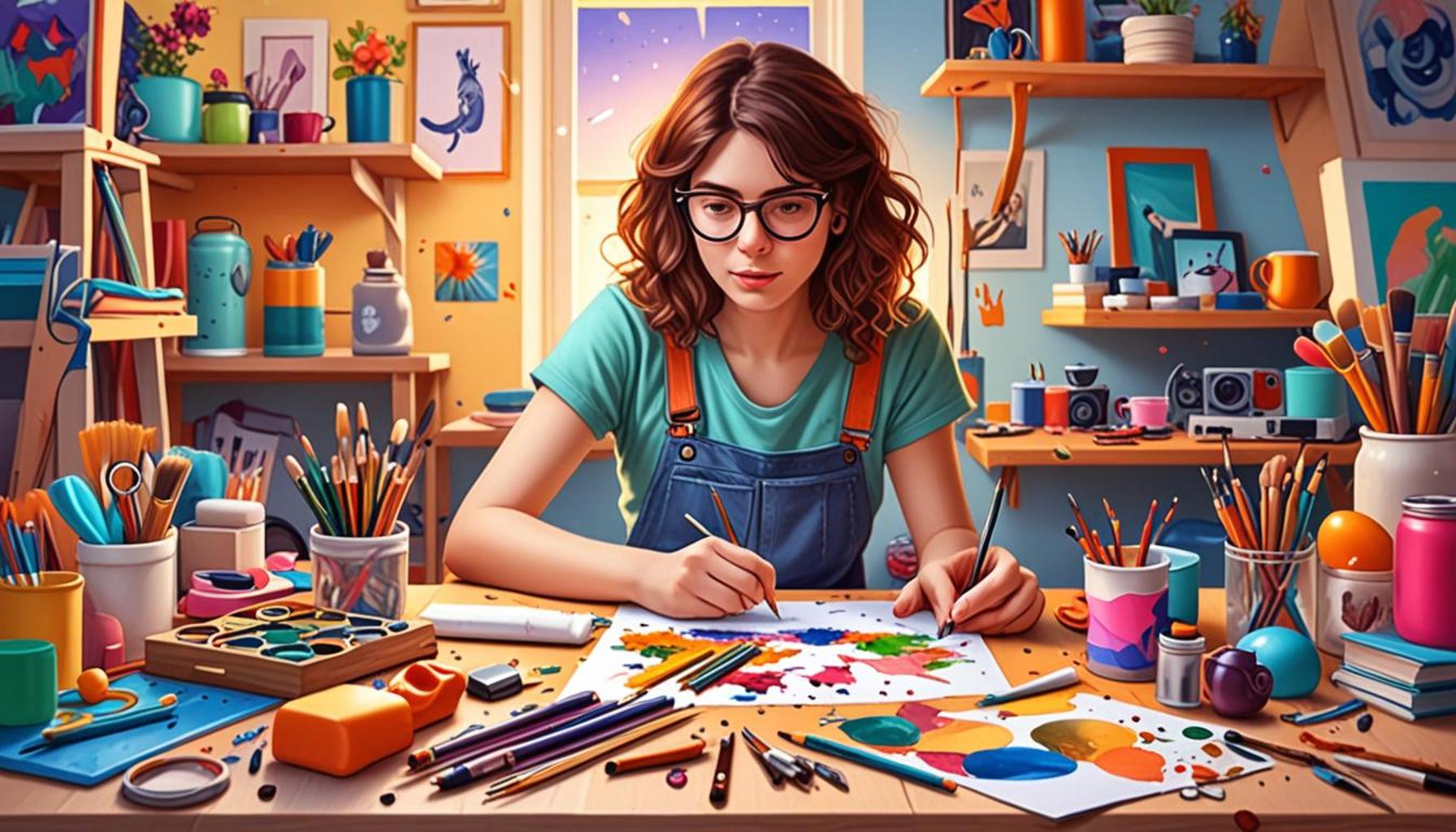
Artistic endeavors cultivate a profound sense of mindfulness, which is widely recognized for its positive impact on mental health. Activities such as painting, sculpting, and writing compel individuals to focus on the present moment, helping to shift attention away from worries or negative thoughts.
The act of creating art can be likened to a meditative practice, enabling people to decelerate their thoughts, engage in deep breathing, and process emotions more thoroughly. For instance, choosing colors, considering textures, and crafting narratives immerse artists in serene concentration, allowing them to navigate complex emotions with improved clarity.
By immersing themselves in the artistic process, individuals can find moments of peace and clarity, providing relief from daily pressures and fostering a more balanced emotional state. This artistic mindfulness can lead to increased emotional regulation, assisting individuals in achieving a greater sense of inner peace.
3. Therapeutic Benefits of Artistic Therapy
Art therapy stands at the confluence of creativity and psychological support, with certified art therapists aiding individuals in their exploration of feelings, thoughts, and experiences through various media such as painting, drawing, and collage. This creative process is a formidable tool for self-expression and reflection, offering an outlet for emotions that might otherwise remain unspoken.
Empirical research highlights art therapy’s efficacy in improving mental health outcomes, particularly for those grappling with trauma, anxiety, and depression. Through this guided process, individuals can more easily confront and articulate tough emotions, facilitating an emotional release that verbal descriptions alone often fail to achieve.
Art therapy provides not just a method for emotional exploration but also a pathway toward healing. By processing and externalizing emotions, individuals can work through distress and build more positive mental health outcomes, utilizing art as a bridge between inner turmoil and clarity.
2. Unlocking Creativity as a Form of Empowerment
Engaging in creative hobbies can yield significant empowerment, offering individuals a platform to explore their identities, express themselves truthfully, and embrace unique perspectives. The journey of creation fosters a sense of agency and ownership over one’s mental health journey.
Whether individuals choose to paint, write poetry, or craft sculptures, they make continuous creative decisions that enhance decision-making and assertiveness in other life areas. Empowerment through creativity can bolster resilience, equipping individuals with the strength to face life’s adversities head-on.
By nurturing creative freedom, individuals often discover new facets of their identity, leading to a refreshed sense of purpose and self-esteem. This revival of self-worth challenges negative self-perceptions, empowering individuals to engage with life more fully and with renewed confidence.
1. Art as a Reflection of Inner Thoughts and Emotions
At the zenith of our exploration is the concept that art functions as a profound mirror of one’s inner world. Through music, visual arts, or writing, individuals channel their deepest emotions, experiences, and thoughts into their art, revealing internal patterns and feelings that might be difficult to verbally express.
The creative process allows individuals to gain insights into their emotions, serving as an initial step towards addressing issues such as anxiety, depression, or stress. By using art as a tool for self-exploration, individuals explore parts of themselves they may have never previously encountered, paving the way for healing and understanding.
Confronting and expressing these feelings creatively encourages a journey of self-discovery and healing, enhancing overall mental well-being. Art allows individuals to safely confront their innermost complexities, offering pathways to profound personal growth and emotional rejuvenation.
In conclusion, artistic pursuits highlight the profound relationship between creativity and mental health. Ranging from fostering social connections to serving as therapeutic outlets, engaging in the arts can transform emotional experiences into routes toward healing. Embracing creative endeavors might very well be the key to unlocking a healthier, more balanced life.
Artistic pursuits provide a unique lens through which we can explore mental health. As individuals engage in creative activities, they tap into profound aspects of their inner selves, allowing for personal expression that often transcends verbal communication. This is particularly significant for those who find it challenging to articulate their emotions. Through various forms of art, including painting, music, and dance, individuals can convey their feelings, leading to therapeutic outcomes that aid in mental wellness.One compelling advantage of engaging in artistic activities lies in their ability to foster a sense of community and belonging. The creation and sharing of art can bridge gaps between individuals, providing a shared experience that promotes understanding and empathy. In communal art projects or workshops, participants often collaborate and support one another, creating bonds that alleviate feelings of isolation often experienced by individuals dealing with mental health issues. This sense of connection can be vital for recovery, offering emotional support and reducing stigma around mental health.Moreover, art serves as a powerful tool for mindfulness and presence. Many artistic activities require focus and immersion, which can distract from negative thoughts and daily stresses. Engaging in creative practices allows individuals to enter a state often referred to as “flow,” a psychological concept where one becomes fully absorbed in a task. This state not only enhances creativity but also promotes relaxation and reduces anxiety. As individuals immerse themselves in the creative process, they may find improved mood and a greater sense of peace, empowering them in their mental health journeys.Additionally, studies indicate that engaging in art therapy significantly improves emotional well-being. Art therapy utilizes the creative process to aid individuals in resolving conflicts, improving self-awareness, and altering behaviors. Therapeutic art practices have been shown to lead to measurable improvements in quality of life and overall psychological health. Such findings suggest that the simple act of creating art can serve as an intervention for various mental health challenges, from depression to trauma.Lastly, the power of art as a means of self-discovery and reflection is particularly profound. By exploring different mediums and styles, individuals can uncover parts of their identity they may have suppressed or overlooked. Artistic expression can serve as a mirror, reflecting one’s thoughts, feelings, and experiences, allowing for insights and revelations that can drive personal growth. This journey of self-exploration through art can ultimately lead to greater self-acceptance and resilience in the face of mental health challenges. Engaging with art doesn’t merely serve as an outlet; it offers a pathway to understanding the complexities of the human experience related to mental health. This intricate intersection between art and wellness opens a world of possibilities for individuals seeking to enrich their lives through creative expression. By embracing the arts, we invite a holistic approach to well-being that acknowledges the importance of mental health while celebrating human creativity in all its forms.
Frequently Asked Questions About the Intersection of Art and Mental Health
How do artistic pursuits impact mental health?
Engaging in artistic activities can have a significant positive impact on mental health. By providing an outlet for expression, art allows individuals to process complex emotions and experiences. Studies have shown that activities such as painting, music, and dance can lead to decreased levels of stress and anxiety. The act of creating can foster a sense of fulfillment and purpose, contributing to overall emotional well-being.
Can art therapy replace traditional mental health treatments?
While art therapy is a beneficial complementary treatment, it is not typically considered a replacement for traditional mental health therapies. Art therapy can be integrated into comprehensive treatment plans and offers unique benefits like improving self-awareness and emotional resilience. However, it’s important to consult with mental health professionals to design the most effective treatment plan, which may include a combination of conventional therapies and creative approaches.
Which types of art are most effective for improving mental well-being?
There is no one-size-fits-all approach when it comes to art and mental health. Different artistic pursuits resonate with different individuals. Some might find solace in the rhythm of music or the fluidity of dance, while others might prefer the tactile experience of sculpting or the visual stimulation of painting. The key is to explore various forms of art to discover which medium resonates best, offering the most profound personal connection and therapeutic benefit.
Is creating art more beneficial than appreciating art in terms of mental health?
Both creating and appreciating art can contribute positively to mental health, albeit in different ways. Creating art allows for personal expression and active engagement, tapping into creativity and self-discovery. On the other hand, appreciating art, such as visiting galleries or listening to music, can provide relaxation and inspiration, offering an escape from daily stressors. The choice between creating and appreciating art depends on personal preferences and needs.
Are there specific age groups that benefit more from engaging in art for mental health?
Art-based activities can benefit individuals across all age groups. For children, artistic engagement promotes development in areas such as emotional intelligence and problem-solving. Adults can use art as a form of stress relief, while older adults may find it enhances cognitive function and offers social engagement opportunities. Regardless of age, the therapeutic benefits of art stem from its ability to enhance communication and connection.
Conclusion
The intersection of art and mental health unveils a promising avenue where creative pursuits not only serve as a mode of expression but also as powerful tools for promoting well-being. Throughout the article, we explored multiple facets of how engaging in artistic activities can positively influence mental health. From the therapeutic benefits that arise through art therapy to the emotional release facilitated by creative writing, the evidence strongly suggests that art can play a crucial role in enhancing mental well-being.
The main takeaways from our exploration spotlight the five key areas where art significantly impacts mental health: stress reduction, emotional processing, personal insight, social connectivity, and self-esteem enhancement. Each of these aspects underscores how engagement with art can offer a holistic improvement in one’s mental and emotional landscape. Whether individuals are painting, crafting, or engaging in dance, these activities provide an essential outlet for expression that words sometimes cannot capture.
Creative hobbies are not mere pastimes; they are powerful modalities that can support mental health interventions. This article invites readers to consider not only the personal gains from embracing creativity but also the broader implications for integrating art into mental health strategies. As we move forward, embedding art into daily routines and mental health practices can open new vistas for understanding and improving mental wellness.
Ultimately, the fusion of art and mental health offers a dynamic approach to nurturing the mind and spirit. By recognizing the profound impact of creative pursuits, we ignite a conversation that encourages further exploration and underscores the vital role of creativity in the tapestry of holistic health.