
Crafting Connections: How Collaborative Projects Foster Community and Relationships

Building Community Through Collaboration
In a world where technology often creates barriers rather than bridges, the importance of authentic connections within communities has gained renewed significance. Collaborative projects stand out as vital tools for cultivating interpersonal relationships and fortifying communal ties. These initiatives can take myriad forms, yet they all share the same goal: to bring people together in meaningful ways.
Whether operating within local neighborhoods, dynamic workplaces, or expansive online environments, these collaborative efforts present invaluable opportunities for individuals to:
- Share Ideas: Diverse perspectives can spark creativity and lead to innovative solutions that might not arise in isolation. For instance, community brainstorming sessions on urban development can unearth unique ideas that reflect a blend of individual experiences and knowledge.
- Build Trust: Trust is the cornerstone of any thriving community. By working side-by-side on projects, individuals cultivate a deeper understanding of one another, fostering mutual respect and camaraderie. Trust-building activities, such as team-building retreats or local sports leagues, can enhance relationships.
- Provide Support: Collaboration often leads to shared resources, whether that’s pooling funds for a local charity or organizing a mentorship program that allows experienced community members to guide newcomers. This pooling of efforts amplifies the impact of individual contributions.
Engaging in collaborative projects enables participants not only to achieve collective goals but also to forge enduring relationships that transcend social, economic, and cultural barriers. Such collaborative efforts can occur in various formats, including:
- Community Service: Initiatives like local park clean-up days or neighborhood potlucks are powerful examples of how people can come together to enhance their living environment. These events encourage proactive participation and instill a sense of ownership among residents.
- Creative Workshops: Artistic collaborations, such as mural projects or music festivals, not only beautify public spaces but also foster creative expression and cultural pride. These events can unite individuals from different backgrounds, resulting in works that are representative of the community’s diverse tapestry.
- Online Platforms: With the advent of technology, virtual teams can connect individuals across state lines or even international borders. Online communities built around shared interests—be it gaming, gardening, or social activism—engender deep relationships and collaborative initiatives that can have far-reaching effects.
In essence, collaborative projects do more than just enhance individual relationships; they serve to enrich the overall fabric of the community. When we join forces and work toward shared objectives, we cultivate an environment that allows all members to thrive. This spirit of collaboration not only strengthens personal ties but also brings forth a more cohesive and vibrant community, paving the way for future endeavors and a brighter collective future.
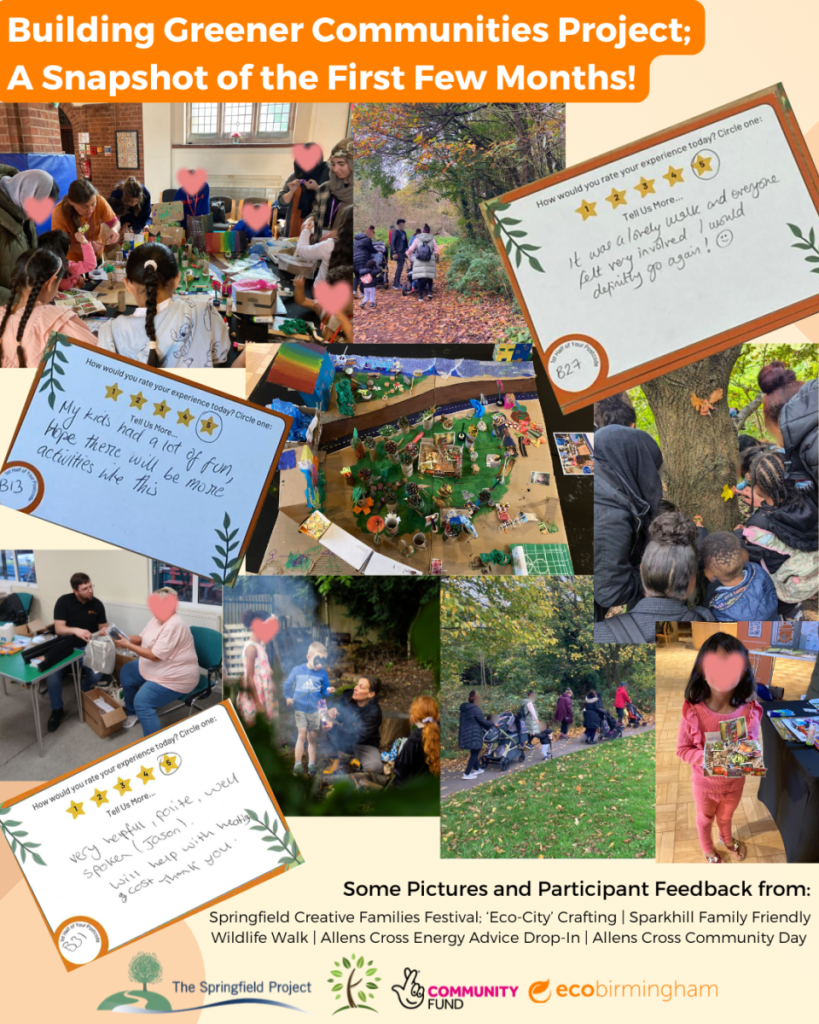
Unlocking the Power of Shared Goals
Collaborative projects are far more than mere activities designed to accomplish specific tasks; they represent a fundamental shift in how individuals interact and communicate within a community. By centering on shared goals, these endeavors encourage people to set aside individual differences and focus on what can be achieved collectively. This spirit of cooperation has the potential to heal divides and foster a culture of inclusivity, transcending barriers that often separate people by age, race, or economic status.
One compelling example can be found in community gardens, which have burgeoned across urban landscapes in the United States. These vibrant spaces not only provide fresh produce but also serve as vital meeting grounds for local residents. Individuals who may never have crossed paths in their daily lives come together to plant, tend, and harvest crops, fostering a sense of belonging and ownership in the process. As they share gardening tips and recipes, bonds are formed that extend beyond the garden’s borders.
The benefits of such collaborative projects are manifold. They promote essential skills that enhance both personal and communal growth while contributing to overall well-being. Here are a few significant advantages of engaging in collaborative endeavors:
- Enhanced Communication Skills: Participants learn to articulate their ideas, listen actively, and navigate discussions, honing skills that are invaluable in both personal and professional settings.
- Increased Engagement: When individuals invest time and effort into a project, they become more invested in their community. This heightened engagement often leads to ongoing participation in other local initiatives.
- Strengthened Networks: Collaborative projects provide opportunities for participants to meet others with similar interests, thus creating networks that can extend beyond initial projects into future collaborations.
Moreover, these projects often pave the way for local leadership development. Community members who may have previously felt marginalized or unheard find their voices and positions of influence through collaborative initiatives. For instance, organizing a local festival, where various groups come together to plan and execute events, can elevate individuals’ status in the community and inspire others to partake actively.
In today’s fast-paced world, the act of working together can cultivate a renewed sense of purpose and belonging. Rather than viewing our communities as collections of isolated individuals, collaborative projects offer a way to weave together our diverse experiences and perspectives into the rich tapestry of society. By fostering an environment that values collaboration, we not only strengthen existing relationships but also build new ones that may last a lifetime.
| Category | Description |
|---|---|
| Community Engagement | Through active participation in collaborative projects, individuals experience a sense of belonging and contribute to the greater good. |
| Relationship Building | Joint efforts foster trust and camaraderie, allowing friendships to germinate and deepen over time. |
| Skill Development | Collaborative projects enable participants to acquire new skills while learning from each other’s strengths. |
| Cultural Exchange | Engaging with diverse groups leads to a broader perspective, enriching personal and community narratives. |
The essence of project collaboration transforms what could be isolated endeavors into dynamic community hubs. As individuals gather to work on shared goals, their interactions become a powerful force for unity. Not only do these environments cultivate a spirit of inclusion, but they also serve as fertile ground for innovation and creativity. By promoting open dialogue and mutual respect, collaborative projects breed understanding, allowing relationships to blossom amidst the cultural richness brought by diversity. The ongoing dialogue inherent in team efforts offers a jewel of wisdom: we are stronger together. Every discussion, brainstorm, and challenge creates an opportunity for personal growth while forging community ties that can last a lifetime. Collective experiences not only create lasting memories but forge networks that strengthen the social fabric. Indeed, collaborative work is a masterclass in community building that invites participants to explore and grow together, revealing further dimensions of human connection.
Building Trust Through Shared Experiences
At the heart of collaborative projects lies the powerful dynamic of trust-building. When individuals come together to work toward a common objective, they undergo shared experiences that foster deeper connections. This collaborative spirit often transforms strangers into friends, as working side by side toward a tangible goal breaks down previous barriers. Emotional investment in a project leads participants to rely on one another, cultivating trust essential for flourishing community relationships.
For example, many cities in the U.S. have initiated neighborhood watch programs, which encourage community members to collaborate in safeguarding their environments. These initiatives not only serve a practical need by reducing crime rates but also nurture relationships among residents who might not otherwise interact. By coming together for a shared purpose, participants develop a sense of security, camaraderie, and trust that extends throughout the community, often resulting in a ripple effect of increased participation in further local efforts.
Additionally, workplace collaborations offer another rich terrain for relationship-building. In diverse teams across various industries, employees learn to appreciate one another’s strengths, perspectives, and backgrounds. Research has shown that diverse teams are not only more innovative but also better at problem-solving. By developing relationships through shared projects, coworkers are more likely to foster a healthy and inclusive workplace culture, which ultimately leads to increased job satisfaction and productivity.
Moreover, the impact of collaborative initiatives can be observed in the realm of social justice movements. Organizations like the Black Lives Matter movement exemplify how collaborative efforts can build alliances across different communities. By organizing protests and community discussions, individuals come together with a shared mission to address systemic inequalities. The relationships forged through these collaborative efforts empower participants by amplifying voices that may have been marginalized and creating a collective intent to achieve long-lasting societal change.
As data continues to highlight the importance of social capital in fostering resilience and well-being, the role of collaborative projects becomes even more critical. A report from the Pew Research Center found that communities with high levels of social trust experience greater overall happiness and success in civic engagement. Thus, fostering environments where collaboration thrives leads not only to accomplished goals but also to healthier, more vibrant communities.
In educational settings, collaborative projects provide a unique opportunity for students to form forming relationships with peers from diverse backgrounds. Group assignments or community service projects instill skills such as teamwork and conflict resolution, encouraging students to open their minds to different perspectives. This foundation of collaboration in schools often translates into stronger interpersonal relationships and civic-minded individuals who carry these values into adulthood.
Through these various collaborative platforms, communities can witness the profound effects of working together—where connections that begin with shared goals transform into lasting relationships that benefit the community as a whole. Emphasizing the power of collaboration is essential as we strive to create environments rooted in trust, understanding, and respect.
Embracing the Power of Collaboration
In an era where social disconnection can often overshadow community spirit, collaborative projects emerge as powerful catalysts for fostering relationships and strengthening communities. Through shared experiences, participants not only achieve individual and collective goals but also create a tapestry of trust, understanding, and camaraderie. From neighborhood watch programs to workplace initiatives and social justice movements, collaborative efforts have proven their relevance in various contexts, reinforcing the notion that we are indeed stronger together.
As demonstrated, the benefits of collaboration extend far beyond mere task completion. Participants often cultivate lifelong friendships, develop essential skills, and inspire a culture of inclusivity and engagement. Each project serves as a building block for social capital, contributing to overall community well-being, resilience, and satisfaction. By empowering individuals and amplifying voices through collective action, communities can address challenges with greater efficacy and foster lasting change.
Looking ahead, it becomes imperative for organizations, educational institutions, and community leaders to prioritize and facilitate collaborative endeavors. Encouraging participation in collaborative projects not only unlocks innovative solutions but also crafts connections that echo beyond the immediate engagement, fostering a sense of belonging and shared purpose. As we explore the myriad opportunities for collaboration, let us continue to champion environments that embrace diversity and cultivate relationships, ensuring that the fabric of our communities remains strong and cohesive.