Crafting for Wellness: The Therapeutic Benefits of Engaging in Creative Hobbies
The Therapeutic Power of Creativity
In a society constantly on the go, finding pockets of peace has become an elusive task. Yet, integrating creative hobbies like crafting into daily routines presents a promising solution for relaxation and personal expression. Research consistently indicates that these creative outlets do not merely serve as enjoyable pastimes; they are pivotal to enhancing mental health and overall well-being.
Understanding the Benefits of Crafting
Crafting goes beyond the simple act of making art; it offers profound positive effects through the very process of creativity. Here are some of the major benefits:
- Stress Relief: Engaging in activities such as knitting, painting, or woodworking has been shown to effectively lower cortisol levels, the hormone associated with stress. A 2016 study published in the journal Art Therapy indicated that just 45 minutes of creative activity can significantly reduce stress.
- Mindfulness: Crafting requires focus and attention, which nudges participants into a meditative state. This form of mindfulness helps cultivate mental clarity, allowing individuals to let go of distractions and immerse themselves in the present moment.
- Improved Mood: The process of creating often triggers the release of dopamine, commonly known as the “feel-good” neurotransmitter. This biological reaction can elevate mood and combat symptoms of anxiety and depression.
Cognitive and Physical Benefits
Furthermore, research indicates that crafting can lead to enhancements in cognitive functions, fine motor skills, and self-confidence. For instance, activities like crocheting or model-building require the use of specific motor skills that are beneficial for brain health, especially in adults. Additionally, finishing a project can instill a sense of accomplishment, boosting self-esteem and instigating a cycle of positivity.
As DIY culture flourishes across the United States, people are increasingly recognizing creative endeavors as integral to their lifestyles rather than mere hobbies. Websites like Pinterest and social media platforms are brimming with crafting tutorials, showcasing the accessibility of these artistic outlets. Communities worldwide are engaging more in creative pursuits from intricate home decor projects to homemade skincare products, witnessing firsthand the benefits of creativity.
Transformative Power of Crafting
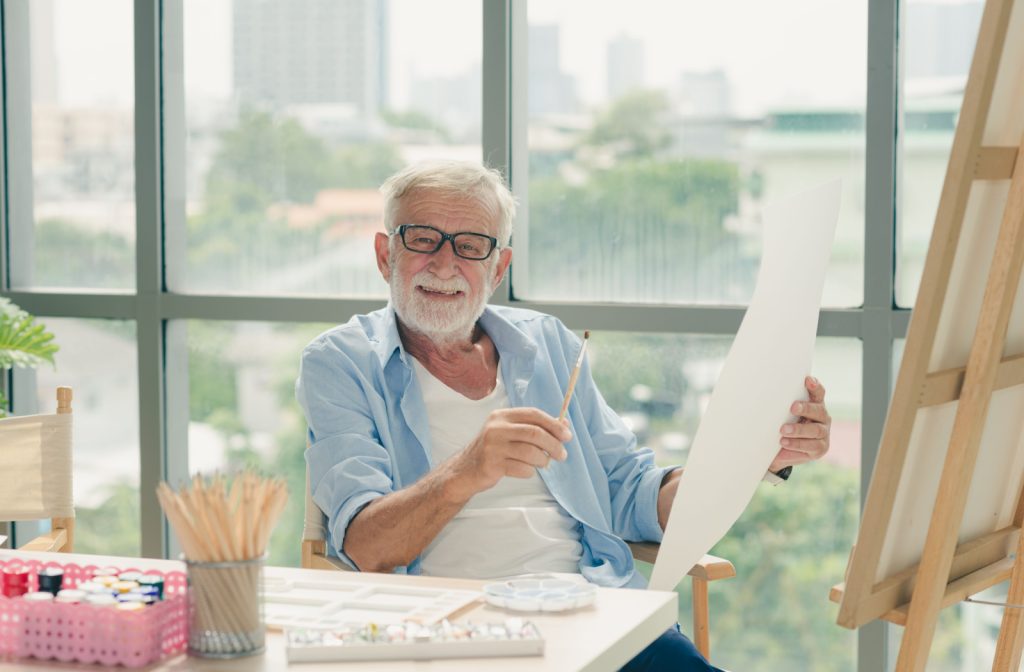
As we further explore the implications of crafting for mental wellness, it becomes clear that engaging in creative activities is a powerful tool for transformation. Not only can these pursuits combat the stresses of modern life, but they also foster a deeper connection to our own creativity. Whether it is through crafting workshops, online classes, or communal crafting events held in local community centers, there is an array of opportunities available to harness the healing power of creativity.
In conclusion, engaging in crafts is not only a way to express oneself artistically; it also serves as a therapeutic practice essential for enriching mental health and overall well-being. Embracing the spectrum of available creative activities can lead to a more fulfilling and balanced life.
Unleashing Creativity for Mental Health Benefits
Engaging in crafting provides an opportunity to unlock potential healing properties that many individuals may overlook. The therapeutic benefits extend well beyond the mere outcome of the craft itself; they dive deep into the innate processes of creativity and self-expression. By actively participating in various creative hobbies, individuals can experience a multitude of psychological perks that contribute to their overall sense of well-being.
Connection to Emotional Well-Being
Crafters often describe the act of creating as a way to connect with their emotions. Whether it’s through the rhythmic motion of hand-stitching or the vibrant strokes of a paintbrush, crafting serves as an emotional outlet that can help to process feelings that might otherwise go unexpressed. Engaging in creative activities fosters a natural exploration of personal feelings, allowing individuals to confront suppressed emotions in a safe space.
Strengthening Social Connections
The social aspect of crafting is another significant benefit that many practitioners appreciate. Participating in craft classes, workshops, and community events can build a sense of camaraderie among peers who share similar interests. Volunteering for group projects or participating in community art initiatives not only enhances one’s crafting skills but can also foster friendships and a supportive social network. Here are some social benefits linked to crafting:
- Building Relationships: Crafting can serve as a bonding activity, bringing people together over shared interests.
- Reduced Loneliness: Involvement in group craft sessions provides a sense of belonging that can combat isolation, particularly in vulnerable communities.
- Sparking Conversations: Creative hobbies often act as icebreakers, leading to engaging discussions and meaningful connections.
Promoting Resilience through Creative Challenges
One of the remarkable aspects of engaging in creative hobbies is the opportunity it provides for personal growth. Crafting involves problem-solving and experimentation, which can yield a sense of accomplishment, even in the face of challenges. Learning new techniques or experimenting with unfamiliar materials encourages adaptability, teaching individuals how to approach obstacles with a positive mindset. This resilience can translate into other areas of life, empowering individuals to face personal challenges outside the realm of crafting.
In summary, crafting offers a pathway to emotional fulfillment, social interaction, and personal growth. By embracing creativity as an integral part of life, individuals not only benefit themselves but also cultivate a vibrant community that fosters support and well-being. As the crafting trend continues to flourish across the United States, the exploration of its therapeutic advantages becomes increasingly relevant, enticing many to pick up a hobby that can enrich their lives in more ways than one.
Crafting as a Stress Reliever
One of the most impactful therapeutic benefits of engaging in creative hobbies like crafting is their ability to significantly reduce stress. Numerous studies suggest that when individuals immerse themselves in creative activities, their levels of cortisol, a primary stress hormone, decrease. This can lead to a sense of calm and overall well-being, fostering a positive emotional state. Crafting allows individuals to escape the hustle of daily life, offering a productive distraction and a space for mental relaxation.
Enhanced Mental Health
Participating in creative hobbies is also linked to improved mental health. By focusing on the process of crafting, individuals often find that their minds can declutter, paving the way for improved mood and a reduction in feelings of anxiety and depression. Activities such as painting, knitting, or woodworking not only distract from negative thoughts but also promote feelings of accomplishment and control, which are crucial for mental wellness.
Social Connection through Crafting
Another significant advantage of engaging in creative hobbies is the opportunity to foster social connections. Crafting can be a communal activity, where individuals share their passion with others through workshops, classes, or online communities. These interactions not only provide a support system but also allow for the sharing of experiences and techniques, enhancing the therapeutic benefits of crafting. The socialization connected to these hobbies can lead to lasting friendships and a sense of belonging, which are vital components of emotional health.
| Category | Advantages |
|---|---|
| Stress Relief | Reduces cortisol levels and promotes relaxation. |
| Mental Health Boost | Helps alleviate anxiety and improves overall mood. |
| Social Engagement | Facilitates connections through workshops and community events. |
Exploring the therapeutic aspects of creative hobbies sheds light on how simple crafting activities can be integrated into our daily lives for substantial health benefits. Whether it’s pottery, sewing, or digital art, the possibilities are endless, and the advantages manifold. Each stitch, brush stroke, or mold not only serves as a means of creative expression but can also transform one’s mental landscape.
Mindfulness and Focus: Crafting as a Form of Meditation
For many crafters, the act of creating serves as a profound form of mindfulness. As individuals immerse themselves in crafting activities, they shift their focus away from everyday stressors and anxieties, anchoring themselves in the present moment. This mindfulness is further enhanced through repetitive motions, such as knitting or sanding wood, which can induce a meditative state. Similar to traditional meditation, crafting allows the mind to calm down, creating a space where creative flow can flourish.
Enhancing Cognitive Function
Engaging in creative hobbies is not just beneficial for emotional and social wellness, but it also plays a vital role in enhancing cognitive function. Studies have demonstrated that participating in arts and crafts can improve brain health by fostering neuroplasticity—the brain’s ability to adapt and change throughout life. Activities such as painting, woodworking, and even adult coloring books stimulate various regions of the brain associated with problem-solving, critical thinking, and memory. Moreover, it has been observed that regular engagement in such projects can potentially reduce the risk of cognitive decline often associated with aging.
Therapeutic Community Programs
In addition to individual pursuits, many communities across the United States have begun to recognize the therapeutic potential of crafting by developing programs that promote mental health and well-being. Art therapy, for example, is a form of treatment that uses creative expression to help individuals address psychological challenges. These programs typically bring together licensed therapists and community members to explore self-expression through crafts, allowing participants to tackle issues such as grief, anxiety, and depression in a supportive environment. Furthermore, organizations that partner with local artisans often provide classes that create a safe space for individuals to open up while channeling their feelings into tangible art.
Digital Crafting: A New Frontier
The digital age has given rise to a new variant of crafting that combines technology with creativity. Digital crafting, which includes activities such as graphic design, 3D modeling, and even virtual scrapbooking, allows individuals to explore their artistic talents through innovative platforms. Engaging in these activities can reduce stress and provide a fresh outlook on traditional crafting methods. Additionally, online crafting communities, via social media and dedicated forums, unite thousands of enthusiasts, providing inspiration, support, and a sense of belonging that may extend beyond physical boundaries.
Accessing Crafting for All
To truly appreciate the therapeutic benefits of crafting, it’s important to recognize the efforts made to ensure access to these activities for all individuals. Various organizations aim to provide materials and resources to underserved communities, emphasizing the role of crafting in promoting mental wellness. Programs that offer free workshops, access to crafting supplies, and community crafting events help bridge the gap, allowing individuals from all backgrounds to engage in creative hobbies. This not only nurtures personal development but also strengthens community bonds.
Crafting has evolved into a multifaceted approach for individuals seeking emotional, cognitive, and social benefits. By fully embracing the therapeutic aspects of creative hobbies, individuals across the nation are discovering new pathways to wellness, fulfillment, and connection.
Conclusion: Embracing Crafting for a Healthier Life
In a fast-paced world driven by constant information overload and daily stresses, the art of crafting emerges as a vital antidote. The exploration of creative hobbies significantly bolsters mental wellness, fuels cognitive function, and fosters community connection. From the calming effects of repetitive motions in crafting to the cognitive enhancements of engaging with art, individuals can harness these activities to navigate life’s challenges with greater resilience.
As this article has revealed, the therapeutic benefits of crafting extend far beyond mere enjoyment. Programs in communities across the United States are implementing art therapy, creating safe spaces for individuals to express their emotions and connect with others. The rise of digital crafting also highlights how technology can bridge gaps, inviting people from all walks of life to unleash their creativity in new and innovative ways.
Importantly, initiatives that aim to make crafting accessible to underserved communities provide an opportunity for enrichment and connection that blends personal growth with a collective spirit. As we embrace the multifaceted nature of crafting, we unlock pathways toward improved mental health, community engagement, and creative fulfillment.
In light of this rich landscape of benefits, consider integrating crafting into your life—not just as a hobby, but as a therapeutic tool. Whether you are knitting your first scarf, painting a canvas, or constructing a digital masterpiece, remember that every craft has the potential to heal, inspire, and connect. Engage in crafting not just for the act itself, but for the journey it invites you on—a journey toward a healthier, happier self.