Digital Crafts: How to Use Technology to Create Unique and Personalized Projects
The Dynamic Fusion of Crafting and Technology
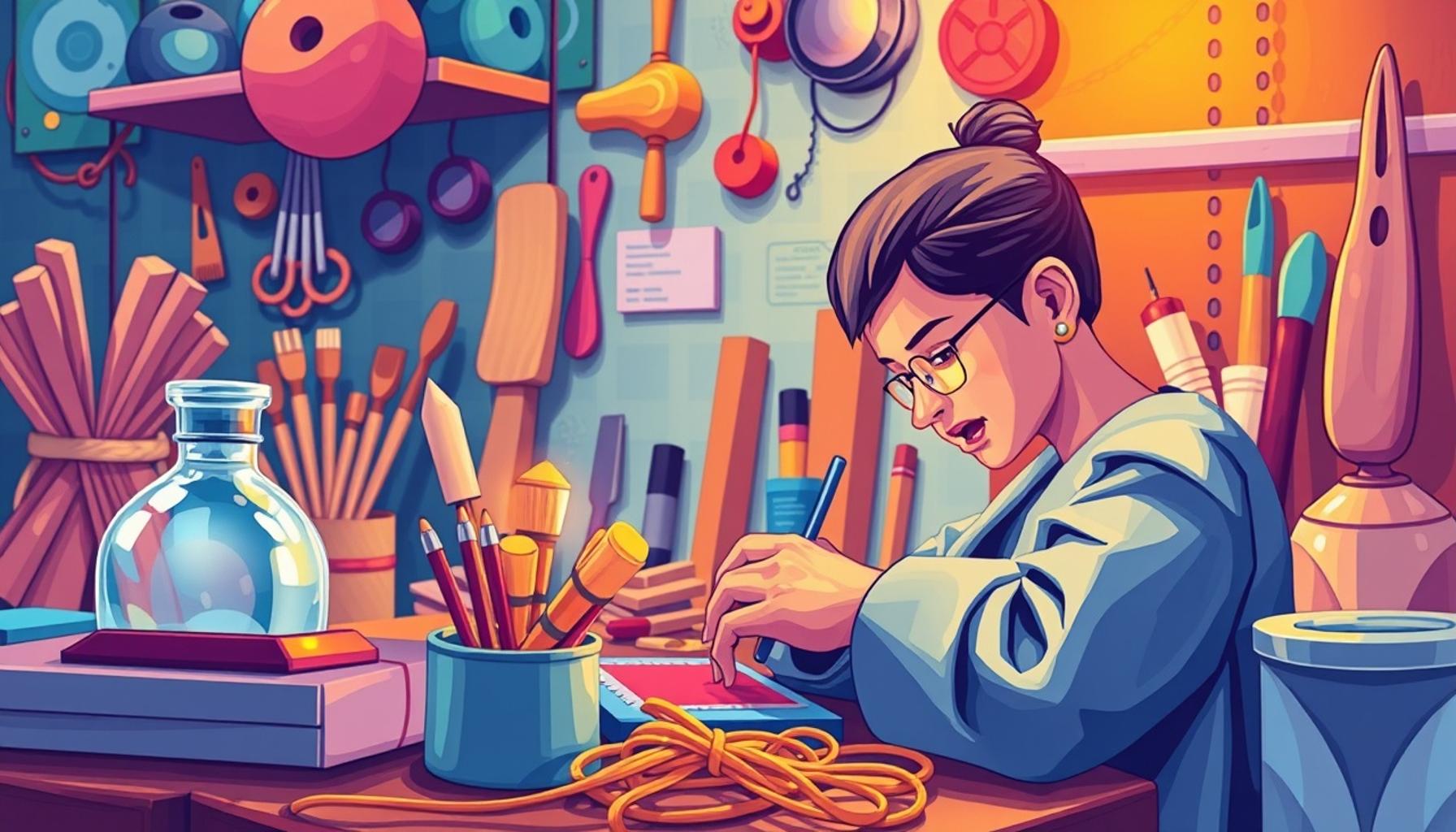
In today’s fast-paced digital age, creativity takes on new dimensions. Digital crafts blend traditional artistic skills with cutting-edge technology, enabling creators to produce one-of-a-kind projects that reflect personal style and innovation. The transformation of the crafting landscape is not just a trend; it signifies a cultural shift that invites a broader audience to engage in the arts.
Imagine a world where the tools of crafting evolve beyond just paper and glue. Thanks to innovations in technology, artists and hobbyists now have access to an array of advanced tools that augment their creative abilities. Here are some exciting examples of how technology enhances traditional crafts:
- 3D Printing: This technology allows creators to design custom objects with intricate details that are impossible to achieve by hand. Artists can create everything from delicate jewelry to complex architectural models, opening new avenues for functional art. Notably, platforms like Shapeways provide a marketplace where individuals can sell their 3D-printed designs, thus monetizing their creative endeavors.
- Laser Cutting: With this precision tool, creators can achieve clean patterns and engravings on various materials, ranging from wood to acrylic and fabric. This technique has found a home in the world of home décor, where personalized items like custom wall art or engraved gift items are now widely sought after. Small businesses, in particular, leverage laser cutting to produce unique items that stand out in a crowded marketplace.
- Digital Illustration: Software programs like Adobe Illustrator and Procreate allow artists to paint, draw, and edit illustrations that can be printed on demand. This opens new avenues for artists to sell their work online through platforms such as Etsy or Redbubble, where digital illustrations can be transformed into prints, t-shirts, and more.
- Virtual Reality: VR technology provides immersive environments for creative brainstorming and project visualization. By simulating a virtual studio, artists can experiment with space, color, and form in ways that traditional crafting would not allow. For example, interior designers can use VR tools like SketchUp to visualize a living space before any materials are ordered.
These advancements not only foster creativity but also simplify the crafting process, significantly reducing the time and effort required to produce intricate items. Personalized projects can now be completed faster and with greater precision. This ease of access to sophisticated tools encourages more people—from hobbyists to professional artists—to share their work with the world, thus enriching the cultural fabric of society.
The fusion of technology with arts and crafts opens the doors to a future of limitless potential. Are you ready to explore the vast landscape of digital crafts and discover how to bring your unique visions to life? Whether you are an aspiring designer in the heart of a bustling metropolis or a hobbyist in a quiet town, the tools of contemporary crafting empower you to express your creativity in ways that were once unimaginable.
Innovative Tools Revolutionizing the Crafting Landscape
As the world continues to embrace technology, the art of crafting has transformed into a dynamic arena where innovation meets creativity. The advent of digital crafts allows individuals to personalize their projects with astonishing precision and flair. By integrating modern technology with traditional crafting practices, it is now possible to tailor unique and meaningful items that resonate with personal stories and styles.
To dive deep into how technology enhances crafting, it’s essential to explore some of the most impactful tools and techniques currently shaping the industry. Here are several transformative technologies that have become game-changers:
- CNC Machines: Computer Numerical Control (CNC) machines enable craftsmen to carve out intricate designs in various materials, including wood, metal, and plastic. This technology can create everything from bespoke furniture to customized signage. By skillfully transforming digital designs into physical objects, CNC machines elevate the level of craftsmanship, allowing for unparalleled accuracy and complexity.
- Digital Cutting Machines: Tools like the Cricut and Silhouette Cameo have garnered immense popularity among crafters. These machines can cut precise shapes and designs from a variety of materials, including vinyl, cardstock, and fabric. With user-friendly software, crafters can design their own patterns or access pre-made templates, significantly broadening the scope of what can be created.
- Augmented Reality (AR): AR technology is redefining how creators visualize their projects. By overlaying digital designs onto real-world environments via smartphones or tablets, users can see how colors, fabrics, or patterns will look in their actual spaces or on their desired products. This immediate feedback loop enhances the decision-making process, ensuring that projects are not only unique but also perfectly aligned with the crafter’s vision.
- Online Learning Platforms: The rise of platforms such as Skillshare and Udemy offers aspiring digital crafters the opportunity to refine their skills through virtual workshops. These resources empower users to stay updated with the latest trends, learn new techniques, and connect with a community of fellow creators. Such educational tools make it easier than ever to master new crafts and stay competitive in the ever-evolving crafting marketplace.
With each technological advancement, the potential for unique and personalized projects grows exponentially. It is not just about creating visually appealing items; it’s also about expressing individuality through one’s work. Whether you are an architect looking to design customized furniture or a parent crafting personalized gifts for your children, the tools at your disposal can help bring those visions to life with incredible efficiency and style.
As you navigate the world of digital crafts, consider how these innovative tools can not only elevate the quality of your projects but also enhance the overall crafting experience. The overlap between technology and creativity is more than a trend; it is a movement that redefines what it means to create in the modern age.
| Category 1 | Category 2 |
|---|---|
| Digital Tools | Software and apps that enhance creativity and customization. |
| Sustainability | Enables eco-friendly crafting methods through digital means. |
| Community Engagement | Platforms that connect like-minded crafters and creators. |
| Customization | Personalized designs tailored to individual preferences. |
In exploring the realm of Digital Crafts, we find innovative tools fostering creativity and sustainability. Digital tools, such as design software and crafting applications, serve as a canvas for individuals seeking to create unique pieces through technology. This intersection of art and tech not only expands artistic horizons but also opens avenues for personalization, allowing crafters to imbue their projects with individuality.Sustainability is another vital aspect of this domain. Many digital crafting techniques promote eco-friendly materials and methods, reducing waste and encouraging conscious consumption within the crafting community. For instance, using digital designs for laser cutting allows for precise material use, thereby minimizing leftover scraps.Moreover, the digital crafting landscape nurtures community engagement. Online platforms facilitate connections among crafters, fostering collaboration and knowledge-sharing across diverse backgrounds. This digital camaraderie enhances skills while inspiring new ideas. Whether through project sharing or participation in challenges, the sense of belonging galvanizes creativity, making crafting a collective journey rather than a solitary endeavor.The customization capabilities offered through digital means further enhance this exploration. By utilizing software tools, individual preferences can be seamlessly integrated into projects, yielding pieces that resonate personally and reflect one’s unique style. With these aspects, digital crafting transforms not just how we create but also the very essence of our projects, melding technology with traditional crafting principles for a more enriched experience.
Exploring the World of Customized Creativity
As we delve deeper into the realm of digital crafts, it’s essential to recognize that creativity can flourish in many forms. While innovative tools have paved the way for new crafting possibilities, the choice of materials is equally vital in ensuring each project stands out. Whether you prefer traditional elements or contemporary digital resources, selecting the right medium can profoundly influence the final product.
One trend that has taken the crafting world by storm is the use of 3D printing. This technology allows creators to bring their designs to life through additive manufacturing, crafting intricate and personalized items directly from their digital models. A parent, for example, might print custom toys tailored to their child’s interests or a designer could create unique home décor pieces that reflect individual aesthetics. The flexibility of 3D printing extends beyond just prototyping; it opens doors to explore innovative materials like biodegradable plastics, which align with sustainable crafting practices.
In addition to 3D printing, the realm of digital embroidery offers enticing opportunities for personalized crafting. Machine embroidery has advanced tremendously, and with digital embroidery software, crafters can design their own stitches, logos, or intricate patterns that can be embroidered on various fabrics. This technology not only simplifies the process but also elevates traditional embroidery by enabling the integration of complex designs that were previously unattainable. For instance, makers can create personalized apparel or distinctive patches that celebrate special occasions, making each piece truly one-of-a-kind.
Additionally, the popularity of laser engraving continues to surge among digital crafters. This technique allows users to carve or etch designs into materials such as wood, acrylic, and leather with impressive detail. Personalized gifts, like engraved keepsakes or branded promotional items for businesses, have gained a following due to their unique nature and touch of craftsmanship. With the push of a button, digital designs can translate into sophisticated engravings that convey thoughtful sentiments or artistic flair.
To broaden horizons, mobile crafting applications have emerged, revolutionizing how crafters manage projects on-the-go. Apps like Canva and Procreate provide tools for designing graphics and layouts straight from mobile devices. These platforms have empowered crafters to create stunning visuals and marketing materials, promoting their crafts online or in local markets effectively. Accessibility to such resources has made it easier for crafters to share their unique projects, tapping into a global audience.
Moreover, engaging with social media has become an essential part of the crafting journey. Platforms like Instagram and Pinterest serve as thriving communities where users showcase their creations, share tips, and inspire one another. Crafting trends can be traced through hashtags and follower interactions, making it easier for individuals to discover new ideas or techniques that align with their interests. Leveraging these platforms for feedback or collaboration can catalyze creativity and innovation in the digital crafting landscape.
In exploring the diverse uses of technology in crafting, it is vital to remember that the essence of personalized projects lies in the fusion of innovation with the creator’s distinct vision. Now more than ever, the synergy between digital advancements and traditional craftsmanship allows for an infinite array of possibilities, each waiting to be discovered and realized.
Embracing the Future of Digital Crafting
In conclusion, the world of digital crafts is a vibrant fusion of creativity and technology that empowers individuals to express their unique vision through personalized projects. The advancements in digital tools, such as 3D printing, digital embroidery, and laser engraving, provide unparalleled options for crafters, allowing them to transform their imaginative ideas into tangible works of art. With the right combination of materials and innovative technologies, the crafting landscape has expanded, offering countless avenues for self-expression.
Moreover, the integration of mobile crafting applications and the rich collaborative space afforded by social media platforms have further democratized the craft space, making it accessible to anyone with a creative spark. Crafting no longer requires extensive technical skills; instead, it invites enthusiasts from all backgrounds to explore their creativity in a community-oriented environment. Whether showcasing intricate designs online or experimenting with new techniques, crafters are continuously elevating their skills and contributing to a diverse crafting ecosystem.
As we navigate this exciting digital age, let us remember that the heart of crafting lies not just in the final product but in the journey of creation itself. Each project reflects personal stories and passions, embodying a blend of traditional artistry and modern technology. Embrace the tools at your disposal, unleash your creativity, and embark on your own journey through the vast, exhilarating world of digital crafts. The opportunities are endless, waiting to be explored and realized.