Exploring Art Diversity The Impact of Artistic Pursuits on Cultural Communities
Introduction
Artistic pursuits play a pivotal role in fostering cultural diversity and enriching communities by creating an inclusive atmosphere where varied traditions flourish. They serve as powerful vehicles for self-expression, offering individuals the opportunity to articulate their unique perspectives and experiences through various forms such as painting, music, dance, and literature. In an era increasingly characterized by globalization, the ability of art to bridge cultural divides and cultivate understanding is more relevant than ever.
When individuals engage in creative hobbies, they unlock new avenues for exploring identity and personal growth:
- Encourage personal expression: Artistic activities enable individuals to project their inner thoughts and emotions, crafting a narrative that reflects their distinct viewpoint. A painter, for instance, might convey complex emotions through abstract forms and vibrant hues, offering a window into their internal world.
- Promote community engagement: Art serves as a communal language that can unite disparate groups around a shared passion or project. This collaborative potential is often seen in community art installations or local theater productions that bring people together, fostering bonds and shared experiences.
- Foster cultural literacy: By exploring the arts, individuals gain insight into the historical and cultural contexts of different artistic traditions, whether it’s through attending an exhibit of African masks or a flamenco dance performance, enhancing their appreciation and understanding of diverse cultural heritages.
This article will delve into the profound effects that artistic endeavors have on cultural communities around the globe. Prepare to discover our ranked selection of the Top 5 impacts of artistic pursuits, illuminating their transformative power in shaping and connecting societies. Join us as we explore how these creative endeavours not only inspire, but also prompt reflection and dialogue in communities worldwide.
Exploring Diversity in the Arts: The Impact of Artistic Pursuits on Cultural Communities
Artistic pursuits serve not only as a means of personal expression but also as a vibrant heartbeat within cultural communities. The ways in which diverse artistic endeavors influence and shape these communities are profound. In this article, we explore the top 5 impacts of artistic pursuits on cultural diversity, ranking them from fifth to first.
5. Community Engagement and Social Cohesion
Artistic pursuits play a crucial role in fostering community engagement and social cohesion. Local art projects often rally community members around a shared creative goal, breaking down barriers and strengthening interpersonal connections. Engaging in artistic collaborations—such as murals in public spaces or community theater—creates an inclusive atmosphere where individuals from various backgrounds come together to express their thoughts and feelings.
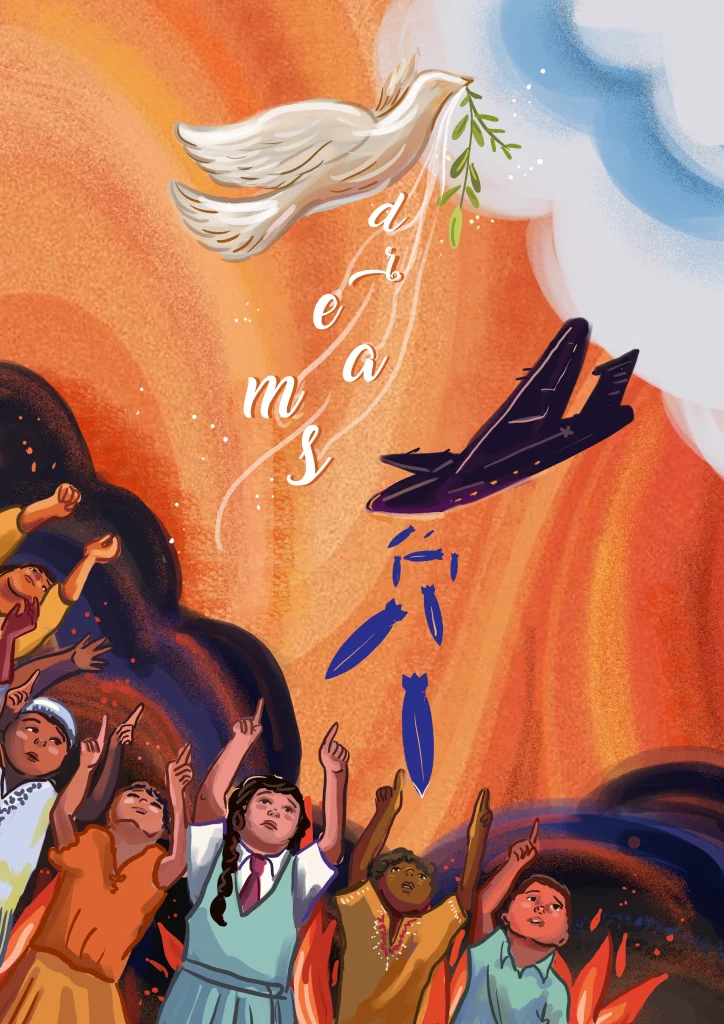
These communal artistic activities, such as crafting a mural depicting important local histories or staging a culturally inclusive theater production, allow community members to work together toward a common goal. This process naturally fosters trust and collaboration, laying the groundwork for long-lasting social bonds.
Research shows that art can mitigate social tensions and enhance partnerships within communities. When community members work together on artistic initiatives, they learn more about each other’s cultures, thus fostering empathy and mutual respect. This ultimately leads to a more cohesive, tolerant, and understanding community environment.
4. Promotion of Cultural Identity and Heritage
Artistic expression is a vital medium for preserving cultural identities and heritage. Artistic pursuits allow individuals to explore their roots and share their traditions through various forms of creative expression such as dance, music, and visual arts. These activities not only help to educate others about unique cultural heritages but also provide marginalized communities an opportunity to celebrate their identities openly.
By showcasing traditional dress through fashion shows or breathing new life into ancient myths through storytelling events, cultural narratives are kept alive and passed down through generations. This communal celebration and exploration of heritage sustain the identity of a community, nurturing pride and continuity.
Moreover, projects that focus on sharing cultural narratives can lead to increased awareness and appreciation of diversity. As cultural projects flourish, they encourage younger generations to honor and carry forward these traditions, ensuring that their history remains alive for years to come, enriching the cultural tapestry of society.
3. Economic Development through Arts and Culture
The intersection of arts, culture, and economic development is evident in many communities. Artistic pursuits attract tourists, create job opportunities, and stimulate local economies. Cultural festivals and art exhibitions can become tourist attractions, generating revenue and providing local artists with platforms to showcase their talent.
- Job Creation: From artists to event planners, countless jobs arise as communities invest in creative projects.
- Tourism Boost: Unique cultural offerings can entice visitors to explore local craftsmanship.
- Local Business Growth: Art and culture can lead to an increase in demand for local goods and services.
By investing in cultural initiatives, communities not only celebrate their diversity but also pave the way for economic sustainability. A thriving arts scene can lead to a vibrant economy where artists, cultural practitioners, and local businesses collaborate to contribute to the community’s prosperity.
2. Bridging the Gap Between Generations
Artistic pursuits have the extraordinary ability to bridge generational gaps. Older and younger generations can connect through shared artistic experiences, creating an enriching dialogue that fosters understanding and collaboration. Initiatives like intergenerational art workshops or storytelling sessions empower both seniors and youth to learn from each other.
In societies where technological advancements can sometimes create divides, art acts as a unifying force that transcends age. For instance, a community music project can see elders sharing songs from their youth while younger participants contribute modern influences. This exchange of ideas helps create a rich tapestry of cultural insights, showcased through collaborative art pieces or performances.
Such projects not only enhance the creative skills of participants but also inspire cultural exchanges—where each group can share their unique perspectives. This leads to a collective cultural depth and insight that enriches community life.
1. Empowerment and Voice for Marginalized Communities
At the forefront of the impact of artistic pursuits on cultural diversity is empowerment for marginalized communities. Artistic expression often serves as a crucial outlet for voicing social issues, equality, and identity concerns faced by these groups. Initiatives that provide safe spaces for marginalized artists to express themselves can lead to transformational change within society.
Art has the power to provoke thought, challenge stereotypes, and articulate the lived experiences of diverse communities. Movements fueled by artistic expression, such as street art, spoken word poetry, and performance art, often emphasize social justice issues, directly influencing public perceptions and policies. These art forms give a platform to voices and issues that may otherwise be overlooked, driving societal change and greater inclusivity.
Furthermore, these pursuits create opportunities for dialogue, fostering understanding and solidarity among diverse groups working toward a common cause. Empowering voices through artistic expression not only enriches cultural landscapes but also mobilizes communities toward positive social change and inclusion.
In conclusion, the diverse impacts of artistic pursuits on cultural communities are extensive and vital for fostering unity, understanding, and resilience. These artistic endeavors not only promote cultural identities but also drive economic growth and empower voices often overlooked. Embracing and celebrating such diversity is essential for our collective future, as it assures us of a world where all voices and stories are honored and shared.
| Category | Description |
|---|---|
| Cultural Preservation | Artistic pursuits help in preserving cultural heritage by showcasing traditional art forms and practices. This creates a sense of identity and continuity among community members. |
| Community Engagement | Art initiatives encourage community involvement, allowing people from diverse backgrounds to come together. This fosters dialogue, understanding, and collaboration across cultural boundaries. |
| Economic Opportunities | Artistic projects often stimulate local economies by attracting tourism and creating jobs. Local artisans can gain recognition and financial support through these artistic events. |
| Social Change | Art has the power to inspire social change by raising awareness on critical issues. Through various forms of expression, artists can challenge societal norms and provoke thought within their communities. |
The exploration of diversity in arts reveals numerous impacts on cultural communities, serving both as a mirror to society and as a catalyst for growth. Each of these categories highlights the multifaceted role that artistic pursuits play in enriching lives, emphasizing the value of creative expressions in building harmonious societies. By engaging with their surroundings through art, communities not only reflect their history but also shape their futures, fostering connectivity among diverse populations.
Frequently Asked Questions: Exploring Diversity in the Arts
What is the significance of diversity in the arts?
Diversity in the arts is crucial because it ensures the representation of a broad range of cultures, ideas, and perspectives. This not only enriches the art world but also fosters inclusivity and understanding in society. When different cultural narratives and artistic styles are highlighted, it allows for a more comprehensive dialogue around what art can mean and symbolize. In essence, diversity in the arts can offer a venue for communities to see themselves represented, which is especially important in a globalized world.
How do artistic pursuits impact cultural communities?
Artistic pursuits have a profound impact on cultural communities by providing a platform for expression and dialogue. These pursuits can highlight cultural traditions, challenge stereotypes, and promote empathy between different groups. Moreover, the arts often create economic opportunities within communities through festivals, galleries, and cultural tourism. Art has the power to transform communities by fostering identity and resilience, offering both a voice and a destination for cultural interaction and exchange.
Can the inclusion of diverse perspectives in arts actually drive social change?
Yes, the inclusion of diverse perspectives in the arts can indeed drive social change. By showcasing different experiences and viewpoints, art can shed light on social issues, stimulate debates, and inspire action. Artists often tackle subjects like inequality, climate change, and justice, encouraging audiences to reflect on these topics from angles they may not have previously considered. Diverse artistic expressions create empathy and understanding, essential ingredients for initiating and sustaining social transformation.
What challenges do diverse artists face?
Diverse artists often encounter a range of challenges, including limited access to funding, representation, and platform visibility. These barriers can be exacerbated by systemic biases within the art industry and wider societal structures. Additionally, artists from minority backgrounds might face pressures to conform to certain narratives or aesthetics that do not fully encapsulate their experiences. Despite these challenges, many continue to strive for recognition, using their art to communicate powerful messages about their cultures and realities.
How can individuals support diversity in the arts?
Supporting diversity in the arts can be achieved through various means. Individuals can attend exhibitions, performances, and events that celebrate diverse cultures. Purchasing art from minority or underrepresented artists and advocating for inclusive policies within art institutions are other impactful ways. Additionally, fostering an environment that values diverse artistic contributions at schools, workplaces, and communities can help in building a more inclusive art world. Engaging with diverse artistic works not only broadens individual perspectives but also champions the inclusion of varied voices in cultural discourses.
Conclusion
In a world that thrives on enriched cultures and shared experiences, exploring diversity in the arts stands as a powerful testament to the potential of creative hobbies in shaping cultural communities. The endeavor to engage in artistic pursuits is more than a personal passion; it’s a bridge connecting disparate cultural histories and narratives. As we delved into the intricate tapestry of this topic, it became evident that the role of the arts transcends personal expression. It’s a transformative force that cultivates awareness and fosters unity amid diversity.
Key takeaways from this exploration highlight the arts as a conduit for preserving cultural heritage and nurturing inclusivity. In recognizing the myriad of voices and perspectives, communities can cultivate a sense of belonging and respect. Artistic endeavors draw attention to various cultural practices and histories, encouraging dialogues that transcend geographical and linguistic barriers. This focus on diversity in creativity not only celebrates the uniqueness of individual cultures but also underscores the universal language of human experience.
The impact of creative hobbies on cultural communities cannot be overstated. They empower individuals to express identity and narrate stories that might otherwise remain untold. The arts serve as a catalyst for meaningful interactions, creating spaces where mutual understanding flourishes. As enthusiasts, artists, and community members continue to explore and participate in the arts, the diversity it embodies is sure to promote both personal growth and community cohesion.
Ultimately, the journey into artistic diversity is an invitation to delve into a profound world of shared experiences and enriched understandings. As we embrace this journey, the vibrant mosaic of cultures around the globe becomes increasingly visible, igniting curiosity and inspiring empathy. This ongoing dialogue challenges us to think critically about the intersection of art and culture, prompting us to explore new pathways for inclusion and celebration.