Exploring Different Mediums: From Painting to Digital Art in Creative Expression
The Evolving Landscape of Artistic Expression
Art has always been a vibrant tapestry woven from countless threads, each representing a unique medium through which artists convey their thoughts and feelings. As societal dynamics shift and technology progresses, the journey from traditional forms of art to digital creativity is both captivating and complex. Understanding this spectrum not only helps us appreciate the various art forms but also encourages a deeper connection with the works that reflect our world.
Let’s explore some prominent artistic mediums that continuously capture the imagination of creators:
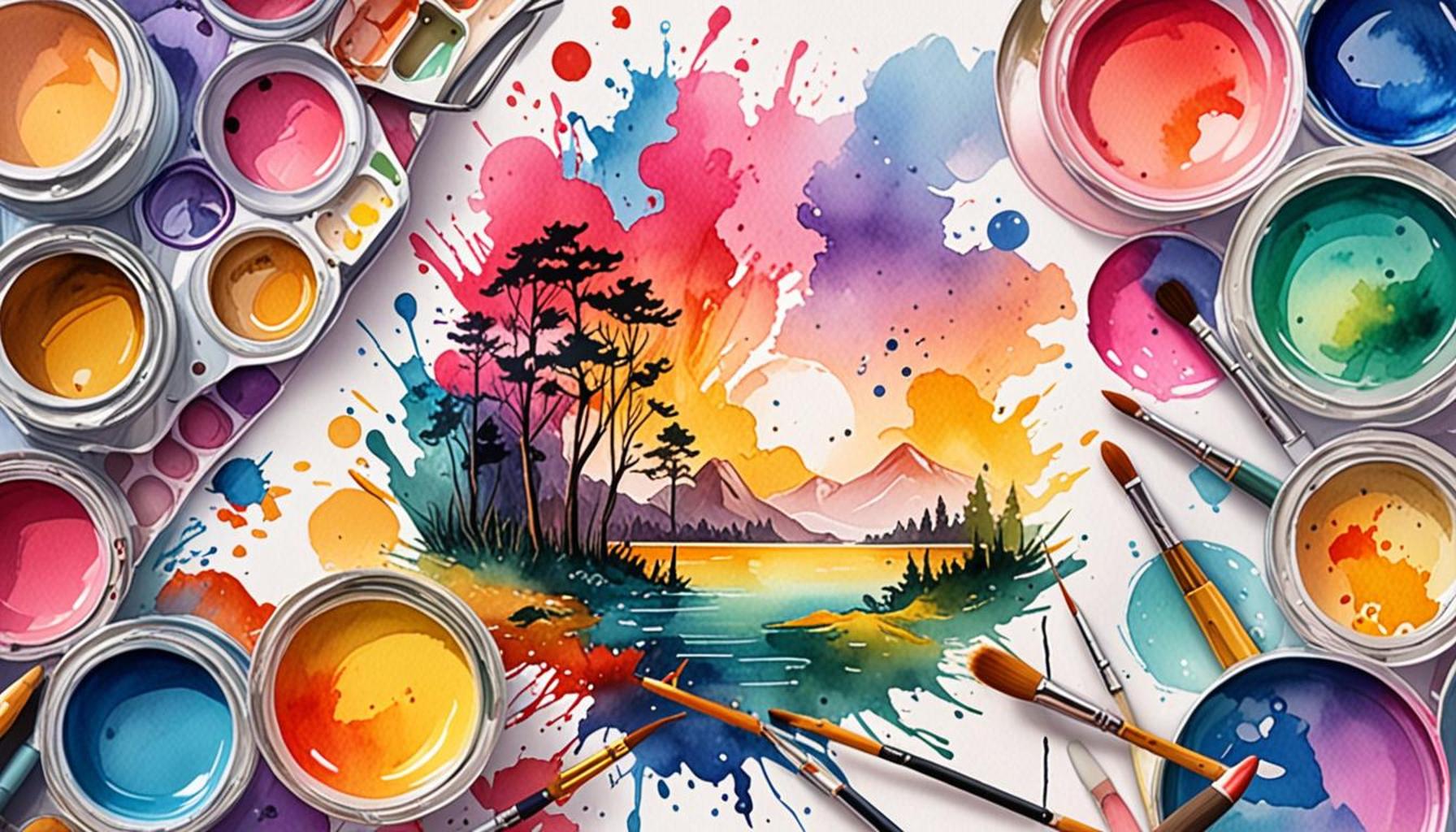
- Painting: This timeless medium includes traditional canvases, watercolors, and acrylic paints. Renowned artists like Vincent van Gogh and Georgia O’Keeffe have made indelible marks with their brushstrokes, each painting narrating a story and evoking emotion through color and form.
- Drawing: Utilizing tools such as charcoal, graphite, and pastels, drawing serves as a fundamental means of visual expression. Sketching remains crucial in the artistic process, allowing artists to develop concepts before transitioning to more complex projects. Iconic works by Leonardo da Vinci illustrate the mastery of this art form.
- Photography: From the transformative days of film cameras to the modern convenience of digital photography, this medium captures fleeting moments with remarkable clarity. Innovators like Ansel Adams and Cindy Sherman have pushed boundaries, using the camera not just as a tool, but as a means of social commentary.
- Digital Art: In the digital age, applications like Adobe Photoshop and Procreate empower artists to explore their creativity in unparalleled ways. Artists like Beeple have gained global recognition, showcasing the potential of digital artistry in contemporary culture.
- Mixed Media: This genre combines various materials, including collage and found objects, to construct multifaceted works. Artists such as Robert Rauschenberg have exemplified mixed media’s fluidity, blending different textures and styles to challenge traditional notions of art.
These artistic forms offer countless avenues for creativity. Artists not only delve into their inner worlds but also engage with pressing cultural and societal themes. For instance, contemporary issues such as climate change and social justice are frequently explored through varied mediums, making art a powerful vehicle for change.
As advancements in technology democratize art creation, more individuals can partake in this expressive journey. Many creators blend traditional techniques with modern digital tools, fostering a richer understanding of artistic potential and expanding the definition of what art entails. This blend of old and new not only revolutionizes how art is created but also how it is perceived and received by audiences worldwide.
In the following sections, we will delve deeper into these fascinating mediums, revealing how each contributes to the rich panorama of creative expression. Join us in uncovering the myriad ways artists manifest their visions and the techniques that underpin their compelling works. Explore with us as we journey through an intricate landscape of creativity that speaks to the human experience in diverse and powerful ways.
DISCOVER MORE: Click here to learn how theater and dance can transform lives
Timeless Techniques: The Enduring Allure of Painting and Drawing
Among the myriad artistic forms available, painting stands out as a quintessential canvas for expression. From the striking hues of impressionism to the intricate details of realism, painting embodies a direct dialogue between the artist and their audience. Traditional methods using oil, watercolor, and acrylics allow artists to imbue their work with personal narratives and cultural contexts. For instance, the emotive swirls of van Gogh’s “Starry Night” not only convey a sense of movement but also reflect the artist’s inner turmoil, creating an enduring connection with viewers across generations.
In the realm of drawing, the simplicity of a pencil or charcoal stick often belies the complexity of the images it can produce. This medium serves as the foundation for artists’ explorations, enabling them to draft ideas, practice techniques, and embrace spontaneity. The sketches of legendary figures like Michelangelo highlight how drawing can be both a preparatory step and a finished art form. It’s a powerful reminder that sometimes, the rawness of a sketch can convey emotion in a completely different way than a polished painting can.
The Photographic Journey: Capturing Reality
Photography, another significant medium, expands the artistic narrative into the realm of immediacy and realism. The ability to freeze a moment in time adds a layer of depth to storytelling within the art world. As photographers like Ansel Adams showcased with his breathtaking landscapes, this medium allows for the depiction of natural beauty while simultaneously commenting on environmental issues. Urban photographers, on the other hand, such as Cindy Sherman, have used their lens to challenge societal norms and question identity, making photography a powerful medium for social critique.
In the contemporary landscape, the discourse around photography has transformed with the advent of smartphone technology. This change has democratized the medium, allowing anyone with a device and an eye for composition to partake in the arts. Social media platforms have become galleries in their own right, where the works of amateur and professional photographers can coexist and influence the cultural zeitgeist.
The Rise of Digital Art: A New Frontier
Stepping into the digital realm, digital art has emerged as a revolutionary form of creative expression. Programs like Adobe Illustrator and Procreate offer artists an expansive toolkit to explore and experiment with their creativity. Digital artists can seamlessly blend various elements, manipulate images, and use innovative techniques that would be challenging in traditional mediums. Artists such as Beeple, who gained immense popularity through his thought-provoking digital animations, showcase how digital art can engage audiences in ways that traditional media cannot.
- Accessibility: Digital art is easily accessible to a broader audience, inviting more individuals to express their creativity.
- Versatility: Artists can manipulate, edit, and recreate work at unprecedented speeds, fostering a dynamic creative process.
- Community: Digital platforms enable artists to collaborate, share, and critique work globally, expanding their networks and reach.
As we navigate through the varied landscapes of artistic expression, it’s clear that each medium—be it painting, drawing, photography, or digital art—offers unique opportunities for exploration and growth. These forms not only reflect personal visions but also resonate with cultural and societal narratives, enriching the art dialogue and encouraging us to look deeper into the stories they tell.
Exploring the Depth of Artistic Mediums
Artistic expression has evolved dramatically, leading to a vibrant intersection of traditional and contemporary techniques. Painting, sculpture, and digital art represent not just the tools but also a fundamental shift in how creativity is perceived and experienced by both artists and audiences alike. Each medium offers unique advantages, allowing artists to communicate their vision through varied lenses and textures.
The Impact of Traditional Painting
Traditional painting, rooted in centuries of history, provides a tactile and intimate experience. Artists often marvel at the rich textures generated by oils, acrylics, and watercolors. These materials allow for vibrant color mixing and layering, creating depth that is often lost in digital formats. For instance, the act of brushstroke manipulation can convey emotion more vividly than any digital brush ever could. Meanwhile, traditional mediums often encourage a slower, more thought-provoking pace, pushing artists to engage deeply with their creations.
The Rise of Digital Art
In parallel, digital art has surged into the forefront of creative expression. With tools like Adobe Photoshop and Procreate, artists can explore endless possibilities without the constraints of physical mediums. The advantages of digital art include unlimited edits and the ability to work with layers, resulting in precision that is hard to achieve with traditional methods. Additionally, the digital medium fosters a community of global artists who can share, critique, and collaborate in real-time, breaking geographical barriers that once limited artistic exchange.
Sculpture and Mixed Media
Sculpture remains a formidable traditional medium, redefining spatial relationships and physicality in art. Artists can utilize various materials, such as clay, metal, and found objects, to create pieces that invite interaction. Mixed media art combines elements from different materials and mediums, further enhancing creative expression. This blend allows artists to challenge conventional forms and introduce viewers to innovative experiences.
Table: Advantages of Different Artistic Mediums
| Category | Advantages |
|---|---|
| Traditional Painting | Offers rich textures and a tactile experience, enhancing emotional connection. |
| Digital Art | Provides versatility and precision with unlimited editing capabilities. |
Understanding these different mediums not only aids in appreciating the art but also unveils the creativity behind the process. As artists navigate between painting and digital platforms, they are redefining what it means to be creative in the modern world. This journey from traditional to digital artistry invites further exploration into how these mediums influence society, generate dialogue, and promote human expression.
DISCOVER MORE: Click here for creative ideas
Innovation in Mixed Media: Blending Techniques for Unique Narratives
As the art world continues to evolve, mixed media has gained prominence, allowing artists to combine traditional and modern techniques. This genre captivates audiences by merging various materials—paint, collage, fabric, and found objects—calling upon the viewer to engage with the artwork on multiple levels. Visionaries like Robert Rauschenberg and contemporary artists such as Takashi Murakami exemplify this medium, creating layered narratives that transcend any single form. The result is a rich tapestry that provokes thought and conversation.
Mixing mediums not only enhances aesthetic appeal but also expands the emotional range of the artwork. Artists often incorporate personal memorabilia to imbue their pieces with autobiographical elements, effectively inviting the audience into their intimate experiences. Whether it’s the incorporation of newspaper clippings for a political message or the use of textiles for cultural representation, the possibilities of mixed media are virtually limitless.
The Transformative Power of Sculpture
Sculpture is another compelling avenue for artistic exploration, offering a tactile dimension that both invites and challenges viewers. From ancient busts to modern installations, sculpture engages with three-dimensional space and the physicality of materials. Famous sculptors like Henry Moore and contemporary artists like Jeff Koons have redefined the medium, experimenting with materials ranging from bronze to everyday objects. Koons’ larger-than-life inflatable balloon animal sculptures, for instance, evoke a sense of nostalgia while also critiquing consumer culture.
The tactile nature of sculpture encourages interaction; audiences are often invited to walk around and through installations, deepening their connection to the work. Moreover, installation art—a sub-genre of sculpture—offers immersive experiences that transport viewers into a different environment, blurring the lines between art and life.
- Interactivity: Many contemporary sculptures invite viewer participation, fostering a dialogue between the art and its audience.
- Environmental Commentary: Sculptors increasingly use sustainable materials, addressing ecological concerns and societal issues through their work.
- Site-Specific Works: Sculptors like Christo and Jeanne-Claude create large-scale installations that transform public spaces, merging art with the environment.
Performance Art: The Living Canvas
On the fringe of traditional mediums lies performance art, an ephemeral form that challenges conceptions of art itself. By using the artist’s own body as the medium, this genre invites an immediate and unfiltered experience for audiences. Works by trailblazers like Marina Abramovic emphasize endurance and vulnerability, forcing spectators to confront profound themes of human existence. In her performance “The Artist is Present,” Abramovic’s silent presence created a space for emotional connection, showcasing the intimate relationship between artist and observer.
Performance art often transcends geographical and cultural boundaries, presenting universal themes of life, death, and identity. Additionally, as it frequently incorporates multimedia elements (such as video and sound), this genre can engage a wider audience, bridging the gap between traditional and contemporary art forms.
As we delve deeper into these various mediums, the landscape of creative expression becomes increasingly intricate. Each form, from painting and drawing to photography, digital art, and performance, invites unique interpretations and responses, enriching our understanding of artistry in all its manifestations. With every brushstroke, photograph, or sculptural touch, artists ultimately shape the narratives of our shared human experience.
DISCOVER MORE: Click here to learn about the influence of online communities
Conclusion: The Infinite Possibilities of Artistic Mediums
As we have explored the multifaceted realm of creative expression, it becomes evident that the diverse array of artistic mediums—from traditional painting to the contemporary realm of digital art—serves not only as a vehicle for aesthetic appreciation but also as a profound commentary on our shared human experiences. Each medium brings its unique strengths and capabilities, enticing both artists and audiences to engage in a dialogue that transcends time, culture, and geographical boundaries.
The interplay of mixed media captivates with its ability to blend materials and narratives, while sculpture encourages tactile interactions that create immersive experiences. Meanwhile, the ephemeral nature of performance art challenges us to confront the temporal aspects of life and identity. These diverse expressions foster emotional connections and evoke critical reflections on societal values, personal histories, and environmental concerns.
As technology advances, the emergence of digital art further expands the creative landscape, allowing for innovative forms of expression and interaction. This intersection of traditional and modern techniques not only redefines the concept of art but also democratizes access, enabling more voices to contribute to the ever-evolving narrative of artistic expression.
Ultimately, the journey through various artistic mediums invites us to embrace the infinite possibilities of creativity. We are encouraged to explore, interpret, and participate in the vibrant tapestry of art that reflects our shared humanity. By engaging with these varied forms, we open ourselves to new perspectives and insights, enriching our understanding of what it means to be human in an increasingly complex world.