Exploring the Intersection of Art and Technology: New Frontiers in Creative Expression
Unveiling the New Frontier of Artistic Expression
The world of art is undergoing a transformative change as creativity merges seamlessly with cutting-edge technology. This fusion opens up an expansive playground for artists, enabling them to push beyond traditional mediums and explore uncharted territories. As we navigate through this brave new world, it’s essential to spotlight the most influential innovations that are reshaping artistic expression.
Digital Art and Animation
Digital art and animation have revolutionized how artists create and share their work. Utilizing powerful software tools such as Adobe Creative Suite and Procreate, artists can generate intricate visuals that were previously constrained by physical mediums. Notably, artists like Beeple have gained international acclaim for their digital creations, transforming ordinary scenes into extraordinary narratives that captivate audiences. His work culminated in a NFT (Non-Fungible Token) sale that fetched a staggering $69 million, highlighting the lucrative potential of digital art.
Virtual Reality (VR)
Virtual reality technology is redefining the art viewing experience. By donning VR headsets, audiences can immerse themselves in three-dimensional environments, effectively stepping inside a sculpture or traversing a surreal digital landscape. The VR experience is not merely observational; it fosters interaction, allowing viewers to engage with art in profound ways. For instance, the Museum of Other Realities offers a platform where visitors can explore virtual exhibitions, fundamentally altering the relationship between artwork and spectator.
Artificial Intelligence (AI)
Artificial intelligence poses intriguing questions concerning authorship and creativity. Tools like DeepArt and DALL-E use machine learning algorithms to generate images based on user input, showcasing AI’s potential to create unique artistic pieces. However, the role of the artist in this process remains a topic of robust discussion. Is the creator merely a curator of algorithms, or does the machine itself become a collaborator? Artists such as Refik Anadol employ AI to transform large datasets into visual wonders, prompting audiences to redefine their understanding of creativity in an age dominated by technology.
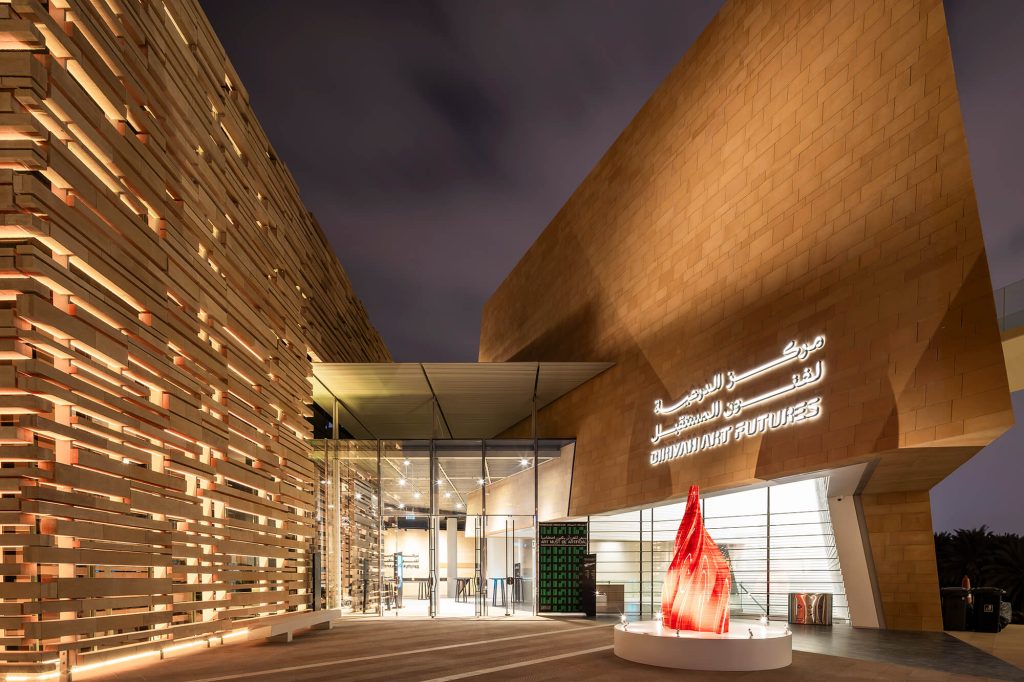
Augmented Reality (AR)
Augmented reality takes the concept of blending the physical and digital to new heights. By using smartphones or AR glasses, individuals can experience art superimposed onto their reality. This technology allows public art installations to come alive, enabling interactions that were previously unattainable. Notable projects like “The Night Café,” which recreates Van Gogh’s iconic paintings in a three-dimensional space, offer a multisensory experience that invites viewers to engage with art on a personal level.
The ongoing dialogue surrounding these innovations evokes crucial questions: How are artists reshaping their narratives in the digital age? In drawing upon technology, does the essence of authenticity in art change? As creators experiment with these technologies, they forge new paths for storytelling and expression, challenging norms and inspiring future generations.
This exploration of the burgeoning intersection between art and technology reveals a landscape rich with potential. Join the conversation about how technology is reshaping not only the creation of art but also the very fabric of the art experience itself.
Revolutionizing Creativity Through Innovation
The intersection of art and technology is not merely a modern phenomenon; it is a remarkable evolution that redefines creative expression in dynamic ways. As we assess the landscape of contemporary art, several technological advancements stand out as pivotal forces driving change.
3D Printing: Sculpting the Future
3D printing technology has opened up a new frontier for sculptors and designers alike. With the ability to construct complex forms layer by layer, artists can realize their visions with unprecedented precision. This technology breaks down barriers, enabling creators to experiment with materials ranging from biodegradable plastics to metals. Artworks that once required extensive craftsmanship can now be produced more rapidly and affordably.
For instance, artists are using 3D printing to create not only traditional sculptures but also functional pieces that blur the lines between art and utility. Innovative projects like the 3D-Printed Pavilion in Australia exemplify how artists are using this technology to construct immersive environments that challenge architectural norms while engaging viewers in new and exciting ways.
Interactive Installations: Engaging the Audience
In the realm of contemporary art, interactive installations represent a groundbreaking method of deepening audience engagement. This approach shifts the role of the viewer from passive observer to active participant, transforming the art experience into a shared dialogue. Artists like Rafael Lozano-Hemmer have mastered this interaction, creating immersive installations that utilize sensors and projections to respond to audience movement and input.
Through these interactive pieces, visitors can leave their mark on the artwork, creating a unique experience that evolves with each interaction. This new form of art challenges traditional notions of authorship and invites discussions about the collaborative nature of creativity in the digital age.
Art in the Age of Social Media
Social media platforms have become vital tools for artists seeking to reach wider audiences. Sites like Instagram and TikTok allow creators to showcase their work instantly, build a following, and even sell pieces directly to consumers. The immediacy and accessibility of these platforms have transformed how art is consumed and appreciated, often leading to viral moments that propel artists into the spotlight.
- Instant Feedback: Artists can gauge audience reactions in real-time, influencing future works.
- Community Building: Social media fosters connections among artists and fans, allowing for collaborative projects.
- Global Reach: Geographic barriers dissolve as art connects with viewers across the globe.
As we embrace these innovations, it becomes clear that the conversation surrounding the intersection of art and technology is both complex and exciting. The continued exploration of this synergy promises to reshape cultural landscapes and inspire a new generation of creatives. What does this mean for the future of artistic identity? As artists navigate these technologies, they invite us to consider not only what art can be but also what it can do.
Exploring New Frontiers in Creative Expression
The marriage of art and technology has ushered in a revolutionary wave of possibilities that challenge traditional notions of creativity. Artists are now embracing digital tools and platforms, leading to innovative forms of expression that captivate audiences in unprecedented ways. New media art, interactive installations, and artistic applications fueled by Artificial Intelligence (AI) are redefining how we perceive and engage with art.One noteworthy example is the influence of virtual reality (VR) in art exhibition. Artists are creating immersive experiences that allow viewers to step inside a painting or to interact with the artwork. This sensory engagement expands the typical viewing journey, transforming the passive observer into an active participant. Furthermore, platforms such as Augmented Reality (AR) enable artworks to transcend physical limitations, reaching broader audiences through mobile devices.In addition, AI-driven tools provide artists with sophisticated ways to generate unique pieces of work. By analyzing vast datasets, AI can help in conceptualizing diverse artistic styles or even producing original compositions, sparking debate on the role of the human touch in art creation. This brings us to the ethical considerations surrounding authorship and ownership, raising fundamental questions about the nature of creativity in an era dominated by technology.As we delve deeper into the intersection of art and technology, it’s essential to acknowledge the importance of collaboration. Artists are increasingly working alongside technologists, engineers, and designers to push boundaries and bring fresh ideas to life. These collaborations cultivate an environment ripe for creative innovation, where diverse skill sets converge to produce groundbreaking artworks that reflect the complexities of contemporary society.This dynamic intersection also highlights the necessity for emerging artists to adapt to technological advancements. Mastering new digital tools can significantly enhance their practice and more effectively reach audiences. The ability to harness these tools not only solidifies their artistic identity but also situates them favorably in an ever-evolving creative landscape.As we continue to explore these new frontiers in creative expression, the interplay between art and technology promises to reshape the cultural narrative and inspire future generations of artists and art lovers alike. Whether it be through digital canvases, holographic performances, or AI-generated compositions, the creative potential appears boundless, and we are only beginning to scratch the surface of this evolving journey.
New Mediums and Artistic Practices: The Digital Canvas
As technology continually evolves, so too do the mediums and practices artists utilize to express their creativity. One of the most transformative developments in contemporary artistry is the widespread adoption of digital art. Artists are increasingly using software, tablets, and even smartphones to create stunning visuals that challenge traditional art forms. Notable platforms such as Procreate and Adobe Creative Cloud offer endless possibilities for experimentation, allowing artists to manipulate color, texture, and form with exquisite precision.
Virtual Reality: Immersive Art Experiences
Virtual reality (VR) has emerged as an exciting new medium, blurring the lines between viewer and creator. Artists like Jacolby Satterwhite are redefining the realm of artistic experience by crafting immersive worlds that invite audiences to explore and interact in ways previously unimaginable. Through VR installations, participants can step into an artist’s mind, experiencing their vision in a completely enveloping environment.
This medium not only transforms how art is displayed but also how it is experienced, allowing for emotional connections that transcend traditional gallery settings. For instance, Google Arts & Culture has integrated VR experiences that let users tour famous museums, providing an innovative way to appreciate artworks from the comfort of their homes while democratizing access to art education.
A.I. as Collaborator: The Rise of Algorithmic Art
Artificial intelligence is rapidly positioning itself as a fascinating collaborator in the creative process. Artists are utilizing algorithms and machine learning to generate artwork, leading to unique outcomes that challenge perceptions of authorship. Projects such as DeepArt use neural networks to transform photographs into works reminiscent of famous artists, merging style and subject in unexpected ways.
This new form of art raises important questions about the nature of creativity and the role of the artist. What happens when machines can create art? How does this redefine originality and influence traditional artistic values? As artists embrace AI, they unlock new potentials while simultaneously igniting thoughtful discourse around the very definition of art itself.
Augmented Reality: Bridging the Physical and Digital Worlds
Augmented reality (AR) further enhances the dialogue between art and technology. This innovative medium overlays digital elements onto the physical world, creating hybrid experiences that spark new interpretations. Artists like Kendra Grosse are pushing boundaries by integrating AR into mural projects, enabling viewers to interact with and experience layers of meaning through their smartphones.
The line separating the tangible and the digital blurs, allowing audiences to experience a multifaceted reality where the physical artwork serves as a gateway to a virtual narrative. Public spaces are now transformed into participatory canvases, inviting communities to engage with art in fresh and groundbreaking ways.
Art Market Transformation: Blockchain and NFTs
The recent rise of non-fungible tokens (NFTs) signifies a seismic shift in the art market, intertwining technological advancement with economics. This digital ownership model allows artists to mint their works as NFTs, providing them with new revenue streams while ensuring the authenticity and scarcity of their creations. Artists like Beeple have made headlines by selling pieces for millions, illustrating how technology can reshape art valuation.
Blockchain technology legitimizes ownership and provenance, creating trust in a system that has often suffered from counterfeiting and theft. With companies like Foundation and OpenSea leading the NFT marketplace, artists have the potential to reach diverse audiences and capitalize directly on their work, redefining the traditional gallery model.
The intersection of art and technology continues to unfold new realms of possibility, inviting an exploration of how these relationships will evolve in the coming years and shape the future of creative expression.
Conclusion: The Future of Art in a Tech-Infused World
As we draw to a close on this exploration of the intersection of art and technology, it’s evident that these two realms are not merely coexisting but are dynamically transforming one another. From the rise of digital art that redefines creativity, to the immersive worlds created through virtual reality, artists are harnessing technological tools to expand their expressive capacities and engage audiences in unprecedented ways. The emergence of A.I. as a creative partner challenges our understanding of authorship and originality, sparking vital conversations regarding the essence of creativity itself.
Furthermore, augmented reality bridges the gap between the physical and digital, allowing for interactive experiences that breathe new life into public spaces and traditional artworks. The integration of blockchain and NFTs is revolutionizing the art market, providing innovative models for ownership and economic sustainability for artists, while also ensuring the integrity of their work.
As these technologies continue to evolve, they pave the way for bold and inventive artistic practices that will further challenge our perceptions and broaden our understanding of what art can be. This ongoing dialogue between art and technology invites us all to reconsider the role of the creator and the audience, urging deeper engagement with the art that surrounds us. As we look to the future, the possibility for creative expression appears limitless—proof that, in this tech-infused world, art remains a powerful medium to connect, provoke, and inspire.
In this digital age, staying attuned to these new frontiers in creative expression is not just a curiosity but a necessity for both artists and art enthusiasts. The journey ahead promises endless possibilities where imagination knows no bounds.