How Craft Projects Can Stimulate Creativity and Reduce Stress
Understanding the Connection Between Crafting and Creativity
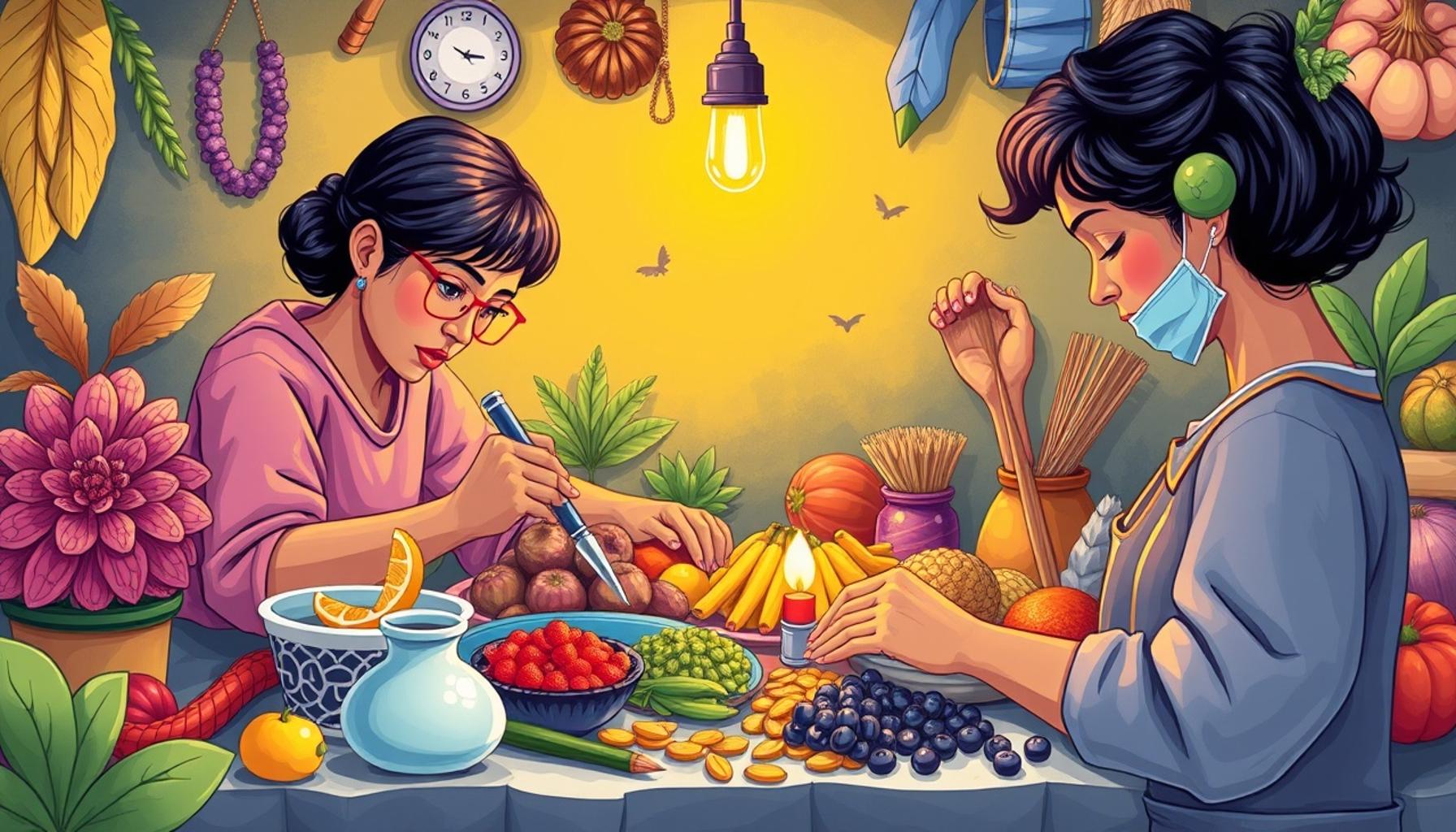
In today’s fast-paced world, stress can often feel overwhelming. However, engaging in craft projects offers a refreshing distraction and a productive outlet. Not only do these activities provide a break from daily pressures, but they also unlock new pathways for creativity.
Crafting isn’t just about making something pretty; it’s a multifaceted process that stimulates various cognitive functions. For instance, when working on a project, one often must navigate challenges such as selecting materials, deciding on patterns, and resolving unexpected issues. This process enhances problem-solving skills, as individuals must think critically and adaptively to achieve their desired outcomes. Furthermore, crafting encourages innovative thinking; it invites crafters to try unique combinations of colors, shapes, and textures, thereby expanding their creative horizons.
Additionally, completing a craft project can yield a profound sense of accomplishment. The act of transforming raw materials into a finished piece of art or functional item instills self-confidence and pride. For many, this achievement transcends the final product; it is about the journey of creation itself. Many people across the United States have turned to various craft projects such as:
- Knitting and crocheting: These classic crafts have seen a resurgence, as people find joy in the rhythmic motions and the tangible results of their labor.
- Painting and drawing: From watercolors to acrylics, these mediums allow for self-expression and exploration of personal emotions.
- DIY home decor: With platforms like Pinterest inspiring countless individuals, creating unique home items has become accessible and popular.
- Scrapbooking: This craft merges artistry with storytelling, enabling individuals to preserve memories in visually captivating ways.
These activities offer a therapeutic effect, allowing individuals to express themselves while also focusing their energies on positive creations. The repetitive motions involved in many crafts can lead to a meditative state, further alleviating feelings of anxiety and promoting mental well-being. Studies have shown that immersing oneself in crafting can significantly lower cortisol levels, the hormone primarily responsible for stress, leading to an overall sense of calm and relaxation.
As we delve deeper into the world of crafting, we will explore how these projects not only stimulate creativity but also serve as effective stress-relievers. Many crafters report that engaging in hands-on activities helps them disconnect from the digital world, fostering a deeper connection with themselves and their creative instincts. Get ready to discover the potential of your creative spirit through activities that are both enjoyable and beneficial for mental health!
By taking the time to explore the various forms of crafting available, individuals can find the perfect outlet that aligns with their interests and lifestyle, helping to cultivate a more balanced and fulfilling life.
The Cognitive Benefits of Crafting
Engaging in crafts provides a unique opportunity for the brain to recalibrate and rejuvenate. When individuals immerse themselves in creative projects, they activate different areas of the brain, leading to enhanced cognitive functions. Crafting is not only a physical activity but also an intellectual one; it encourages a blend of critical thinking, imagination, and motor skills, all of which contribute to a more adaptable mindset.
Research has shown that hands-on creative activities can significantly enhance neuroplasticity, the brain’s ability to form and reorganize synaptic connections. As crafters experiment with different materials or techniques, they challenge their brains to develop new pathways and solutions. This mental workout contributes to improved focus and attention span, qualities that are increasingly critical in our distraction-filled lives.
Moreover, the repetitive actions involved in many crafting skills can create a flow state, a concept popularized by psychologist Mihaly Csikszentmihalyi. This state of mind occurs when individuals are fully immersed in an activity, leading to an increased sense of enjoyment and fulfillment. In crafting, such meditative engagement not only diminishes stress but also fosters a sense of presence, allowing crafters to focus solely on the task at hand.
Popular Crafts That Enhance Mental Well-being
There are numerous kinds of crafts that can be particularly beneficial for both creativity and stress reduction. Here are a few popular options embraced by craft enthusiasts across the United States:
- Painting: Whether using watercolors or acrylics, painting allows individuals to express emotions and explore their artistic side, serving as both a stress reliever and an emotional outlet.
- Knitting and crocheting: The rhythmic, repetitive motions in knitting and crocheting have been shown to reduce anxiety, allowing crafters to create cozy items while enjoying a calming experience.
- DIY projects: With the rise of platforms like Instagram and Pinterest, many individuals are discovering at-home projects that enable them to personalize their living spaces, creating a sense of pride and ownership.
- Jewelry making: This craft not only stimulates creativity through design but also provides a tangible reward in the form of unique accessories that can be worn or gifted.
Each of these crafts offers distinct benefits, from fostering innovative thinking to providing a satisfying means of self-expression. The therapeutic nature of working with one’s hands and creating something tangible can help individuals disconnect from daily pressures and find solace in the act of making, leading to improved overall mental health.
Staying engaged in crafting can serve as an antidote to stress, turning idle time into productive creativity. By exploring new crafting avenues, individuals can unlock their creative potential while simultaneously crafting a more balanced life.
Exploring the Bond between Crafting, Creativity, and Stress Relief
Crafting serves as a unique form of expression, enabling individuals to unleash their inner creativity. Engaging in craft projects encourages hands-on activity, allowing the mind to shift away from daily pressures and focus on the task at hand. This state of mindfulness acts as a buffer against stress, promoting relaxation and mental clarity. Moreover, research suggests that the repetitive motions involved in various crafting techniques—such as knitting or painting—can produce a calming effect, akin to meditation. As the brain engages with the creative process, it can trigger the release of endorphins, helping to alleviate symptoms of anxiety and stress. Crafting becomes not just a hobby, but a therapeutic outlet where individuals can reconnect with themselves.To further illustrate the advantages of crafting, here’s an informative table highlighting key benefits and aspects related to the connection between craft projects, creativity, and stress management:
| Category | Key Features |
|---|---|
| Stress Reduction | Crafting lowers cortisol levels, leading to a peaceful mindset. |
| Enhancement of Creativity | Encourages exploration of new ideas and personal expression. |
These insights into the relationship between crafting and mental wellness highlight the therapeutic benefits of taking time to engage in creative projects. The simple act of creating allows for introspection, offering a break from the bustling world around and fostering a healthier mindset. As we delve deeper into the world of crafts, we uncover not just the joy of creation but also the profound impact it has on our well-being.
The Emotional and Therapeutic Benefits of Crafting
Beyond the cognitive advantages, crafting also offers profound emotional and therapeutic benefits. In today’s fast-paced world, individuals often face overwhelming stressors, and crafting provides an effective remedy that allows for emotional exploration and release. Engaging in creative projects can elevate mood and lead to a sense of accomplishment, contributing to better overall mental health.
One of the most significant emotional benefits of crafting is the ability to act as a form of mindfulness. By focusing on the present moment and the tactile nature of crafting, individuals can relieve anxiety and negative thoughts. Crafting encourages a sensory experience; the feel of fabric, the smell of paint, or the sound of scissors cutting through paper can ground the crafter in the here and now. This connection to sensory experience promotes relaxation, encouraging individuals to redirect their thoughts away from daily stresses and towards the simple joy of creating.
Crafters often report a profound sense of accomplishment upon completing their projects. This completion not only showcases one’s skills and creativity but also fuels confidence and self-esteem. Participating in crafting communities—both online and offline—can further enhance this sensation, as individuals share their creations and receive feedback and encouragement from peers. This connection to others can significantly mitigate feelings of isolation, making crafting a communal activity that strengthens social bonds.
Crafting as a Tool for Healing
The idea of crafting as therapeutic is gaining traction in both clinical and informal settings. Art therapy, which often includes various craft projects, is an established field that leverages creativity for emotional healing. Participants can articulate feelings or life experiences that may be challenging to express verbally through tactile and visual art forms. For instance, knitting can be empowering for those coping with grief, allowing them to weave their emotions into each stitch, creating not only an item but also a narrative of their journey.
Moreover, crafting can provide a meditative experience. The repetitive movements found in many crafts, such as weaving or sculpting clay, can trigger a state of relaxation akin to meditation or yoga. As crafters lose themselves in the repetitive process, they release stressors and calm racing thoughts. This aspect is particularly beneficial for those dealing with chronic anxiety or depression, as they find the soothing motions of crafting a new avenue for coping.
Inclusivity is yet another standout feature of crafting. Individuals of all ages and abilities can participate in various crafts, making it accessible to everyone. Community centers and local workshops often offer classes to introduce individuals to new techniques, improving not only mental well-being but also fostering community relationships. Engaging in crafts with others creates a supportive environment where participants can inspire one another, share tips, and celebrate progress.
As crafting continues to be embraced across different demographics, its wide array of emotional benefits remains equally relevant. The fusion of creativity, productivity, and connection helps individuals combat stress while enhancing their mental resilience. Whether creating intricate designs, knitting cozy blankets, or decorating upcycled furniture, indulging in craft projects is not just about the finished product—it is about the healing journey along the way.
Conclusion: The Transformative Power of Crafting
In summary, craft projects serve as a multifaceted tool for stimulating creativity and reducing stress, offering both personal enrichment and emotional healing. By engaging in hands-on activities, individuals not only tap into their creative potential but also establish a meditative practice that promotes mindfulness and relaxation. The tactile nature of crafting enables participants to immerse themselves in the moment, subsequently alleviating anxiety and fostering a sense of accomplishment that bolsters self-esteem.
Furthermore, the communal aspect of crafting cannot be overlooked. Whether through online platforms or local workshops, sharing creations fosters connections that combat isolation, creating supportive communities where individuals can inspire and uplift one another. As more people recognize the therapeutic benefits of crafting, programs integrating art therapy into mental health practices are increasingly gaining momentum, highlighting the psychological advantages that create a narrative of healing.
As you explore the world of crafting, consider how each project can be an opportunity for self-discovery and emotional expression. From knitting a cozy scarf to painting vibrant landscapes, the possibilities are endless. Thus, embracing craft projects doesn’t merely enhance creativity; it can transform your approach to life’s challenges. Discovering new techniques and materials, along with joining a crafting community, can provide fulfilling experiences that promote well-being in the busy lives we lead today. The path to creativity and calm begins with a single project, leading to a rewarding journey of exploration and mental wellness.