How Fashion Trends Influence the Revival of Sewing and Embroidery Skills
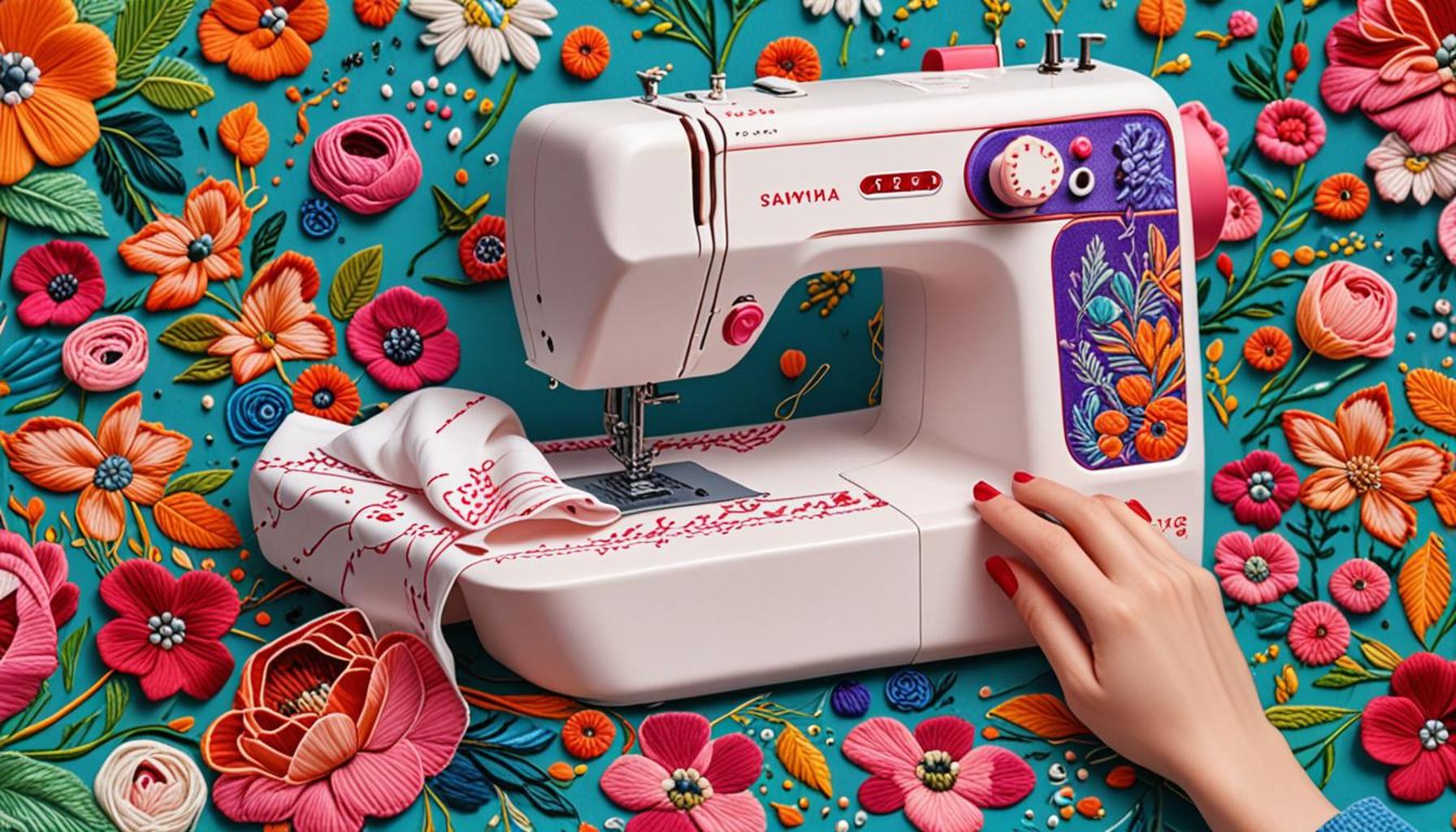
Reviving Traditional Crafts
In recent years, the world of fashion has witnessed a remarkable shift as trends increasingly favor individuality and sustainability. This shift has fostered a resurgence in interest around traditional skills, particularly sewing and embroidery. As consumers seek unique pieces, the drive towards DIY fashion is stronger than ever.
Driving Forces Behind the Revival
Several factors are contributing to this revival. One significant driving force is the demand for customization. Shoppers are moving away from mass-produced clothing, seeking one-of-a-kind items that resonate with their personal styles. For instance, many are now drawn to brands that offer customizable designs, allowing them to choose fabrics, colors, and patterns that reflect their identities.
This shift is closely tied to a focus on sustainability. A growing awareness of environmental issues has encouraged crafters to minimize waste by utilizing second-hand fabrics or upcycling old garments. As consumers become more conscious of the impact of fast fashion, they are turning to traditional crafts as a way to not only express themselves but also to adopt more eco-friendly practices. The rise of platforms such as Etsy showcases countless individuals who create and sell handmade items, further promoting sustainable alternatives to conventional retail.
Another driving factor is personal expression. DIY fashion allows individuals to showcase their personality and creativity. From hand-stitched vintage-inspired jeans to embroidered jackets, these personalized items tell a story uniquely reflective of the creator’s journey. For example, many millennials and Gen Z artisans are experimenting with techniques passed down through generations, blending traditional embroidery methods with modern aesthetics, thus creating pieces that are not only beautiful but also rich in heritage.
The Modern Crafter
The modern crafter is not just focused on practicality; they embrace a broader vision of community and culture. Community engagement plays a crucial role in this revival. Local workshops and online tutorials are thriving, enabling people to learn traditional skills from experienced artisans or through detailed video content available on platforms like YouTube. These gatherings not only serve as learning experiences but also foster connections among like-minded individuals.
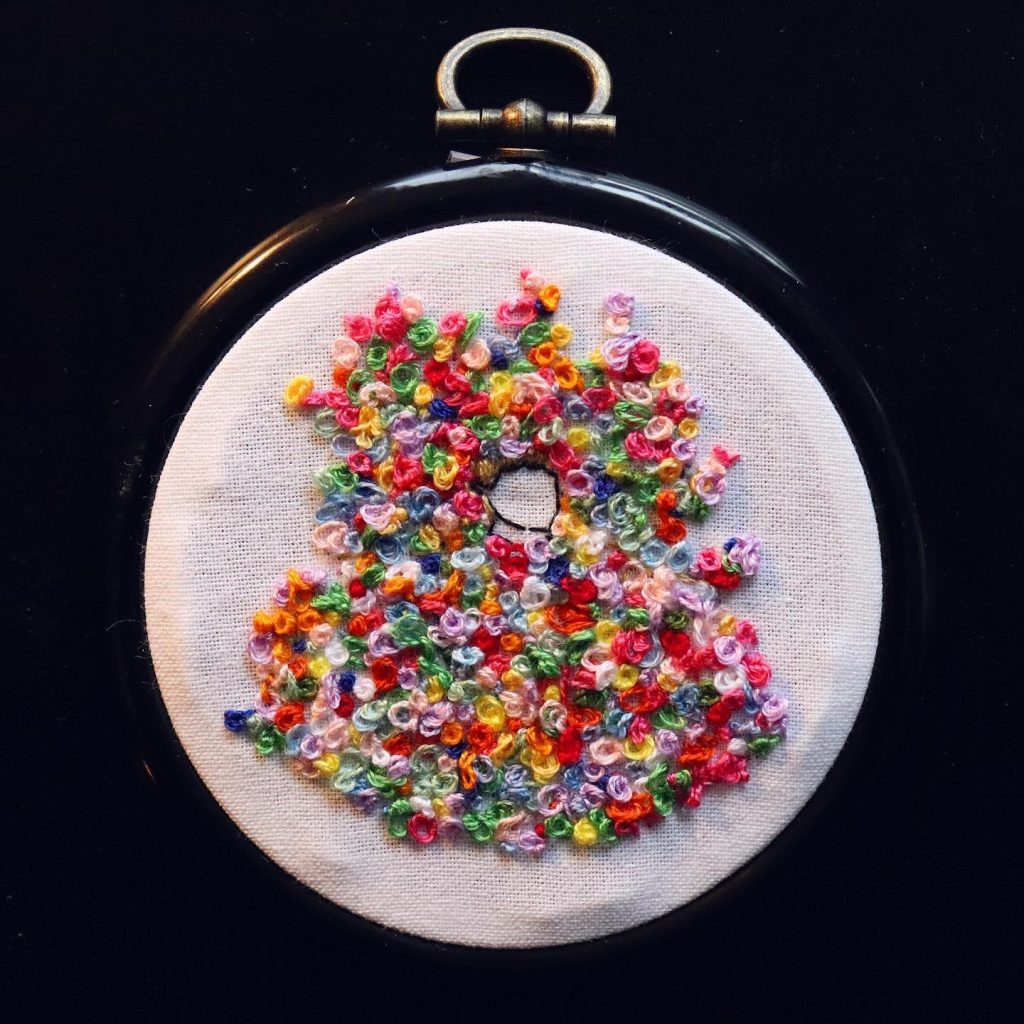
Moreover, the social media influence cannot be understated. Platforms such as Instagram and TikTok are teeming with content creators who share their crafting journeys, offering inspiration and tutorials to their followers. Viral trends, such as the “Sewing Challenge” or “Embroidery Floss Art,” make these crafts more accessible, attracting younger audiences who might have otherwise shied away from them.
Lastly, the intersection of heritage and culture is becoming an essential part of the crafting narrative. Many artists are revitalizing traditional embroidery techniques from various cultures, incorporating them into contemporary designs that resonate with today’s consumer. This fusion of old and new not only preserves cultural heritage but also innovates the craft, allowing it to evolve in a modern context.
As fashion continually cycles through its trends, the revival of sewing and embroidery skills reflects a deeper need for authentic connections and storytelling in clothing. This fascinating intersection of fashion and craftsmanship invites individuals to explore the art of sewing and embroidery in today’s world, leading to a rediscovery of the joy and satisfaction that comes with creating something by hand.
DISCOVER MORE: Click here to learn about the benefits of manual skills
Embracing Customization and Sustainability
As the fashion landscape evolves, the revival of sewing and embroidery skills can be traced back to a growing desire for personalization and eco-conscious choices. Today’s consumers are seeking more than just stylish garments; they want clothing that reflects their individuality and values. This push for customization has led to an increasing number of individuals channeling their creativity through handmade apparel, igniting interest in the techniques of sewing and embroidery.
The quest for unique clothing is evident through several emerging trends. For instance, the popularity of brands offering made-to-order items is on the rise. Consumers are now willing to wait for their clothes, understanding that bespoke pieces can truly express their identities. This development has, in turn, sparked a renewed interest in sewing skills, as people are encouraged to learn the craft themselves to create one-of-a-kind pieces that stand out in a crowded retail space. The ability to sew not only allows for customization but also gives a sense of achievement and pride in crafting something from scratch.
Sustainability as a Catalyst
The fashion industry’s environmental footprint has catapulted sustainability into the forefront of consumer consciousness. With the rise of fast fashion’s detrimental impact on the planet, many individuals are prioritizing eco-friendly practices. By learning sewing and embroidery skills, they can extend the life of their garments through mending or repurposing old pieces, reducing waste in a market increasingly dictated by consumerism.
Here are some notable trends supporting sustainable crafting practices:
- Upcycling: Transforming old clothing or fabrics into new, fashionable items.
- Zero-Waste Sewing: Creating patterns that maximize the use of fabric with minimal remnants.
- Sustainable Materials: Using organic, recycled, or ethically-sourced fabrics to craft garments.
This growing movement has seen a rise in communities and workshops dedicated to teaching sewing and embroidery skills centered around sustainability. Whether through local sewing circles or online platforms, individuals are united by a common goal of preserving the environment while enjoying the art of crafting. This not only reinforces social ties but also emphasizes the importance of sharing knowledge and techniques that have stood the test of time.
Personalization Meets Cultural Heritage
The intersection of personal expression and cultural heritage adds another layer to the revival of sewing and embroidery. Crafters today often draw inspiration from their backgrounds, incorporating traditional embroidery techniques into contemporary designs. By revisiting techniques passed down through generations, artisans are not just reviving skills but also connecting with their roots.
For example, many embroidery styles from different cultures—such as Japanese Sashiko, Mexican Otomi, or Eastern European cross-stitch—are making their way into modern fashion. This fusion of traditions not only cultivates appreciation for global artistry but also introduces a multitude of techniques to a wider audience. As individuals learn these methods, they become part of a larger narrative that honors the past while innovating for the future.
In this ever-evolving fashion landscape, the revival of sewing and embroidery skills reflects a profound adaptation to what consumers now seek: authenticity, sustainability, and personal expression. This movement invites everyone to delve into the rich tapestry of crafting, potentially reigniting the once-common practices of needle and thread in today’s modern world.
Exploring Fashion Trends and Their Impact on Traditional Skills
As fashion continues to evolve, we witness a remarkable resurgence of sewing and embroidery skills tied to contemporary trends. These traditional crafts, once diminished by mass production, are being revitalized in response to modern sensibilities surrounding sustainability and personal expression. The influence of fashion trends creates a perfect landscape for reimagining these skills, allowing individuals to infuse their unique styles into their creations.One significant trend is the rise of vintage-inspired fashion, drawing inspiration from past decades. This trend not only fosters a nostalgic appeal but encourages individuals to design and construct garments reminiscent of those eras. With the focus on handmade items, artists and hobbyists alike are rediscovering authentic techniques that were once commonplace. A prime example is the Macramé revival, which showcases intricate knotting techniques that embellish clothing and accessories.Moreover, the sustainable fashion movement plays a crucial role in this revival. As consumers become more conscious of environmental issues, there is a growing demand for hands-on crafting. This trend aligns perfectly with sewing and embroidery, as individuals can repurpose old garments or create new ones from sustainable materials. The popularity of platforms like Instagram and Pinterest also facilitates skill-sharing; enthusiasts showcase their creations, inspiring others to jump into the world of sewing and embroidery. In addition, fashion designers increasingly highlight handmade elements in their collections, showcasing the beauty of labor-intensive craftsmanship. This not just enhances the aesthetic appeal but reflects a deeper appreciation for the artistry involved in sewing and embroidery. As a result, the fusion of these traditional skills with modern fashion promotes a renewed interest that continues to flourish.
DIVE DEEPER: Click here to discover the magic of musical improvisation
The Rise of DIY Fashion and Online Communities
In tandem with the quest for personalization and sustainability, the phenomenon of DIY fashion has surged, heavily influencing the revival of sewing and embroidery skills. With the proliferation of social media and online communities, aspiring seamsters and embroiderers have an unprecedented opportunity to learn and share their craft. Platforms like Instagram, TikTok, and Pinterest are brimming with tutorials, inspiration, and project showcases, transforming the way individuals engage with fashion and design.
This digital evolution has democratized access to sewing knowledge. No longer confined to brick-and-mortar classes or generational teachings, sewing enthusiasts can now partake in global dialogues about trends and techniques from the comfort of their homes. YouTube channels dedicated to sewing projects, such as SewOverIt and Tilly and the Buttons, offer step-by-step guidance for all skill levels. By building communities around shared interests, users empower each other to experiment freely with embroidery styles, patterns, and sewing methods.
The Influence of Social Media Challenges and Trends
Moreover, the impact of social media is evident through various creative challenges and trends that encourage sewing and embroidery. Hashtags like #SewingChallenge and #MakeYourOwnClothes unite makers, prompting them to produce garments that are not only fashionable but also reflective of their personal styles and values. Additionally, many creators host monthly challenges that inspire participants to step out of their comfort zones, either by trying new techniques or committing to make specific wardrobe staples.
This sense of camaraderie fosters an environment of creativity and innovation, allowing individuals to replicate popular styles while infusing their personal touch. The challenge is not only about creating a garment but also sharing the journey, from selecting the fabric to the final fit. Documenting this process helps demystify sewing and emboldens others to pick up a needle and thread, reinforcing the trend of handmade apparel.
Local Makerspaces and Textile Events
The resurgence of sewing and embroidery skills is further buoyed by local makerspaces and textile festivals, which serve as invaluable hubs for community engagement and education. These spaces often provide access to sewing machines, tools, and materials, allowing individuals to experiment without the overhead costs of investing in a full sewing setup. Over the past few years, cities across the United States have seen a rise in such makerspaces, where workshops in sewing, quilting, and embroidery are conducted among like-minded enthusiasts.
Textile events such as the American Quilt Show and local fabric fairs often include classes and demonstrations led by expert artisans, showcasing the latest trends in fabric, design, and technique. Workshops at these events celebrate the merging of traditional methods with contemporary aesthetics, giving attendees a chance to learn from seasoned professionals while networking with fellow creators.
As interest in sewing and embroidery continues to grow, these community-driven initiatives are essential. They provide learning opportunities and a support system, nourishing the revival of these skills in a rapidly changing fashion landscape. Ultimately, this collaborative culture could redefine how individuals relate to fashion, allowing them to embrace not only individual expression but also a shared love for the craft of sewing and embroidery.
DISCOVER MORE: Click here to learn about how technology is shaping the future of music
Conclusion: A Stitch in Time – Reviving the Craft
The resurgence of sewing and embroidery skills in today’s society is a captivating intersection of fashion trends and personal expression. As consumers increasingly seek unique, personalized garments that reflect their individuality, the craft of sewing has transformed from a practical skill to a creative outlet. This cultural shift, amplified by the rise of DIY fashion and vibrant online communities, has made sewing more accessible than ever and encourages a more sustainable approach to fashion consumption.
Moreover, the influence of social media cannot be overstated. Platforms like Instagram and TikTok have created a dynamic environment where makers can share their projects, seek inspiration, and partake in challenges that promote learning and innovation. These digital spaces empower creators to experiment and redefine what it means to engage with clothing, further embedding hands-on textile arts into contemporary culture.
Local makerspaces and textile events serve as critical avenues for nurturing this revival, providing essential resources and fostering a sense of community among enthusiasts. Through hands-on learning and networking opportunities, individuals are not only reclaiming the skills of past generations but are also forging connections that celebrate the art of sewing and embroidery.
As we look to the future, the merging of fashion trends with a communal approach to crafting holds the promise of revitalizing traditional skills. In a world increasingly marked by fast fashion, the desire for unique, handcrafted items fuels a return to the roots of clothing creation. Ultimately, the renewed interest in sewing and embroidery is not just about producing garments; it’s about cultivating a shared love for creativity, sustainability, and individual expression. The needle and thread are once again becoming instruments of empowerment, enabling a new generation to shape their own narratives in the realm of fashion.