Sustainable Crafting: Eco-Friendly Projects for Creative Minds
Understanding Sustainable Practices in Crafting
The shift toward sustainability is reshaping various aspects of our lives, and the art of crafting is no exception. Sustainable crafting encapsulates a philosophy that prioritizes eco-conscious practices while allowing individuals to express their creativity. By engaging in crafting activities that reduce waste and utilize responsibly sourced materials, crafters not only hone their skills but also align with a broader movement aimed at protecting our planet.
Navigating the realm of sustainable crafting can be both thrilling and rewarding. For those unsure of where to start, consider the following intriguing project ideas:
- Upcycled Furniture: Take a worn-out chair or an old table and breathe new life into it. For instance, a coat of chalk paint can transform a dated piece into a chic, modern statement for any room. Additionally, adding decorative elements like stencils, fabric upholstery, or new hardware can elevate the overall aesthetics.
- Natural Dyes: Engaging with plant-based dyes not only reduces reliance on synthetic chemicals but also allows for vibrant and unique colors. Common options include using turmeric for yellows, beets for reds, and indigo for blues. This not only enhances textiles but creates an opportunity to learn about the dyeing process derived from nature.
- Recycled Paper Crafts: Utilize scrap paper, magazines, or cardboard to create unique art pieces or functional items like greeting cards, gift bags, or even intricate sculptures. This approach fosters creativity while simultaneously diverting waste from landfills.
- Eco-Friendly Home Decor: Consider making decorative items from sustainable materials such as reclaimed wood or biodegradable fabrics. Macrame hangers for plants or wall hangings made from jute can add a rustic charm to your home while being kind to the environment.
Each of these projects offers an opportunity to learn and grow in your understanding of sustainability. By embracing recyclable materials, you magnify the creative process and showcase the ingenuity of making something beautiful out of what might otherwise be discarded. This innovative spirit is a cornerstone of sustainable crafting, inspiring others to rethink their consumption habits.
Moreover, participating in eco-friendly projects affirms your role in a larger movement that advocates for environmental health and sustainability. As you delve into this engaging world, you not only cultivate your artistic talents but also contribute to a collective effort to protect the planet. Whether you are an experienced craftsperson or just beginning your journey, the path of sustainable crafting offers endless possibilities. So, are you ready to tap into your creative potential while making a positive impact on our world? Join the exciting adventure of sustainable crafting, and let your imagination soar!
Exploring the World of Sustainable Materials
When it comes to sustainable crafting, the materials you choose can significantly impact the overall ecological footprint of your projects. By opting for eco-friendly materials, crafters contribute not only to the sustainability of their craft but also to the conservation of resources. Let’s delve into some popular sustainable materials that can elevate your creative endeavors and make a positive environmental contribution.
- Bamboo: This fast-growing plant is a renewable resource that provides a range of crafting materials. From charcoal bamboo for creating artworks to sturdy bamboo fabric for sewing projects, the versatility of this material is unmatched. Bamboo items are biodegradable and perfectly align with sustainable practices.
- Reclaimed Wood: Using salvaged wood is a splendid way to reduce waste while adding character to your projects. Whether building furniture or creating art pieces, reclaimed wood offers unique textures and stories that new wood simply cannot replicate. Additionally, sourcing reclaimed wood supports sustainable forestry practices.
- Organic Cotton: Unlike conventional cotton, organic cotton is grown without harmful pesticides or synthetic fertilizers, making it a kinder choice for the environment. Crafters can use organic fabric in a multitude of projects, from clothing to home textiles, ensuring that their creations are both beautiful and sustainable.
- Natural Fibers: Materials like jute, hemp, or linen can be excellent alternatives to synthetic fibers. These natural options not only break down easier than their synthetic counterparts but also promote biodegradability and soil health when disposed of. The tactile charm and aesthetic appeal of natural fibers can bring a distinctive elegance to any crafting project.
In addition to selecting sustainable materials, it’s also essential to understand the method of production and sourcing of these materials. For example, opting for locally sourced items can reduce transportation emissions, thus enhancing the eco-friendliness of your crafts. Many artists are now focusing on supporting local suppliers and reducing their carbon footprint through mindful purchasing.
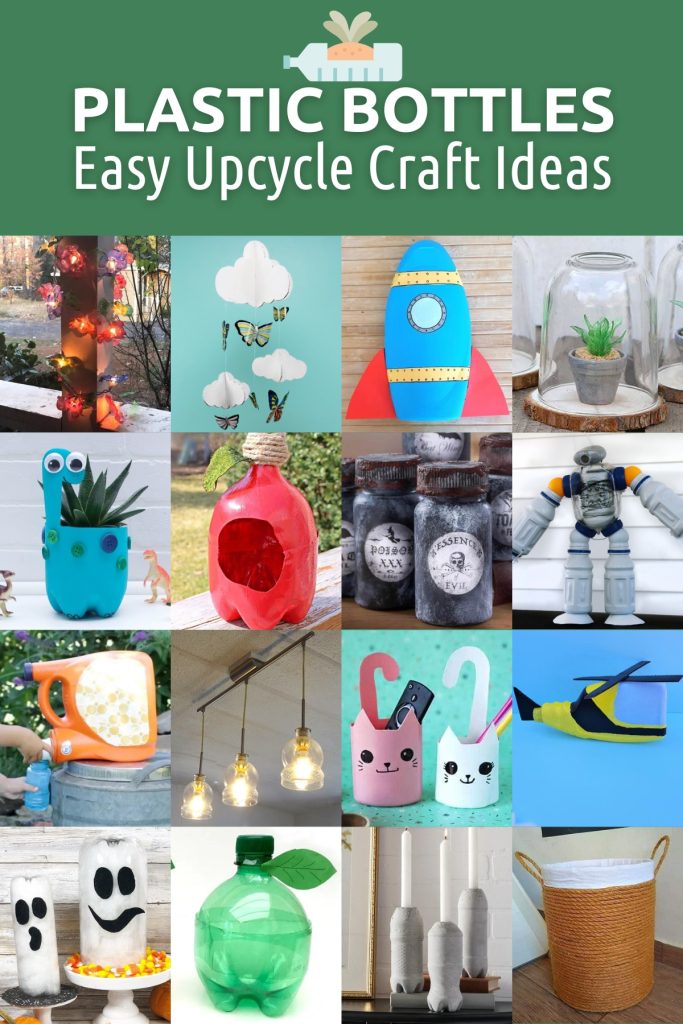
Another aspect to consider in sustainable crafting is the potential for using what you already have. Before discarding items, think about how they could be repurposed or upcycled for future projects. This creative approach not only saves money but also fosters innovation, as you challenge yourself to think outside the box. From transforming old clothing into new designs to converting glass jars into functional storage solutions, the possibilities are endless.
As you explore these materials and methods, remember that the key to sustainable crafting lies in the harmony between creativity and responsibility. By making informed choices about the materials you use and tapping into your resourcefulness, you enrich your crafting experience and promote environmentally friendly habits among your peers. So, let your creativity flourish as you embark on the journey of sustainable crafting!
| Category | Description |
|---|---|
| Recycled Materials | Using items like old newspapers, glass jars, or fabric scraps to create new, artistic projects. |
| Eco-Friendly Tools | Utilizing tools and supplies that are made from sustainable resources, reducing one’s carbon footprint. |
| Innovative Techniques | Incorporating unique methods such as upcycling and natural dyeing for an artistic flair. |
| Community Engagement | Participating in workshops and groups that focus on sustainable crafting to share knowledge. |
Introducing the concept of sustainable crafting opens a world of eco-friendly projects that not only foster creativity but also promote environmental responsibility. One major advantage is the use of recycled materials, allowing creative minds to turn what would otherwise be waste into stunning works of art. Equally important are eco-friendly tools, which are gaining popularity, ensuring that every aspect of the crafting process maintains a commitment to sustainability.Furthermore, the application of innovative techniques, such as upcycling old furniture or utilizing natural dyes, enhances the artistic process while being mindful of ecological impact. Engaging with like-minded individuals through community workshops nurtures a collaborative spirit and provides opportunities to share techniques and inspiration for sustainable living.As you delve deeper into the world of sustainable crafting, a plethora of exciting ideas and resources await, encouraging you to rethink your crafting choices and create with a conscience.
Incorporating Innovative Techniques into Your Sustainable Crafts
Transitioning to sustainable crafting is not just about the materials you choose; it’s also about the techniques you implement. Embracing innovative crafting methods can further enhance your eco-friendly projects, taking your creativity to new heights while supporting a healthier planet. Let’s explore some exciting techniques that can elevate your crafting experience and reduce waste.
- Upcycling: This technique involves transforming old or discarded materials into something new and functional. For instance, consider using old denim jeans to create stylish tote bags or turning wine corks into corkboards or decorative coasters. Upcycling not only reduces waste but also adds a unique touch to your handmade items, allowing your personality to shine through.
- Natural Dyes: Instead of traditional chemical dyes that can harm the environment, opt for natural dyes derived from plants, fruit, or vegetables. For example, onion skins can produce a beautiful yellow hue, while avocado pits yield soft pink tones. Using natural dyes not only minimizes environmental impact but also connects your creations to nature and its vibrant colors.
- Zero-Waste Techniques: Many crafters are now implementing zero-waste principles, which focus on reducing waste produced during the crafting process. This can be achieved by meticulously planning projects to use every inch of material or by creating products that are designed to last without producing any waste at the end of their lifecycle. Techniques like pattern grading in sewing help ensure fabric remnants can be used for smaller projects.
Moreover, the community aspect of crafting has undergone a transformation as well. Local workshops and online forums are becoming increasingly popular, where crafters share ideas, swap materials, and support each other’s sustainable journeys. Participating in these communities not only fosters connections but also opens doors to new techniques, refreshing perspectives, and collaborative projects. For instance, organizations such as Swap-O-Rama-Rama host events where participants can bring unwanted clothing and transform them into fresh creations through group crafting sessions.
In addition, the growing trend of “slow crafting” encourages crafters to take a more deliberate approach to their projects, focusing on quality over quantity. This method promotes mindfulness in crafting, where the makers savor the process rather than rushing to complete items. Slow crafting encourages you to deepen your connection with your materials, learn new techniques, and ultimately enjoy the art of creating without the pressure of mass production.
Another noteworthy practice emerging from the sustainable crafting movement is the use of technology to aid in eco-friendly projects. Digital designs and patterns can be shared and accessed through various platforms, reducing the need for printed materials and allowing crafters to use versatile resources. Additionally, advancements in 3D printing technology have made it possible to create sustainable objects from recycled plastics, paving the way for unique, customized projects that challenge traditional crafting limitations.
For those captivated by sustainable crafting, it’s worth exploring your own local ecosystem for inspiration. Many natural elements can serve as fantastic materials for projects—from pine cones and driftwood to pressed flowers and leaves. By leveraging the beauty of the environment around you, your creations not only become eco-friendly but also time capsules of the local landscape and your experiences within it.
By incorporating innovative techniques and fostering community connections, you can enhance the sustainability of your crafting projects while indulging your creative side. Every step toward sustainable crafting leaves a mark on the environment, adding meaning and purpose to your work.
Conclusion: Embracing the Future of Crafting
The journey into sustainable crafting is as rewarding as it is essential. By adopting eco-friendly practices, innovative techniques, and the spirit of community collaboration, you not only nurture your creative urges but also contribute positively to the environment. As our world grapples with pressing issues related to waste and resource depletion, embracing sustainable approaches to crafting becomes a powerful statement in support of a healthier planet.
Through practices such as upcycling, utilizing natural dyes, and incorporating zero-waste techniques, you can turn everyday items into fabulous, personalized creations that reflect your style and values. The possibilities are virtually endless when you tap into your local ecosystem for inspiration, allowing nature to guide your designs and reminding you that every piece has a story to tell.
Furthermore, the growing community of sustainable crafters encourages the exchange of ideas, resources, and support, enriching your crafting experience. Whether it’s through local workshops or online forums, your connection with fellow creatives opens up avenues for collaboration and innovation. The movement toward slow crafting invites you to savor the process, finding joy in each handcrafted item.
Ultimately, sustainable crafting is a path toward mindfulness, creativity, and environmental stewardship. Every project you undertake not only showcases your artistic skills but also serves as a testament to your commitment to the planet. As you explore the world of eco-friendly crafts, let your creativity flow, and invite others to join you on this journey. Together, we can redefine what it means to be a creator in a world that cherishes sustainability.